
Are Bearded Dragons Nocturnal? A Guide to Their Sleep
Published on: March 29, 2026 | Last Updated: March 29, 2026
Written By: Beardie Joe
If you’re wondering whether your bearded dragon is a night owl, you might be surprised by the real answer.
As a long-time owner of several beardies, I’ve spent years observing their unique daily rhythms and I’m here to clear up the confusion for you.
We’ll cover their true sleep cycle, how to set up the perfect habitat for rest, and what to do if your dragon’s sleep seems off.
Debunking the Nocturnal Myth
I can’t tell you how many times I’ve been asked if my bearded dragons are up all night scurrying around their tanks. It’s a really common assumption, especially for new owners. The truth is, this is one of the biggest misconceptions about their care. Bearded dragons are not nocturnal, and believing they are can lead to some serious husbandry mistakes that impact their health.
When a reptile is nocturnal, it’s built for the night life-think geckos with their vertical pupils or ball pythons on the prowl after dark. Your beardie is the complete opposite. If you ever see your dragon active at night, it’s usually a red flag. Nocturnal activity often signals that something is wrong in their environment. From my own experience, the most common culprits are a habitat that’s too hot for sleeping or a bright light source that never turns off, confusing their internal clock. Ensuring that the temperature in the tank is appropriate for nighttime is crucial for their health and rest.
The Diurnal Nature of Bearded Dragon Sleep Behavior
So, if they’re not night owls, what are they? Bearded dragons are proudly diurnal. This means their entire daily rhythm is synced with the sun. Waking with the morning light and settling down at dusk is hardwired into their DNA, just like their wild cousins in the Australian outback. Their roots lie in Australia’s deserts and scrublands, shaping an evolutionary path that favors sun, heat, and dry conditions. Understanding these origins helps explain their daytime activity and why proper lighting and temperature matter in captivity. Mimicking this natural cycle in captivity is one of the most important things you can do for their well-being.
Their diurnal lifestyle dictates everything. Here’s what a typical, healthy day looks like for a bearded dragon:
- Morning Bask: They wake up and immediately seek out a heat source to raise their body temperature and get their metabolism going.
- Daytime Activity Peak: This is their window for exploring, hunting for food, and digesting their meals under proper heat.
- Afternoon Cool-Down: You might notice them moving to the cooler side of their enclosure as the “day” progresses.
- Evening Settling: As light and heat fade, they find a comfortable, secure spot and enter a state of deep sleep for the night.
I’ve watched this pattern play out with my own dragons for years. A well-adjusted beardie will be a sound, still sleeper once the lights are out. Providing a consistent day/night cycle isn’t just a suggestion—it’s fundamental to their physical and mental health. It regulates their appetite, supports their immune system, and keeps their stress levels low. If your beardie isn’t as active as they should be, start by checking enclosure conditions—temperature, UVB exposure, and enrichment. For more detailed information, you can start by checking enclosure conditions here. If concerns persist, consider consulting a reptile-competent veterinarian to rule out illness and tailor a plan to encourage activity.
Crepuscular Tendencies and Daily Activity Peaks
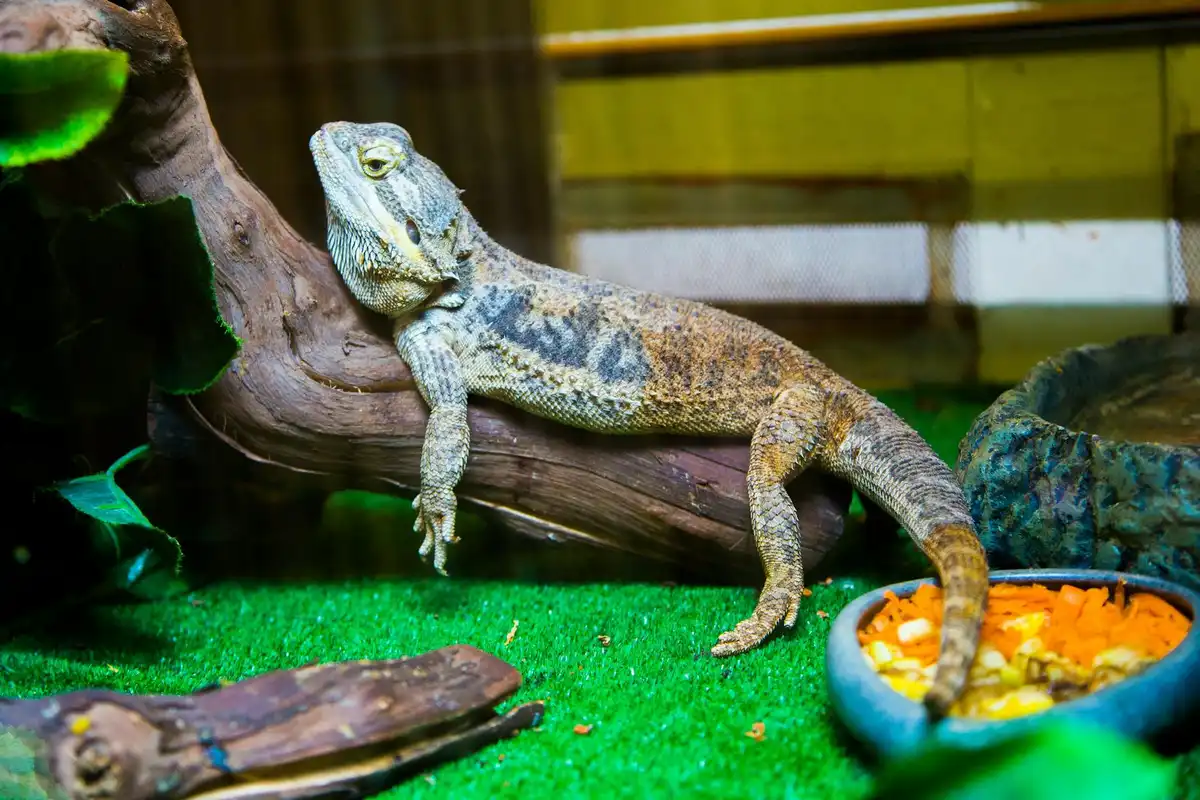
Many new owners are surprised to learn that bearded dragons aren’t truly nocturnal or even strictly diurnal. Their most active periods are during the twilight hours of dawn and dusk, a pattern known as being crepuscular. I’ve watched my own dragons perk up as the first light hits the tank and again as the sun begins to set.
During these peak times, you’ll see them engage in their most vital behaviors.
- Basking to raise their body temperature after a cool night.
- Hunting for live insects, when their prey is also most active.
- Exploring their territory and displaying social behaviors like head-bobbing.
- Eating the majority of their daily salad.
Throughout the middle of the day, they often enter a state of lower activity. Don’t be alarmed if you see your dragon just sitting still or napping in a warm spot; this is completely normal for them. They are conserving energy, much like a lion resting in the shade.
Core Factors That Govern Their Sleep
A bearded dragon’s sleep is deeply connected to their environment. In the wild, the sun is their master clock, and we must replicate that in captivity for their health and happiness. This connection also explains why they sometimes sleep standing up or display other unusual sleeping habits. You can explore these quirks in explanations like why do bearded dragons sleep standing up and other weird sleeping habits explained.
Lighting and the Sleep-Wake Cycle
The single most important factor for your dragon’s sleep is light. Proper lighting doesn’t just keep them warm; it regulates their entire circadian rhythm. I learned this the hard way when one of my first dragons became lethargic from an inconsistent light schedule.
Here is what you need to provide for a healthy sleep-wake cycle.
- A high-quality UVB light that runs for 12-14 hours during the day.
- A basking light that provides a hotspot for digestion and warmth.
- Total darkness at night for 10-12 hours to simulate their natural environment.
- A timer for your lights to ensure a consistent daily cycle, even when you’re busy.
Avoid any light at all in their tank during the night, even a dim blue or red bulb. Any light pollution at night can disrupt their sleep, stress them out, and lead to long-term health issues. If your room is too bright, consider a terrarium cover.
Terrarium Setup for Optimal Rest
Where your dragon sleeps is just as important as when they sleep. A well-set-up tank provides security and comfort, allowing for deep, restorative rest.
Your dragon needs a comfortable and safe place to sleep. Here are the key elements.
- A dedicated cool side: The temperature must drop at night, ideally to between 65-75°F (18-24°C).
- Secure hiding spots: Provide at least one snug hide on both the warm and cool sides of the tank.
- Comfortable substrate: I use and recommend non-particle substrates like slate tile or reptile carpet in their sleeping area for safety and cleanliness.
- Proper positioning: Place hides away from high-traffic areas in your home to minimize sleep disturbances.
I’ve noticed that my dragons who have a favorite, well-fitted hide sleep more soundly and seem less stressed during the day. Think of their hide as their bedroom-it should be a private, cozy, and dark retreat. A stressed dragon that feels exposed will not get the quality sleep they need to thrive.
Recognizing Normal Sleep and Resting Postures
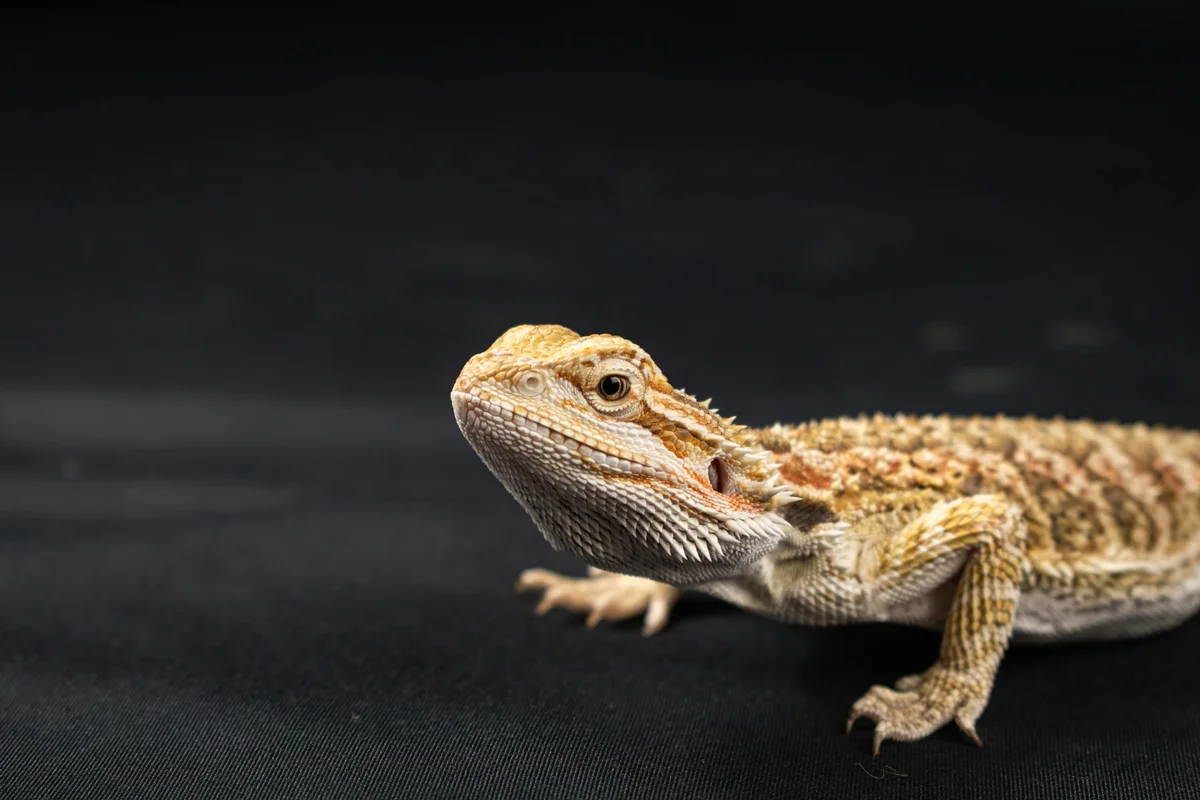
When my first bearded dragon, Puff, would settle in for the night, I used to watch him for ages. Learning their normal sleep positions is the first step to knowing when something is wrong. A sleeping beardie is a picture of pure reptile relaxation. Sometimes they go into brumation and can look lifeless, which can be mistaken for death. If you’re ever unsure, gently check for breathing or a response, and contact a vet if there’s no sign of life.
You’ll most often see them lying completely flat, with their belly pressed against the floor of their enclosure. This “pancake” pose is their default, deep-sleep position and means they feel secure and comfortable in their environment. Their limbs will be splayed out to the sides, completely relaxed.
Another common sight is them sleeping upright on their favorite basking branch or hammock. They’ll often tuck their head down, sometimes resting their chin on the decor. I’ve found Spike asleep like this countless times, looking like a little, scaly sentry who’s nodded off on duty.
Don’t be surprised if you notice their beard darkening to a black or dark gray color as they wind down for sleep. From my experience, this is perfectly normal and not a sign of stress in this context. It’s just part of their evening routine. A darkened beard at bedtime is typically just their way of settling in and should lighten again by morning.
Identifying Abnormal Sleep Behavior and Interruptions
Bearded dragons are creatures of habit, and major changes in their sleep patterns are a red flag. If your dragon is consistently active at night or struggles to settle down, it’s time to play detective. If you’re wondering why your bearded dragon is sleeping so much when worried, excess rest can signal stress, illness, or environmental issues. Check your lighting, temperature, and routine, and consult a vet if the sleepiness persists.
- Sleeping all day and active all night
- Frequent waking, startling, or seeming restless during the night
- Consistently trying to sleep in a corner, pressed against the glass
- Sleeping with their head held high off the ground, rather than relaxed
Any significant deviation from their established, healthy sleep routine warrants a closer look at their habitat and health. Trust your gut; you know your pet’s normal behavior better than anyone.
Common Causes of Sleep Disturbances
When Puff started having trouble sleeping, I went through this exact checklist. These are the usual suspects that can ruin your dragon’s beauty rest.
- Improper Lighting: This is the number one cause. Bearded dragons need a clear day/night cycle.
- Lights that are too bright at night, or any colored “night” bulbs, can disrupt their circadian rhythm.
- Lights left on for more than 12-14 hours a day confuse their internal clock.
- Temperature Problems:
- An enclosure that doesn’t cool down sufficiently at night will prevent restful sleep. Aim for a temperature drop.
- A tank that is too cold can cause lethargy that looks like excessive sleep.
- Enclosure Stressors:
- Loud noises or heavy vibrations near their tank, especially at night.
- High-traffic areas can make them feel exposed and unsafe.
- An enclosure that is too small or lacks proper hiding spots offers no sense of security.
- Underlying Health Issues:
- Parasites can cause general malaise and disrupt all normal behaviors, including sleep.
- Impaction or other digestive issues can cause discomfort that keeps them awake.
- Respiratory infections may make it difficult for them to breathe comfortably when lying down.
Fixing the sleep environment is almost always the first and most effective step you can take. I always start by ensuring the lights are on a strict timer and that the room is quiet and dark at night. If the problems persist after making these corrections, a vet visit is the best and kindest next step for your pet.
Practical Tips for Supporting Healthy Sleep

Getting your bearded dragon’s sleep schedule right makes a huge difference in their health and mood. I’ve found that a consistent, well-managed environment is the single biggest factor for good dragon sleep. If your dragon seems stressed, a calm, steady routine can help de-stress your pet. It’s a central idea in a calm, stress-reducing bearded dragon guide. Here is what has worked for my own scaled family.
Master the Day and Night Cycle
Bearded dragons thrive on predictability. Their internal clock depends on a steady rhythm of light and dark.
- Use Timers: Automate your habitat lights with simple outlet timers. I set mine for 12-14 hours of “daylight” and 12-10 hours of complete darkness. This happens like clockwork, every single day.
- No Night Lights: Avoid red, blue, or black “night” bulbs. These can disrupt their sleep cycle because dragons can see this light. Total darkness is what they need for truly restorative rest.
- Embrace Natural Light (Indirectly): Place the tank in a room with a natural day/night cycle, but never in direct sunlight, which can dangerously overheat the enclosure.
Create the Perfect Sleep Environment
Think of their tank as their bedroom. You want it to be a cozy, safe space for them to unwind.
- Provide Hideaways: Offer at least one snug hide on both the warm and cool side of the tank. My dragons often choose to sleep in their hides; it makes them feel secure.
- Monitor Nighttime Temperatures: A slight temperature drop at night is natural and beneficial. Aim for a habitat temperature between 65-75°F (18-24°C) overnight. If your home gets colder, use a ceramic heat emitter, which provides warmth without any light.
- Keep it Quiet: In the evening, try to reduce loud noises and vibrations near their enclosure. A calm household helps them settle down.
Establish a Pre-Sleep Routine
Just like us, dragons appreciate a little wind-down period.
- Last Call for Food: Offer their main meal at least two hours before the lights go out. This gives them time to bask and digest properly.
- Observe Their Behavior: You might notice your dragon getting sluggish and finding a comfortable spot as “lights out” approaches. This is a good sign your schedule is working!
Following these steps creates a stable foundation for your pet. When their sleep is prioritized, you’ll notice a more active, alert, and happier dragon during their waking hours. It’s one of the most caring things you can do for them.
Frequently Asked Questions
How many hours do bearded dragons sleep per day?
Bearded dragons typically sleep for 10-12 hours each night, as they are diurnal and rely on a consistent cycle of darkness for restful sleep. In babies and during brumation, sleep hours and patterns can differ, offering a look at how long they sleep across life stages and seasons.
Do bearded dragons experience sleep cycles like humans?
While reptiles have sleep stages, bearded dragons do not undergo REM sleep as humans do; their rest involves periods of deep sleep without the dreaming associated with mammals, which means they don’t dream even if they sleep with you.
Is it normal for bearded dragons to change their sleeping spots often?
Occasional changes are fine, but frequent shifts may indicate discomfort or stress, so check for issues like improper temperatures or lack of secure hides in their enclosure.
Final Thoughts
So, are bearded dragons nocturnal? Definitely not-these sun-worshipping reptiles are strictly diurnal, meaning they are active during the day and sleep at night. This is a core part of their biology, and respecting their natural rhythm is one of the most important things you can do for their health. In nighttime care, you’ll still need to manage heating, lighting, and temperature to keep them comfortable and healthy while they rest. A proper nighttime setup helps maintain digestion and overall well-being during the dark hours.
From my own experience, getting their light cycle right makes all the difference. Providing a consistent day/night schedule with proper lighting and a quiet, dark environment at night is the simple secret to a happy, healthy, and thriving bearded dragon.
Further Reading & Sources
- Zzz… Your Guide to Bearded Dragon Sleep – ABDRAGONS
- Are Bearded Dragons Nocturnal Or Diurnal? Their Sleep Behavior Explained – A-Z Animals
- Bearded Dragon Sleep & 5 Surprising Sleeping Habits
Bearded Dragon Lair is the ultimate resource for bearded dragon enthusiasts, offering expert advice and practical tips to ensure the health and happiness of your scaly companion. With years of experience in reptile care, we are dedicated to providing accurate, up-to-date information to support your bearded dragon journey.
Heating and Lighting