Where Are Bearded Dragons From? Uncovering Their Australian Origins and Evolution
Published on: August 19, 2026 | Last Updated: August 19, 2026
Written By: Beardie Joe
If you’ve ever gazed at your bearded dragon and questioned where its story began, you’ve come to the right place.
As a long-time owner of several beardies, I’ve made it my mission to learn everything about their natural world to advocate for their well-being in our homes.
We will explore their exclusive Australian homeland, trace their incredible evolutionary path, and connect their wild roots to their care in your terrarium.
The Australian Homeland of Bearded Dragons
All our beloved pet bearded dragons trace their lineage back to one place: Australia. They are endemic, meaning they are found nowhere else in the world naturally. Every Pogona you’ve ever seen in a terrarium has ancestors that roamed the vast, sun-baked landscapes of the Australian continent. This isolation is precisely what forged them into the hardy, charismatic reptiles we know today, especially considering their evolutionary history and closest relatives.
They don’t live in lush rainforests. You’ll find them in arid and semi-arid regions, across scrublands, dry forests, and rocky deserts. These harsh environments taught them to be masters of survival, thriving in places where many other creatures would perish. I’ve seen this toughness firsthand in my own dragons; that stubborn, sun-seeking attitude is a direct link to their ancestral home.
Being cut off from the rest of the world on their island continent allowed the Pogona genus to evolve in its own unique direction. Their iconic “beard” display, their omnivorous diet, and their remarkable ability to regulate their body temperature are all products of Australian evolution. They are a true Australian original.
Geographic Distribution Across Australia
Bearded dragons aren’t just in one part of Australia; they’re spread across the mainland. Are bearded dragons lizards or reptiles? They are lizards, a type of reptile. Their range covers a massive swath of the country’s interior and coastal fringes.
- Central Australia: The heartland for the most common pet species.
- Eastern Australia: From the coast inland to the ranges.
- Western Australia: Across the arid interior of the state.
Their preferred real estate is as varied as the country itself. Look for them in:
- Rocky outcrops and escarpments
- Open, arid deserts with spinifex grass
- Dry, open woodlands of Eucalyptus and Acacia
Different species have adapted to their specific postcodes. The Central Bearded Dragon is the classic, hardy desert dweller. The Eastern Bearded Dragon often prefers slightly more wooded, rocky areas. The Western Bearded Dragon, true to its name, has made the western deserts its home. Knowing which “neighborhood” your dragon’s ancestors came from gives you incredible insight into their natural behaviors and needs.
Central Bearded Dragon Range
If you have a pet bearded dragon, it’s most likely a Central Bearded Dragon. This is the species that has truly conquered the outback. Bearded dragons also come in many morphs and colors. This mix of appearances often raises common questions about genetics, care, and color variation.
Their kingdom is the arid and semi-arid zones of central Australia. This is a land of extremes: scorching hot days, surprisingly cold nights, and limited, unpredictable rainfall. The terrain is a mix of red dirt, sparse, hardy vegetation, and most importantly, vast rocky fields and low-lying outcrops.
Those rocks aren’t just scenery; they are central to their survival. The crevices provide crucial shelter from predators and the midday sun, while the flat, sun-warmed surfaces are perfect basking platforms. My dragons always seek out the highest point in their enclosure to perch, a direct instinct from a long line of ancestors claiming the best sunning rocks in the outback.
Eastern and Western Species Habitats
While the Central species gets most of the attention, the Eastern and Western dragons have their own fascinating stories written by their environments.
The Eastern Bearded Dragon often inhabits the drier, rocky woodlands of eastern Australia. Their world has a bit more cover and slightly higher humidity than the stark central deserts. You’ll find them blending perfectly into the bark of trees and rocky surfaces, a testament to their need for camouflage in a habitat with more varied structure and potential predators. This habitat-focused context also serves as a bridge to a bearded dragon species morph identification guide, where regional variations are cataloged and compared. Understanding these morphs helps hobbyists distinguish Eastern bearded dragons from closely related species.
Out west, the Western Bearded Dragon contends with a different set of rules. They are adapted to the unique flora and climate of Western Australia’s arid zones, which can include areas with distinctive shrublands and soil types. All these species show slight variations in size, scale texture, and even behavior, fine-tuned over millennia to their specific patch of Australia. It’s a powerful reminder of how environment shapes an animal.
Evolutionary History of Pogona Species
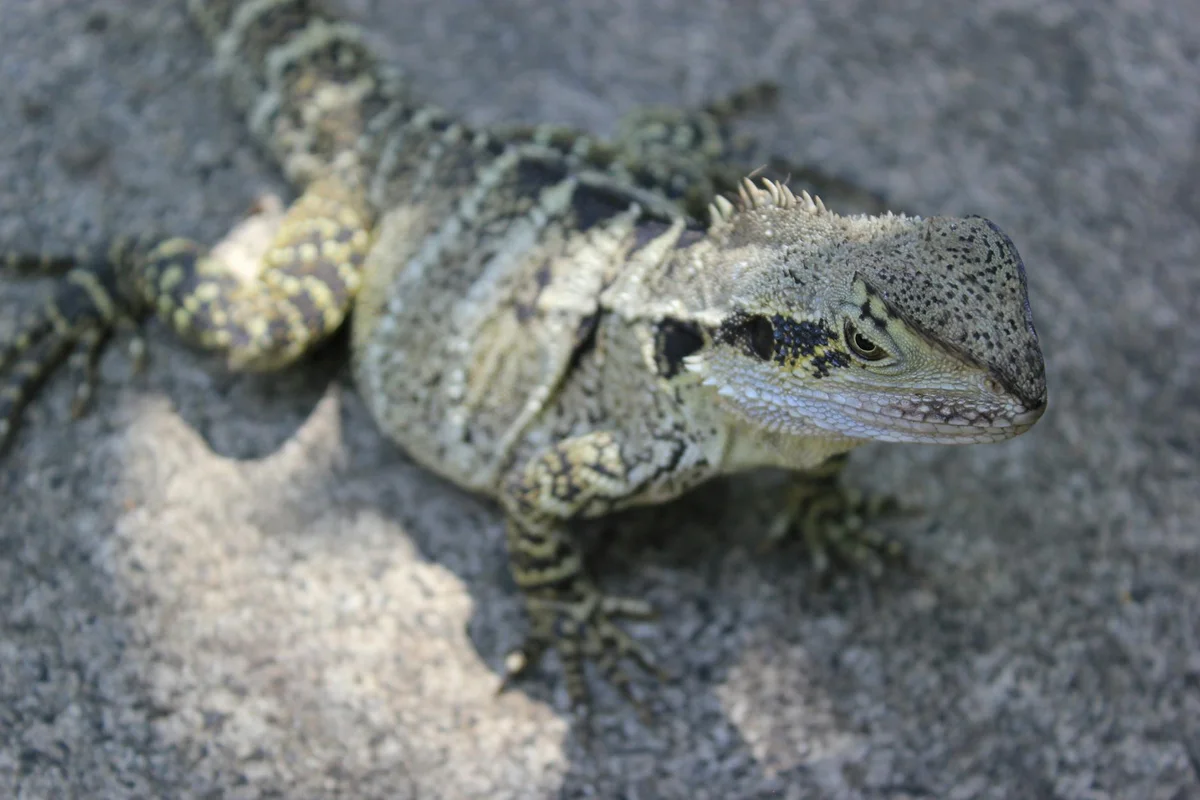
Bearded dragons, belonging to the genus Pogona, are part of the larger Agamidae family, and their family tree shows a deep connection to Australia’s unique reptile lineage. While the fossil record for Pogona is not extensive, we know these lizards have called Australia home for over 20 million years, slowly shaping into the eight distinct species we recognize today. This long history of isolation on the continent allowed them to develop specialized traits perfectly suited for a challenging environment. They are omnivores, preying on insects and small animals. When threatened, they puff out their beard, darken their colors, and may retreat to safety to defend themselves.
Two of their most successful evolutionary strategies are omnivory and ectothermy. Being omnivores meant they could feast on a wide array of food, from insects to flowers, which was a brilliant survival move in a land where resources can be scarce. I’ve watched my own dragons methodically pick through a salad one day and eagerly hunt crickets the next, a direct reflection of this adaptable wild diet.
Their ectothermic nature, relying on external heat to power their bodies, forced them to become masters of their environment. This need to bask and regulate their temperature drove the development of complex behaviors that we now see in our home terrariums every single day.
Timeline of Bearded Dragon Evolution
Let’s break down their evolutionary journey into some key moments. This simplified timeline highlights how they became the resilient lizards we love.
- Over 20 Million Years Ago: Ancestors of modern Pogona species begin their evolutionary path in Australia, diverging from other agamid lizards.
- Several Million Years Ago: Development of the iconic “beard” used for communication and threat displays, a key adaptation for establishing dominance and avoiding conflict.
- More Recent Evolution: Refinement of color-changing abilities for camouflage and thermoregulation, and the fine-tuning of their omnivorous diet to exploit various food sources.
These milestones equipped them to handle scorching heat, prolonged droughts, and savvy predators, making them one of Australia’s great reptile success stories.
Habitat Adaptations for Survival
Life in the Australian outback is tough, but bearded dragons are built for it. They face extreme heat, little water, and predators like birds of prey and larger reptiles. To cope with the relentless sun, they have become experts at thermoregulation, constantly moving between full sun and cool shade to keep their body temperature just right. You’ll see this exact behavior when your pet shifts from its basking spot to a cooler corner of the tank.
When a drought hits, they can slow their metabolism down and get most of their water from the food they eat. Their flattened bodies allow them to press closely to warm rocks for efficient heat absorption, and their spiky skin offers some protection from being a easy meal. I’ve always been amazed at how a creature that seems so relaxed is actually executing a precise survival strategy every moment of the day.
This suite of adaptations-from behavioral thermoregulation to a generalized diet-is the core reason why the Pogona genus has thrived across Australia’s diverse and harsh landscapes.
Applying Wild Insights to Bearded Dragon Pet Care
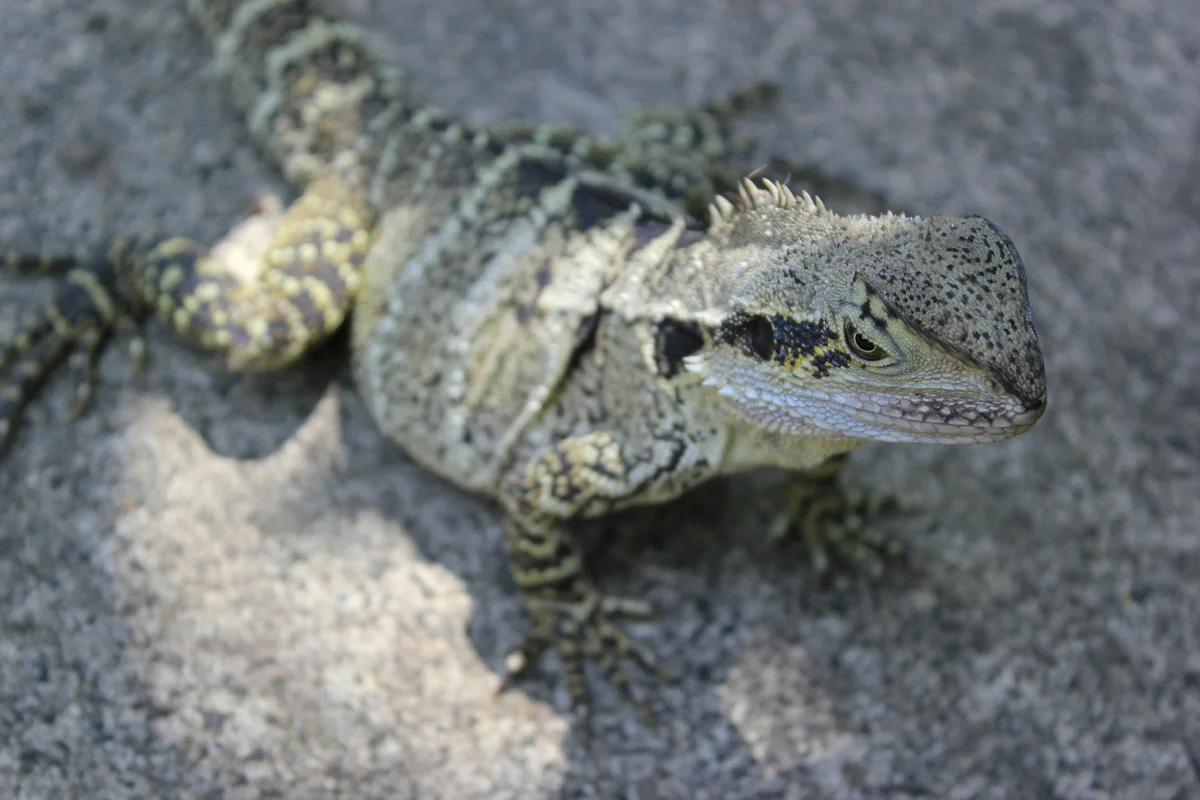
Understanding where they come from completely changes how we care for them in our homes. By mimicking key aspects of their natural world, we can create an environment where they don’t just survive, but truly flourish. It’s about working with their instincts, not against them.
Their wild omnivory tells us that a varied diet is non-negotiable for their health. In my own routine, I make sure to offer a rotating mix of live insects and fresh greens, which keeps my dragons engaged and nutritionally balanced, just like they would be in the bush. For bearded dragons, there’s a complete guide to safe foods that covers what to offer and what to avoid. It’s a simple step that makes a huge difference in their vitality and coloration.
Getting their habitat right is the most impactful thing you can do, and it all starts with observing what works for them in the wild. I’ve learned through trial and error that the closer I get to their native setup, the fewer health and behavior problems I encounter.
Enclosure Setup Inspired by Australian Wilds
Think of your dragon’s tank as a small slice of the Australian outback. You want to recreate the textures, temperatures, and hiding spots they instinctively seek.
- Basking Spot: Provide a sturdy rock or branch directly under a heat lamp that reaches about 95-110°F, creating a essential sun-soaked perch.
- Hiding Areas: Include at least one secure hide on the cooler side of the enclosure, giving them a safe place to retreat and feel secure, just like a rock crevice in the wild.
- Temperature Gradient: Ensure a clear temperature drop from the hot basking area to a cooler zone around 75-85°F, allowing them to thermoregulate effectively throughout the day.
For substrate, I personally avoid pure sand and prefer a mix of topsoil and play sand, which holds burrows better and is much closer to the packed, arid earth they evolved on. This setup reduces impaction risk and encourages natural digging behaviors.
Diet and Behavior from Natural History
Their evolutionary history as opportunistic eaters gives us the perfect blueprint for a healthy pet diet. A balanced diet for a bearded dragon should reflect the variety they’d find in nature: a foundation of leafy greens, a regular portion of appropriate insects, and the occasional fruit as a treat. In a complete feeding guide for pets, it’s helpful to compare this with what wild bearded dragons eat so you can replicate a similar balance at home. It also answers common questions like ‘do bearded dragons eat a variety of foods?’ and provides a practical feeding plan.
- Insects: Crickets, dubia roaches, and black soldier fly larvae are excellent staples that provide essential protein.
- Greens: Offer daily staples like collard greens, dandelion greens, and escarole.
- Occasional Fruits: Bits of berry or squash can be offered sparingly for enrichment and extra vitamins.
Knowing that they evolved with a natural wariness of predators from above helps you understand why sudden movements can startle them, so always approach from the side and move slowly. This evolutionary insight has helped me build trust with my dragons, leading to calmer handling sessions and a better understanding of their overall health cues.
Frequently Asked Questions
How does the bearded dragon’s Australian origin influence their need for UVB lighting?
In the wild, they bask under the intense Australian sun, which provides essential UVB rays for vitamin D3 synthesis. In captivity, using a UVB bulb replicates this natural exposure, supporting calcium absorption and preventing metabolic bone disease.
Why is it important to provide hiding spots in a bearded dragon’s enclosure?
Hiding spots mimic the rock crevices and burrows from their arid Australian habitat, offering security from perceived threats. This reduces stress and allows them to exhibit natural shelter-seeking behaviors, promoting overall well-being.
How can I encourage natural foraging behaviors in my pet bearded dragon?
As opportunistic omnivores from resource-scarce environments, they benefit from scattered food or interactive feeders. This stimulates their instinct to hunt and explore, supporting mental enrichment and physical health.
Final Thoughts
Bearded dragons are truly special reptiles, shaped entirely by the harsh, beautiful landscapes of Australia. Their entire biology, from their sun-worshipping nature to their resourceful eating habits, is a direct result of evolving in that unique environment. In the wild, bearded dragons live in arid and semi-arid regions across Australia. They are native to Australia and are not native to the United States. Knowing this makes their care in our homes so much more meaningful and clear.
From my own experience, the more you understand their wild origins, the better you can replicate the warmth, light, and habitat structure they instinctively crave. Appreciating their Australian roots is the first step to providing a long, healthy, and enriching life for your scaly companion.
Further Reading & Sources
- Bearded Dragons | Bush Heritage Australia
- Eastern bearded dragon – Wikipedia
- Central bearded dragon – Wikipedia
Bearded Dragon Lair is the ultimate resource for bearded dragon enthusiasts, offering expert advice and practical tips to ensure the health and happiness of your scaly companion. With years of experience in reptile care, we are dedicated to providing accurate, up-to-date information to support your bearded dragon journey.
Wild vs. Domesticated