
Are Bearded Dragons Lizards or Reptiles? (And What They’re Definitely Not!)
Published on: October 12, 2026 | Last Updated: October 12, 2026
Written By: Beardie Joe
If you’ve ever found yourself puzzled over whether your scaly friend is a lizard, a reptile, or something else, you’re not alone-this is one of the most common questions I hear from new owners.
With years of personal experience caring for multiple bearded dragons and a deep commitment to reptile welfare, I’m here to give you a straightforward, expert breakdown.
We’ll clarify their scientific classification, explain why they fit into both categories, and debunk some widespread myths to ensure you’re equipped with the right knowledge.
Reptile or Lizard? Clearing Up the Confusion
This is the question I see pop up all the time, and it’s a fantastic one. The simplest way to think about it is with a familiar concept: squares and rectangles. All squares are rectangles, but not all rectangles are squares. In the exact same way, all lizards are reptiles, but not all reptiles are lizards.
Reptile is the big, overarching category. Lizards are a specific family within that category. This table breaks it down visually.
| Trait | All Reptiles | All Lizards |
|---|---|---|
| Body Covering | Scales | Scales |
| Breathing | Lungs | Lungs |
| Body Temperature | Ectothermic (Cold-blooded) | Ectothermic (Cold-blooded) |
| Reproduction | Mostly Egg-laying | Mostly Egg-laying |
| Defining Features | Broad Category | Four legs, movable eyelids, external ear openings |
Bearded Dragons as Reptiles: The Big Picture
Your bearded dragon is a card-carrying member of Class Reptilia. This membership comes with a specific set of needs that are totally different from a dog or cat. Their entire lifestyle is governed by being ectothermic, or what we commonly call “cold-blooded.” They can’t generate their own body heat internally. To meet their cold-blooded temperature regulation needs, they rely on external heat sources. Basking under a heat lamp and retreating to cooler areas help them maintain ideal body temperatures.
I’ve watched my own dragons first thing in the morning. They are slow, almost sluggish, until they’ve had time to sit under their heat lamp. This isn’t laziness; it’s reptile biology in action. Their core reptile traits include:
- Requiring external heat sources like lamps and sun to regulate their body temperature.
- Breathing air exclusively with lungs-they can’t breathe underwater.
- Having scaly, dry skin that helps prevent water loss, perfect for their Australian desert origins.
- Laying eggs to reproduce.
Bearded Dragons as Lizards: The Specifics
Now, let’s zoom in. Within the reptile world, your beardie belongs to the squamate order and the Agamidae family. This is the lizard group. Their scientific name, Pogona vitticeps, places them firmly in the lizard family tree.
You can see their lizard heritage in their physical build. Just look at them!
- They have four well-developed legs for climbing, digging, and that adorable “glass surfing.”
- They possess movable eyelids, so you can watch them blink and sleep with their eyes closed.
- They have a distinct, long tail that they use for balance and communication.
- They have visible external ear openings on the sides of their head.
What Bearded Dragons Are Definitely Not: Debunking Myths
Let’s clear the air on a few common mix-ups. Knowing what they aren’t is just as important as knowing what they are for providing proper care.
- They are not mammals.
- They are not amphibians.
- And they are definitely not snakes.
Not Mammals: No Fur, No Milk
While they can be incredibly affectionate, a bearded dragon is nothing like a hamster or a rabbit. They are covered in scales, not fur or hair, and they would never produce milk for their young. A female beardie will lay a clutch of leathery eggs in a burrow and then leave them. She does not nurse or raise her babies like a mammal would. Their entire reproductive and physical blueprint is fundamentally reptilian. Bearded dragons can rarely reproduce via parthenogenesis, an asexual form of reproduction. This is uncommon, but it highlights that reptile reproduction isn’t always strictly sexual.
Not Amphibians: No Dual Life
This is a crucial distinction for habitat setup. You will never find a tadpole stage in a bearded dragon’s life. They are 100% terrestrial from the moment they hatch from their egg. Unlike frogs or salamanders, they do not have moist, permeable skin and they do not need an aquatic environment to develop. Placing a beardie in a constantly wet or humid environment can actually cause serious skin infections. They are desert creatures through and through. For a safe bearded dragon guide on plants, woods, and substrates, you’ll find recommendations for safe options. Choose dry, inert substrates and non-toxic, pesticide-free plants and woods to prevent skin issues and keep beardies thriving.
Not Snakes: Legs and Eyelids Present
It might seem silly, but I’ve been asked this! Snakes are also reptiles, but they are legless lizards that have lost their eyelids over millions of years. Your bearded dragon has four fully functional legs and loves to use them for climbing and exploring. They also blink with those movable eyelids, which a snake simply cannot do. And while we call them “dragon lizards,” this is just a fun nickname based on their appearance; they are very real, very earthly creatures.
How Reptile Biology Drives Bearded Dragon Care
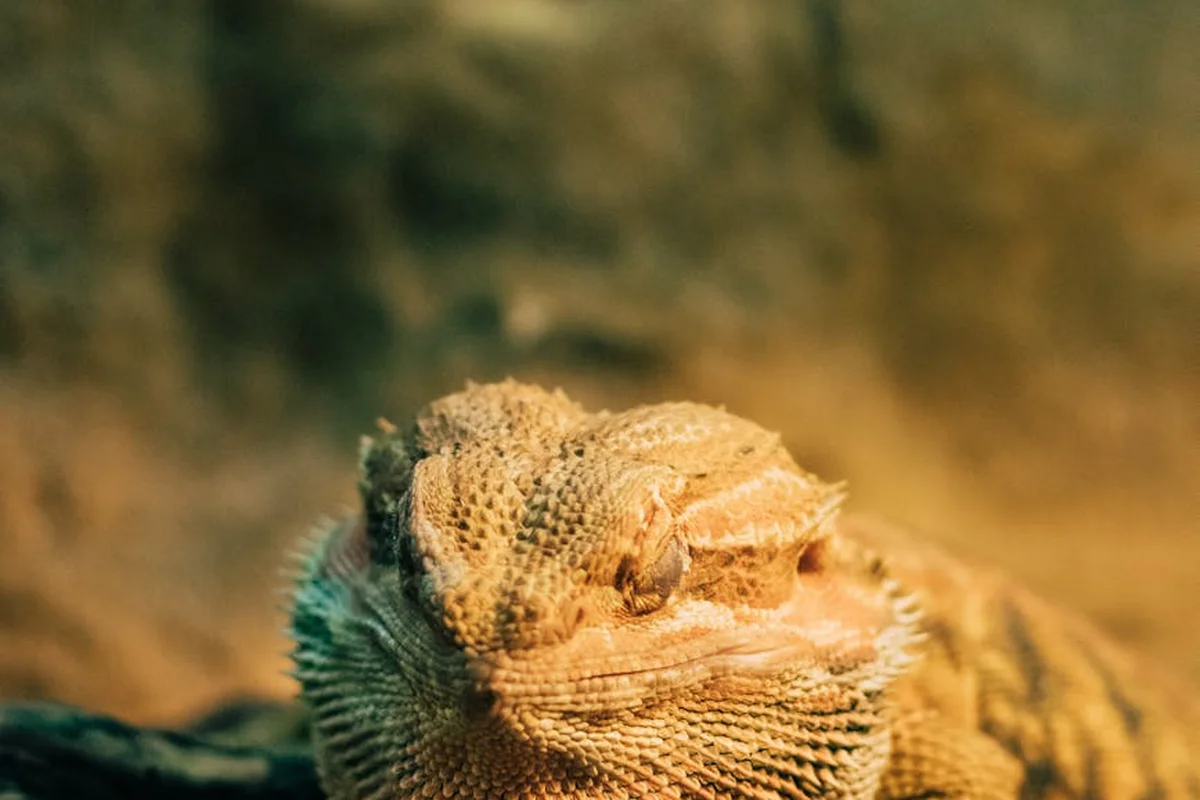
Because bearded dragons are reptiles, their entire care routine is shaped by ancient biological needs that differ from mammals or birds. Their ectothermic nature means they rely on external heat sources to regulate body temperature, digest food, and stay active. I’ve seen firsthand how ignoring this leads to lethargic, unhealthy dragons. Let’s break down the key areas where their reptile and lizard traits dictate your daily care. To help them truly thrive, a Thrive Complete Care Checklist keeps you aligned with heat, UVB, diet, and enclosure needs. It ensures you consistently address all the essentials for long-term reptile health.
Setting Up the Perfect Reptile Habitat
Creating a home that mimics their native Australian deserts is your first step to a happy beardie. A proper terrarium isn’t just a box-it’s a controlled ecosystem that supports their natural behaviors. From my own setup trials, here’s what works best:
- Tank Size: Start with a 20-gallon for babies, but adults need at least a 40-gallon breeder tank. More space reduces stress and encourages exercise.
- Substrate: Skip loose sand-it can cause impaction. I use reptile carpet or slate tiles for easy cleaning and safety.
- Hiding Spots: Provide at least two hides (one on the warm side, one on the cool side) so they can retreat and feel secure.
- Thermal Gradient: This is non-negotiable for desert reptiles. You must create a temperature range from a hot basking area to a cooler zone, allowing them to self-regulate.
Heat and Light: Basking Lizard Essentials
As lizards, bearded dragons are sun-worshippers by design. Without the right heat and UVB lighting, they can’t metabolize calcium, leading to metabolic bone disease—a common and painful condition. I check my setup daily to prevent this. Here’s your must-have list: Following a complete feeding guide helps ensure they eat safe foods in the right amounts. This quick reference covers safe foods for bearded dragons and how to balance their diet.
- Basking Spot Temperature: Maintain 95-110°F (35-43°C) directly under the heat lamp. Use a digital thermometer for accuracy.
- UVB Lighting: A linear UVB tube (not a coil bulb) should cover 2/3 of the tank and run 10-12 hours daily. Replace it every 6 months-it loses strength even if it still lights up.
- Cool Zone: Keep the opposite end at 75-85°F (24-29°C) for when they need to cool down.
Feeding Your Omnivorous Reptile
Bearded dragons are opportunistic omnivores, meaning they eat both plants and prey in the wild. Whether kept as pets or observed in the wild, bearded dragons thrive on a complete and varied diet. This is why a clear feeding plan matters for both captive and wild populations. A balanced diet prevents obesity and nutrient deficiencies, which I’ve corrected in rescues by adjusting their meals. Here’s a simple guide to keep them thriving:
- Staple Insects: Gut-loaded crickets, dubia roaches, or black soldier fly larvae. Offer live prey for stimulation.
- Veggies and Greens: Daily staples like collard greens, dandelion greens, and butternut squash. Avoid iceberg lettuce-it’s mostly water with little nutrition.
- Supplements: Dust insects with calcium powder (with D3) 4-5 times a week and a multivitamin once a week. This supports bone health and immune function.
- Feeding Schedule: Juveniles need 80% insects and 20% veggies; adults shift to 20% insects and 80% veggies to match their slower metabolism.
Essential Tips for Your Pet Bearded Dragon
Daily interaction and observation are where you bond with your dragon and catch issues early. Consistency in care builds trust and keeps them healthy for years. I’ve learned that small, daily habits make a huge difference. Here are practical tips to integrate into your routine.
Handling Your Bearded Dragon Safely
Their generally docile nature makes them great for beginners, but proper handling reduces stress. Always approach from the side and support their entire body to make them feel secure. I’ve tamed shy beardies by following these steps:
- Wash your hands first to remove scents that might startle them.
- Move slowly and let them see your hand before picking them up.
- Scoop from below, cradling their chest and legs with your palm.
- Keep handling sessions short (5-10 minutes) initially, and always supervise children.
Monitoring Health in Your Scaly Friend
Reptiles hide illness well, so keen observation is vital. Regular checks help you spot red flags before they become emergencies. From my experience, here’s what to look for:
- Signs of Good Health: Clear, bright eyes; active and alert behavior; consistent eating and drinking; smooth, complete sheds.
- Red Flags: Lethargy, sunken eyes, weight loss, runny stools, or stuck shed on toes or tail. These can signal dehydration, infection, or poor husbandry.
- Hydration Tips: Mist them lightly or offer a shallow water bowl. Some dragons drink from droplets on leaves-mine loves this!
- Shedding Support: Ensure humidity stays around 30-40% and provide rough surfaces like rocks to help them rub off old skin.
Frequently Asked Questions
What is the typical lifespan of a bearded dragon?
With proper care, a bearded dragon typically lives between 8 to 12 years. Their lifespan is directly influenced by the quality of their habitat, diet, and overall husbandry. In captivity, bearded dragon lifespan in captivity can be maximized with proper heat, UVB, diet, and enrichment. In the wild, predators and harsher conditions often shorten their lifespan.
How often should I handle my bearded dragon?
You can handle your bearded dragon daily for short periods once it is settled and comfortable. Regular, gentle handling helps build a bond, but always watch for signs of stress and give them plenty of time to rest in their enclosure. Make sure you hold your bearded dragon properly to ensure their safety and comfort.
Can bearded dragons eat fruit?
Yes, bearded dragons can eat certain fruits as an occasional treat, but they should not be a staple of their diet. Offer small amounts of fruits like berries or mango sparingly, as too much sugar can lead to health issues. For a complete safe feeding guide on what fruits bearded dragons can eat, see our full guide. It covers safe fruit choices, portion sizes, and feeding frequency.
Final Thoughts
So, to put it plainly, a bearded dragon is absolutely a lizard, which firmly places it in the grand and diverse class of reptiles. Many people wonder whether bearded dragons are related to dinosaurs. Dinosaurs are more closely related to birds, their living descendants, than to bearded dragons. They are a wonderful blend of both, offering the specific charm of a lizard within the broader biological family of reptiles.
From my own experience, knowing this isn’t just trivia-it’s the key to understanding their core needs for heat, specific lighting, and a habitat that mimics their arid origins. This knowledge directly shapes how we create a thriving home for them, steering us away from the common misconception that they are anything like amphibians. Understanding their true nature is the first step in becoming a fantastic, informed caretaker for our scaly friends.
Further Reading & Sources
Bearded Dragon Lair is the ultimate resource for bearded dragon enthusiasts, offering expert advice and practical tips to ensure the health and happiness of your scaly companion. With years of experience in reptile care, we are dedicated to providing accurate, up-to-date information to support your bearded dragon journey.
Wild vs. Domesticated