
Bearded Dragon Allergies: Can You Be Allergic to Your Pet?
Published on: December 30, 2025 | Last Updated: December 30, 2025
Written By: Beardie Joe
If you’ve noticed sneezing, itchy eyes, or a rash after handling your bearded dragon, you might be asking if your pet is the cause.
As a longtime owner of multiple bearded dragons with formal reptile care training, I’ve helped many owners navigate this exact concern while prioritizing their pet’s health.
We’ll look at the common signs of an allergic reaction, identify potential triggers in your dragon’s habitat, and share simple steps to reduce symptoms and keep your scaly friend happy.
Understanding Bearded Dragon Allergies
A pet allergy is simply your immune system overreacting to harmless proteins. With furry pets, it’s usually dander or saliva. With reptiles like bearded dragons, the triggers are different but the body’s over-the-top response is the same.
You are far less likely to be allergic to a bearded dragon than to a cat or dog. Their lack of fur and dander makes them a fantastic option for many people who can’t tolerate traditional pets. The allergy risk isn’t zero, but it is significantly lower. Wondering how they can safely coexist with a cat? Our complete guide on bearded dragons and cats walks you through safe introductions and daily coexistence.
I have a friend who adored my dragons but would always get an itchy rash on her arms after holding them. We figured out it wasn’t the dragon itself, but the residual proteins from their salad or bugs left on their skin that she was reacting to. A simple hand-wash for both her and the dragon before handling (https://beardeddragonlair.com/how-do-you-wash-a-bearded-dragon-and-what-should-you-use) solved the problem completely.
Common Symptoms of a Bearded Dragon Allergy
If you are sensitive, your body will let you know. Watch for these signs after handling your pet or cleaning their enclosure.
- Sneezing fits or a runny nose
- Itchy, red, or watery eyes
- Nasal congestion or a feeling of pressure in your sinuses
- A persistent dry cough or wheezing
- An itchy red rash (contact dermatitis) where the dragon’s skin touched yours
It’s vital to distinguish an allergy from a simple irritation. Fine sand substrate dust can make anyone cough. An allergic reaction is a systemic response that persists even after the irritant is gone.
Pay close attention to when your symptoms flare up. You will likely notice the strongest reaction during intensive contact, like deep cage cleaning or extended handling sessions. This is when you stir up the most dried saliva and shed skin particles.
What Causes Allergic Reactions to Bearded Dragons?
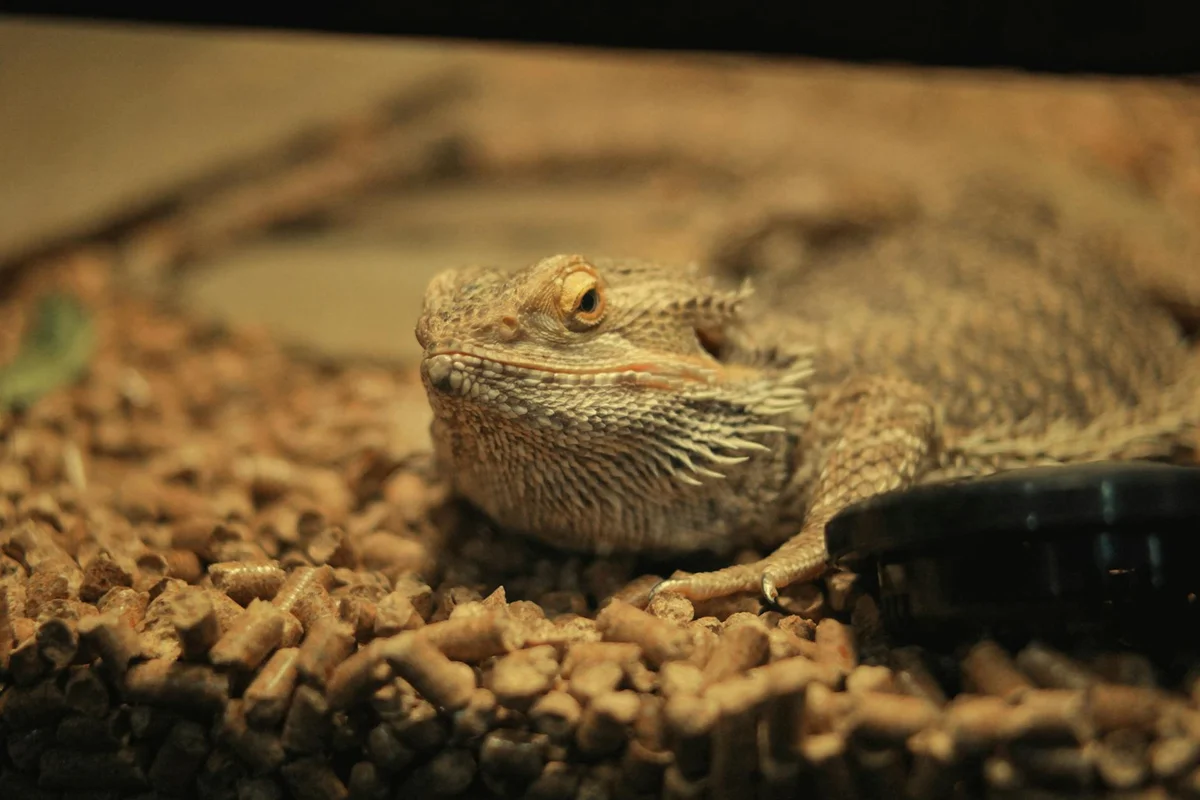
After years of caring for my own dragons, I’ve learned that the allergens aren’t usually coming from the animal itself in the way you might think. The main triggers are often proteins found in their scale dust, dander, saliva, and surprisingly, their dried urine and feces. When these particles become airborne, they can cause a reaction in sensitive individuals.
- Primary Allergens: Think of it like this: your dragon is constantly growing and shedding. This process releases tiny skin cells (dander) and scales into the air. Their saliva, though not produced in large amounts, contains proteins. The real sneeze-inducers, in my experience, are the dried waste products. When urine and feces dry out in the tank, they can easily become a fine, inhalable powder.
- Bedding or Substrate: This is a huge factor many new owners overlook. Loose substrates like sand, soil, or wood chips can trap and then release all these allergens every time your dragon moves around. Dust from the substrate itself can also be a major irritant, compounding the problem. I switched to a solid substrate like tile years ago, and it made a noticeable difference in the air quality around the tank.
- The Immune Response: Your body mistakes these harmless proteins for dangerous invaders. It launches an attack, releasing histamine, which causes all the classic allergy symptoms. Some people react more because their immune systems are simply more sensitive or primed to overreact. Genetics play a role, and sometimes, exposure to other allergens can make you more susceptible to reacting to your pet.
How to Confirm a Bearded Dragon Allergy
Before you start worrying about rehoming your scaly friend, it’s vital to get a proper confirmation. I went through this process myself, and it brought me a lot of peace of mind.
- Allergy Testing: An allergist can perform a skin prick test, where a tiny amount of purified allergen is placed on your skin to see if you react. A blood test (like a specific IgE test) is another option that measures your immune system’s response to bearded dragon proteins. This is the only way to know for sure if your dragon is the culprit.
- Keep a Symptom Journal: For two weeks, I diligently wrote down what I was doing, when my symptoms appeared, and how severe they were. Note the timing: Do your eyes itch only after you handle your dragon? Does the sneezing start when you’re cleaning the tank? This journal becomes invaluable evidence for your doctor.
- Consult a Doctor: If your symptoms are persistent, uncomfortable, or involve breathing difficulties, please see a doctor or a specialist. Self-diagnosing can lead to unnecessary stress. A professional diagnosis ensures you’re treating the right problem and can safely keep your pet.
Managing Allergies While Keeping Your Bearded Dragon

Getting a diagnosis doesn’t mean you have to say goodbye. With some simple management strategies, you and your dragon can live together happily. I’ve used all of these methods myself. If your bearded dragon shows signs of illness or distress, this emergency care guide walks you through immediate steps and when to seek urgent veterinary help. When in doubt, contact a reptile veterinarian right away.
- Practical Avoidance Tips:
- Wear a simple disposable mask and gloves during tank cleaning and handling.
- Invest in a good HEPA air purifier and place it near the enclosure.
- Always wash your hands thoroughly with soap and water after any contact.
- Consider wearing a long-sleeved shirt when holding your dragon to minimize skin contact with dander.
These small habits form a powerful defense against allergy triggers.
- Medical Treatments: Over-the-counter antihistamines can be very effective for mild symptoms. Nasal corticosteroid sprays help reduce inflammation over time. For more severe cases, your allergist might recommend immunotherapy (allergy shots) to gradually desensitize your immune system. Always talk to your doctor before starting any new medication.
- Step-by-Step Guide to Reducing Habitat Allergens:
- Swap the Substrate: Replace loose, dusty bedding with non-porous tile, paper towel, or a reptile carpet. This is the single most effective change you can make.
- Clean Frequently: Spot-clean waste daily before it has a chance to dry out and become airborne. Do a deep clean of the entire tank with a reptile-safe disinfectant every week.
- Control the Air: Run a HEPA air purifier 24/7 to capture floating dander and dust particles.
- Designate a “Dragon Zone”: Keep the habitat in a well-ventilated room that isn’t your bedroom, if possible.
- Groom with Care: When your dragon sheds, you can give them a warm bath to help loosen the skin. Do this in a contained area and clean the tub thoroughly afterward.
A clean and well-managed habitat is the foundation of allergy control.
Making the Decision: Keeping or Rehoming Your Pet
Facing allergies to your bearded dragon can feel like a heartbreaking crossroads. I’ve been there, watching my own skin react after handling one of my dragons, and it forced me to make some tough choices. Your first step is to honestly assess how your body reacts and how deep your bond with your pet truly is. This isn’t a decision to rush. If you’re new to bearded dragons, a Bearded Dragon: Complete Beginners Guide can help you start with safe handling, housing, and feeding. It also covers allergy-aware practices so you can care for your pet without compromising your health.
Weighing the pros and cons is a very personal process. Grab a piece of paper and make two columns. On one side, list the joys your dragon brings you. On the other, write down the physical symptoms you experience. Seeing it visually can bring so much clarity. As you weigh things, consider healthy vs sick signs in bearded dragons. Healthy traits include steady appetite and active, bright-eyed behavior; signs of illness may be lethargy, poor appetite, or unusual posturing.
- Pros for Keeping: Deep emotional connection, the joy of daily interaction, the commitment you made.
- Cons for Keeping: Persistent allergy symptoms like sneezing or itchy skin, potential for worsened health over time, the constant need for management.
As a reptile advocate, I always come back to the dragon’s welfare. These creatures rely on us completely for their quality of life. Choosing to keep a pet you’re allergic to means committing to a lifestyle of meticulous management to ensure both of you thrive. If your allergies are severe and impact your ability to provide consistent, stress-free care, the most responsible and loving choice might be to find them a new home.
If rehoming becomes the kindest path, please do it with immense care. I helped rehome a dragon for a friend once, and the process requires patience and diligence. You are their guardian, and their future is in your hands. A bearded dragon adoption and rehoming guide can help you decide whether to adopt, surrender to a rescue, or sell to a reputable program that will rehome. It walks you through the right questions and steps to safeguard their welfare.
- Reach out to trusted local reptile rescues or herpetological societies.
- Vet potential new owners thoroughly; ask about their experience and enclosure setup.
- Consider a trial period to ensure it’s a good fit for both the dragon and the new family.
Long-Term Strategies for Living with Bearded Dragon Allergies
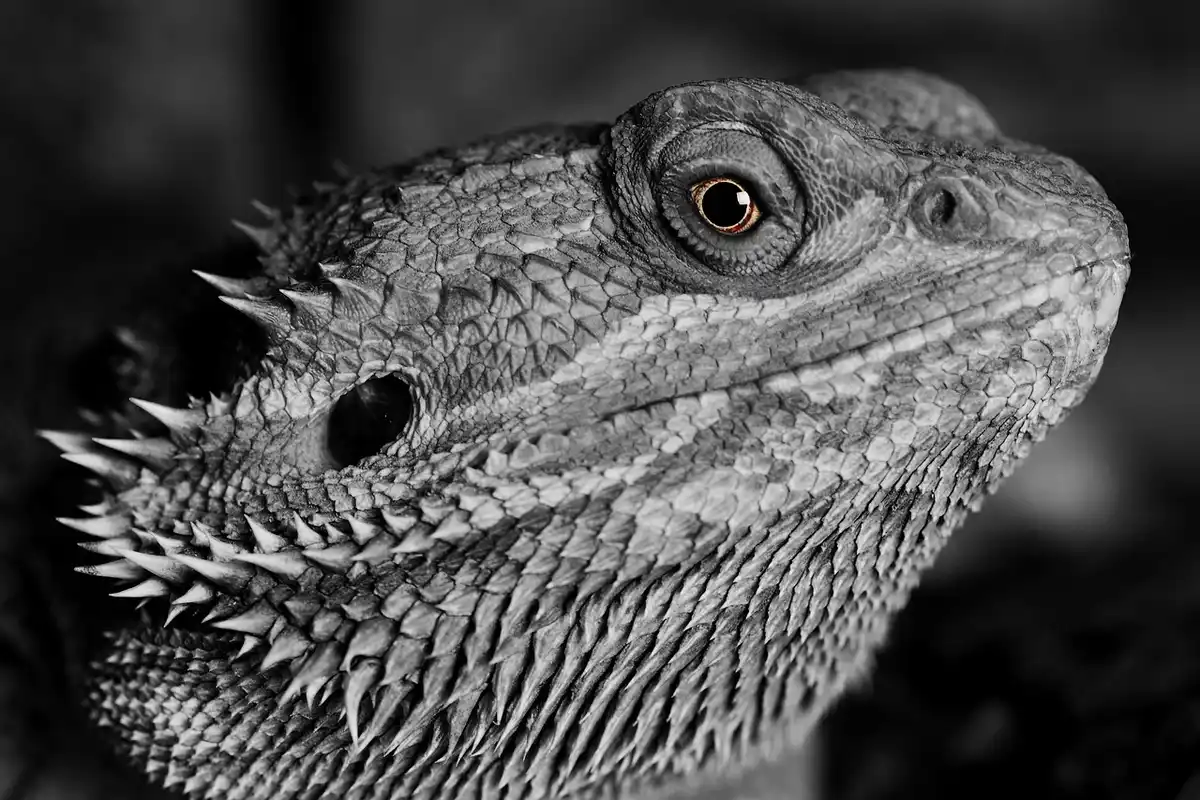
If you decide to move forward together, a proactive routine becomes your best friend. I’ve managed mild allergies for years with my crew, and consistency is everything. Establishing a strict cleaning schedule dramatically cuts down on the dander and dust that trigger reactions. Your nose and skin will thank you.
Your cleaning ritual should be thorough but efficient. I do a full deep clean of my enclosures once a week, and it makes a world of difference.
- Remove your dragon to a safe, temporary space first.
- Take out all decor and dishes, and scrub them with a reptile-safe disinfectant.
- Vacuum the enclosure thoroughly with a HEPA filter vacuum to capture fine particles.
- Wipe down all surfaces before adding fresh substrate and clean items back in.
What you put on the bottom of the tank matters more than you might think. Loose, dusty substrates are a major allergen culprit. Switching to a solid or low-dust substrate can reduce airborne irritants and make your environment much more comfortable. The feel of a clean, safe floor is better for your dragon, too. To keep it that way, set up a regular tank-cleaning schedule. Our bearded dragon tank cleaning guide covers safe methods and practical solutions for maintenance.
- Tile or Slate: My personal favorite. It’s easy to wipe clean, files down nails, and produces zero dust.
- Reptile Carpet: A good option, but you must have multiple pieces to swap out for frequent washing.
- Paper Towel or Butcher Paper: Cheap, simple, and completely dust-free for easy daily spot-cleaning.
Living with allergies is an ongoing dance. Beyond the enclosure, simple habits can keep symptoms at bay. Wash your hands immediately after handling your dragon or anything in its habitat, and consider changing your shirt if you’ve had a long cuddle session. An air purifier with a HEPA filter in the room can work wonders for the overall air quality.
Listen to your body. If your symptoms persist or worsen despite these efforts, it’s a sign to seek more help. Consulting an allergist can provide targeted strategies, and your primary care doctor can help you manage symptoms with appropriate medications. If you’re caring for a bearded dragon, watch for the 12 critical health signs that should never be ignored. If you notice any of them, consult a reptile veterinarian. Your health and your dragon’s well-being are the ultimate priorities.
Frequently Asked Questions
Can you be allergic to bearded dragons?
Yes, it is possible to be allergic to bearded dragons, though it is less common than with furry pets. Allergies are typically triggered by proteins in their dander, saliva, or dried waste rather than fur. Bearded dragons can get sick from human pathogens, and people can contract illnesses from their reptiles if hygiene is poor.
What are the common symptoms of a bearded dragon allergy?
Symptoms often include sneezing, itchy or watery eyes, a runny nose, and skin rashes that appear after handling your pet or cleaning their enclosure. These are signs of your immune system reacting to allergens.
How can you reduce allergic reactions to your bearded dragon?
To minimize reactions, wear gloves and a mask during habitat cleaning, use a HEPA air purifier, and switch to low-dust substrates like tile. Regular handwashing and maintaining a clean enclosure also help control allergen exposure.
Final Thoughts
While a direct allergy to a bearded dragon’s skin is quite rare, the real culprits are often the particles in their environment. You’re far more likely to react to their food, substrate, or even the dried proteins in their saliva than to the dragon itself. I’ve found that meticulous habitat cleaning and smart choices with handling and bedding make all the difference for my sensitive-skinned friends. Bearded dragons themselves aren’t inherently smelly, but a dirty enclosure can quickly produce odors. Regular tank cleaning, fresh substrate, and good airflow help keep odors down and the space comfortable.
Don’t let the fear of a potential reaction stop you from the joy of owning one of these incredible pets. With a bit of detective work and some simple changes to your routine, you and your scaly companion can enjoy a happy, healthy life together. If symptoms are severe, always prioritize your health and consult a doctor.
Further Reading & Sources
- I am Allergic to my bearded dragon. Does anyone have any idea why? Every time I hold my baby I breakout into hives. : r/BeardedDragons
- Caution: Reptile pets shuttle grasshopper allergy and asthma into homes – PMC
- Allergy to bearded dragon? | Bearded Dragon Forum
Bearded Dragon Lair is the ultimate resource for bearded dragon enthusiasts, offering expert advice and practical tips to ensure the health and happiness of your scaly companion. With years of experience in reptile care, we are dedicated to providing accurate, up-to-date information to support your bearded dragon journey.
Common Diseases