Is My Bearded Dragon Sick? 12 Critical Health Symptoms You Should Never Ignore
Published on: February 14, 2026 | Last Updated: February 14, 2026
Written By: Beardie Joe
That sinking feeling when your bearded dragon isn’t acting like itself is something every owner dreads.
With years of personal experience caring for my own dragons, I’m here to help you decode their behavior with straightforward, compassionate advice.
We’ll explore the 12 most critical health symptoms that demand your immediate attention to ensure your scaly friend stays happy and healthy.
Understanding Normal vs. Sick Beardie Behavior
Knowing your dragon’s normal routine is your single most powerful tool. You are the first line of defense because you see them every single day. I learned this with my first beardie, Pancake; his morning basking ritual was as reliable as my alarm clock. A healthy bearded dragon is alert, has clear, bright eyes, and shows curiosity about its surroundings, especially around feeding time. If you want a clear, step-by-step way to tell if your bearded dragon is healthy, follow a complete health check guide. It walks you through daily observations, body condition, and signs that warrant a vet visit.
A sick dragon acts differently. The shift from a curious, food-motivated pet to a listless, disinterested one is often the first red flag. It’s not just about one odd moment, but a consistent change in their baseline behavior that tells you something is wrong.
The 12 Critical Health Symptoms You Must Never Ignore
Lethargy and Abnormal Weakness
All bearded dragons have lazy afternoons, but a profound lethargy is alarming. If your dragon isn’t moving from its spot for an entire day, seems too weak to lift its body, or doesn’t react when you approach, it’s a major signal of distress. It’s different from just being less active – it’s a sign that something might be wrong. Bearded dragons should be active and responsive, so this kind of lethargy warrants immediate attention. I once mistook this for brumation, but true weakness feels different-it’s a lack of strength, not just sleepiness.
Complete Loss of Appetite
A skipped meal is no big deal, but a complete shutdown is. An adult dragon refusing all food for more than three days, or a baby/juvenile for more than one day, needs immediate attention. Their fast metabolisms can’t handle long periods without nutrients. In babies, brumation can lead to longer fasting periods, so monitor eating habits during these times. If a baby stays without food beyond a day, seek veterinary guidance.
Signs of Serious Dehydration
Check for these simple signs:
- Loose, wrinkly skin that doesn’t snap back quickly when gently pinched.
- Sunken eyes that look dull.
- Thick, chalky, or hard yellow-orange urates (the white part of their poop).
Dehydration can escalate into kidney failure and other organ issues frighteningly fast.
Respiratory Distress: Wheezing and Sneezing
Bearded dragons should not make audible breathing sounds. If you hear clicking, wheezing, or see mucus bubbles around their nostrils, they likely have a respiratory infection. These infections are painful and can be fatal without prescription antibiotics from a vet. A vet visit can also screen for other common issues like dehydration, mouth rot, or metabolic bone disease to ensure your dragon’s overall health.
Swelling and Unusual Lumps
Gently feel your dragon’s body during handling. Any hard or soft swellings on the jaw, limbs, or body are not normal and can indicate anything from metabolic bone disease to tumors or abscesses. A swollen jaw, in particular, is a classic sign of advanced MBD.
Abnormal Feces and Urates
Their poop tells a story. Be concerned if you see:
- Watery, runny diarrhea for more than two bowel movements.
- Blood in the stool.
- Undigested food in the feces.
- Urates that are red, extremely hard, or gritty.
Persistent abnormal droppings are a direct window into their digestive and organ health.
Prolapse or Tissue Protrusion
This is a dire emergency. If you see any pink, red, or swollen tissue coming out of your dragon’s vent (cloaca), do not attempt to push it back in. This is exactly the kind of scenario covered by a bearded dragon emergency care guide. It emphasizes seeking immediate veterinary attention. Keep the tissue moist with a sugar-water solution and get to an emergency reptile vet immediately.
Eye Issues and Infections
Their eyes should be clear and open wide. Swollen, constantly closed, or crusty eyes are a sign of infection or injury. One of my rescues came to me with a persistent eye issue that turned out to be a vitamin A deficiency, which is easily fixed with proper vet care.
Regurgitation and Vomiting
This is different from not eating. If your dragon brings up food, it means their body is actively rejecting it, which points to a serious problem like an impaction, parasite overload, or internal infection. Vomiting is extremely stressful for them and requires a vet visit. This is exactly why vomiting causes concern and calls for a vet evaluation to identify and treat the underlying issue promptly.
Skin and Shedding Problems
Stuck shed is more than just a cosmetic issue. If patches of old skin, especially on the toes, tail tip, or spikes, don’t come off after the rest of the body has shed, it can constrict blood flow and lead to necrosis (tissue death). Dysecdysis, or difficult shedding, often stems from poor humidity or underlying health problems.
Tremors, Shaking, or Seizures
Any involuntary muscle movement is a critical sign. Shaking limbs, twitching, or full-body tremors are often linked to severe calcium deficiency (Metabolic Bone Disease), toxin exposure, or neurological disorders. This is one of the most urgent symptoms on this list.
Severe Balance Issues (Ataxia)
A wobbly, uncoordinated dragon who can’t walk straight, tips over, or struggles to hold its head up is exhibiting ataxia. This lack of coordination is a serious neurological symptom that can be caused by MBD, head injury, or parasites affecting the nervous system. It is profoundly disabling for the animal.
Common Bearded Dragon Illnesses Behind the Symptoms
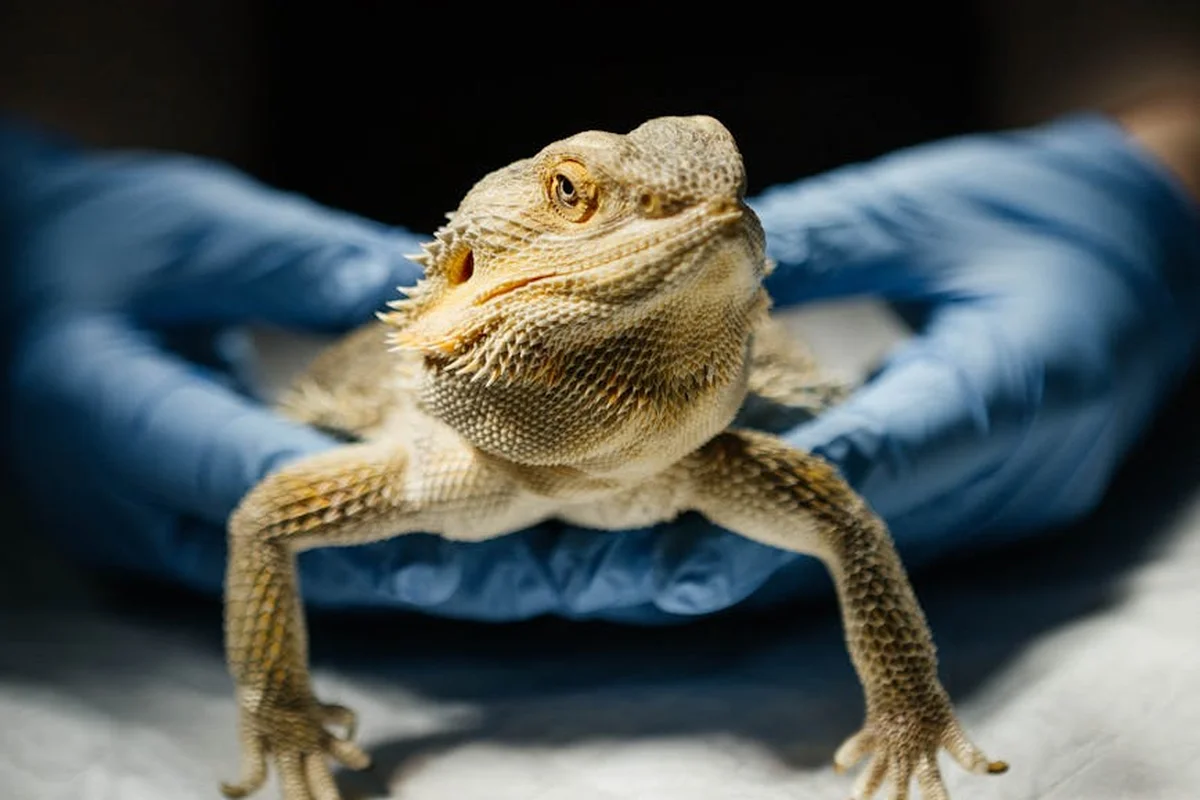
When your beardie isn’t acting right, it’s usually a sign of one of a few common health issues. I’ve seen these pop up time and again in my own colony. Pinpointing the underlying cause is your first step toward getting them the right help.
Metabolic Bone Disease (MBD) Symptoms
MBD is a heartbreaking and preventable condition caused by poor calcium levels. I once helped a friend rehabilitate a dragon with early-stage MBD, and the recovery was slow but rewarding. Bearded dragons can recover from MBD with timely treatment and proper long-term care. A clear treatment, prevention, and recovery guide can help owners support their pets through the process.
- A soft, rubbery jaw or noticeable bumps along their spine, legs, or tail.
- Trembling limbs or difficulty lifting their body off the ground.
- Swollen limbs or a general lack of coordination and weakness.
- In severe cases, paralysis of the back legs can occur.
This disease is almost always linked to insufficient UVB light or a diet lacking proper calcium supplementation. Proper lighting and dusting their food are non-negotiable for their health.
Parasitic Infections: Internal and External
Parasites are incredibly common and can sneak up on even the most attentive owner. A simple fecal test from your vet can identify the culprit.
- Internal parasites (like pinworms or coccidia) cause symptoms like lethargy, weight loss despite a good appetite, and runny, foul-smelling stools.
- You might even see visible worms in their feces.
- External parasites (like mites) appear as tiny red, black, or moving dots around their eyes, ears, and skin folds.
- Your dragon may also soak in their water dish more often to try and drown the mites.
A new dragon should always have a vet check for parasites, as stress from a new home can cause a hidden infestation to flare up. Quarantining new reptiles is a vital practice I follow with every new arrival. A bearded dragon quarantine procedure means keeping the dragon in a separate enclosure with dedicated gear for a few weeks. Only after vet clearance should it join other reptiles.
Impaction and Digestive Blockages
This is a scary one. Impaction happens when your dragon eats something they cannot digest, and it gets stuck in their gut.
- A noticeable, hard lump in their abdomen.
- Lack of bowel movements for several days.
- Lethargy and loss of appetite.
- They might also drag their back legs or have a wobbly walk.
Impaction is often caused by loose substrate like sand, feeder insects that are too large, or inadequate basking temperatures for proper digestion. I always feed my dragons in a separate, empty bin to prevent them from accidentally swallowing their floor covering.
Gout and Organ-Related Issues
Gout is a painful condition where uric acid crystals build up in their joints and organs. It’s often a sign of chronic dehydration or kidney stress.
- Stiff, swollen joints in their legs, wrists, or toes.
- Hard, white lumps visible under the skin around the joints.
- General signs of pain, like flinching when touched.
- Lethargy and a complete loss of appetite.
This condition is frequently linked to a diet too high in protein (like only feeding superworms) and not enough fresh water intake. Ensuring they are well-hydrated and feeding a balanced diet of veggies and appropriate insects is key to prevention.
When to Seek Immediate Veterinary Care
Seeing any of the following signs means you should contact a reptile vet right away. Trust your gut-if something feels off, it’s always better to be safe and get a professional opinion. I’ve rushed to the vet more than once on a simple hunch, and it has saved my dragons more than a few times. When a bearded dragon is dying, the warning signs can come on quickly and look subtle at first—watch for sudden lethargy, loss of appetite, or labored breathing. If you notice these critical indicators, seek urgent veterinary care immediately.
Symptoms That Are Always an Emergency
These are the big red flags. Don’t wait to see if they get better.
- Lethargy or Paralysis: If your dragon is unusually limp, cannot move its legs, or is completely unresponsive, this is a critical situation.
- Difficulty Breathing: Look for open-mouth breathing, wheezing, or gurgling sounds. You might also see mucus bubbles around their nostrils.
- Prolapse: This is when internal tissue, looking like a pink or red lump, is pushed out of the vent. Keep the tissue moist with warm water and sugar and go to the vet immediately.
- Seizures or Stargazing: If your beardie is arching its head backwards strangely or having uncontrolled muscle spasms, this is a severe neurological issue.
- Traumatic Injury: Any fall, dog or cat bite, or visible broken bone requires urgent care. Internal injuries can be hidden.
Signs of Serious Internal Illness
These symptoms can indicate a major systemic problem that needs a vet’s diagnosis.
- Black Beard for More Than a Day: While temporary black bearding is normal, if it’s persistent and combined with stress marks, it signals prolonged distress or pain.
- No Bowel Movement for Over a Week: This could be a serious impaction, especially if their belly feels hard and they haven’t been passing urates either.
- Sudden, Significant Weight Loss: A skinny dragon with a pronounced spine and hip bones is a starving dragon. This points to parasites or other illness preventing nutrient absorption.
- Swollen Joints or Limbs: This can be a sign of Metabolic Bone Disease (MBD) advancing, or a painful infection like gout.
- Blood in Stool or Urates: This is never normal and indicates internal bleeding, a severe parasitic load, or a reproductive issue in females.
What to Do Before the Vet Visit
Stay calm and take these quick steps to help your pet and prepare for the vet.
- Gently place your dragon in a small, secure travel carrier with a soft towel on the bottom.
- Do not offer food or water if they are lethargic or having trouble breathing, as they could aspirate.
- Keep them warm. I usually tuck a disposable hand warmer under the towel, making sure it’s not directly touching them.
- Gather information. Note when the symptoms started, their last meal, and the last time they pooped.
- Take clear photos or a short video of the concerning behavior to show the vet.
Having an exotic vet’s number saved in your phone is one of the most responsible things you can do as a beardie owner. It saves precious time in a crisis. I keep mine on the fridge, right next to the family emergency numbers.
Frequently Asked Questions
What are the signs that my bearded dragon is dying?
Critical signs include extreme lethargy where they can’t move, unresponsiveness to touch, and labored breathing with mucus. These symptoms often indicate organ failure or severe systemic illness requiring immediate veterinary attention.
How can I tell if my bearded dragon is constipated?
Constipation is marked by no bowel movements for over a week, a firm or swollen abdomen, and visible straining. It can lead to impaction if not addressed, so ensure proper hydration and consult a vet for persistent cases.
What are the symptoms of cancer in bearded dragons?
Symptoms may include abnormal, growing lumps or masses, rapid and unexplained weight loss, and persistent lethargy. Early diagnosis through veterinary exams, such as imaging or biopsies, is key to managing potential tumors.
Final Thoughts
Seeing any of these 12 symptoms in your bearded dragon is a clear signal to pause and take action. Your quick response is the single most important factor in helping your pet recover. Having a baseline of what a healthy bearded dragon looks like helps you spot trouble early. Being familiar with healthy signs makes these 12 symptoms more meaningful. Never hesitate to contact a reptile-savvy vet if something feels off; it’s always better to be safe and get a professional opinion.
From my own experience, the dragons I’ve helped the most are the ones where an owner noticed a small change early. Your daily, attentive observation is the most powerful health tool you have. Trust your instincts-you know your scaly friend better than anyone.
Further Reading & Sources
- Bearded Dragons – Diseases | VCA Animal Hospitals
- Bearded Dragon Health: Common Issues and Expert Care Solutions | Blog | Long Island Bird and Exotics Pet Vet
- Bearded Dragon Health, Illness, & Disease Symptoms
Bearded Dragon Lair is the ultimate resource for bearded dragon enthusiasts, offering expert advice and practical tips to ensure the health and happiness of your scaly companion. With years of experience in reptile care, we are dedicated to providing accurate, up-to-date information to support your bearded dragon journey.
Signs of Illness