
The Complete First-Time Bearded Dragon Care Guide
Published on: October 18, 2026 | Last Updated: October 18, 2026
Written By: Beardie Joe
So, you’re thinking about bringing one of these amazing, scaly companions home-that’s fantastic, but you probably have a million questions buzzing around.
As a long-time beardie owner with multiple happy dragons, I’m here to walk you through everything, from that first thrilling setup to daily handling and care.
In this guide, we’ll cover the essential habitat setup, their ideal diet, and their wonderfully unique behaviors so you can start this journey with confidence.
Is a Bearded Dragon the Right Pet for You?
Owning a bearded dragon is a rewarding journey, but it’s a serious commitment that spans years. These incredible reptiles often live between 8 to 12 years, with some thriving into their teens with proper care. I’ve had my oldest dragon, Spike, for nine years, and he’s become a cherished part of my daily life. In captivity, proper lighting, temperature, diet, and veterinary care can help maximize lifespan in captivity, often allowing dragons to reach the upper end of that range. In the wild, predators and harsher conditions tend to shorten lifespans.
You need to be ready for both the financial outlay and the daily time investment. Initial setup costs can be a few hundred dollars, and ongoing expenses for food and utilities add up. Vet bills for exotic pets are also a real factor to budget for.
Lifespan and Daily Time Investment
Bearded dragons are a long-term companion. Plan for a decade or more of responsibility, which is similar to committing to a dog or cat. Their daily care is not overly complex, but it is consistent. If you’re wondering whether bearded dragons are good pets, this complete guide for beginners can help answer that question. It outlines what to expect in terms of setup, diet, and daily care.
Here’s a rough breakdown of a typical day with my dragons:
- Morning feeding and fresh water: 10-15 minutes
- Spot cleaning the enclosure: 5 minutes
- Handling and social interaction: 15-20 minutes
- Evening check of temperatures and lights: 5 minutes
In total, expect to spend about 30 to 60 minutes each day on direct care. This doesn’t include weekly deep cleans, which take a bit longer.
Financial Considerations and Budgeting
Getting started requires an initial investment in quality equipment. Skimping on essentials like UVB lighting often leads to costly health problems down the road. Based on my experience, here’s a realistic cost breakdown.
Initial Setup (One-Time Costs):
- Enclosure (120-gallon for an adult): $250-$400
- Lighting fixture and UVB bulb: $70-$120
- Basking lamp and dome: $30-$50
- Substrate, hides, and decor: $60-$100
- Thermometers and hygrometer: $20-$40
Ongoing Monthly Costs:
- Fresh greens and vegetables: $15-$25
- Live insects (e.g., crickets, dubia roaches): $20-$40
- Electricity for lamps: $5-$10
- Annual vet check-up: $50-$100
I strongly advise setting aside an emergency fund of $200-$500 for unexpected vet visits. Reptiles hide illness well, and when they show symptoms, it can be an urgent situation.
Pros and Cons for Your Lifestyle
- Pros: Generally docile and enjoy handling, relatively quiet, don’t need walks, fascinating to observe.
- Cons: Require daily feeding and cleaning, need specific heat and light, live insects can be off-putting for some, annual vet costs are specialized.
If you have a busy, unpredictable schedule or a very tight budget, a bearded dragon might not be the ideal fit. They thrive on routine and consistent care. A candid look at the pros and cons can help you decide if a bearded dragon is the right pet for you. Weighing its routine needs against your lifestyle reveals whether this reptile belongs in your home.
Setting Up Your Bearded Dragon Enclosure
Creating the right home is the most critical step for your dragon’s health. A proper enclosure mimics their natural Australian habitat, providing warmth, light, and space to explore. I’ve set up dozens of tanks, and getting the foundation right makes all the difference.
Enclosure Size and Type Selection
Size matters immensely for your dragon’s well-being. While a 40-gallon tank is the absolute minimum for an adult, I always recommend a 120-gallon (4x2x2 feet) enclosure. The extra space reduces stress and encourages natural behaviors like climbing and running.
For a baby bearded dragon, you can start in a 20-40 gallon tank, but be prepared to upgrade. They grow surprisingly fast, and a cramped space can stunt their growth and cause anxiety. This is part of the bearded dragon tank size guide from baby to adult requirements. It walks you through the necessary upgrades as your dragon matures.
Glass terrariums are popular for visibility, while front-opening PVC cages are excellent for heat retention. Screen-topped tanks are common, but you must monitor humidity closely as they can lose moisture quickly.
Heating, UVB Lighting, and Humidity Control
Reptiles are ectotherms, meaning they rely on their environment to regulate body temperature. You must create a temperature gradient with a hot basking side and a cooler side for them to thermoregulate.
Follow these steps for a safe and effective setup:
- Install a basking lamp on one end of the tank to create a hot zone of 95-110°F.
- Place a high-quality, long tube UVB light that spans 2/3 of the enclosure’s length.
- Use digital thermometers on both the hot and cool sides, and a hygrometer to track humidity.
- Keep the cool side around 75-85°F and overall humidity between 30-40%.
Never use colored lights at night, as they can disrupt your dragon’s sleep cycle. A common mistake is using a weak or compact coil UVB bulb, which does not provide adequate coverage.
Creating the Perfect Basking Zone
The basking spot is where your dragon will digest food and soak up essential warmth. Position the heat lamp directly above a flat, sturdy rock or piece of driftwood. This gives them a solid surface that holds heat, just like a sun-warmed rock in the wild.
I use an infrared temperature gun to get an exact reading of the basking surface temperature. Plug your lights into a simple timer to provide a consistent 12-hour day/night cycle, which is vital for their mental and physical health. This automates the routine and prevents you from accidentally leaving lights on all night.
Bearded Dragon Diet and Nutrition Basics
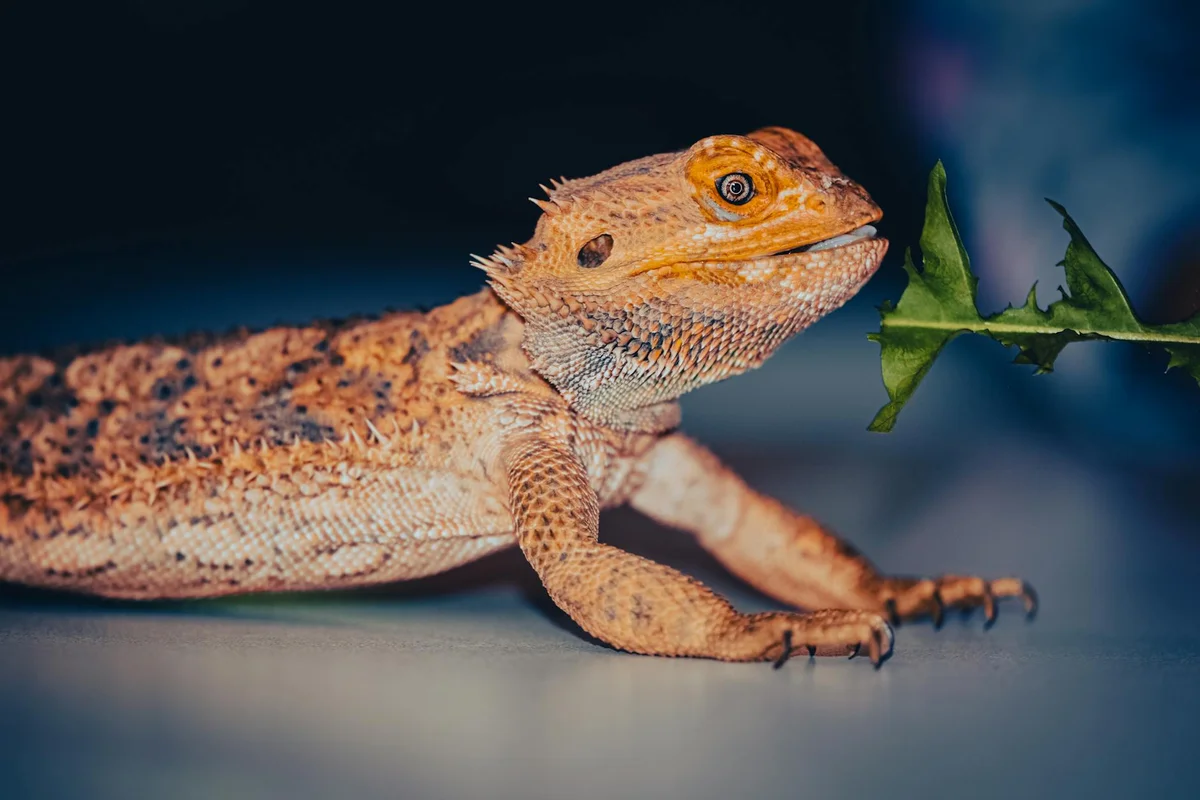
Getting your dragon’s diet right is the single most impactful thing you can do for their long-term health. I’ve seen the dramatic difference it makes in their energy, coloration, and overall well-being. A proper diet is a powerful blend of live feeders, fresh greens, and essential supplements.
Feeder Insects and Greens Guide
Think of your dragon’s plate in two sections. One side is for protein-packed insects, and the other is for vitamin-rich greens. The ratio of these two sides changes dramatically as your dragon grows.
- Safe Staple Feeder Insects: My go-to feeders are dubia roaches and crickets. They are nutritious and my dragons go crazy for them. I also use black soldier fly larvae as a fantastic, calcium-rich option.
- Treat Insects: Waxworms and superworms are like dragon candy. I only offer these sparingly as a special reward because they are high in fat.
- Gut-Loading is Non-Negotiable: You are what you eat, and so is your dragon. I always gut-load my feeder insects for at least 24 hours before feeding. This means feeding the insects themselves a nutritious diet of high-quality greens, squash, and commercial gut-load food. It supercharges their nutritional value for your pet.
- Recommended Greens & Veggies: My dragons’ salad bar always includes collard greens, dandelion greens, and mustard greens. I mix in shredded butternut squash and finely chopped bell peppers for color and extra vitamins. They love the variety!
Supplementation and Hydration Strategies
Even the best diet needs a little boost. In captivity, they can’t get everything they need from food alone, which is where supplements come in.
- Calcium is Critical: I keep two shakers on hand: one with pure calcium powder (without Vitamin D3) and one with calcium that includes D3. I lightly dust almost every insect feeding with calcium powder. It’s a simple step that prevents Metabolic Bone Disease, a common and heartbreaking ailment.
- Multivitamin Support: Once or twice a week, I swap the calcium for a high-quality reptile multivitamin. This fills in any nutritional gaps and supports their overall immune system.
Bearded dragons often don’t recognize standing water, so hydration requires a bit of creativity.
- Misting for Moisture: I lightly mist my dragon’s head and snout with a spray bottle a few times a week. They’ll often lap up the water droplets, and it increases the enclosure’s humidity which aids shedding.
- The Power of Baths: A shallow, lukewarm bath for 15-20 minutes once a week is my routine. Bathing encourages hydration through the vent and helps loosen stubborn shed skin. It’s also a great chance for them to relieve themselves outside their main tank.
- Hydrate Through Food: I often drip water onto their snout from my fingers or offer water-rich veggies like cucumber as a hydrating treat.
Tailored Feeding Schedules
How much and how often you feed changes as your dragon matures. Following these schedules prevents obesity in adults and supports the rapid growth of juveniles.
- Juveniles (0-5 months): These little ones are growing machines! Offer them as many appropriately-sized insects as they can eat in 10-15 minutes, three times a day. Always provide a small dish of fresh greens.
- Sub-Adults (6-17 months): Scale back to two insect feedings per day. The salad becomes more important now, so make sure it’s always available.
- Adults (18+ months): An adult dragon’s diet is mostly vegetarian. I feed my adults insects only once a day, or even every other day. Their main meal should be a large, fresh salad every morning.
When your dragon starts to look dusty or grey, they are entering a shed. This is a vulnerable time for them. I increase misting and offer a warm bath to help the old skin slip off easily and prevent any constriction, especially around their toes and tail tip. Proper hydration makes the whole process much more comfortable for them.
Daily Care, Handling, and Enrichment
Building a relationship with your bearded dragon is one of the most rewarding parts of ownership. Daily, gentle interaction is the key to transforming your new pet from a skittish lizard into a calm, hand-tame companion. I’ve found that the dragons I handle regularly are far more curious and relaxed than the ones I only interact with during feeding. Building trust with your bearded dragon is an essential part of their care and well-being.
Handling and Bonding with Your Dragon
Learning to handle your dragon correctly builds trust and prevents stress. Rushing this process can set your bonding back by weeks. The goal is to always make your dragon feel supported and secure in your hands.
Here is my step-by-step method for picking up and holding your dragon safely:
- Approach from the side and front, never from above like a predator would.
- Slide your hand gently underneath their chest and front legs.
- Use your other hand to support their hind legs and tail.
- Lift smoothly and bring them close to your body so they feel stable.
- Always handle them while sitting down, low over a soft surface like a bed or couch, in case they jump.
Reading their body language is crucial. A flat, pancake-like body often means they are relaxed and basking, while a black, puffed-up beard is a clear “back off” signal. If they gape their mouth or hiss, it’s best to give them space. One of my dragons, Pippin, always closes his eyes contentedly when I scratch the base of his tail, which tells me he’s happy.
Enrichment Activities and Habitat Ideas
A bored dragon is an unhealthy dragon. Mental stimulation is just as important as proper heat and food. Enrichment prevents lethargy and encourages natural, curious behaviors.
You don’t need fancy toys. Here are some simple enrichment ideas I use regularly:
- Create a dig box filled with organic topsoil or children’s playsand.
- Add new, safe climbing branches or rocks to rearrange their tank layout.
- Dangle a feeder worm from tongs to encourage “hunting” behavior.
- Allow for supervised out-of-tank exploration in a dragon-proofed room.
I often let my dragons climb on a blanket-covered couch under my watchful eye. Supervised time outside their enclosure builds muscle and satisfies their curiosity. Just be sure to block off any dangerous spaces they could crawl into.
Bearded dragons are solitary animals by nature. Housing them with another dragon, even briefly, is a severe risk that can lead to injury, stress, and starvation. They are not social and do not get lonely; they see tank mates as competition for food, heat, and space. I would never risk the well-being of my pets by cohabitating them.
Understanding their quirky behaviors is part of the fun. A slow, circular arm wave is a submissive gesture, often used by younger dragons to show they mean no harm. Rapid head bobbing is typically a dominant display from males. Watching them communicate is fascinating and helps you understand their unique personalities.
Health Monitoring and Common Vet Care
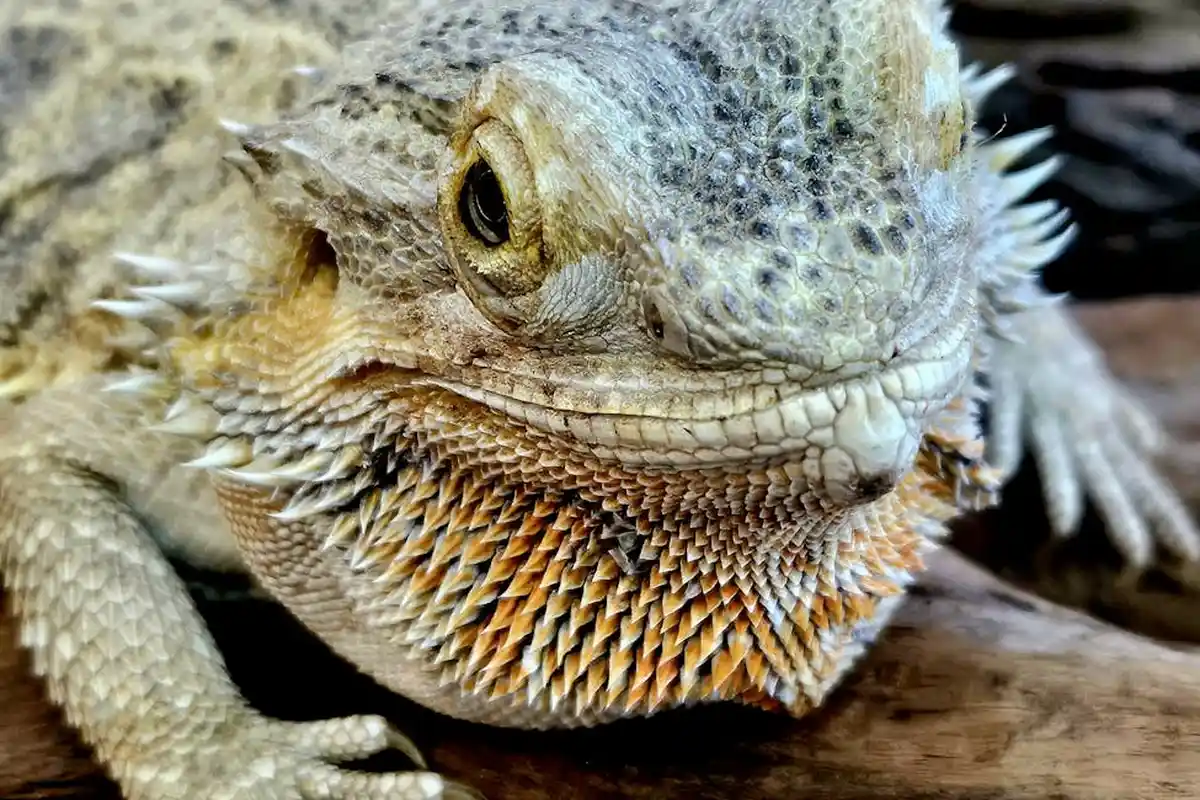
Keeping a close eye on your bearded dragon’s health is one of the most rewarding parts of ownership. Your daily interactions are your best tool for spotting small changes before they become big problems. I’ve caught two potential issues early just by paying attention during routine handling. For a thorough assessment, our complete health check guide can help you tell if your bearded dragon is healthy. It highlights the key signs to watch and when to seek veterinary care.
Recognizing Early Health Warning Signs
Bearded dragons are masters at hiding illness, a leftover instinct from the wild. You have to become a bit of a detective. Any significant change from their normal behavior is your first and most important clue. When they hide more than usual, it’s often a sign they’re worried, stressed, or unwell. If you notice this, review their enclosure, lighting, temperature, and any other symptoms.
Watch for these key symptoms:
- Lethargy or lack of movement for extended periods
- Consistent loss of appetite or refusing favorite foods
- Sunken, dull, or closed eyes
- Unusual stool (runny, bloody, or complete absence for days)
- Visible weight loss, especially along the spine and tail
- Swollen joints or limbs
- Discolored patches on the skin or mouth
- Gaping when not thermoregulating
Here is a simple checklist for your daily or weekly health assessments:
- Daily: Check that they are alert and active. Offer food and note their interest. Observe their basking behavior.
- Weekly: Do a quick physical check. Look at their eyes, nose, and mouth for discharge. Feel their body for any unusual lumps. Monitor their weight with a small gram scale.
- Monthly: Give their habitat a deep clean and check all equipment-lights, timers, thermostats-are functioning correctly.
Veterinary Care and Emergency Preparedness
Finding a good reptile vet before you have an emergency is non-negotiable for responsible ownership. A general cat and dog vet often lacks the specific training needed for reptiles. I found my vet by asking for recommendations from local reptile groups.
A typical wellness visit includes a physical exam, a fecal test for parasites, and a weight check. Come prepared with information about your setup: temperatures, UVB light type and age, and diet. This helps the vet immensely.
Common health issues and how to prevent them:
- Metabolic Bone Disease (MBD): Caused by insufficient UVB or calcium. Prevent it with a proper linear UVB tube light replaced every 6-12 months and by dusting insects with calcium powder.
- Impaction: A gut blockage from eating substrate or food that is too large. Use a safe substrate like tile or non-adhesive shelf liner and never feed insects wider than the space between your dragon’s eyes.
- Parasites: Very common, especially in new dragons. A yearly fecal test at the vet can catch them early.
- Respiratory Infections: Often caused by incorrect temperatures or high humidity. Keep your enclosure at the proper gradient and humidity level (30-40%).
For emergencies, have a basic first-aid kit ready. It should include:
- Sterile saline wound flush
- Cornstarch or styptic powder to stop minor bleeding
- Blunt-tipped tweezers
- A small, clean carrier for transport
- Your vet’s emergency phone number
Knowing your vet’s after-hours protocol can save precious minutes in a real crisis. Your dragon’s well-being depends on your watchful eye and proactive care.
Costs and Long-Term Ownership Insights
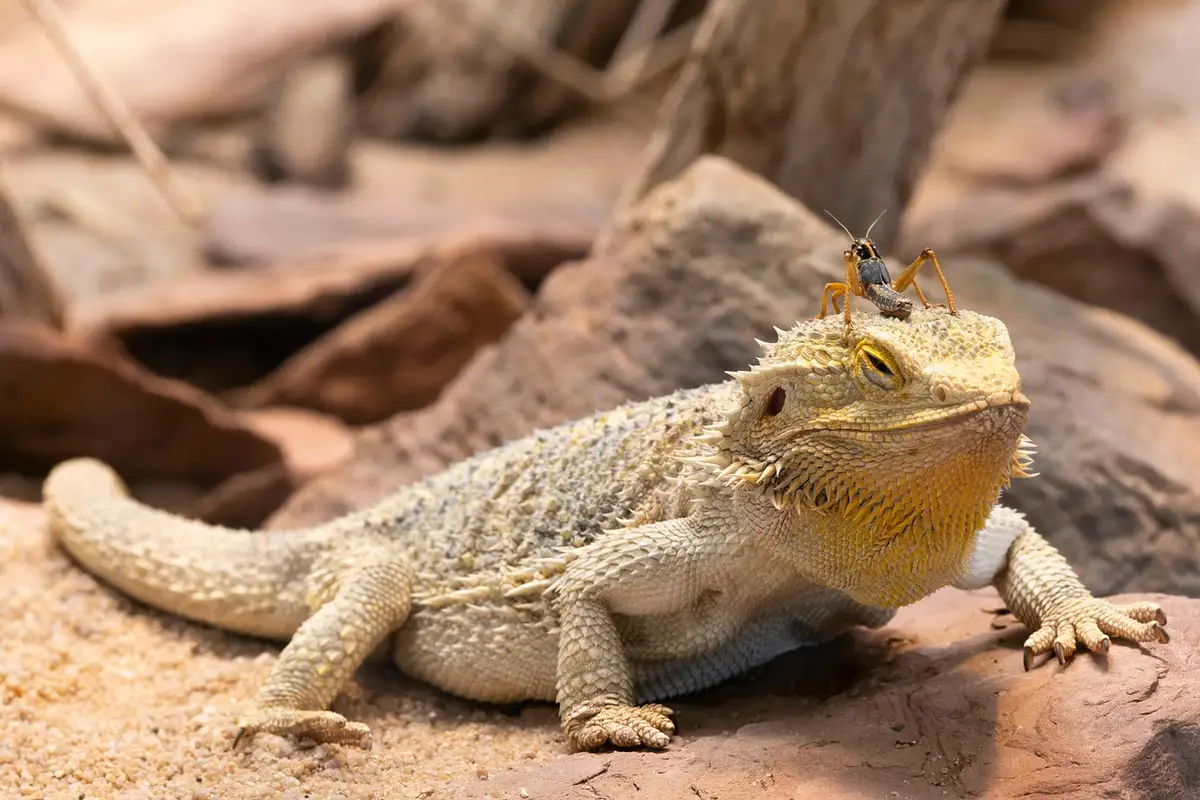
Getting a clear picture of the financial and time commitment is the first step to being a fantastic beardie parent. I’ve found that understanding the full scope of ownership from the start prevents stress and ensures you can provide a wonderful life for your new friend.
Initial and Recurring Expense Breakdown
Let’s talk numbers. The initial setup is the biggest investment, but the recurring costs are what you’ll manage for years. I remember budgeting for my first dragon, Draco, and being surprised by some of the ongoing expenses I hadn’t considered.
| Expense Category | Initial Setup (One-Time) | Ongoing & Recurring |
|---|---|---|
| Enclosure & Habitat | ~$250 – $600 (Tank, lid, stand) | ~$20/month (Substrate, decor replacement) |
| Heating & Lighting | ~$100 – $200 (Basking lamp, UVB tube, fixtures, thermostat) | ~$30 – $50 every 6 months (UVB bulb replacement) |
| Food & Supplements | ~$50 (Initial supply of feeders, greens, calcium powder) | ~$40 – $80/month (Live insects, fresh greens, vitamins) |
| Veterinary Care | ~$75 – $150 (Initial wellness check) | ~$50/year for check-ups, $200+ for emergencies |
Here are my personal tips for smart spending:
- Invest in a high-quality, linear UVB light from the start. The cheap coil bulbs simply don’t provide adequate coverage and can lead to Metabolic Bone Disease, a costly and heartbreaking condition to treat.
- Buy a digital thermometer and hygrometer. The analog stick-on kinds are notoriously inaccurate, and proper temperature is non-negotiable for their health.
- Consider starting a small, separate savings fund just for potential vet bills. It gives you such peace of mind.
Planning for Your Dragon’s Lifespan
Bearded dragons can live 10-14 years with proper care. As they pass through each life stage—from hatchling to juvenile to adult—care needs change. An age guide can help determine their age and tailor care accordingly. I’m on year eight with my girl Saphira, and her needs have definitely evolved.
Their diet shifts significantly as they move from juveniles to seniors.
- Juveniles (0-12 months): They are growing machines! Their diet should be about 80% live insects and 20% greens.
- Adults (1-7 years): This flips. They need about 80% fresh vegetables and 20% insects to prevent obesity.
- Seniors (7+ years): Appetite often decreases. You might need to offer softer foods, like grated squash or hornworms, and monitor their weight closely. Joint supplements can also become helpful.
Older dragons may also become less active. Ensure their basking spot is easily accessible and that the gradient to a cooler area isn’t too steep. I had to lower Saphira’s basking platform as she got older.
One of the best things I ever did was join online communities and forums. Connecting with other owners provides a wealth of shared knowledge and support you can’t find anywhere else. When Saphira went through a strange shed, it was a fellow owner who gave me the perfect advice that the vet confirmed.
The joy of long-term ownership is watching their unique personality blossom and building a real bond. The challenge is the commitment-this isn’t a short-term pet. You are their entire world for over a decade. But seeing that little head bob or the peaceful “beardie flop” when they sleep makes every moment worth it.
Frequently Asked Questions
Can bearded dragons eat fruits?
Yes, but only in small amounts as an occasional treat, since their high sugar content can cause digestive issues or obesity. Stick to safe options like berries or melon and avoid citrus fruits.
How can I help my bearded dragon if it’s scared of me?
Begin with short, calm interactions near their enclosure and offer favorite treats by hand to build trust over time. Avoid sudden movements and handle them gently once they seem more comfortable.
What are some common mistakes to avoid as a first-time owner?
Steer clear of using inadequate UVB lighting, feeding insects that are too large, and housing multiple dragons together, as these can lead to serious health and behavioral problems.
Final Thoughts
Bringing a bearded dragon into your life is a fantastic journey that blends routine care with moments of pure delight. The foundation of a long, healthy life for your new friend rests on three pillars: a proper habitat with correct heat and UVB lighting, a balanced diet of greens and insects, and your consistent, gentle interaction. It’s a commitment, but one that is incredibly rewarding as you watch their unique personality emerge. To help new owners, this bearded dragon complete beginners guide walks you through setup, feeding, and daily care.
From my own experience, the daily routine of feeding and spot-cleaning quickly becomes a labor of love. Seeing your dragon recognize you, sit calmly in your hand, and display their quirky behaviors makes every bit of effort worthwhile. Do your research, be patient as you both learn, and you’ll be well on your way to a wonderful friendship.
Further Reading & Sources
- Bearded Dragon Care Sheet | PetMD
- The Ultimate Bearded Dragon Care Guide | ReptiFiles
- r/BeardedDragons on Reddit: Basic Bearded Dragon Care and Maintenance – Compiled
Bearded Dragon Lair is the ultimate resource for bearded dragon enthusiasts, offering expert advice and practical tips to ensure the health and happiness of your scaly companion. With years of experience in reptile care, we are dedicated to providing accurate, up-to-date information to support your bearded dragon journey.
Essential Gear