Can Bearded Dragons Eat Ants? (And Why Most Ants Are Dangerous)
Published on: January 17, 2026 | Last Updated: January 17, 2026
Written By: Beardie Joe
You might be eyeing that stray ant in your kitchen and wondering if it’s a quick, free snack for your bearded dragon.
As a long-time owner of several bearded dragons, I’ve learned through experience that their diet requires careful attention to keep them healthy and thriving.
We’ll cover why most ants pose serious risks, what specific dangers to watch for, and the safe, nutritious alternatives you can offer instead.
The Quick Truth About Bearded Dragons and Ants
Let me be direct with you: you should not feed ants to your bearded dragon. While a single ant might not cause an immediate crisis, making them a part of your dragon’s diet is a significant gamble with their health. I’ve seen too many well-meaning owners accidentally harm their pets by offering “natural” bugs from the yard. In the wild, a bearded dragon’s instinct to snap at a moving ant is about survival, not optimal nutrition. In our homes, we have the responsibility to provide better, safer choices. If you’re considering bugs from outside, check our outside safety guide first. It explains which wild insects are safe (like cicadas and certain worms) and which to avoid.
Why Ants Pose Serious Risks to Bearded Dragons
Ants are not just tiny, harmless insects. They are equipped with sophisticated defense mechanisms that can seriously injure or make your bearded dragon very sick. Their small size is deceptive, hiding a host of problems that affect everything from their internal organs to their digestive tract. That raises a broader question: are bearded dragons dangerous? They’re usually gentle, but bites can occur if they’re stressed, so knowing bite risks and how to handle safely matters.
Toxicity and Venom: The Hidden Dangers in Ants
Many people don’t realize that most common ants are venomous. They use formic acid and other compounds to subdue prey and defend their colonies.
- Formic Acid: This is the primary weapon for many ant species, like wood ants. It’s an irritant that can cause painful chemical burns inside your dragon’s mouth, throat, and stomach.
- Potent Venom: Fire ants and harvester ants inject a powerful venom when they bite. I’ve personally witnessed a reptile suffer a severe allergic reaction to a single fire ant sting, leading to rapid swelling and intense pain.
- Unpredictable Reactions: You simply cannot know how your individual dragon will react to these toxins. What one animal tolerates could send another into anaphylactic shock.
Digestive and Nutritional Problems with Ants
Beyond the immediate toxic threats, ants create long-term issues for your dragon’s digestion and overall nutrition.
- Chitinous Exoskeletons: An ant’s body is mostly hard chitin. This material is incredibly difficult for bearded dragons to digest and can easily lead to a dangerous gut impaction. Their digestive systems aren’t designed to process such a high volume of shell-like substance.
- Poor Calcium-to-Phosphorus Ratio: Bearded dragons require more calcium than phosphorus in their diet. Ants have this ratio reversed, being high in phosphorus. Feeding them regularly can contribute to metabolic bone disease, a devastating and painful condition that softens their bones.
- Nutritional Void: Ants offer very little of the protein, vitamins, and hydration that your dragon gets from staple feeders like dubia roaches or crickets. You are essentially feeding your pet empty calories that come with substantial risks.
What to Do If Your Bearded Dragon Ate Ants
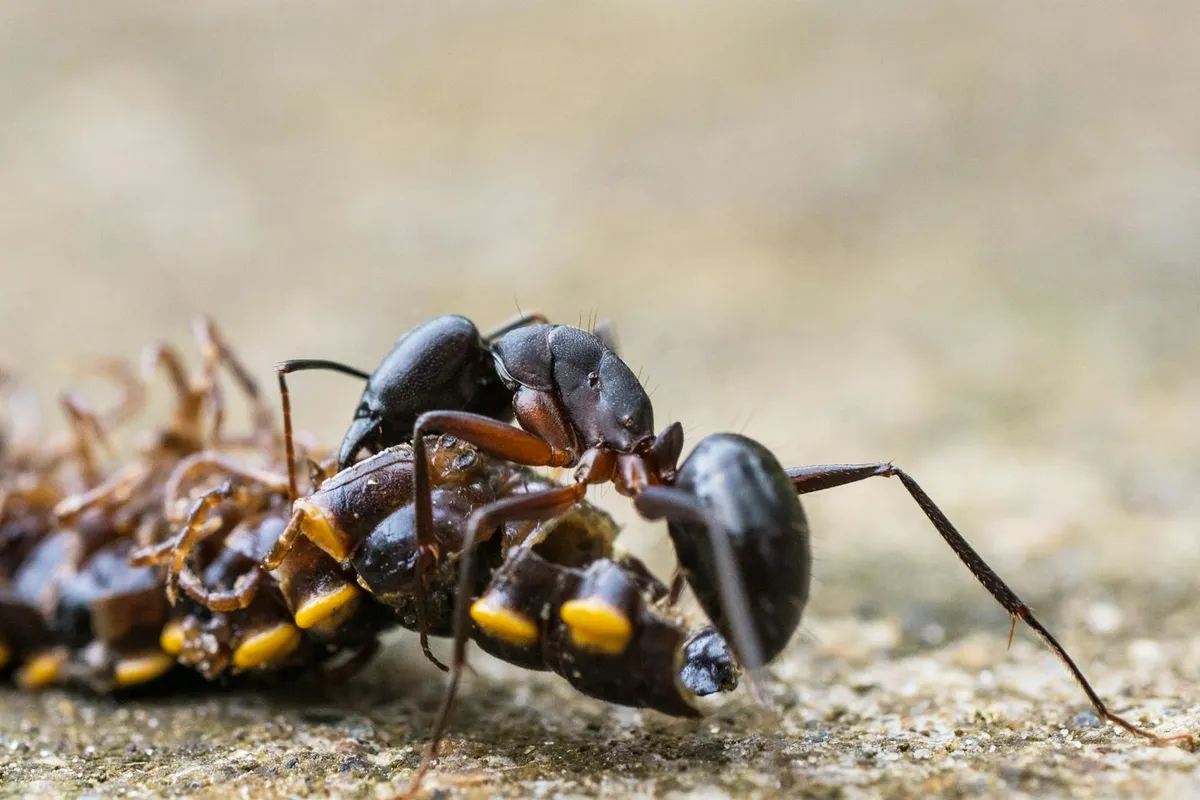
First, don’t panic. I’ve been in this situation myself, and a moment of panic doesn’t help you or your dragon. Your immediate goal is to assess the situation calmly and provide supportive care. Start by identifying what kind of ants they ate and how many.
If it was just one or two common black ants, your dragon will likely be just fine. Their system can often handle a minor, one-off mistake. But you need to watch them closely for the next 24 to 48 hours. Look for these specific signs of trouble:
- Lethargy or unusual lack of movement
- Loss of appetite for their regular food
- Swelling around the mouth or throat
- Difficulty breathing
- Vomiting or signs of regurgitation
Offer fresh water immediately. Hydration is your best friend right now, as it can help flush their system. I always make sure the water is clean and easily accessible in a shallow dish.
If you know the ants were fire ants or you saw your dragon consume a large number, the risk is much higher. Contact your exotic veterinarian right away for professional advice; do not wait for symptoms to appear. It’s always better to be safe and get a professional opinion.
Safe and Healthy Alternatives to Ants for Bearded Dragons
I completely understand the temptation to offer something new and “natural” like ants. But the risks just aren’t worth it. The good news is that there is a whole world of safe, nutritious, and exciting feeder insects your dragon will love. These are the staples I rely on for my own pets. These include worms like mealworms and waxworms, which can be fed in moderation as part of a balanced diet. If you’re looking for a quick guide on worms bearded dragons eat for safe, nutritious options, this will help you choose the right varieties and feeding amounts.
- Dubia Roaches: A fantastic, protein-rich staple. They are less fatty than some worms and very easy to digest.
- Black Soldier Fly Larvae (Nutrigrubs): My personal favorite. They are packed with calcium, which is brilliant for bone health.
- Crickets: A classic choice. Just be sure to gut-load them with healthy veggies first to boost their nutritional value.
- Silkworms: Excellent for hydration and protein. They are a bit softer, which is great for younger dragons.
- Hornworms: A fantastic treat! They are mostly water, making them perfect for hydration, but feed them sparingly due to their size.
Variety is the true key to a healthy bearded dragon. Rotating through these different feeders ensures your pet gets a broad spectrum of nutrients. It also keeps mealtime interesting and stimulating for them, which is great for their overall well-being. If you’re after a complete feeding guide for bearded dragons kept as pets, it’s helpful to look at what they eat in the wild. A balanced home diet should blend insects, veggies, and calcium-rich supplements to mirror that variety.
Preventing Ant Encounters in Your Bearded Dragon’s Home
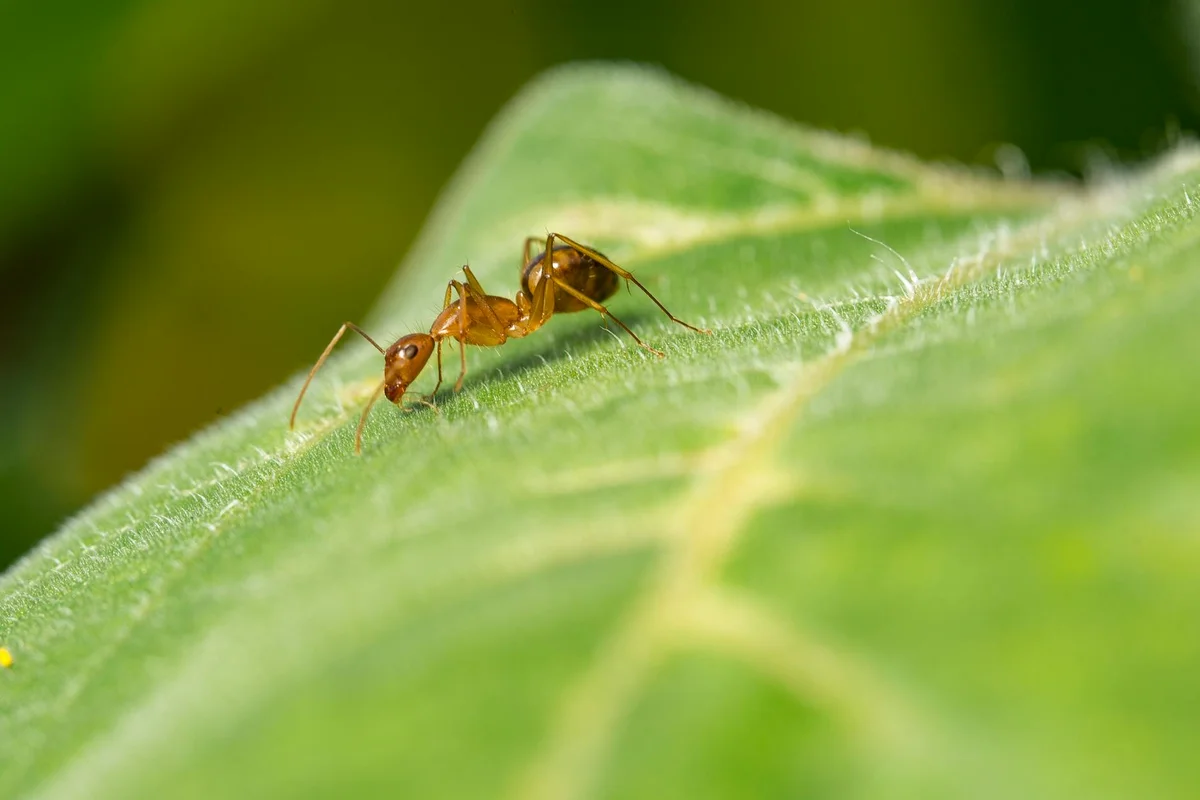
An ant infestation in your dragon’s enclosure is more than a nuisance; it’s a direct threat to their health. Ants are attracted to food, water, and, unfortunately, the warmth of the tank. Creating a clean, secure environment is your most powerful defense against these tiny invaders. I’ve had to refine my own routine over the years to keep my enclosures ant-free.
The most important rule is to never leave food sitting out. Uneaten live insects or vegetable scraps are a dinner bell for an ant colony. I make it a habit to remove any uneaten food within 15-20 minutes of offering it. This single step solves most potential problems before they even start.
Simple Steps to Ant-Proof the Enclosure
You don’t need fancy equipment to create a strong ant barrier. A consistent, simple routine is what works best.
- Create a Moat: Place the legs of your dragon’s tank stand in shallow dishes of water. Ants cannot cross this water barrier. You can also use a product like petroleum jelly smeared on the stand legs.
- Seal Entry Points: Check for any tiny gaps or holes in the screen top or where cables enter the tank. Use aquarium-grade silicone to seal them up tight.
- Maintain a Clean Perimeter: Keep the area around the enclosure completely free of food debris, spilled water, and old substrate. Vacuum and wipe down the area regularly.
- Secure Your Feeder Insects: Store your feeder insect colonies in secure, escape-proof containers. An escaped cricket can attract ants from the other side of your house.
Never use ant traps, sprays, or powders anywhere near your bearded dragon’s habitat. The chemicals in these products are highly toxic to reptiles and can be fatal if inhaled or ingested, even in tiny amounts. Your vigilance is the safest and most effective pesticide. For a safe, thriving enclosure, check our bearded dragon guide on safe plants, woods, and substrates. This guide helps you choose non-toxic decor and bedding to minimize risk.
Frequently Asked Questions
Do bearded dragons like ants?
Bearded dragons may instinctively snap at ants due to their movement, but this is not a sign of preference or enjoyment. Their natural curiosity can lead them to eat ants, but it does not mean ants are a safe or desirable food source. When considering what to feed them, many keepers evaluate mealworm beetles as an alternative, weighing safety risks and nutritional needs. Safer feeding practices and alternatives can help ensure a bearded dragon gets balanced nutrition without unnecessary risks.
Can bearded dragons eat ants from outside?
No, ants from outside are not safe for bearded dragons, as they may carry pesticides, parasites, or other environmental contaminants. All ants, regardless of origin, pose the same risks of toxicity and digestive issues, so it’s essential to know which bugs are safe for bearded dragons.
Will bearded dragons eat ants if they find them in the house?
Yes, bearded dragons might eat ants they encounter indoors due to their predatory instincts, but this should be prevented to avoid health risks. It’s crucial to keep their enclosure and surrounding area ant-proof to ensure their safety. Not all insects are safe for them to consume, so it’s important to know which bugs are safe vs. dangerous.
Final Thoughts
To put it plainly, you should not feed ants to your bearded dragon. While the occasional stray ant from a garden stroll isn’t a crisis, intentionally offering them is an unnecessary risk to your pet’s health. The combination of irritating formic acid, a tough exoskeleton, and potential pesticides makes them a poor and dangerous food choice. For a bearded dragon’s diet, consult a complete guide on safe foods to learn what to offer instead. A well-rounded list covers appropriate insects, vegetables, and occasional fruits.
Stick with the proven, nutritious feeder insects we all know and trust. Your dragon will thrive on a reliable diet of dubia roaches, crickets, and black soldier fly larvae, leaving the ants to do their job outside. It’s one of the easiest ways we can provide consistent, safe care for our scaly friends.
Further Reading & Sources
- Can Bearded Dragons Eat Ants? Vet Approved Nutrition Advice | Hepper Pet Resources
- r/BeardedDragons on Reddit: Can I feed ants to my Bearded Dragon
- Best Insects for Bearded Dragons: Nutrition & Feeding Guide
Bearded Dragon Lair is the ultimate resource for bearded dragon enthusiasts, offering expert advice and practical tips to ensure the health and happiness of your scaly companion. With years of experience in reptile care, we are dedicated to providing accurate, up-to-date information to support your bearded dragon journey.
Insects vs. Vegetables