
Can Bearded Dragons Eat Any Bugs? (Safe vs. Dangerous Insects)
Published on: February 2, 2026 | Last Updated: February 2, 2026
Written By: Beardie Joe
You’re likely staring at a wiggling bug and wondering if it’s a safe snack for your scaly friend.
As a long-time bearded dragon owner, I’ve made it my mission to learn which insects keep them thriving and which to avoid for their safety.
We’ll explore safe staple feeders, dangerous bugs to never offer, and how to create a balanced, healthy menu for your dragon.
Safe Insects for Your Bearded Dragon
Building a healthy menu for your scaly friend is one of the most rewarding parts of being an owner. Providing a variety of safe, nutritious insects is the absolute cornerstone of a thriving bearded dragon. I rotate through these staples with my own crew to keep mealtime exciting and their bodies well-fueled. It’s crucial to choose the right foods to ensure their health and happiness.
Staple Feeder Insects
These are the workhorses of your dragon’s diet, the bugs you’ll offer most frequently.
- Dubia Roaches: My personal favorite. They are packed with protein, have a fantastic meat-to-shell ratio, and are less jumpy than crickets. They are a superb, well-rounded feeder.
- Crickets: A classic for a reason. They are readily available and a good source of protein. Just be sure to gut-load them well with fresh veggies before feeding.
- Black Soldier Fly Larvae (Nutrigrubs/Calciworms): These little wrigglers are a nutritional powerhouse. They are naturally high in calcium, which is fantastic for bone health, and have a perfect calcium-to-phosphorus ratio.
Occasional Treat Insects
Think of these like candy for your dragon-delicious and fun, but not for every day.
- Hornworms: These bright blue caterpillars are mostly water. They are fantastic for hydration, especially if your dragon is a little reluctant to drink. Their large size and movement make them an irresistible treat.
- Waxworms: These are the ultimate “junk food” bug. They are very high in fat. I only use them as a rare reward or to help an underweight dragon put on a few grams.
Feeding the same insect every single day is like you eating only chicken for every meal. Variety ensures your dragon gets a full spectrum of vitamins and minerals from different sources. It also keeps them interested and engaged with their food, which is great for their mental well-being.
Dangerous Insects to Avoid at All Costs
While many bugs are safe, some are downright dangerous. Knowing what to avoid is just as critical as knowing what to feed. I’ve had my own scares over the years, which is why I’m so strict about this list.
Toxic Insects
These insects contain natural toxins that can be fatal to your bearded dragon. There is no safe amount.
- Fireflies / Lightning Bugs: This is the most critical one. Just one firefly can kill a bearded dragon. They contain lucibufagins, a potent self-defense toxin that causes fatal neurological damage and organ failure.
- Some Beetles: Many common beetles, like ladybugs and blister beetles, secrete defensive chemicals that are highly toxic to reptiles. It’s best to avoid all beetles you find in the wild.
Risky Insects
These bugs might not be inherently poisonous, but they pose other serious threats.
- Wild-Caught Insects: Bugs from your backyard or a park are a huge gamble. They can be covered in pesticides, herbicides, or parasites that will make your dragon very sick. The risk is simply not worth it.
- Predatory Insects (e.g., Mantids): While not toxic, insects like praying mantises can fight back and injure your dragon with their sharp limbs. They can also carry parasites.
- Insects with Hard Shells: Large, hard-shelled beetles or superworms fed in excess can be difficult to digest and may lead to impaction, a serious gut blockage.
Sticking to reputable feeder insect suppliers is the safest path. Protecting your dragon from these dangers is a direct act of love and responsible ownership. It prevents emergency vet visits and ensures your friend lives a long, healthy life by your side.
How to Properly Feed Insects to Your Bearded Dragon
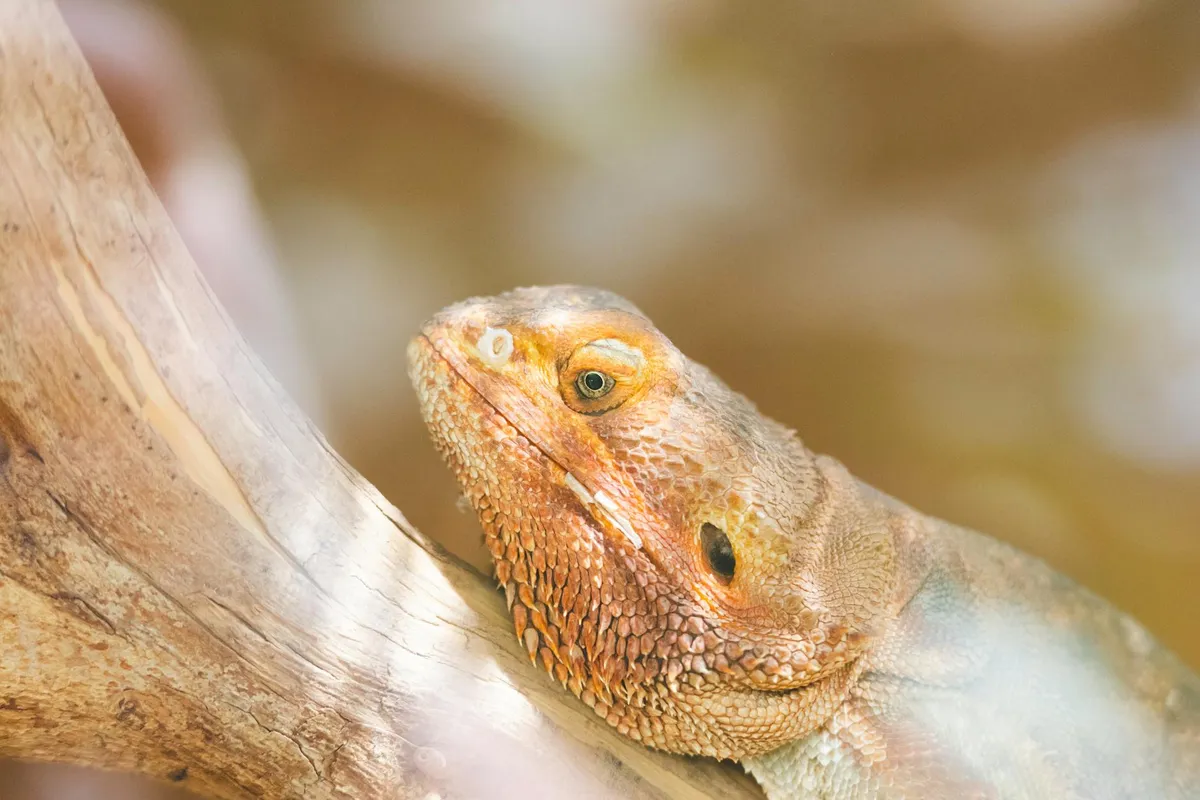
Getting the feeding routine right is one of the most impactful things you can do for your dragon’s health. I’ve found that a consistent schedule not only keeps them at a healthy weight but also makes them more predictable and relaxed. To apply this in practice, a complete feeding schedule—outlining how often to feed and what to offer—helps keep things consistent. It’s a simple way to ensure your dragon gets balanced nutrition on a regular basis.
Feeding Frequency by Age
Your dragon’s appetite changes dramatically as they grow. You can’t feed a baby like an adult.
- Juveniles (Under 12 months): These little ones are growing machines. Offer them as many appropriately-sized insects as they can eat in a 10-15 minute period, two to three times per day.
- Adults (Over 18 months): Their metabolism slows way down. I feed my adult dragons a portion of insects once a day, or even every other day. The exact amount depends on the dragon’s body condition.
Choosing the Right Size
This is a safety rule I never break. The golden rule is to never feed an insect that is wider than the space between your bearded dragon’s eyes. This prevents impaction, a serious and potentially fatal gut blockage. When feeding bugs from outside, such as cicadas or other wild insects, follow a safety guide to ensure they’re safe and appropriately sized. Inspect each bug for pesticides and parasites before offering it.
Steps for Safe Feeding
A chaotic feeding session can lead to stressed dragons and escaped bugs. This method has always worked well for me.
- Place the insects in a smooth-sided feeding dish. This prevents them from crawling out and ingesting loose substrate.
- Offer the insects one or two at a time. This prevents the bugs from overwhelming your dragon and ensures each one is eaten.
- Use feeding tongs for larger or more aggressive insects like superworms. This protects your fingers and lets you control the situation.
Monitor Your Dragon
Never just dump bugs in and walk away. Always watch the entire feeding session to ensure your dragon is eating eagerly and not being nipped by crickets. I once had a lazy cricket start chewing on my dragon’s toe during a distracted moment-it’s a lesson I won’t forget.
Gut Loading and Supplementation Essentials
This is where you transform a simple bug into a multivitamin. Gut loading is simply the process of feeding your feeder insects a nutrient-rich diet for 24-48 hours before they become food themselves. You are what you eat, and so is your dragon.
The Gut Loading Process
I keep a special “bug buffet” mix for this purpose.
- High-quality staples: Commercial bug gut-loading food, oats, or alfalfa pellets.
- Fresh fruits and veggies: Sweet potato, carrots, squash, apples, and leafy greens like dandelion or collard greens.
- What to avoid: Never use poor quality food like iceberg lettuce or dog food to gut load. It offers little nutritional value.
Dusting with Powders
Dusting is non-negotiable for preventing metabolic bone disease, a common and heartbreaking condition.
- Calcium with D3: Used for most feedings. D3 helps them absorb the calcium. I use this 4-5 times a week.
- Multivitamin: A broad-spectrum reptile multivitamin is crucial for overall health. I dust insects with this once or twice a week.
Supplementation Routine
Consistency is everything. Here is the simple schedule I follow for my adult dragons.
- Place a few insects in a small plastic bag or a deli cup.
- Add a tiny pinch of supplement powder-just enough to coat them lightly like a fine dusting of powdered sugar.
- Gently shake the container to coat the insects evenly.
- Immediately offer the dusted insects to your dragon.
This one-two punch of gut loading and dusting ensures your dragon gets a complete and balanced meal from every single bug. It directly prevents crippling deficiencies and supports a long, healthy life.
A Closer Look at Common Feeder Insects
Not all bugs are created equal. Think of your dragon’s insect menu like a food pyramid-you need a good base of staples, with other bugs for variety and specific benefits.
Staple Feeder Comparison
These are the insects you can feed regularly.
- Crickets: A classic staple. They are a good source of protein and motivate hunting behavior. The downside is they smell, can be noisy, and die quickly if not cared for properly.
- Dubia Roaches: My personal favorite. Dubia roaches are nutritional powerhouses with more protein and less chitin (shell) than crickets. They are quiet, don’t climb smooth surfaces, and are easy to keep.
- Black Soldier Fly Larvae (Phoenix Worms/Calci-Worms): These are a fantastic choice. They are naturally high in calcium, so they require less dusting. Their small size makes them perfect for juveniles.
Occasional Treat Insects
These bugs are like candy-great for variety but too rich for everyday meals.
- Mealworms: High in fat and chitin. I only offer these to my healthy adults as a rare treat. They are not good for juveniles.
- Superworms: Even higher in fat than mealworms. They have strong jaws, so always crush the head or use tongs. These are a once-in-a-while snack for adult dragons only.
- Hornworms: The perfect hydration bug. Hornworms are mostly water, making them excellent for a dragon that needs a moisture boost, especially during shedding. Their large, soft bodies are easy to digest.
- Silkworms: A premium feeder. They are low in fat, high in protein, and contain unique enzymes that can aid digestion. They are just harder to find and more expensive.
The Risks and Realities of Wild-Caught Insects
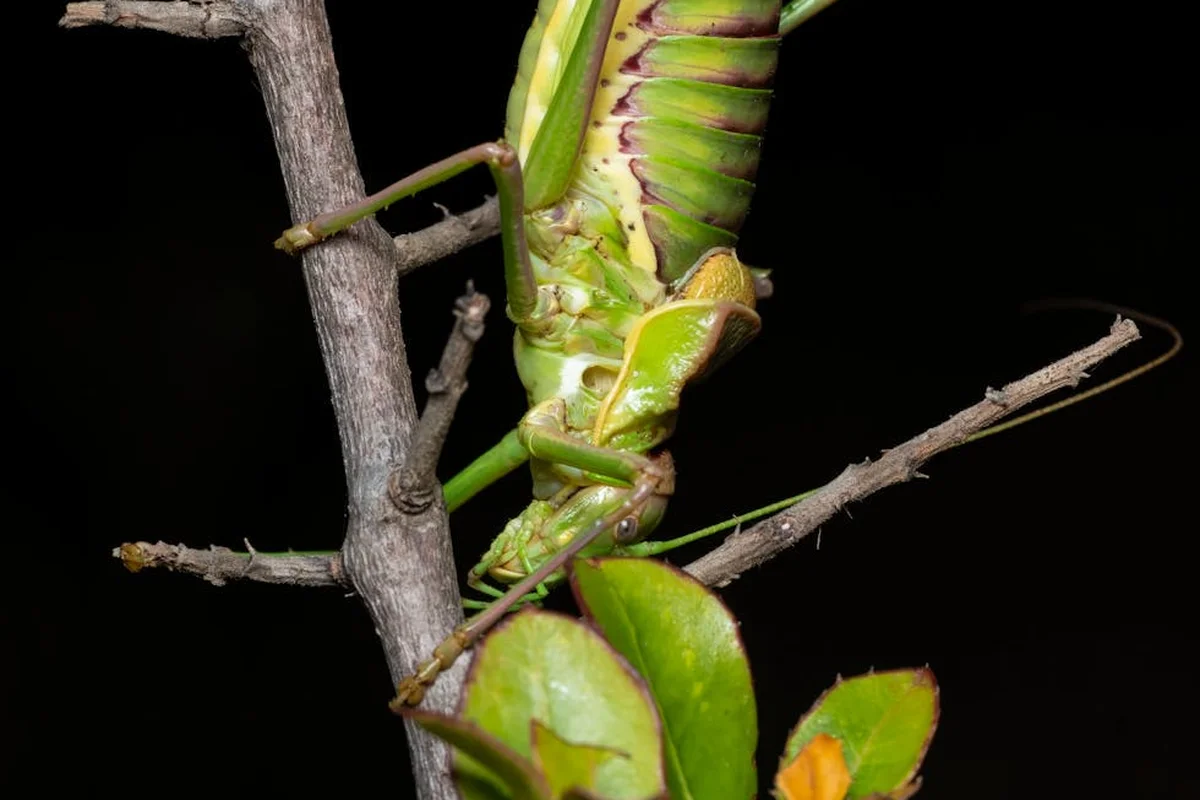
I learned this lesson the hard way with my first beardie, Spike. I thought I was being resourceful by catching crickets from my pesticide-free backyard. It only takes one contaminated insect to introduce a harmful parasite or toxin into your dragon’s system. The risks are simply not worth the convenience. That same caution applies to mealworms and beetles safety risks, which many owners feed their beardies. Safer alternatives include gut-loaded, pesticide-free insects raised for reptiles or commercially prepared feeder options.
- Pesticides and Herbicides: These chemicals are designed to kill and can remain on an insect’s body or inside its gut. Even trace amounts can cause neurological damage, organ failure, or be fatal to your reptile.
- Parasites and Diseases: Wild insects are often intermediate hosts for internal parasites like pinworms or coccidia. An infestation can lead to weight loss, lethargy, and serious digestive issues.
- Unknown Diet: You have no control over what that wild bug has been eating. It could have consumed a toxic plant or mold, passing those dangers directly to your pet.
Store-bought insects from reliable breeders are raised in controlled, sanitary environments. This controlled breeding process virtually eliminates the risk of pesticides and significantly reduces the parasite load. Their diet is also managed, a process we call “gut-loading,” to ensure they are as nutritious as possible for your dragon.
Are there any exceptions? In a perfect scenario, you might safely collect insects from a confirmed organic, untreated area far from roads. Personally, I do not recommend this practice due to the invisible risks involved. The stress and potential harm to your animal far outweigh the benefits.
Your best bet is to build a relationship with a reputable supplier. A good supplier will be transparent about their breeding practices and can provide information on the health and lineage of their feeder insects. Look for businesses that specialize in reptile nutrition, not just general pet stores.
Preparing Insects for Optimal Health and Safety
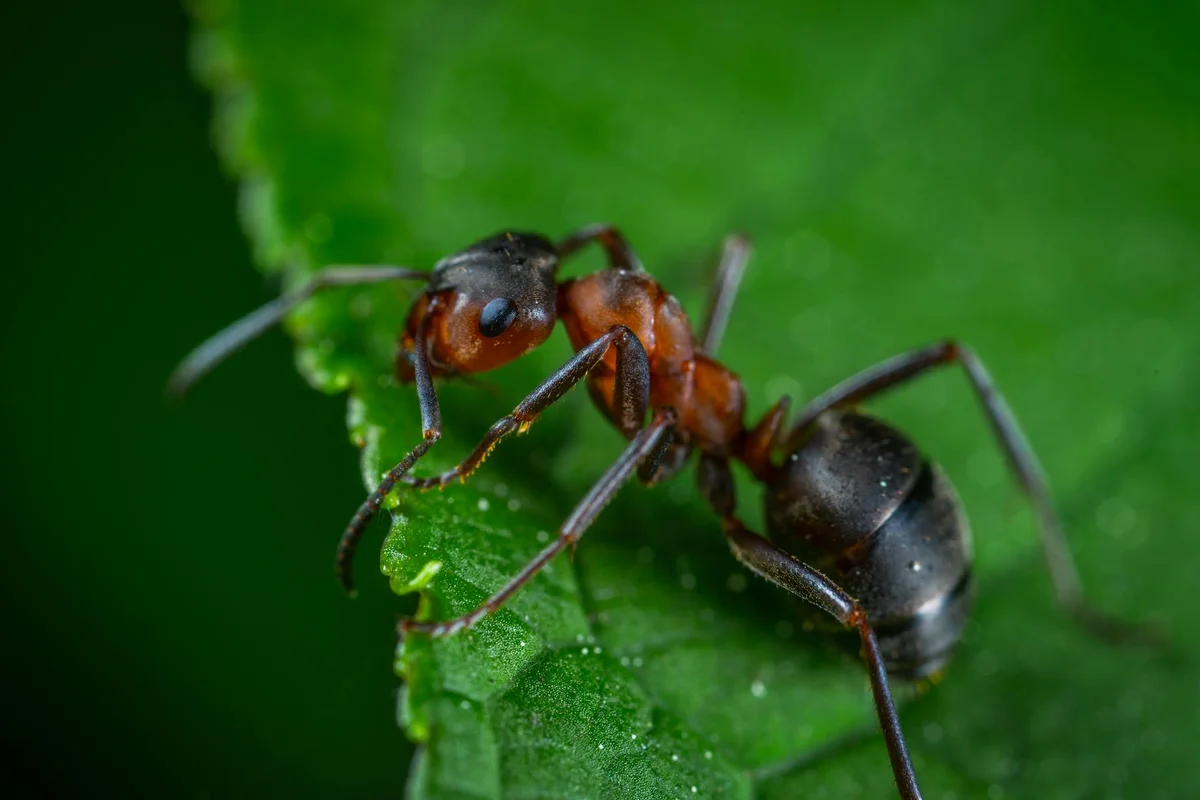
Feeding time is more than just dropping bugs in a tank. A few simple steps can make a huge difference in your bearded dragon’s long-term health. I have a quick routine I do before every single feeding. I also time meals to the dragon’s natural rhythm—usually after they’ve finished basking and warmed up—since digestion runs best when they’re warm and alert. Feeding at the right time helps ensure they actually eat and digest properly.
- Visual Inspection: Look at the insects closely. They should be active and alert. Avoid any that are discolored, have a strange odor, or are moving erratically. This is a sign of poor health or possible contamination.
- Size Check: A good rule of thumb is to never feed an insect that is wider than the space between your bearded dragon’s eyes. Offering prey that is too large is a direct cause of impaction, a serious and potentially fatal gut blockage.
- Gut-Loading: 24-48 hours before feeding, provide your feeder insects with highly nutritious vegetables (like squash, sweet potato, and leafy greens) and a commercial gut-loading diet. You are what you eat, and so is your bearded dragon-this step supercharges their meal.
Proper handling and storage keep your feeder colony healthy. Crickets and roaches need a well-ventilated container with hiding places, fresh food, and a water source (like water crystals or hydrated gel, not a open water dish). Clean their enclosure frequently to prevent mold and bacteria from growing, which can sicken both the insects and your dragon.
Never feed your bearded dragon insects that are already dead. You cannot know why the insect died; it could be from disease or decomposition, both of which are dangerous for your pet to ingest, unlike pre-killed, commercially frozen and thawed options like silkworm pupae, which are processed for safety. The exception is pre-killed, commercially frozen and thawed options like silkworm pupae, which are processed for safety.
To further reduce the risk of impaction and illness, always feed your dragon in a clean environment, either in a separate feeding bin or on a shallow dish. This prevents them from accidentally ingesting loose substrate like sand or mulch along with their food. Finally, dust the insects with the appropriate calcium or vitamin powder right before offering them.
Frequently Asked Questions
Are there any household insects that are safe for bearded dragons to eat?
No, household insects like ants or flies are unsafe due to potential exposure to pesticides, parasites, or toxic substances. Always rely on commercially bred feeder insects from trusted suppliers to avoid health risks.
What should I do if my bearded dragon accidentally eats a dangerous bug?
Contact a reptile veterinarian immediately for guidance and monitor your dragon for signs of distress, such as lethargy or unusual behavior. Prompt professional care is crucial to address potential poisoning or illness. If your bearded dragon seems severely ill or deteriorating, refer to our emergency care guide for quick, on-site steps while you seek urgent veterinary help. This topic-focused resource provides you with practical guidance for sick or dying emergencies.
Can I feed my bearded dragon insects I find outdoors?
No, wild-caught insects from gardens or parks pose risks like pesticide contamination and parasites. For your dragon’s safety, only offer insects specifically raised as feeder bugs from reputable sources. This is especially true for grasshoppers, a common wild prey, where wild-caught versus store-bought safety matters.
Final Thoughts
At the end of the day, the world of bugs offers a fantastic, protein-packed menu for your bearded dragon. Stick to well-known, gut-loaded staples like dubia roaches and crickets, and use treats like waxworms sparingly for a balanced diet. Knowing which insects are safe and which are toxic is crucial. This simple approach keeps mealtime both exciting and nutritious.
Your vigilance is their best defense. Always double-check an insect’s identity before feeding and source them from reputable suppliers to avoid pesticides and parasites. Bearded dragons can eat beetles, but you should follow a beetles guide to choose safe species. Darkling beetles are commonly recommended as a safe option when properly sourced. From my own experience, putting in this little bit of extra care is what leads to a truly healthy, happy dragon for years to come.
Further Reading & Sources
- Bugs for Bearded Dragons? 6 Insects NEVER to Feed Your Reptile
- The Best Insects To Feed Your Bearded Dragon – Dubia.com
- r/reptiles on Reddit: What staple insects do you have for bearded dragons and how do you store them?
Bearded Dragon Lair is the ultimate resource for bearded dragon enthusiasts, offering expert advice and practical tips to ensure the health and happiness of your scaly companion. With years of experience in reptile care, we are dedicated to providing accurate, up-to-date information to support your bearded dragon journey.
Insects vs. Vegetables