Can Bearded Dragons Eat Moths and Caterpillars?
Published on: February 1, 2026 | Last Updated: February 1, 2026
Written By: Beardie Joe
You see your dragon eyeing a fluttering moth or a crawling caterpillar, and the big question pops into your head: is that a safe snack?
As an owner of multiple beardies, I’ve navigated these exact concerns and I’m here to help you make safe, informed choices for your scaly friend.
In this guide, we’ll cover which insects are dangerous, how to identify risky species, and provide a list of safe, nutritious alternatives you can offer with confidence.
Introduction to Feeding Moths and Caterpillars
Many owners see their dragon eyeing a fluttering moth and wonder if it’s a safe, free snack. I’ve been there myself, holding my breath as my beardie, Puff, once snatched a moth from the air before I could react. Is it safe to feed bearded dragons bugs from outside? That’s always been a concern.
This moment of uncertainty is common, and it highlights the real risks we take when introducing wild-caught insects.
- Common concerns include potential toxicity, parasites, and invisible pesticide contamination.
- I learned this lesson the hard way after a different pet reptile became ill from a wild-caught insect, a mistake I will never repeat.
- This guide is built on that cautious, safety-first mindset to help you make informed decisions.
Are Moths Safe for Bearded Dragons to Eat?
The short answer is that it’s a risky gamble. While not inherently poisonous, the moth itself is often a vessel for hidden dangers.
Feeding a captive-bred moth from a reliable source is a world apart from letting your dragon chase a wild one in your backyard.
- Benefits can include mental enrichment from the act of hunting and a small amount of protein and chitin.
- The risks, however, are significant and often outweigh the benefits.
Significant Risks to Consider
- Toxic Moths: Many moths and butterflies are toxic because of the plants their caterpillar forms consumed.
- Parasite Risk: Wild insects can carry internal parasites that transfer to your dragon.
- Pesticide Exposure: This is the most common and dangerous threat, as chemicals linger on insects.
Specific Moth Questions Answered
Can they eat wax moths? Yes, wax worms are the larval stage of wax moths and are a common, fatty feeder treat. The adult wax moths are also generally considered safe if they are from your own clean culture.
What happens after eating a wild moth? Watch your dragon closely for the next 48 hours. You need to look for signs of lethargy, a lack of appetite, or unusual droppings. Also watch for choking-related signs such as coughing, gagging, drooling, or difficulty swallowing. If you notice any of these signs, contact your reptile veterinarian immediately.
Can Bearded Dragons Eat Caterpillars Safely?
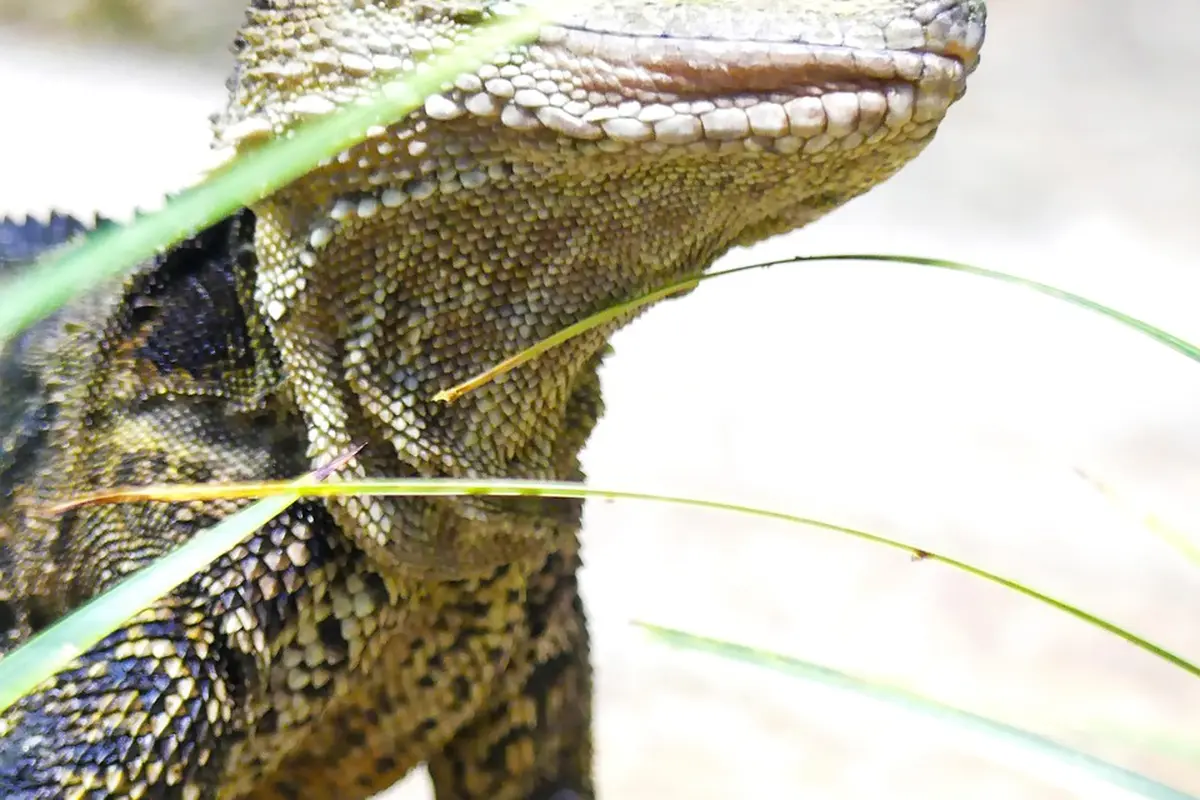
This is a question I get a lot, and my answer is always the same: you must proceed with extreme caution. While the idea of plucking a caterpillar from a garden leaf seems natural, it can be one of the most dangerous feeding choices you make.
The Hidden Dangers of Stinging or Venomous Caterpillars
Many caterpillars have developed sophisticated defense mechanisms that can seriously harm your dragon. Their fuzzy or spiny hairs aren’t just for show; they can be urticating, meaning they contain venom that causes painful reactions. That’s why many bearded dragon diet guides flag caterpillars as unsafe and warn against toxic bugs. Stick to safe, commonly recommended insects and avoid caterpillars and other hazardous bugs.
- I’ve seen dragons who have munched on the wrong caterpillar develop immediate mouth swelling and excessive drooling.
- Internal reactions are even scarier, leading to lethargy and a complete refusal to eat.
- Species like the Puss Moth caterpillar, Saddleback, and Io Moth caterpillar are common in many areas and are particularly dangerous.
Safe Caterpillars vs. Toxic Types
Generally, the rule is that wild-caught caterpillars are a hard “no.” The risk is just too high. The only caterpillars considered safe are those that are commercially bred specifically for reptile consumption.
- Safe (When Store-Bought): Hornworms (Goliath Worms), Silkworms, and Butterworms.
- Always Unsafe (Wild): Any caterpillar you find in your yard, on a plant, or near a light source. This includes the innocent-looking Monarch caterpillar, which feeds on toxic milkweed.
Choking and Digestive Health Concerns
Beyond venom, the physical form of a caterpillar is a problem. A large, wiggly caterpillar can easily become a choking hazard or cause a digestive impaction. Their bodies are often tougher and more fibrous than a standard cricket or roach.
- Their size and shape make them difficult to digest completely.
- I once had a scare with a dragon who regurgitated a large, partially digested caterpillar; it was a clear sign his system couldn’t handle it.
How to Identify Safe Moths and Caterpillars
Since wild insects are so risky, your goal is to learn how to identify what to avoid and what to safely purchase.
Visual and Behavioral Cues of Toxic Insects
Nature often provides clear warning signs. Teach yourself to recognize these red flags.
- Bright Colors: Vivid reds, oranges, and yellows often signal toxicity (this is called aposematism).
- Dense Hair or Spines: The fuzzier or spikier it looks, the more you should avoid it.
- Unusual Markings: Stripes, spots, or eye-like patterns are frequently a warning.
Common Species: A Quick Guide
- Safe to Buy: Domesticated Silkworms, Hornworms, and Wax Moths (as a rare treat).
- Always Avoid: Garden Tiger Moths, Gypsy Moths, and any moth or caterpillar you cannot 100% identify from a reputable source.
Tips for Pesticide-Free Insect Sourcing
The poison isn’t always in the insect itself; sometimes it’s on it. Pesticides and herbicides on store-bought produce or wild plants are a silent killer for insect-eating pets.
- Only purchase feeder insects from trusted, reputable reptile supply companies.
- If you raise your own, always feed them organic, thoroughly washed greens.
- Never, ever collect insects from areas that may have been sprayed with chemicals, like farms, public parks, or your own garden if you use any treatments.
Best Practices for Feeding Moths and Caterpillars
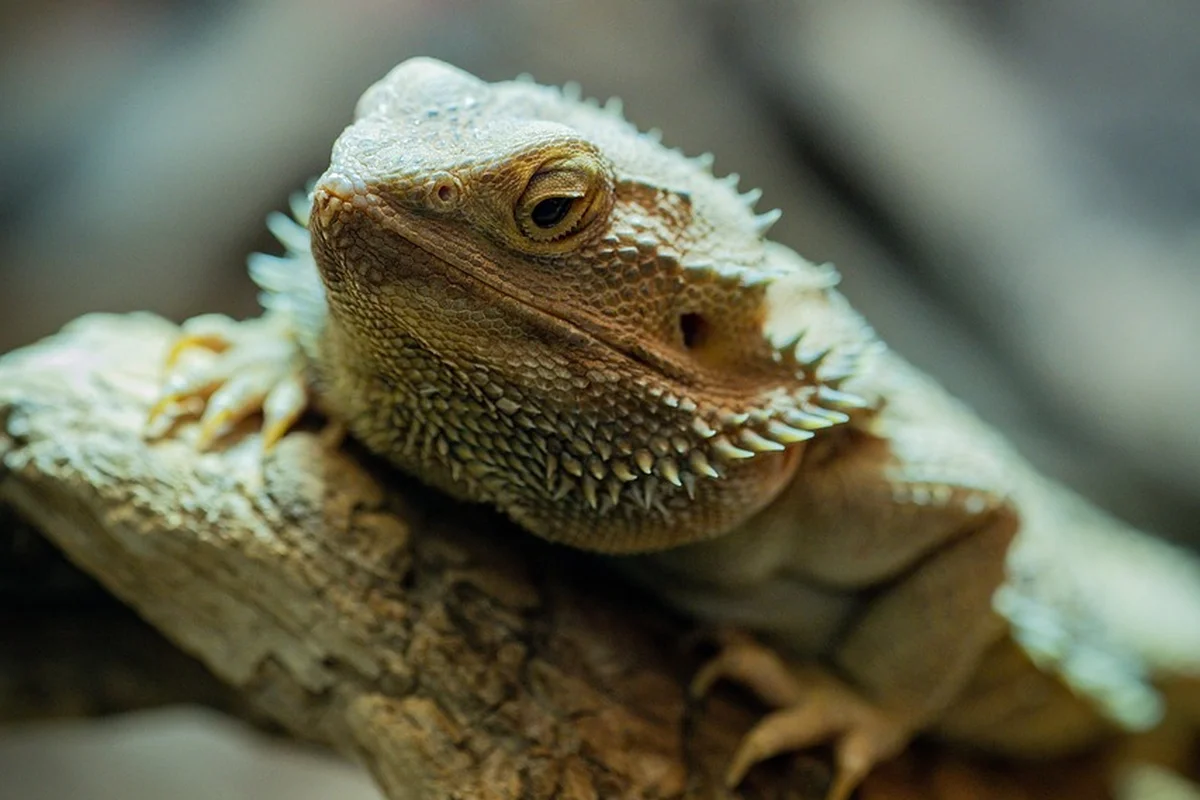
If you decide to offer a commercially bred caterpillar or moth, doing it correctly is non-negotiable for your dragon’s health.
Gut Loading and Supplementation
You are what you eat, and so is your bearded dragon. Proper nutrition starts with what you feed the feeder insect 24-48 hours before it becomes a meal. For a practical answer on daily feeding, a complete feeding guide can help you tailor portions and variety to your dragon’s age and health. It also explains how often to feed and how to adjust as your dragon grows.
- Gut Load: Feed your caterpillars a nutrient-rich diet of high-calcium greens like collard greens, dandelion greens, and sweet potato.
- Calcium Dusting: Immediately before offering the insect to your dragon, lightly dust it with a phosphorus-free calcium powder. For most moths and caterpillars, do this at every feeding.
- Vitamin D3: A couple of times a week, use a calcium powder that includes D3 to aid in calcium absorption, unless your dragon gets direct, outdoor UVB sunlight regularly.
Prey Size and Feeding Frequency
The size of the treat matters more than you might think. A good rule is to never feed an insect that is wider than the space between your bearded dragon’s eyes. For daily feeding, our guide explains how many bugs to offer at each life stage to keep your dragon healthy through all stages of life. It helps you tailor portions as your beardie grows.
- For juvenile dragons, stick to smaller, softer caterpillars like small silkworms.
- Adults can handle a larger hornworm, but it should still be an appropriate size.
- Treat these insects as just that-a treat. They should not be a staple. Offer them once a week at most.
Observation and Preparation
Your job isn’t over once your dragon swallows the insect. Always monitor your pet for several hours after introducing any new food to watch for adverse reactions like lethargy or lack of appetite, especially when feeding them questionable bugs like stink bugs.
- Serve the insect at room temperature. A cold insect straight from the fridge can slow your dragon’s digestion.
- Use feeding tongs to prevent accidental bites and to control the interaction.
- Always feed in a clean enclosure to prevent the insect from hiding under substrate and decaying.
Signs of Insect Poisoning and Emergency Response
I’ve been lucky to never face a serious poisoning scare with my own dragons, but I know the fear is real. Recognizing the symptoms early can make a life-saving difference for your pet. If your bearded dragon has eaten a toxic insect, you might see a combination of these signs. Are bearded dragons venomous or poisonous? Let’s unpack the facts about their toxicity and what that means for care and safety.
Symptoms of Poisoning
- Lethargy or unusual weakness; they may not want to move.
- Vomiting or regurgitation.
- Loss of appetite or refusing food entirely.
- Excessive salivation or drooling.
- Diarrhea, sometimes with abnormal color.
- Tremors, shaking, or a loss of coordination.
- Visible swelling around the mouth or throat.
- Difficulty breathing.
Immediate Steps to Take
If you see any of these symptoms, stay calm but act quickly. Your dragon is counting on you.
- Immediately remove any remaining insects from the enclosure.
- Provide fresh, clean water in a shallow dish. Do not force them to drink.
- Keep your dragon warm and in a quiet, stress-free environment. This helps support their immune system.
- Call your exotic veterinarian or an emergency animal clinic right away. Describe what they ate and all the symptoms you are observing.
Time is not on your side in a potential poisoning case, so professional veterinary care is non-negotiable. Do not attempt home remedies or try to induce vomiting. An exotic vet has the specific knowledge and medications to provide the correct supportive care, like fluids or activated charcoal.
Safe Feeder Alternatives to Moths and Caterpillars
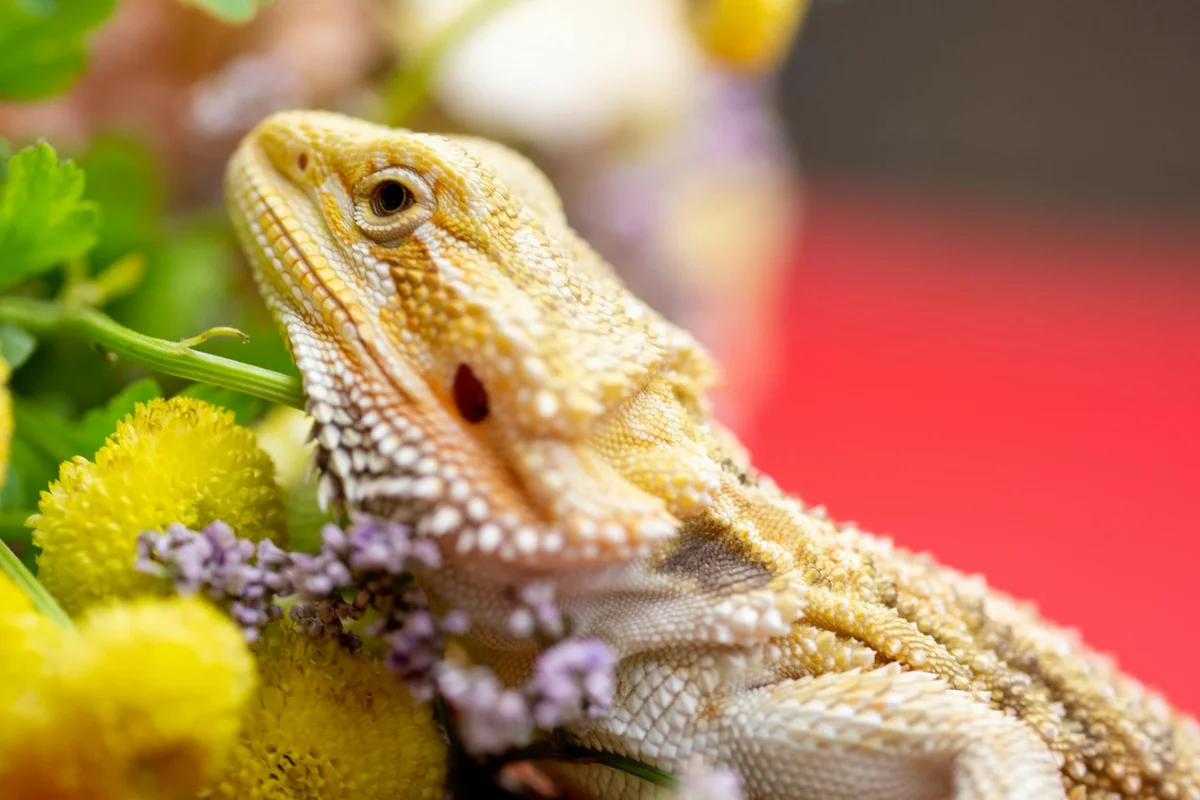
Variety is fantastic for a bearded dragon’s diet and mental stimulation. Thankfully, there are many safe, nutritious, and enriching feeder insects that eliminate the risks of wild-caught bugs. I rotate through these with my own dragons to keep mealtime exciting. When selecting insects, it’s crucial to understand which bugs are safe versus dangerous for bearded dragons.
Recommended Safe Feeder Insects
- Dubia Roaches: A stellar staple. They are protein-rich, have a great meat-to-shell ratio, and are easy to digest.
- Black Soldier Fly Larvae (Calci-Worms®/Phoenix Worms): My go-to for a calcium boost. They have an almost perfect calcium-to-phosphorus ratio.
- Crickets: A classic choice. They provide good exercise for your dragon but require more careful gut-loading.
- Silkworms: Excellent for hydration and packed with protein. They are also very soft and easy to eat.
- Hornworms: A fantastic hydration treat. Their bright blue color really seems to pique my dragons’ interest.
Nutritional Comparison
Let’s compare these safer options to a typical moth or caterpillar. Wild moths are often high in fat with a poor calcium-to-phosphorus ratio, which can hinder calcium absorption. In contrast, silkworms and hornworms offer superior hydration with better overall nutrition. Dubia roaches and Black Soldier Fly Larvae provide a controlled, balanced profile that supports bone health far better than any random garden insect.
Maintaining Enrichment Safely
You can still provide the thrill of the hunt without the danger.
- Use a feeding dish for worms, but let crickets or roaches roam in the enclosure for short, supervised sessions.
- Create a “salad hunt” by hiding some of their favorite feeder insects within their daily greens.
- Introduce new safe feeders one at a time to monitor for any individual sensitivities.
Sticking to commercially bred feeders is the single best way to ensure your dragon’s safety while keeping their diet varied and engaging. It gives me so much peace of mind knowing exactly what goes into my pets.
Frequently Asked Questions
Are moths poisonous to bearded dragons?
Not all moths are inherently poisonous, but many can be toxic due to the plants their caterpillar forms consumed, so it’s safest to avoid wild moths entirely.
Are moths good for bearded dragons?
While moths can offer minor benefits like protein and mental enrichment from hunting, the risks of toxicity, parasites, and pesticides make them a poor dietary choice compared to safer feeder insects.
Can bearded dragons eat wax moths?
Yes, adult wax moths are generally safe if they come from a clean, captive-bred culture, but they should only be offered as an occasional treat due to their high fat content.
Final Thoughts
When it comes to feeding moths and caterpillars, the safest choice is always the one you make yourself. I stick to commercially bred feeders for my own dragons because I’ve seen how unpredictable wild insects can be. This simple rule helps you avoid the hidden dangers of pesticides and parasites that wild-caught insects carry. The same caution applies to grasshoppers, a common bearded dragon snack. A safety guide on wild vs store-bought grasshoppers can help you weigh risks and choose the safer option.
Your bearded dragon’s health is worth more than a free snack. There are so many fantastic, safe, and nutritious staple feeders available that taking a risk with a wild moth just isn’t necessary. Providing a well-researched diet is one of the best ways to ensure your scaly friend lives a long and vibrant life. For a complete guide to safe foods for bearded dragons, see our guide.
Further Reading & Sources
- Can Bearded Dragons Eat Moths? Vet-Reviewed Nutrition Facts & FAQ | Hepper Pet Resources
- Can Bearded Dragons Eat Caterpillars, Coriander, Moths, and Butterflies? Expert Answers
- Bearded Dragons and Tobacco Worms (Hawk Moth Larva) – YouTube
Bearded Dragon Lair is the ultimate resource for bearded dragon enthusiasts, offering expert advice and practical tips to ensure the health and happiness of your scaly companion. With years of experience in reptile care, we are dedicated to providing accurate, up-to-date information to support your bearded dragon journey.
Insects vs. Vegetables