
Can Bearded Dragons Eat Pomegranate and Papaya?
Published on: January 27, 2026 | Last Updated: January 27, 2026
Written By: Beardie Joe
It’s a common question for any beardie owner staring at a colorful fruit bowl and wondering what’s safe to share.
As a long-time reptile keeper with a passion for animal welfare, I’ve navigated these exact questions to keep my own dragons healthy and happy.
We’ll cover the benefits, the risks, and the correct way to prepare these fruits so you can feed with confidence.
Are Papayas Safe for Bearded Dragons?
Yes, your bearded dragon can absolutely have papaya, and in my experience, many of them go absolutely wild for its sweet, tropical flavor. I’ve seen my own dragon, Ember, do a little happy head-bob for a piece of ripe papaya. If you’re wondering about oranges and other citrus fruits, bearded dragons are typically advised to avoid them due to acidity. Papaya is not only safe but also offers some genuine nutritional perks when fed correctly.
This fruit is a fantastic source of Vitamin A and Vitamin C, which support your dragon’s immune system, vision, and skin health. It also contains an enzyme called papain, which can be a gentle aid for their digestion. Be sure to include it in a balanced diet alongside other favorite fruits and veggies for your bearded dragon.
How to Prepare Papaya for Your Beardie
Getting the papaya ready is simple, but you must do it right to avoid any issues.
- Always choose a ripe papaya. The flesh should give slightly under pressure and be a vibrant orange or pinkish-red color.
- Wash the outside of the fruit thoroughly to remove any pesticide residue.
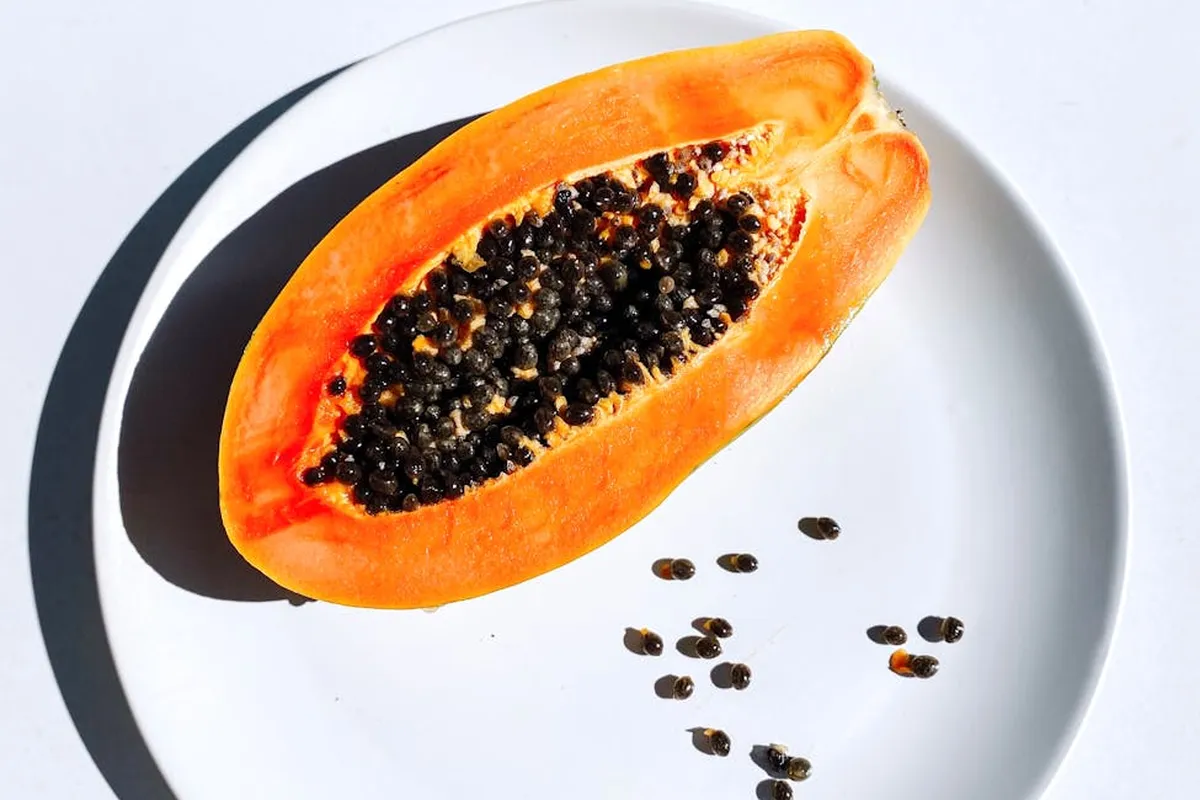
- Cut the papaya in half and scoop out all the black seeds. The seeds are a choking hazard and should never be fed.
- Slice a small piece of the soft flesh away from the skin. The tough skin is difficult for them to digest and should be completely removed.
- Chop the papaya flesh into tiny, bite-sized pieces appropriate for the size of your dragon’s mouth.
Feeding Frequency and Portion Size
While papaya is beneficial, its sugar content means it should remain a treat, not a staple.
- Offer papaya only once every week or two as part of their fruit rotation.
- A good portion size is about one or two small cubes, no larger than the space between their eyes.
- Always mix the papaya pieces into a salad of staple greens like collard or mustard greens. This encourages them to eat their veggies and balances the meal.
Treating papaya as a special occasion snack helps prevent obesity and other health issues related to high sugar intake. Watching them enjoy it is part of the fun of being a reptile parent!
Are Pomegranates Safe for Bearded Dragons?
This is a trickier question. The juicy red seeds, or arils, inside a pomegranate are technically safe for bearded dragons to eat in very strict moderation. However, I personally consider pomegranate a “proceed with extreme caution” fruit, not a regular go-to treat. For reference on fruits bearded dragons can eat, consult a complete safe/unsafe list to guide your choices. That list clearly marks which fruits are acceptable and which to avoid.
The tough, inedible rind and the white pith are absolutely off-limits as they are difficult to digest and offer no nutritional value. You are only ever serving the tiny, juicy arils.
The Significant Downsides of Pomegranate
There are a few reasons why pomegranate is a rare guest in my dragons’ enclosure.
- High Sugar Content: Pomegranate arils are very high in sugar, which can lead to weight gain and digestive upset if fed too often.
- Acidity: The fruit is quite acidic, which can be harsh on your dragon’s digestive system.
- Massive Mess: Let’s be real, pomegranate juice stains everything a violent red. It will end up all over your dragon’s face, the terrarium walls, and you.
I once gave my first dragon, Smaug, a single aril, and he looked like a tiny, scaly crime scene investigator. The cleanup was not worth the minimal benefit.
How to Offer Pomegranate (If You Still Want To)
If you decide to offer a taste, follow these steps meticulously.
- Purchase a fresh pomegranate and carefully extract the arils, ensuring no pieces of the white membrane are included.
- Select just 2-3 arils for one serving. This is more than enough for a taste.
- Crush the arils slightly with the back of a spoon to release the juice and make the inner seed easier to manage. Some dragons might try to swallow them whole.
- Mix these crushed arils thoroughly into their regular salad. This helps dilute the sugar and acidity.
Feeding pomegranate should be an extremely rare event, no more than once a month, if at all. For the same vibrant color and a much safer option, consider a tiny piece of raspberry or strawberry instead. Your dragon’s health is always the top priority.
Nutritional Benefits of Papaya and Pomegranate
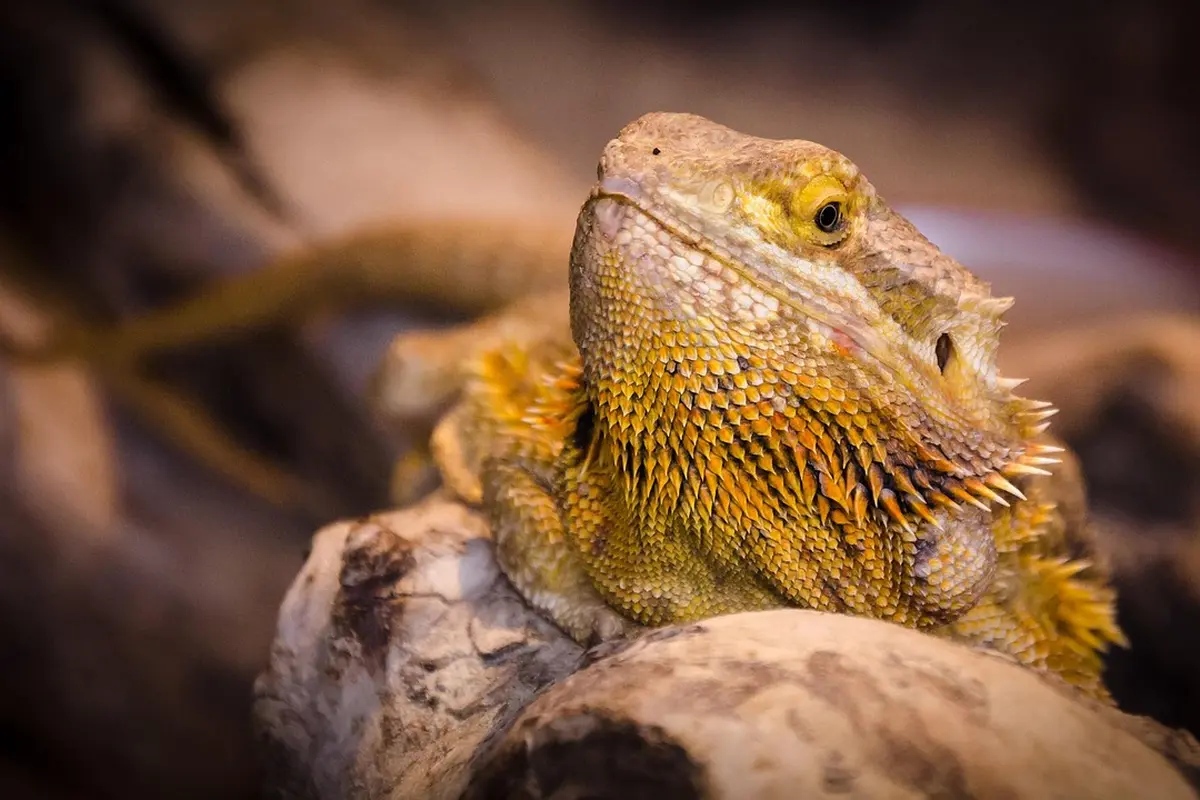
Before you share a tasty morsel, it’s smart to know what’s actually in it for your scaly pal. Both of these fruits offer specific vitamins that can be a nice boost to a well-rounded diet. In a bearded dragons eat berries guide, raspberries, blackberries, and more are discussed as tasty but occasional treats. I always check the nutritional profile of any new food I consider for my dragons.
Papaya Nutrition Deep Dive
Papaya is a fantastic source of digestive enzymes, which is a huge plus for our bearded friends. Here’s what makes it a worthwhile occasional treat:
- Papain: This enzyme helps break down proteins, which can aid your dragon’s digestion after a big meal of insects.
- Vitamin A: Crucial for maintaining healthy eyes, skin, and cell function.
- Vitamin C: Supports a healthy immune system and acts as an antioxidant.
- Fiber: Helps keep their digestive system moving smoothly.
The high water content is great for hydration, but it also means the sugar is less concentrated than in some other fruits. I see it as a more hydrating option compared to, say, a banana.
Pomegranate Nutrition Deep Dive
Pomegranate arils are like tiny nutritional powerhouses, but they come with a caveat. The benefits are impressive:
- Potassium: This mineral is vital for proper nerve function and muscle health.
- Vitamin K: Plays a key role in blood clotting and bone metabolism.
- Antioxidants: Pomegranates are packed with them, helping to combat cellular damage.
- Folate: Supports healthy cell growth and division.
You must balance these benefits against the higher sugar content and the potential for the seeds to cause impaction if fed in large quantities. It’s a “less is more” kind of fruit in my home.
How to Prepare and Serve Pomegranate and Papaya
Proper preparation is non-negotiable for your dragon’s safety. Taking a few extra minutes in the kitchen prevents most feeding hazards. I have a dedicated little cutting board just for my dragons’ fresh foods.
Preparing Papaya for Your Dragon
Papaya is relatively straightforward to get ready. Follow these steps for a safe serving:
- Select a ripe papaya that yields slightly to gentle pressure.
- Wash the outer skin thoroughly to remove any pesticides or dirt.
- Slice the fruit in half lengthwise and scoop out all the black seeds with a spoon. Do not feed the seeds.
- Scoop out the soft, orange flesh and chop it into tiny, bite-sized pieces. The pieces should be no larger than the space between your dragon’s eyes.
I always serve the papaya flesh fresh and at room temperature for the easiest digestion. Chilled food straight from the fridge can shock their system.
Preparing Pomegranate for Your Dragon
Pomegranates require a bit more patience, but it’s worth the effort. Here’s my method:
- Cut the pomegranate in half or into quarters.
- Gently pry out the juicy red arils (the seed casings) into a bowl.
- This is the critical part: inspect each aril. You must ensure every single piece of the hard, white internal seed is removed. I gently squeeze the aril to pop the juice out and discard the seed.
- Offer only the soft, juicy red pulp and casing to your dragon.
Feeding the hard internal seed is a major impaction risk, so don’t rush this process. I usually do this while watching TV-it’s my zen time for pet care.
Feeding Guidelines: Portion Size and Frequency
Even with safe, well-prepared fruit, moderation is your guiding principle. Fruits are a treat, not a staple, and should never replace their primary diet of leafy greens and insects. I think of fruit as the occasional dessert in their otherwise healthy meal plan.
- Frequency: Offer papaya or pomegranate no more than once every one to two weeks. Rotate them with other safe fruits to provide variety.
- Portion Size: A good serving is 1-2 teaspoons of chopped fruit for an adult dragon. For a juvenile, even less-just a few tiny pieces.
- Salad Topper: The best way to serve fruit is mixed into a large salad of staple greens like collard or mustard greens. This encourages them to eat their veggies and dilutes the sugar intake.
Always observe your dragon after introducing any new food to watch for any changes in their behavior or droppings. What works for one dragon might not sit well with another, so personal observation is your most valuable tool.
Potential Risks and What to Monitor
Even with healthy foods, moderation is our golden rule. Feeding too much fruit, even the safe kinds, can lead to serious health issues over time. I always watch my dragons closely after introducing any new treat. Bananas can be a rare, safe fruit for bearded dragons when used in tiny portions. I follow a bananas nutrition portions safety guide to ensure treats stay healthy and don’t upset calcium-to-phosphorus balance.
Risks Specific to Papaya
Papaya is a fantastic treat, but its high sugar and moisture content are the main things to watch. In my experience, offering it too often can cause digestive upset.
- High Sugar Content: Can lead to weight gain and puts stress on their liver if fed in large quantities.
- Loose Stools: The high water content might cause runny poop, a clear sign you’ve offered too much.
- Seeds are a Hazard: You must remove all seeds. They are a choking risk and can cause impaction.
Risks Specific to Pomegranate
Pomegranate requires a bit more prep work from you. The risks here are more immediate and physical.
- Choking and Impaction: The hard, seed-like arils (the juicy part) are the perfect size to block a dragon’s throat or digestive tract. I only offer the juice from crushed arils to avoid this entirely.
- High Acidity: This can irritate their stomach lining, leading to discomfort or a lack of appetite.
- Tannins: The skin and membrane contain tannins, which can interfere with protein digestion and nutrient absorption.
Other Safe Fruits for Bearded Dragons

Variety is the spice of life, and that applies to your bearded dragon’s salad bowl too! Rotating through a selection of safe fruits keeps their diet interesting and nutritionally diverse. Here are some of my go-to options that my dragons get excited about, as outlined in our guide to safe fruits for bearded dragons.
- Figs: A great source of calcium, but they are also high in sugar. I use dried figs sparingly, rehydrated and mashed into a paste.
- Apples: A classic favorite. Always peel them and remove all seeds, as apple seeds contain cyanide.
- Berries: Raspberries, blueberries, and blackberries are packed with antioxidants. Their small size makes them easy to feed.
- Melons: Watermelon and cantaloupe are hydrating treats. I always remove the rind and seeds first.
- Mango: Another tropical favorite, but it’s very sugary. I treat it like papaya-a rare, special indulgence.
- Peaches and Pears: These are soft and easy to eat. Just remember to remove the pits from peaches and the seeds from pears.
I like to think of fruit as the dessert of the reptile world. It should never make up the bulk of their diet, but a tiny piece once a week can be a wonderful enrichment activity. Seeing them perk up for a juicy blueberry is one of the small joys of being a beardie owner. Bearded dragons can eat blueberries, strawberries, and raspberries in moderation, along with a few other safe fruits. They appreciate a little variety, but fruit should remain a small part of a balanced diet.
Frequently Asked Questions
Can bearded dragons eat pomegranate?
Yes, but only in strict moderation as an occasional treat due to its high sugar and acidity, which can cause digestive issues if overfed.
Can bearded dragons eat pomegranate seeds?
The juicy red arils (seeds) can be offered if crushed to release the juice and reduce choking risk, but the hard inner seeds should be avoided to prevent impaction.
Can bearded dragons have dragon fruit?
Yes, dragon fruit is safe as an occasional treat, providing hydration and vitamins, but feed in small amounts due to its sugar content to avoid health problems. For bearded dragons, dragon fruit can be eaten, but only as an occasional treat. Slice it into small pieces and offer sparingly.
Final Thoughts
So, can your bearded dragon eat pomegranate and papaya? The short answer is yes, but only as a very occasional, tiny treat. Think of these sweet fruits like candy for your dragon-a rare delight, not a dietary staple. From my own experience, offering a single pomegranate aril or a small cube of papaya once a month is a safe way to add variety without risking their health.
Ultimately, a bearded dragon’s diet should be built on nutritious greens and live insects. Fruits like pomegranate and papaya are the fun, colorful sprinkles on top of an already healthy meal plan. Always prioritize their well-being by keeping fruit servings minimal and infrequent for a happy, thriving pet. This is part of a complete guide on safe foods for bearded dragons. Learn which greens, insects, and fruits are safe and in the right amounts.
Further Reading & Sources
- What Fruits Can Bearded Dragons Eat | Pet Care Advisors
- Can Bearded Dragons Eat Pomegranate? Vet-Reviewed Benefits, Risks & FAQ | Hepper Pet Resources
- Can Bearded Dragons Eat Pomegranate? Vet-Reviewed Benefits, Risks & FAQ | Hepper
Bearded Dragon Lair is the ultimate resource for bearded dragon enthusiasts, offering expert advice and practical tips to ensure the health and happiness of your scaly companion. With years of experience in reptile care, we are dedicated to providing accurate, up-to-date information to support your bearded dragon journey.
Feeding Guidelines