Can Bearded Dragons Eat Shrimp?
Published on: January 31, 2026 | Last Updated: January 31, 2026
Written By: Beardie Joe
It’s a common question I get from fellow owners looking to add variety to their pet’s diet.
With years of experience caring for my own dragons, I’m here to give you the clear, welfare-focused answers you need.
We’ll cover the risks of feeding shrimp, settle the prawn and crawfish debate, and outline much safer, healthier food alternatives.
Understanding Bearded Dragon Diet and Seafood
Basics of Bearded Dragon Nutrition
Getting their diet right is the single most important thing you can do for your beardie’s health. I’ve found that thinking of their plate in percentages makes it much easier to manage: juveniles need about 80% protein and 20% veggies, while adults flip that to about 80% plant-based food and 20% protein. This shift is crucial as they grow to prevent obesity and organ strain.
Protein Sources in Bearded Dragon Diets
In the wild, their protein comes from a variety of crawling and hopping insects. In our homes, we replicate that. Staple feeders like dubia roaches, crickets, and black soldier fly larvae should form the core of their protein intake because their nutritional profile is perfectly suited for a beardie’s body. I always rotate through these staples to keep my dragons interested and to provide a range of nutrients. Think of seafood as completely outside of this natural, ideal menu. For more details on what to feed your beardie, check out this comprehensive feeding guide.
Can Bearded Dragons Eat Shrimp?
So, can you toss your bearded dragon a piece of your shrimp cocktail? The short and direct answer is no. Shrimp should not be a part of your bearded dragon’s diet, whether as a staple food or even as an occasional treat. While the thought of sharing our food with our pets is tempting, their bodies are not designed to process it safely. This is especially true for meat and cheese products, which can be harmful to them.
Nutritional Breakdown of Shrimp
Let’s look at what’s actually in that shrimp to understand why it’s a poor choice. On the surface, the high protein content might seem like a good thing.
- High Protein: Shrimp is packed with animal protein, but it’s far too much for a bearded dragon’s kidneys to handle efficiently, especially for adults.
- Phosphorus to Calcium Ratio: This is the biggest red flag. Shrimp has a terrible calcium-to-phosphorus ratio, often containing more than double the phosphorus compared to calcium.
- High Cholesterol and Fat: For a small reptile, the cholesterol and fat levels in shrimp are significant and can contribute to fatty liver disease over time.
- Chitin: The shell is made of chitin, which is difficult for them to digest and offers no nutritional benefit.
That imbalanced calcium-phosphorus ratio actively prevents your dragon from absorbing calcium, which can swiftly lead to metabolic bone disease (MBD). I’ve seen the devastating effects of MBD, and it’s a heart-breaking, preventable condition.
Risks of Feeding Shrimp to Bearded Dragons
Feeding shrimp introduces several serious health risks that simply aren’t worth the gamble.
- Metabolic Bone Disease (MBD): As mentioned, the high phosphorus binds to calcium, making it unusable. This leads to soft, weak bones, deformities, and paralysis.
- Digestive Impaction: The tough, fibrous nature of shrimp meat and shell can cause a dangerous blockage in their gut.
- Kidney Strain and Gout: The excessive protein and purines in shrimp can overwhelm their kidneys, leading to a painful condition called gout, where uric acid crystals form in their joints.
- Contaminants: Farm-raised shrimp can contain antibiotics, while wild-caught may have heavy metals like mercury.
When it comes to protein, sticking to gut-loaded insects is the safest and most nutritious path for your scaly friend. It’s one of the easiest ways to ensure they live a long, healthy, and active life in your care.
What About Prawns and Crawfish?
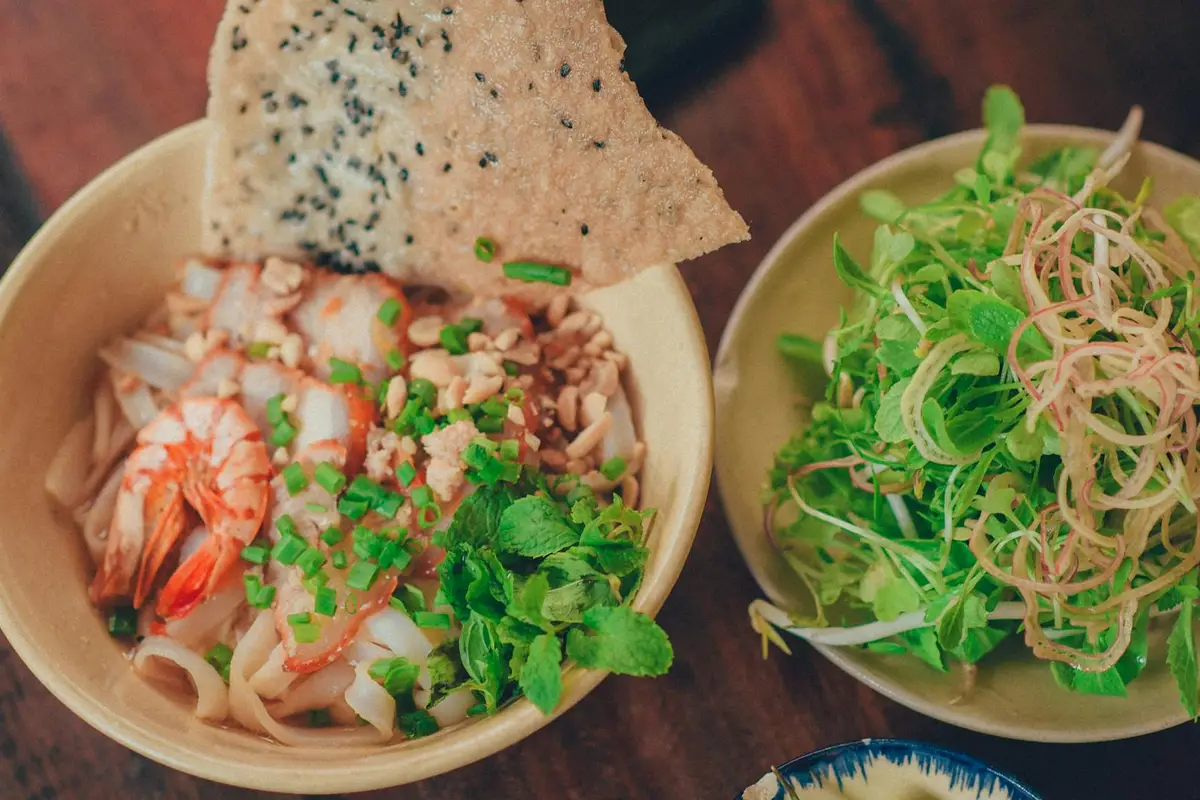
You might be looking at other shellfish in the seafood aisle and wondering if they’re any different. From my experience, the core problem with shrimp applies to its crustacean cousins, too.
Prawns vs. Shrimp for Bearded Dragons
In terms of nutrition and risk for your bearded dragon, prawns and shrimp are virtually identical. The names are often used interchangeably in cooking, and for our purposes, they present the same issues. Whether you call it a shrimp or a prawn, it’s still a small package of inappropriate nutrients and potential parasites that your dragon’s system isn’t designed to process. I don’t differentiate between them in my own pets’ diets-I simply avoid both.
Crawfish Specific Considerations
Crawfish (or crayfish) introduce a couple of extra concerns. They are often wild-caught from freshwater sources, which can increase their parasite load. Furthermore, their smaller size and notoriously tough exoskeleton make them a double threat. That hard, sharp shell is a significant impaction risk and could potentially cause internal damage if a piece were to be swallowed. The risks here are even more pronounced than with shrimp or prawns.
Preparing Shrimp, Prawns, and Crawfish for Bearded Dragons
If, after understanding the risks, you are still considering offering a tiny piece as a rare, one-off curiosity, the preparation is non-negotiable for safety. I have never done this with my own dragons, but the protocol is clear.
Raw or Cooked: Which is Safer?
You must always cook the shellfish. Never, ever feed it raw. Cooking is the only way to kill harmful bacteria and parasites that could make your bearded dragon severely ill. The cooking process must be plain—no oil, butter, salt, spices, or seasoning of any kind. Steaming or boiling in pure water is the only safe method. This ties into our bearded dragons eat complete guide on safe foods. For a full list of safe food options and how to prepare them, please refer to the complete guide.
Step-by-Step Serving Guide
- Select a single, small shrimp, prawn, or crawfish tail.
- Ensure it is thoroughly cooked and completely free of any seasoning.
- Let it cool down to room temperature.
- Peel away the entire exoskeleton, including the legs and tail shell.
- Remove the head if it’s still attached.
- De-vein the shellfish to eliminate the intestinal tract.
- Chop the small piece of meat into bits no larger than the space between your bearded dragon’s eyes.
Portion Sizes and Feeding Frequency
If you proceed, the portion must be microscopic. We’re talking a piece of meat half the size of your dragon’s smallest claw. This should be a once-in-a-blue-moon event, not a regular treat. Think of it as a curiosity, not a meal. I would not offer this more than once a year, if at all.
Health Risks and Signs of Digestive Issues
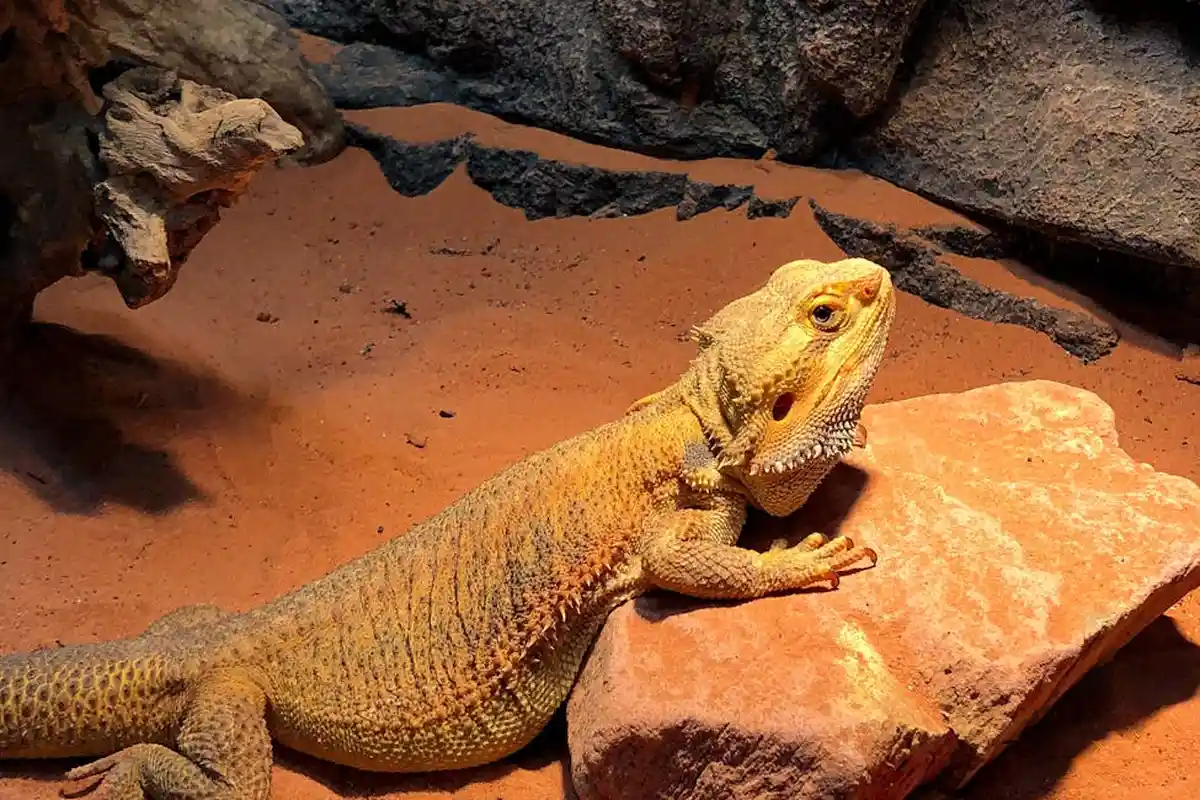
Feeding inappropriate food is a gamble with your pet’s health. Their digestive systems are delicate, and high-protein, high-fat, high-phosphorus foods like shellfish can cause serious problems.
Monitoring Your Bearded Dragon After Feeding
If you’ve given your dragon a piece of shellfish, watch them like a hawk for the next 48 hours. You are looking for any sign that their body is struggling to handle it. Be mindful of signs of choking such as coughing, gagging, labored or rapid breathing, or drooling after eating. If you notice any of these, consult a reptile vet promptly.
- Lethargy is a major red flag; if your normally active dragon becomes sluggish and unresponsive, it’s a sign of systemic distress.
- A lack of appetite for their regular staple foods indicates digestive upset.
- Watch for any changes in their bowel movements, including diarrhea, unusual coloration, or a complete lack of poop, which signals impaction.
- Signs of abdominal pain, such as a black, stressed beard for no apparent reason, or stretching their body out flat on the ground.
If you observe any of these symptoms, discontinue the food immediately and contact a reptile-savvy veterinarian. It’s always better to be safe and stick with the greens and insects you know they can thrive on.
Alternatives to Shrimp in Bearded Dragon Diets
Safe Insect and Protein Options
Since shrimp is a no-go, you might be wondering what protein sources you *should* be offering. I’ve raised many beardies over the years, and their healthiest, most vibrant periods were always on a diet of proper feeder insects. A diverse rotation of gut-loaded insects is the absolute cornerstone of a healthy bearded dragon’s diet. Wondering if you should feed daily? A complete feeding guide can help you decide and show daily portions, greens, and supplements.
Here are the staple insects I rely on for my dragons’ main meals.
- Dubia Roaches: My personal top choice. They are meaty, not too jumpy, and have an excellent protein-to-fat ratio.
- Black Soldier Fly Larvae (Calciworms®/Phoenix Worms): These are fantastic. They are naturally high in calcium, which reduces the amount of powder supplement you need to use.
- Crickets: A classic feeder. They provide good exercise as your dragon chases them, but make sure to remove any uneaten ones from the tank.
- Silkworms: Another excellent, nutrient-dense option that is soft and easy for beardies to digest.
Think of these next insects as the occasional treats. I give these to my crew maybe once a week for variety.
- Mealworms: Higher in fat and chitin, so I only offer these to my well-hydrated adult dragons sparingly.
- Superworms: Even higher in fat than mealworms. These are a “sometimes” snack, not a staple.
- Waxworms: The equivalent of dragon candy. Very high in fat, so I only use these as a rare treat or for encouraging a picky eater.
Sourcing and Supplementation for Seafood Feeds
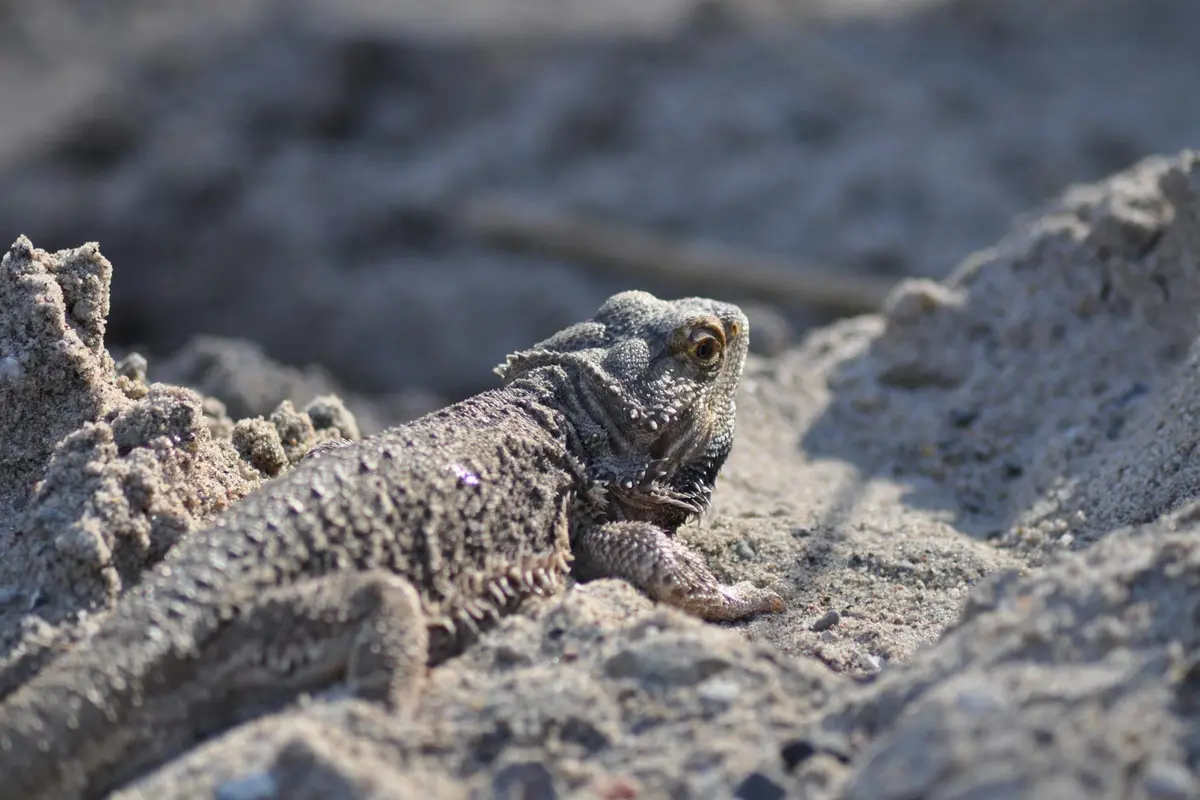
Choosing Quality Seafood for Your Beardie
Let’s be perfectly clear: the best choice is to avoid feeding seafood altogether. The risks of parasites, pollutants, and imbalanced nutrition are simply too high for an animal that didn’t evolve to eat it. Sticking to a diet of approved insects and greens eliminates the guesswork and inherent dangers of seafood. Some keepers ask whether bearded dragons can eat fish, such as tuna, salmon, or goldfish. Generally, though, it’s best to bearded dragons should avoid fish altogether. I have never intentionally fed my bearded dragons shrimp or prawns, and they have thrived because of it.
If you are ever considering another type of non-insect protein for a specific reason, the sourcing is everything. The goal is to find the cleanest, most natural option possible.
- Source Matters: Always choose human-grade seafood from a reputable supplier if you must. Avoid anything labeled as “bait” or from polluted waters.
- Freshness is Non-Negotiable: The seafood must be incredibly fresh. Any sign of a “fishy” smell means it’s already breaking down and is unsafe.
- Preparation is Key: It must be thoroughly cooked (steamed or boiled with absolutely no salt, oil, butter, or seasonings) to kill potential parasites.
- Supplementation is a Must: Any non-staple food will lack the proper calcium balance. You would need to lightly dust it with a calcium supplement before offering.
Ultimately, the reptile-keeping community and veterinarians advise against it for a reason. The potential for kidney damage and other health issues from the high phosphorus and purines in shrimp and prawns is a real and documented concern. Seeing a bearded dragon suffer from preventable gout, a painful condition linked to these compounds, is heartbreaking and something I work hard to avoid with my own pets. For bearded dragons, understanding how they excrete—what normal urine and urates look like and how often they should pee—is part of a complete guide to excretion health. This helps owners spot problems early and keep their pets healthy.
Frequently Asked Questions
Can bearded dragons eat dried shrimp?
No, dried shrimp are not safe for bearded dragons, as the dehydration process does not remove the high phosphorus content or chitin, which can still lead to metabolic bone disease and digestive impaction. Bearded dragons cannot safely consume dried shrimp or other toxic foods for bearded dragons.
Can bearded dragons eat river shrimp?
River shrimp should be avoided, as they pose the same risks as other shrimp, including an imbalanced calcium-to-phosphorus ratio and a higher potential for parasites from freshwater environments.
Can bearded dragons have shrimp balls or processed shrimp products?
No, shrimp balls or any processed shrimp products are unsafe due to added ingredients like salt, seasonings, or preservatives, and the shrimp itself remains nutritionally inappropriate for bearded dragons. When it comes to feeding bearded dragons, it’s crucial to stick to safe insects and bugs rather than processed foods.
Final Verdict
After looking at all the facts, my personal stance is clear: I don’t feed shrimp, prawns, or crawfish to my bearded dragons. The risks from high phosphorus, potential contaminants, and improper nutrients simply outweigh any possible benefit. Bearded dragons do eat wax worms, but they’re high in fat and low in calcium, so they should be an occasional treat rather than a staple. If you offer wax worms, give only small numbers and dust them with calcium (and vitamin D3) to help balance their nutrition. It’s a treat that asks for trouble in a pet that thrives on consistency.
Your dragon’s health is the top priority. Stick with well-researched, approved feeder insects like dubia roaches and crickets for their primary protein. This reliable approach keeps your scaly friend thriving for years to come, and that’s the most rewarding outcome for any dedicated owner.
Further Reading & Sources
- Can Bearded Dragons Eat Fish? Goldfish, Tuna, Shrimp and More – Dragon’s Diet
- Can Bearded Dragons Eat Shrimp? Vet Approved Facts & FAQ | Hepper Pet Resources
- Can Bearded Dragons Eat Shrimp? (Updated)
Bearded Dragon Lair is the ultimate resource for bearded dragon enthusiasts, offering expert advice and practical tips to ensure the health and happiness of your scaly companion. With years of experience in reptile care, we are dedicated to providing accurate, up-to-date information to support your bearded dragon journey.
Feeding Guidelines