How Long Can a Bearded Dragon Go Without Eating? (From Babies to Brumation)
Published on: December 6, 2025 | Last Updated: December 6, 2025
Written By: Beardie Joe
If your bearded dragon has suddenly lost its appetite, that pit in your stomach is something I know all too well from my own reptiles.
As a long-time owner of multiple bearded dragons, I’ve guided many worried keepers through this exact scare with clear, experienced advice.
We will explore safe fasting times for babies versus adults, decode the hibernation-like state of brumation, and pinpoint the exact signs that mean you should call a vet.
Fasting Duration by Life Stage: Babies, Juveniles, and Adults
Watching your dragon refuse a meal can be nerve-wracking. How long they can safely fast depends almost entirely on their life stage and metabolic demands. I’ve raised dragons from hatchlings to seniors, and their nutritional needs shift dramatically.
Here’s a quick comparison of safe fasting times. Remember, these are general guidelines for a healthy dragon in normal conditions.
| Life Stage | Approximate Age | Safe Fasting Duration | Key Considerations |
|---|---|---|---|
| Baby | 0 – 5 months | 24 hours or less | Extremely high metabolism for rapid growth. Starvation can begin within 1-2 days. |
| Juvenile | 5 – 18 months | Up to 2-3 days | Still growing quickly. A short fast is okay, but prolonged refusal needs investigation. |
| Adult | 18+ months | Up to 2 weeks (or more during brumation) | Slower metabolism and fat reserves. They can handle longer fasts, but weight must be monitored. |
Why Age Makes Such a Big Difference
Baby bearded dragons are like tiny, scaly eating machines. Their bodies are in a constant state of hyper-growth, requiring multiple feedings of protein-rich insects daily. A baby going more than a day without food is a major red flag; they simply don’t have the fat stores to sustain themselves. To connect this to practical care, a complete feeding schedule for babies typically involves multiple small insect meals per day. In practice, feed insects 2-3 times daily in small portions and offer greens as they grow.
Juveniles are in a middle ground. They’re still packing on size but are more resilient than babies. A skipped meal or two isn’t a crisis, but consistent refusal stunts their development and can lead to metabolic bone disease from lack of nutrients. I always keep a closer eye on my juveniles during shedding, as that can sometimes curb their appetite.
Healthy adult dragons are the camels of the reptile world. Their slower metabolism and larger body mass allow them to utilize stored fat for energy during periods of low food intake. An adult dragon on a hunger strike for a week is usually fine, provided they are otherwise alert and hydrated. You must, however, watch for significant weight loss along the spine and at the base of the tail.
Brumation Basics: When Not Eating is Normal Behavior
If your adult dragon suddenly loses interest in food and starts acting like a grumpy hermit, they might be entering brumation. Brumation is a state of dormancy or slowed metabolism, similar to mammalian hibernation, that many bearded dragons experience. It’s a completely natural, instinctual process, usually triggered by cooler temperatures and shorter daylight hours. During brumation, feeding is typically avoided as their metabolism slows. After brumation ends, gradually reintroduce a normal feeding routine.
A typical brumation period can last anywhere from a few weeks to four months. One of my adults once slept for almost three months straight! The duration varies wildly from dragon to dragon, and some may not brumate at all.
Signs of Healthy Brumation
It’s vital to recognize the difference between a sleepy dragon and a sick one. Here are the hallmarks of a healthy brumation cycle:
- Spending almost all their time hiding in a cool, dark spot.
- A significant and sudden drop in activity levels.
- Loss of appetite or a complete refusal of food.
- Sleeping for days or weeks at a time, waking only occasionally for a sip of water.
Brumation vs. Illness: How to Tell the Difference
This is the question I get most often from worried owners. The key is in the details. A brumating dragon will generally appear plump and healthy before slowing down, while a sick dragon will often show other worrying symptoms. Understanding the healthy vs sick signals helps you decide when to monitor and when to seek help. Look for changes in appetite, activity level, weight, or unusual stools as key warning signs.
- Weight: A brumating dragon maintains a good weight. A sick dragon will often lose weight rapidly and look emaciated.
- Alertness: When you gently handle a brumating dragon, they will usually be somewhat responsive. A lethargic, sick dragon often shows little to no reaction.
- Physical Signs: Illness often comes with other clues like sunken eyes, sticky mucus in the mouth, or a black, stressed beard that persists.
When in doubt, a veterinary check-up is always the safest choice to rule out parasites or other underlying health issues. I’ve done this myself for peace of mind, and it’s always worth it.
Red Flags: When Fasting Signals a Health Problem
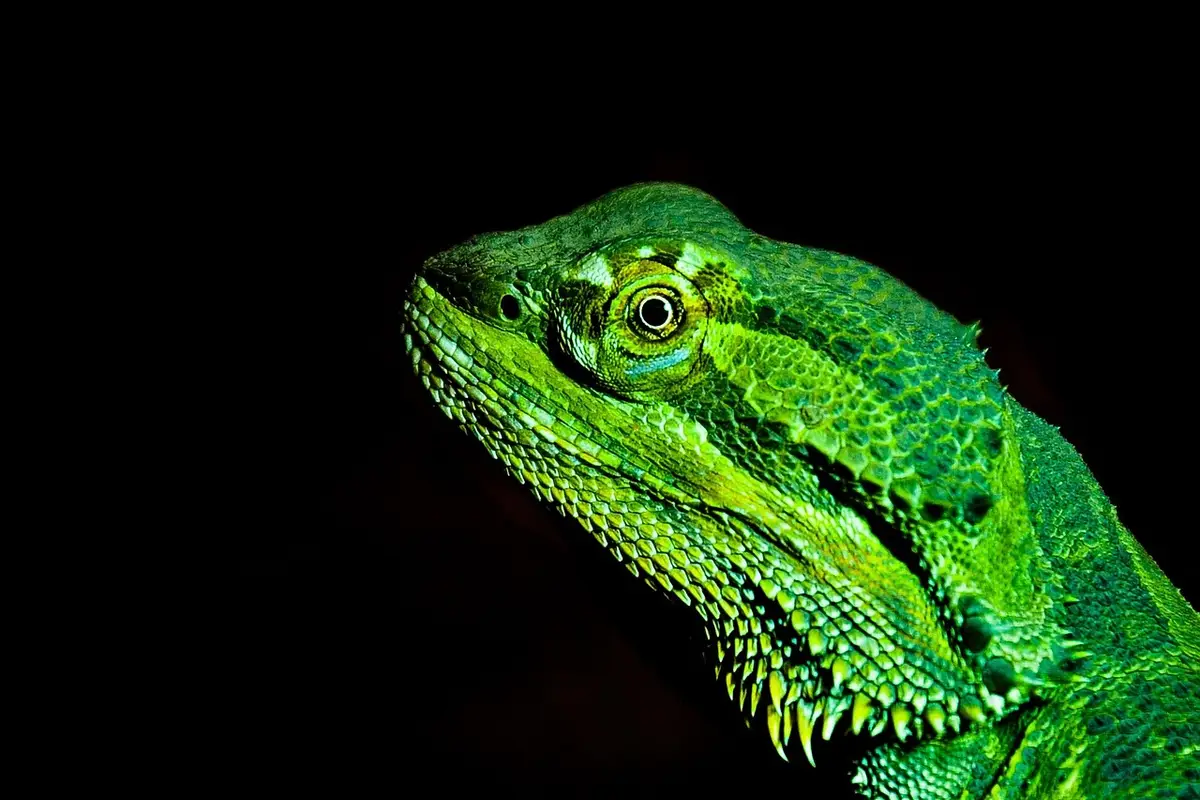
If your bearded dragon stops eating, it’s easy to feel worried. I’ve been there with my own dragons, and knowing the difference between a simple fast and a serious issue can save their life. Overfeeding can lead to obesity and digestive problems, so it’s worth watching for early signs and practicing proper portion control. Knowing the signs of overfeeding and how to prevent them is essential to your dragon’s health. Watch closely for these red flags that mean it’s more than just a skipped meal.
Signs of Anorexia and Weight Loss
Anorexia in bearded dragons isn’t just refusing food—it’s a prolonged lack of interest. In my experience, if a dragon hasn’t eaten for over a week and shows visible weight loss, it’s a major concern. You might notice their hip bones or spine becoming prominent, or their tail looking thinner. I once had a juvenile dragon who lost weight rapidly, and it turned out to be parasites. To help my bearded dragon gain weight safely, I follow a controlled, nutritious feeding plan and track progress. If weight loss recurs or is severe, I consult a reptile veterinarian.
- Visible ribs or spine
- Sunken fat pads on the head
- Loose skin around the body
Dehydration Symptoms
Dehydration can sneak up fast, especially if they’re not drinking or eating hydrating foods. Check for sunken eyes, wrinkled skin, or a lack of elasticity when you gently pinch their skin-if it doesn’t snap back quickly, they need fluids. I always keep an eye on my dragons’ water intake and mist them regularly to prevent this.
- Sticky or thick saliva
- Darkened urates (the white part of their poop)
- Lethargy and weakness
Stress Indicators and Lethargy
Stress can shut down their appetite completely. Look for black bearding, glass surfing, or hiding all the time. Lethargy is a big one-if your dragon isn’t basking or moving much, it’s a sign something’s wrong. I’ve seen this in new environments or with improper handling.
- Pacing or frantic behavior
- Loss of color vibrancy
- Reduced responsiveness to stimuli
When to Seek Veterinary Help Immediately
Don’t wait if you see multiple symptoms together. If your dragon has rapid weight loss, isn’t pooping, or shows signs of pain like gaping or twitching, get to a vet right away. As a reptile advocate, I stress that early intervention can prevent serious illness. Trust your instincts-you know your pet best.
- Combined weight loss and lethargy for more than a few days
- Signs of respiratory issues (wheezing, mucus)
- Any injury or suspected impaction
Common Causes of Appetite Loss in Bearded Dragons
Figuring out why your bearded dragon isn’t eating can feel like detective work. From my years of care, I’ve learned that small setup tweaks often solve big problems. Let’s break down the usual suspects, so you can check them off one by one. If you’re trying to figure out why your bearded dragon isn’t eating, this guide covers the common causes and practical solutions. We’ll go through each cause and show you how to address it.
Incorrect Temperature Gradient
Bearded dragons rely on heat to digest food. If their basking spot isn’t hot enough (around 95-110°F for adults) or there’s no cool area, they might stop eating. I use digital thermometers to monitor both ends of the tank—it’s made a huge difference for my dragons’ appetites. If your bearded dragon still won’t eat, recheck the temps and environment, since improper heat is a common culprit. If appetite doesn’t return after correcting the setup, consult a vet to rule out illness.
- Basking area too cold or too hot
- Lack of a temperature drop at night
- Inconsistent heating from poor equipment
UVB Lighting Issues
UVB light is non-negotiable for their health-it helps them absorb calcium. If the bulb is old (replace every 6-12 months) or the wrong type, appetite can plummet. I always recommend tube-style UVB lights over coils for better coverage. One of my dragons perked up instantly after I upgraded his lighting.
- UVB bulb too far from basking spot
- Using expired or low-output bulbs
- No daily light cycle (12-14 hours on)
Enclosure Setup Problems
A stressful home can kill their appetite. Things like wrong substrate (I avoid loose sand), cramped space, or lack of hides can cause anxiety. Make sure their tank feels safe and spacious-for adults, a 75-gallon minimum is my rule.
- Overcrowding with decorations
- Poor ventilation or high humidity
- Inadequate hiding spots
Diet Imbalances
Feeding too many insects or not enough greens can lead to nutritional issues. Juvenile dragons need more protein, but adults thrive on veggies. I balance my dragons’ diets with 80% greens for adults and 80% insects for babies-it keeps them eager to eat.
- Overfeeding fatty insects like waxworms
- Lack of variety in vegetables
- Feeding oversized prey that causes impaction
Supplementation Errors
Too much or too little calcium and vitamins can cause metabolic bone disease or other issues. I dust insects with calcium powder 5 times a week and multivitamins twice a week for my adults. Getting this wrong once led to soft bones in one of my rescues.
- Over-supplementing with vitamin D3
- Using expired supplements
- Not gut-loading insects before feeding
Hydration Issues
Dehydration from low humidity or not offering water can reduce appetite. I mist my dragons and their greens daily, and provide a shallow water dish-some even enjoy a warm bath to encourage drinking.
- Insufficient misting or bathing
- Dry greens without added moisture
- Ignoring signs of thirst like licking surfaces
How to Monitor Health and Hydration During Fasting
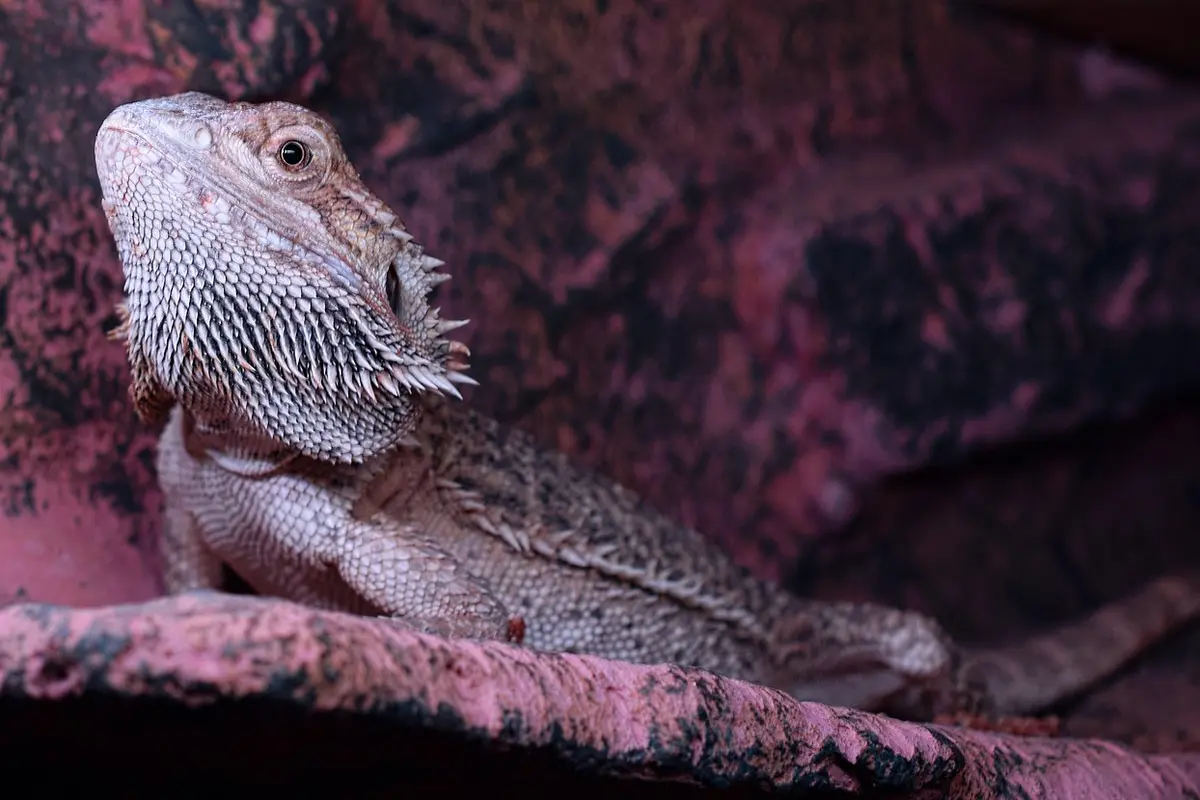
When your bearded dragon isn’t eating, your job shifts from feeder to detective. Your daily observation becomes the most critical tool for ensuring their well-being. I make it a part of my morning routine, just like having my coffee. A complete feeding schedule—knowing how often to feed and what to offer each day—helps keep that routine consistent. When you have a clear rhythm, you can tell if something’s off at a glance.
Your Daily Health Check Routine
- Weigh Them Weekly: Use a small kitchen scale. A stable weight is a good sign; rapid loss is a red flag. I keep a simple notebook log for my dragons.
- Observe Their Energy: Are they still alert and bright-eyed when you approach? Lethargy that seems more like weakness than relaxation is concerning.
- Check Body Condition: Gently feel their hip bones and the base of their tail. You should not feel sharp, prominent bones. This is a sign of significant weight loss.
- Monitor Their Posture: A healthy, fasting dragon should still be able to hold its head up and move normally. A flattened, limp posture often signals a problem.
Spotting and Solving Dehydration
Hydration is even more important than food during a short fast. Dehydration can sneak up quickly and become a serious health emergency. Watch for these subtle cues.
- Sunken, dull-looking eyes
- Loose, wrinkly skin that doesn’t snap back quickly when gently pinched
- Thick, stringy saliva or a loss of skin elasticity
To keep them hydrated, I offer water in a few ways. A gentle misting on their snout with a spray bottle often prompts them to lick the water droplets. You can also try offering water from a plastic syringe (without the needle) drop by drop. A shallow bath for 15-20 minutes a few times a week lets them absorb water through their vent.
Brumation Safety First
Brumation is a natural sleep cycle, but it’s not a time to forget about your pet. You must continue to offer water every one to two weeks, even if they are asleep. Gently place them in a shallow bath or mist their lips.
- Weigh them every 2-3 weeks to ensure weight loss is minimal.
- Make sure their hide is in a quiet, dimly lit, and cool part of the enclosure.
- Keep their substrate clean and dry to prevent skin infections while they are inactive.
Recovery Feeding Plans After Fasting or Brumation
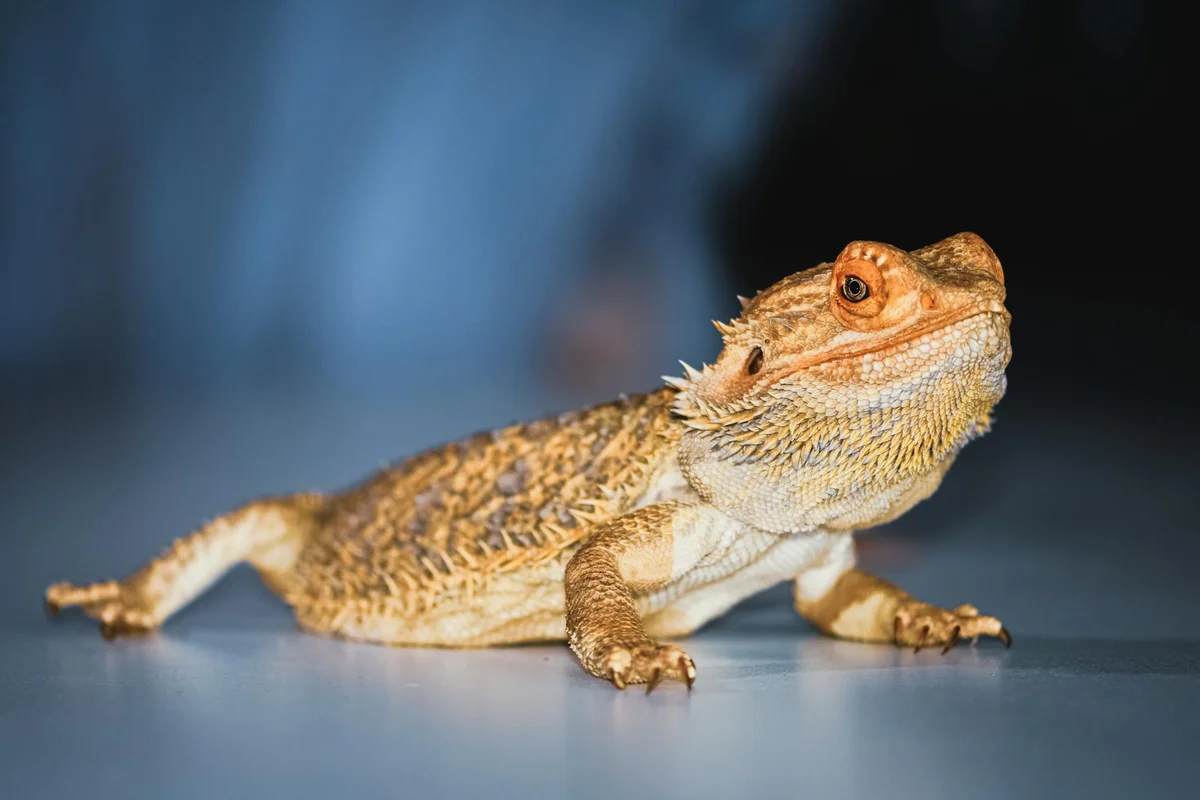
When your dragon is ready to eat again, the biggest mistake you can make is offering a huge meal right away. Their digestive system needs to wake up slowly and gently to avoid serious complications like impaction. I learned this the hard way with my first dragon, who got very sick from an overeager welcome-back meal.
Your Step-by-Step Refeeding Strategy
- Hydrate First: Before any food, offer a warm bath and misting sessions. Proper hydration gets their gut moving again.
- Start with Simplicity: Their first meal should be something easy to digest. I always use fresh, moist greens like collard greens or a simple, watery vegetable like grated squash.
- Introduce Protein Slowly: After 2-3 days of successful greens eating, offer a few small, feeder insects. Think 3-5 small crickets or dubia roaches, not a dozen.
- Gradually Increase Portions: Over the next week, slowly increase the number of insects and the variety of greens based on their appetite and healthy poops.
- Return to Normal: After about 7-10 days of steady eating and normal behavior, you can resume their regular, balanced diet.
Best Foods for a Gentle Restart
Choosing the right food is crucial for a smooth recovery. You want to provide maximum nutrition with minimal digestive strain. Avoid hard-shelled insects like superworms at first.
- Greens: Collard greens, dandelion greens, mustard greens. These are nutrient-packed and hydrating.
- Easy Veggies: Grated butternut squash, finely chopped bell pepper.
- Initial Protein: Small dubia roaches, small crickets, or even waxworms as a high-fat treat to kickstart their energy.
Portion size is everything. I offer a small salad daily and a modest portion of insects every other day for the first week. Watch their belly; a slight bulge is perfect, a large, hard distension means you’ve gone too far, too fast. Their body will tell you what it needs if you pay close attention.
FAQs
How long can a bearded dragon not eat before it becomes dangerous?
This depends on age and health; babies may face starvation within 1-2 days, while adults can safely fast for up to two weeks under normal conditions. Always watch for rapid weight loss or lethargy, as these signal a need for veterinary care.
Why might a bearded dragon stop eating and drinking suddenly?
Sudden appetite loss often stems from incorrect temperatures, inadequate UVB lighting, or stress from enclosure issues. If these are ruled out and other symptoms like black bearding or sunken eyes appear, seek veterinary advice promptly.
What are some quick facts about bearded dragon fasting habits?
Bearded dragons are ectotherms, relying on heat to digest food, and can naturally fast for months during brumation. Being cold-blooded, they regulate their body temperature through external heat sources, so access to a proper basking spot and heat gradient is essential for their digestion and metabolism. However, hydration is critical during any fast to prevent dehydration, which can occur faster than starvation.
Final Thoughts
As you can see, the question of how long a bearded dragon can go without food doesn’t have one simple answer. Their age, overall health, and even the season all play a massive role in what’s normal and what’s a red flag. My own dragons have taught me that observing their unique habits is just as important as knowing the general rules. That’s why it helps to follow a complete feeding schedule to know how often to feed. In the rest of this guide, I’ll outline a simple, complete feeding schedule for bearded dragons at different ages.
Always trust your gut. If your beardie’s hunger strike feels off or is paired with other worrying signs like lethargy or weight loss, don’t wait-get them to a reptile-savvy vet. Being a proactive and attentive owner is the very best way to ensure your scaly friend lives a long, healthy, and happy life by your side.
Further Reading & Sources
- Diet type, fasting duration, and computed tomography hepatic attenuation influence postprandial plasma lipids, β-hydroxybutyric acid, glucose, and uric acid in bearded dragons (Pogona vitticeps) – PubMed
- How Long Your Bearded Dragon Can Go Without Eating, and When It’s Dangerous – A-Z Animals
- How Long Can A Bearded Dragon Go Without Eating? – Berry Patch Farms
Bearded Dragon Lair is the ultimate resource for bearded dragon enthusiasts, offering expert advice and practical tips to ensure the health and happiness of your scaly companion. With years of experience in reptile care, we are dedicated to providing accurate, up-to-date information to support your bearded dragon journey.
Feeding Guidelines