
How Do Bearded Dragons Get Parasites? (Treatment and Prevention)
If you’ve noticed unusual behavior in your bearded dragon-lethargy, weight loss, or strange droppings-parasites could be the hidden culprit affecting their health.
As someone who’s cared for multiple beardies over the years, I’ve dealt with these invisible invaders firsthand and will walk you through exactly what to look for.
We’ll cover the common ways dragons pick up parasites, recognize the symptoms, explore effective treatment options, and implement simple prevention strategies to keep your scaly friend healthy.
What Are Parasites and How Do They Affect Bearded Dragons?
In simple terms, parasites are organisms that live on or in your bearded dragon, feeding off them without providing any benefit. They essentially steal nutrients and can cause a cascade of health problems if left unchecked. The main culprits are internal ones like nematodes (roundworms), cestodes (tapeworms), and protozoa (single-celled organisms), along with external pests like mites. If you’re curious about safe, nutritious worm options for bearded dragons, a bearded dragon eating guide can help you choose edible worms and avoid parasites.
These uninvited guests directly impact your dragon’s vitality. They damage the intestinal lining, which hinders nutrient absorption. This means your beardie could be eating well but still losing weight. Their presence also puts constant stress on the immune system, leaving your pet vulnerable to other infections. I’ve seen lively dragons become lethargic and lose their famous appetite almost overnight when dealing with a heavy parasite load. If you’re wondering, “why won’t my bearded dragon eat?”, this can be a signal that a parasite issue is at play. A timely vet visit can confirm the cause and guide treatment.
Here is a quick list of common parasites you might hear about from your vet:
- Coccidia: A prolific protozoan that can cause severe diarrhea and dehydration.
- Giardia: Another protozoan that leads to digestive upset and foul-smelling stools.
- Pinworms: A very common nematode (roundworm) that inhabits the lower digestive tract.
- Mites: Tiny external arachnids that look like moving specks of dirt on scales and in crevices.
Internal Parasites: Worms and Protozoa
These are the hidden invaders living inside your dragon’s digestive system.
- Pinworms are often species-specific to reptiles and are extremely common. In low numbers, a healthy dragon can often tolerate them, but an overpopulation causes weight loss and irritation.
- Coccidia multiplies rapidly within the gut lining, leading to inflammation, bloody stool, and a failure to thrive, especially in younger dragons.
- Cryptosporidium is a particularly nasty and stubborn protozoan. It causes severe, chronic thickening of the stomach and intestines, leading to regurgitation and progressive wasting, often referred to as “wasting disease.”
External Parasites: Mites and Ticks
While less common than internal parasites, external ones are just as troubling.
- Mites are the most frequent external issue. They look like tiny red, black, or brown dots moving around the eyes, ear holes, and under scales.
- Ticks can be found attached to the skin, often after exposure to outdoor substrates or plants.
From my own experience, a mite infestation is unmistakable. You’ll notice your dragon soaking in their water bowl excessively, rubbing against decor, and generally appearing irritated. It’s a problem that requires immediate attention to prevent anemia and stress.
Common Ways Bearded Dragons Contract Parasites
Parasites don’t just appear out of thin air; they have to come from somewhere. Understanding these routes is your first line of defense. The most common transmission is the fecal-oral route, meaning your dragon ingests the microscopic eggs or spores from a contaminated environment.
- Contaminated Feeders: Insects from unreliable sources can be carriers.
- Poor Enclosure Hygiene: Feces left in the tank allows parasites to multiply and spread.
- Contact with Infected Reptiles: This includes direct contact or sharing tools between enclosures without proper cleaning.
- Wild-Caught Insects: These pose a very high risk as they can harbor parasites and pesticides.
- Dirty Water Bowls: Stagnant water is a breeding ground for protozoa.
I learned this the hard way years ago. I brought home a new dragon without a proper quarantine period, and within weeks, a coccidia outbreak spread through several of my enclosures. It was a stressful and expensive lesson that taught me the non-negotiable importance of isolation and hygiene.
Transmission Through Feeders and Food
What your dragon eats is a primary source of parasites.
- Feeder insects like crickets and roaches from pet stores can sometimes be raised in crowded, unsanitary conditions.
- Unwashed vegetables and greens can carry parasite cysts from the soil.
Always source your feeders from reputable suppliers and never, ever feed wild-caught insects from your backyard. Get into the habit of washing all fresh produce thoroughly before offering it, just as you would for your own salad.
Environmental and Hygiene Factors
Your dragon’s home can either be a sanctuary or a breeding ground for parasites.
- Poor cleaning is the biggest culprit. Feces must be spot-cleaned daily and the entire enclosure fully cleaned and disinfected regularly.
- Certain substrates, like loose particle bedding, can make it difficult to remove all waste and can harbor moisture and parasites.
A simple and effective hygiene routine is your most powerful tool for breaking the parasite life cycle. I recommend using a reptile-safe disinfectant for weekly deep cleans and opting for easier-to-clean substrates like slate tile or non-adhesive shelf liner, especially for dragons with known parasite histories.
Recognizing Symptoms of Parasite Infections
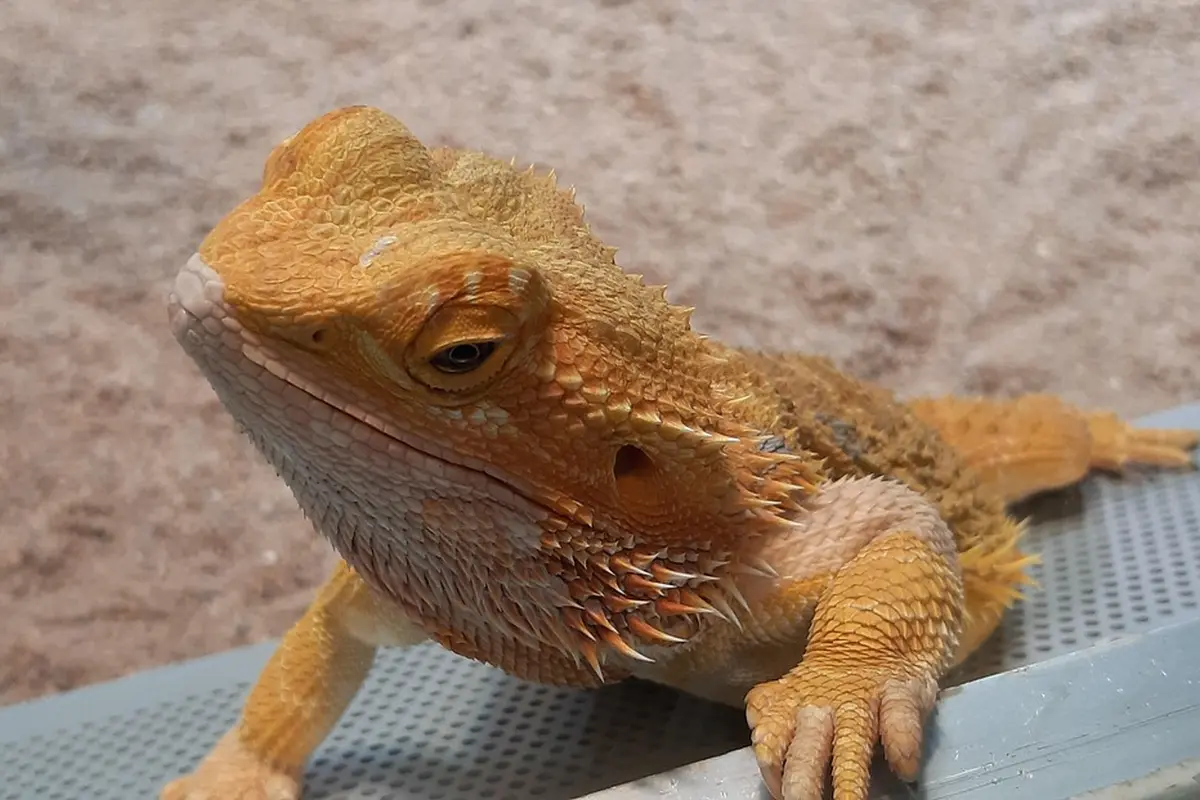
Spotting a parasite issue early can save your bearded dragon from a lot of discomfort. I’ve learned through caring for my own dragons that the sooner you catch the signs, the easier treatment becomes. Parasites often show up in ways that mimic other issues, so staying observant is your best tool. For a complete guide on telling if your bearded dragon has parasites, see my guide. It covers common signs, simple tests, and when to seek veterinary care.
- Weight loss despite a good appetite
- Diarrhea or unusually runny stools
- Lethargy and lack of interest in movement
- Changes in appetite, like refusing favorite foods
Here’s a simple checklist you can use at home to monitor your dragon’s health weekly. Keeping a quick log helps you spot trends before they become emergencies.
- Check weight with a small scale
- Observe stool consistency and color
- Note energy levels during handling
- Watch for repetitive scratching or head bobbing
- Track how often they hide versus bask
Subtle signs are easy to miss. From my experience, one of my dragons started hiding constantly and would pace his enclosure-tiny changes that signaled a bigger problem. Early detection not only speeds up recovery but also reduces stress for your pet.
Physical Signs to Watch For
Physical symptoms are often the clearest indicators something is wrong. A bloated belly or odd-looking poop should always prompt a closer look.
- Swollen abdomen that feels firm
- Abnormal feces with mucus or blood
- Skin issues like dullness or sores
- Sunken eyes or dehydration signs
Behavioral Changes Indicating Infection
Behavior shifts can tell you just as much as physical signs. I’ve handled dragons who went from curious to cranky almost overnight when parasites set in.
- Reduced activity and basking time
- Unusual aggression or stress marks
- Loss of interest in interaction
- Repetitive movements like glass surfing
Diagnosing Parasites: Tests and Veterinary Care
Getting a proper diagnosis is the first step to helping your dragon feel better. Veterinary care is non-negotiable here—home guesses just don’t cut it. Common methods include fecal float tests and full physical exams by a reptile vet. You can also start by learning the physical signs and symptoms of healthy vs. sick bearded dragons.
Follow this step-by-step process for diagnosis to stay organized and effective.
- Collect a fresh fecal sample within 24 hours
- Place it in a clean, sealed container
- Schedule a vet visit with a reptile specialist
- Bring the sample and details on diet and behavior
- Discuss test results and treatment options
Regular check-ups are a cornerstone of responsible ownership. I make it a habit to get fecal tests done twice a year, and it’s caught issues before they became severe. One of my dragons had a quick recovery because we diagnosed pinworms early through a routine test.
Fecal Testing and Analysis
Fecal tests are the gold standard for detecting parasites. A fecal float uses a special solution to make parasite eggs visible under a microscope. Direct smears can also spot moving parasites in fresh samples. To perform fecal tests for parasites, stool samples are collected and prepared for analysis. Proper technique helps ensure accurate results.
- Fecal floats identify eggs and cysts
- Direct smears show active parasites
- Hydration affects sample quality-well-hydrated dragons produce better stools
Working with a Reptile Veterinarian
Choosing the right vet makes all the difference. Look for someone with proven experience in reptile medicine-it’s worth the extra search. During visits, expect a thorough exam and questions about your dragon’s environment.
- Ask about their reptile caseload and training
- Inquire about common parasites in your region
- Discuss prevention strategies during check-ups
- Request a breakdown of treatment costs and options
Treating Parasite Infections in Bearded Dragons

Finding out your scaly friend has parasites can be worrying, but with the right approach, they can bounce back beautifully. Successful treatment almost always involves a combination of prescription medication, diligent deworming protocols, and attentive supportive care at home.
I’ve had to treat a few of my dragons over the years, and the process is straightforward when you follow your vet’s lead. Do bearded dragons need vet visits? A simple guide on regular checkups and recognizing emergency signs can help you decide when to seek care.
- Antiparasitic Medications: Your vet will prescribe a specific drug based on the type of parasite identified in the fecal test.
- Deworming: This is a common protocol for eliminating internal worms like pinworms or roundworms.
- Supportive Care: This is the part you manage at home, focusing on hydration and nutrition to help their body recover.
Medications and Deworming Protocols
The specific medication your dragon needs depends entirely on the unwelcome guest. Common treatments include Fenbendazole (Panacur) for many types of worms and Metronidazole (Flagyl) for protozoan infections like Coccidia.
Never use over-the-counter or dog/cat dewormers you find at a pet store. The dosage for a reptile is extremely precise and getting it wrong can be dangerous.
From my experience, medications are usually given orally via a small syringe.
- Your veterinarian will calculate the exact dosage based on your dragon’s weight.
- They will provide you with the medication and clear instructions on how often to administer it.
- Gently hold your dragon and slowly drip the medication into the side of their mouth, allowing them to swallow.
- Complete the entire course of treatment, even if your dragon starts to look better.
- Watch for any side effects like lethargy or loss of appetite and report them to your vet immediately.
Supportive Care During Recovery
While the medication fights the parasites, your job is to build your dragon back up. The single most important thing you can do during recovery is ensure your bearded dragon stays well-hydrated. This is a key point in bearded dragon recovery from MBD treatment within a prevention-focused guide. By following hydration and supportive care, your dragon can regain strength and stay on track with long-term prevention.
Parasites can cause dehydration, so I always offer water via a syringe or a gentle dropper several times a day. Warm baths can also encourage drinking and help with hydration.
- Offer their favorite, easy-to-digest foods to encourage eating. For one of my dragons, that was slurries made from repashy grub pie.
- Keep their basking temperatures perfect to help their metabolism and immune system function optimally.
- Minimize handling and stress. Let them rest and heal in a quiet, calm environment.
- I often add a probiotic supplement to their food, as recommended by my vet, to help restore their gut health after the medication.
Preventing Parasites: Effective Strategies for Owners
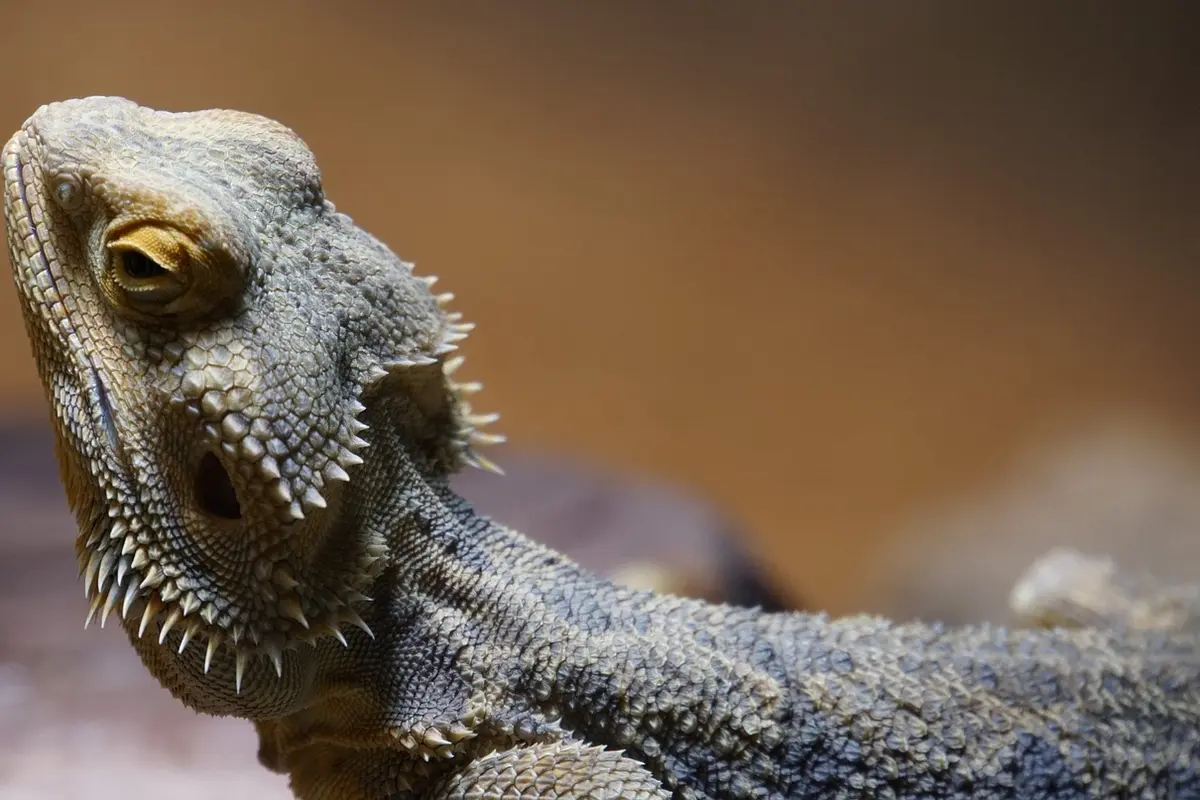
Prevention is always easier and less stressful than treatment, for both you and your dragon. A proactive approach to habitat management and feeder safety is your best defense against future parasite problems.
By building good habits, you can drastically reduce the risk of your dragon ever getting sick. Here are the routines that have kept my own colony healthy for years.
- Strict Quarantine: Always quarantine any new reptile for at least 60 days before introducing it to your home or other pets.
- Impeccable Enclosure Hygiene: Clean up poop and uneaten food immediately. Perform deep cleans of the entire habitat on a regular schedule.
- Feeder Insect Safety: Only buy insects from reputable sources. Keep your feeder insect colonies clean and well-fed.
- Wash your hands thoroughly before and after handling your dragon or anything in its enclosure.
- Schedule annual wellness check-ups with your reptile vet, including a fecal exam, even if your dragon seems healthy.
Enclosure Hygiene and Maintenance
A clean tank is a healthy tank. Proper hygiene directly breaks the life cycle of parasites, stopping them from multiplying and reinfecting your pet.
I use a simple vinegar and water solution for daily spot cleaning and a reptile-safe disinfectant for my weekly deep clean.
- Daily: Remove feces and urates as soon as you see them. Wipe down the contaminated area.
- Weekly: Remove your dragon and all decorations. Clean everything with a reptile-safe disinfectant, rinse thoroughly, and let it dry completely.
- Substrate: If you use a loose substrate like sand, replace it regularly. I prefer solid substrates like tile or slate for easier cleaning and less risk of harboring parasites.
- Always ensure the enclosure is completely dry before returning your dragon to prevent bacterial or fungal growth.
Quarantine and Health Monitoring
I cannot stress this enough: quarantine is not optional. Quarantining a new dragon is the kindest thing you can do for your existing pets, as it prevents the potential spread of illness. A proper bearded dragon quarantine procedure includes a separate enclosure, a vet check, and careful monitoring for several weeks. During this time, keep them away from other dragons and shared equipment to prevent cross-contamination.
Set up a simple, separate enclosure in another room. Use paper towel as a substrate-it’s cheap and lets you easily monitor their droppings for any signs of trouble.
- Keep the new dragon completely separate for a minimum of 60 days.
- Use separate feeding tongs, cleaning supplies, and even wash your hands between handling different reptiles.
- During this time, watch their appetite, energy levels, and the consistency of their feces.
- Schedule a vet visit for the new arrival during the quarantine period to get a baseline health check and a fecal test.
This process might seem lengthy, but it gives you peace of mind and protects the health of all your scaly family members.
Frequently Asked Questions
Can a bearded dragon have parasites and show no symptoms?
Yes, it is possible for a bearded dragon to have a low-level parasite load and appear completely healthy. This is why regular veterinary check-ups and annual fecal tests are recommended to catch hidden issues before they become a problem. If you’re unsure how to tell if your bearded dragon is healthy, our complete health check guide walks you through essential signs to monitor and the tests that matter.
What is the best way to disinfect tank decorations to kill parasites?
The most effective method is to clean items with a reptile-safe disinfectant, followed by a thorough rinse and complete air-drying. For non-porous items, a brief soak in a diluted bleach solution (properly rinsed and dried) can also be used.
Where is the safest place to buy feeder insects to avoid parasites?
The safest practice is to purchase feeder insects from reputable, specialized reptile suppliers or breeders who raise their insects in clean, controlled environments, as this minimizes the risk of parasite contamination.
Final Thoughts
Keeping your bearded dragon parasite-free boils down to consistent, mindful care. Your best defense is a clean habitat, high-quality food sources, and always washing your hands before and after handling your pet or their things. This routine is a fundamental part of taking care of your bearded dragon. I’ve found that this simple routine, done without fail, makes the biggest difference in my own dragon’s long-term health.
If you ever suspect a problem, don’t wait and see-act quickly. A prompt visit to a qualified reptile vet and a fecal test are the most responsible steps you can take for your scaly friend. With a little vigilance, you can easily manage this common issue and enjoy many happy, healthy years together.
Further Reading & Sources
- Intestinal Parasites – ReptiFiles®
- How Do Bearded Dragons Get Parasites? 5 Ways to Avoid
- r/BeardedDragons on Reddit: bearded dragon parasite treatment?
Bearded Dragon Lair is the ultimate resource for bearded dragon enthusiasts, offering expert advice and practical tips to ensure the health and happiness of your scaly companion. With years of experience in reptile care, we are dedicated to providing accurate, up-to-date information to support your bearded dragon journey.
Common Diseases