Should You Feed Your Bearded Dragon During Brumation? (And What to Do After)
Published on: December 23, 2025 | Last Updated: December 23, 2025
Written By: Beardie Joe
Seeing your bearded dragon become sluggish and sleepy during brumation can leave you wondering if you should still put food in their dish.
I’ve cared for many bearded dragons through this natural cycle, and I’m here to share my firsthand experience to help you make the best choices for your pet’s health.
We’ll tackle whether to feed during brumation, spot key health signals, and outline the essential steps for a smooth wake-up period.
Should You Offer Food During Brumation?
This is one of the most common questions I get from worried owners, and I totally understand the concern. You see your dragon sleeping for days and your first instinct is to offer a tasty dubia roach. In the vast majority of cases, the best and safest choice is to withhold food entirely once brumation has truly begun. Let’s break down why. If you’re wondering whether you should feed your bearded dragon daily, a daily complete feeding guide can help you decide. It covers daily needs, appropriate portion sizes, and how brumation affects feeding routines.
The Case for Withholding Food
When a bearded dragon enters a deep brumation state, their entire system slows to a crawl. This includes their digestion. In babies, brumation can mean longer periods without eating as their bodies focus on conserving energy. This is a natural part of their development, but owners should monitor weight and overall condition and seek veterinary advice if there are signs of health issues.
- Their metabolism drops dramatically to conserve energy.
- Food left in their gut cannot be properly digested or passed.
- Undigested food will simply sit and rot inside them, which is a direct path to serious, and sometimes fatal, impaction.
I learned this the hard way with my first dragon, Steve. I tempted him with a worm during a sleepy period, and he ate it before going right back to sleep. The risk of causing a life-threatening gut stasis is simply too high to justify offering food to a sleeping dragon. A healthy, well-fattened adult can go months without food during this natural cycle. Following a complete feeding schedule helps avoid these risks and ensures your dragon gets the right nutrients. For many bearded dragons, that means a predictable routine of appropriately sized insects and daily leafy greens rather than meals thrown in haphazardly.
When Feeding Might Be Considered
While the rule is to not feed, there are a few exceptions where offering a small, easy-to-digest meal can be appropriate. Use your best judgment and always err on the side of caution.
- During Brief Awakenings: If your dragon wakes up, seems alert, and is active for more than a day, you can offer a small, simple meal. Think a few bites of greens or a single feeder insect.
- For Underweight Dragons: If your vet has advised you that your dragon is too thin to brumate safely, you may need to interrupt the process. This is a specific veterinary directive, not a general guideline.
- At the Very Start: If you are unsure if it’s true brumation or just a lazy spell, a small offering can be a test. If they refuse it, you have your answer-brumation has started.
My personal rule is this: if they are not basking under their heat lamp with their body fully warmed up for at least a few hours, they do not get food. No heat means no ability to digest. When in doubt, skip the food and just offer fresh water.
Essential Brumation Care and Monitoring
Setting the Right Brumation Environment
Think of your dragon’s brumation space as their personal winter cabin. It needs to be quiet, dark, and secure. The single most important factor for a successful brumation is providing a consistent, slightly cooler ambient temperature. I achieve this by turning off the main basking light but leaving a low-wattage ceramic heat emitter or a deep heat projector on a thermostat. In planning your bearded dragon terrarium size and setup, ensure there’s enough space for a quiet brumation zone separate from daily activity. A properly sized enclosure with defined zones helps maintain stable temperatures and security during brumation.
Your goal is to create a thermal gradient, just like in their active enclosure, but at a lower overall range.
- Warm side: Aim for 75-80°F (24-27°C).
- Cool side: Let it drop to 65-70°F (18-21°C).
- Never let the entire enclosure get colder than 60°F (15°C).
I also provide a snug hide where they can feel completely enclosed. Some of my dragons prefer to burrow into a soft towel or reptile-safe substrate inside their hide. Reducing their photoperiod is just as critical as adjusting the temperature. I mimic shorter winter days by cutting their UVB and any other light down to just 4-6 hours a day, or sometimes turning it off completely if they are in a very deep sleep.
Hydration and Health Checks
This is where your watchful eye is most needed. A sleeping dragon can dehydrate quickly. I never force water, but I always offer it gently during their lighter periods of wakefulness. In a daily hydration guide, you’ll learn how much water a bearded dragon should drink each day. I’ll share quick signs of dehydration and how to tailor water access to their daily needs. About once a week, I’ll offer a shallow lukewarm bath. This isn’t for soaking; it’s a chance for them to drink if they wish. I simply place them in the water and let them be for 10-15 minutes.
You can also use a plastic dropper to place a single water droplet on the tip of their snout. If they are thirsty, they will lick it off.
Weekly health checks are non-negotiable in my routine. I do them quickly and calmly to avoid causing stress.
- Weight Check: Weigh them on a digital kitchen scale. A small, gradual weight loss is normal. A sharp drop is a red flag.
- Physical Inspection: Gently check their eyes, nose, and vent for any discharge or swelling. Their skin should not look sunken or wrinkled.
- Behavioral Note: Are they just lethargic, or completely unresponsive? A dragon in brumation will still stir or shift positions occasionally.
Trust your gut-if something feels off, it’s better to consult a reptile vet than to wait and see. I’ve had to do this once, and it turned out my dragon had parasites that were complicating his brumation. The vet visit made all the difference.
Post-Brumation: Waking Your Dragon Safely
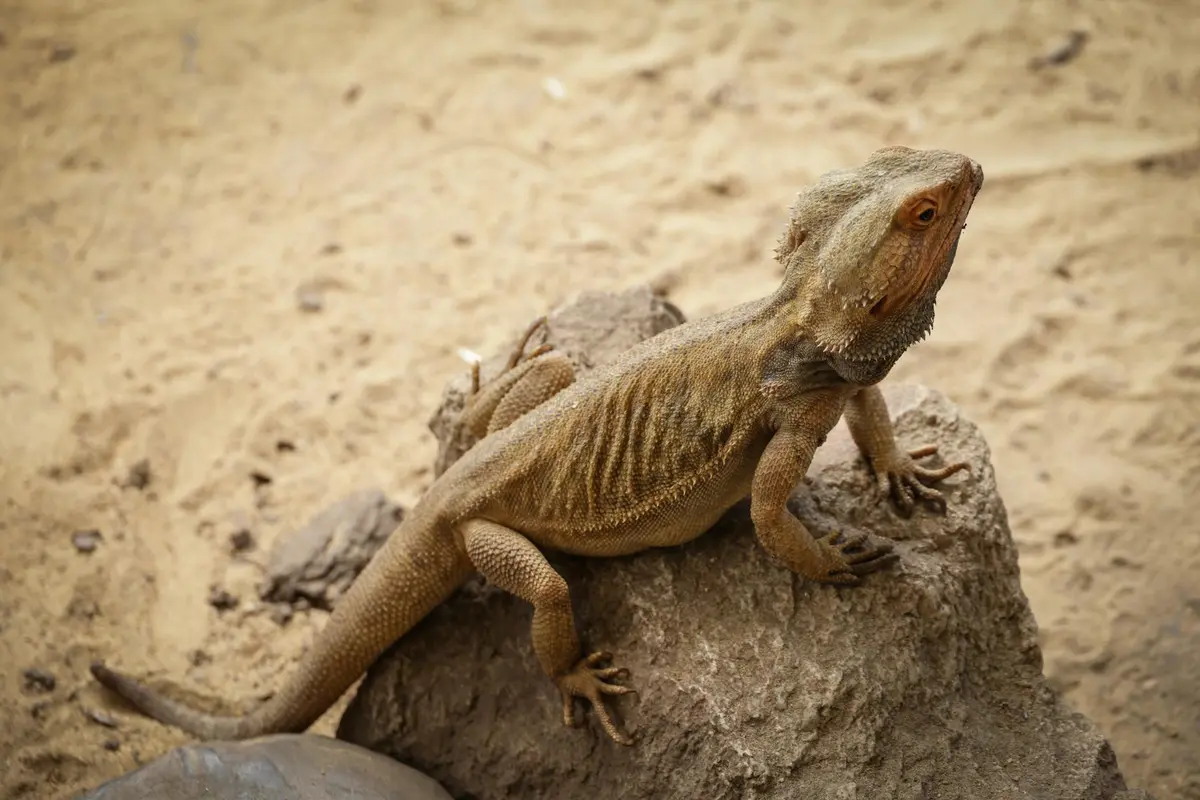
When you notice your dragon becoming more active-perhaps you see them moving around their hide or basking for short periods-it’s time to help them wake up. Waking up is a gradual process, not an alarm clock moment. Do not just flip all the lights and heat back on to summer settings.
Over the course of 3-5 days, I slowly increase their light and heat.
- Day 1-2: Turn their UVB light back on for 8 hours.
- Day 3-4: Reintroduce the basking lamp, setting it to a slightly lower temperature than usual (around 95°F / 35°C).
- Day 5+: Gradually increase the photoperiod and basking temperature back to their normal active settings.
Do not offer food for the first 2-3 days after they are fully awake and basking regularly. Their digestive system needs time to restart. Their first meal should be small and easy to digest.
I always offer a fresh, hydrating salad first, like collard greens or dandelion greens. A day or two later, I’ll offer a few small, feeder insects like dubia roaches. Resist the urge to overfeed them right away; their stomachs are not ready for a large volume of food. It can take a week or two for their appetite to return to normal. Offer a warm bath during this time to encourage hydration and help with any final shedding from their long rest.
Reintroducing Food After Brumation
Watching your bearded dragon wake up is a special moment. Their little eyes pop open, and they might take a few tentative steps. Your first instinct will be to offer a giant salad or a handful of worms, but patience is your absolute best tool here. Their digestive system has been idle, and we need to wake it up gently, just like we wouldn’t eat a huge meal right after waking from a deep sleep. Knowing when to feed your bearded dragon is crucial for their health.
First Foods and Portion Sizes
Think of the first meals as appetizers, not a main course. I always start with something that’s easy to digest and has a high moisture content.
- Start with Hydrating Greens: Offer a small, shallow dish of finely chopped collard greens, dandelion greens, or mustard greens. These are gentle and provide vital hydration.
- Introduce Soft-Bodied Insects: A few small, gut-loaded dubia roaches or a single, smaller hornworm are perfect first proteins. I avoid mealworms and superworms initially as their chitin is harder to break down.
- Keep Portions Tiny: For the first few days, offer just a few bites of greens and 2-3 appropriately sized insects. A portion should be no bigger than the space between your dragon’s eyes.
- Resist Overfeeding: It can take a week or more for their appetite to fully return. Pushing too much food too fast is a surefire way to cause regurgitation or digestive upset.
Supplements and Hydration Boosters
After a long nap, their nutrient and hydration stores need a top-up. This is where supplements and smart hydration strategies become non-negotiable.
- Calcium is King: Lightly dust every other insect meal with a high-quality calcium powder (without D3 if you’re using a UVB bulb). This helps rebuild their bone density.
- Electrolyte Soaks: I give my dragons a warm, shallow bath a few times a week. They often drink the water, and the warmth can stimulate their bowels. You can find reptile-specific electrolyte powders to add to the bath for an extra boost.
- Misting their Greens: Before serving that first small salad, give it a light spritz with water. This encourages them to take in moisture as they eat.
- Multivitamin Once a Week: After the first week of consistent eating, introduce a reptile multivitamin on one insect feeding day per week to cover all their nutritional bases.
Troubleshooting Common Post-Brumation Issues
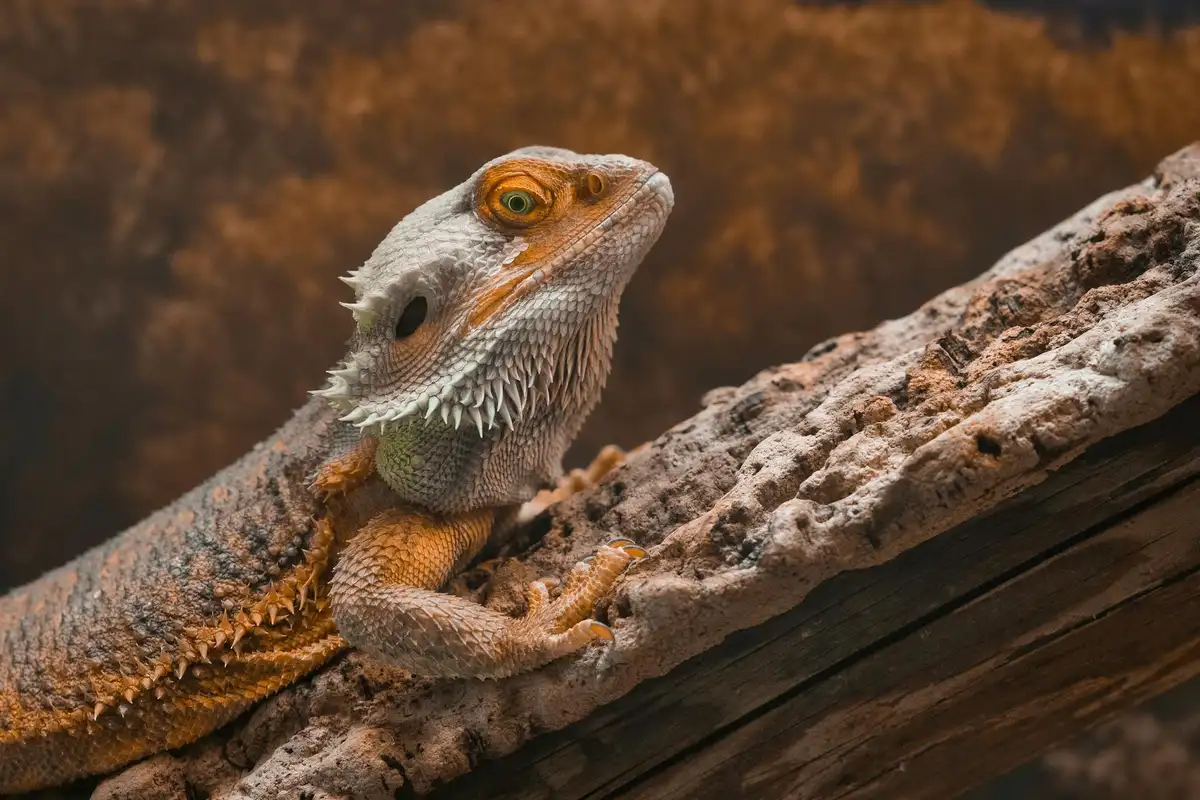
Even with the best care, sometimes things don’t go perfectly smoothly. Don’t panic. Most of these issues are common and can be resolved with a little tweaking.
When Appetite Is Slow to Return
If your dragon shows zero interest in food for the first few days, that’s usually normal. But if a week goes by with no eating, it’s time to troubleshoot. Understanding potential causes can help you address ‘why isn’t my bearded dragon eating’ with targeted solutions. Here are common causes and practical solutions to try.
- Check the Basking Spot: Is their basking area the correct temperature (95-110°F for adults)? Proper heat is essential for them to digest food.
- Try a Different Temptation: Sometimes a different food can spark interest. A wiggly, bright blue hornworm or a small silkworm often does the trick for my picky eaters.
- Offer Bee Pollen: A tiny sprinkle of 100% pure bee pollen on their greens can act as a powerful appetite stimulant due to its smell and taste.
- Consult a Vet: If your dragon is losing significant weight, seems lethargic beyond the first few days, or goes more than two weeks without eating, it’s time for a check-up with a reptile-savvy veterinarian to rule out parasites or other illness.
Monitoring Stool and Overall Health
The first poop after brumation can be a real event! Pay close attention to what comes out, as it’s a direct window into their health.
- The First Bowel Movement: It may be strange-perhaps extra smelly, oddly colored, or containing urates that are more yellow than white. This is often just them clearing out old waste.
- Normalizing Stool: After a few proper meals, their droppings should return to a normal, well-formed brown portion with a firm, white urate.
- Red Flags: Be concerned if you see persistent diarrhea, undigested food in the stool, or a complete lack of bowel movements despite eating. These can signal impaction or parasites.
- Overall Vigor: Beyond their appetite and stool, watch their behavior. They should become progressively more active, alert, and interested in their surroundings each day.
Frequently Asked Questions
What are the common signs that my bearded dragon is entering brumation?
Signs include reduced appetite, increased lethargy, and more time spent sleeping or hiding, often with less interest in basking or activity.
How can I differentiate between brumation and a serious health issue?
A brumating dragon will still shift positions occasionally and show gradual weight loss, while illness may involve rapid weight drop, discharge, or complete unresponsiveness.
At what age do bearded dragons typically begin brumating?
Brumation usually starts in adulthood, around 12 to 18 months old, but it can vary based on the dragon’s health and environmental factors. When considering feeding by age, babies and juveniles typically need daily meals, while adults can be fed every other day. During brumation, appetite tends to drop and feeding may be paused or significantly reduced.
Final Thoughts
When your bearded dragon is in a deep brumation, the best thing you can offer is a quiet, dark environment and no food. Resisting the urge to feed is an act of care, as their digestive system is essentially shut down and cannot process food safely. If you’re wondering why your bearded dragon won’t eat and what to do about it, brumation explains much of the behavior. From my own experience, this period of quiet vigilance, while sometimes worrying, is a natural and necessary part of their cycle.
After they wake up, patience is your most important tool. Gently reintroduce heat, then light, and finally, offer water and simple, easy-to-digest greens before even thinking about insects. Watching for that first strong, healthy bowel movement is your green light that their body is back online and ready to resume normal life.
Further Reading & Sources
- Bearded Dragon Brumation: Everything You Need to Know – Dragon’s Diet
- Bearded Dragon Brumation Care: A Complete Guide
- Bearded Dragon brumation – ExoticDirect
Bearded Dragon Lair is the ultimate resource for bearded dragon enthusiasts, offering expert advice and practical tips to ensure the health and happiness of your scaly companion. With years of experience in reptile care, we are dedicated to providing accurate, up-to-date information to support your bearded dragon journey.
Feeding Guidelines