What Colors Do Bearded Dragons Come In? A Spectrum of Shades
Published on: March 11, 2026 | Last Updated: March 11, 2026
Written By: Beardie Joe
You might be surprised to learn that bearded dragons come in nearly every color of the rainbow, from fiery reds to snowy whites.
As someone who has cared for many of these incredible reptiles, I’ll help you understand this beautiful variety and what it can tell you.
We’ll explore the most common and rare color morphs, decode what their colors can mean, and explain how to spot the difference between a simple color change and a sign of health.
An Introduction to Bearded Dragon Coloration
Opening your dragon’s enclosure each morning is like looking into a living jewel box. The sheer variety of colors is one of the first things that captivates new owners. From earthy desert tones to vibrant citrus hues, their palette is a direct reflection of both their genetics and their well-being. I still remember the surprise of seeing my first “common” brown bearded dragon flare up with brilliant orange highlights along its beard.
It’s vital to distinguish between natural, wild-type colors and the spectacular variants developed in captivity. In the wild, their colors are primarily for camouflage-think tans, browns, and muted greys. In our homes, however, dedicated breeders have selectively amplified and combined color genes to create a rainbow of possibilities you’d never see in the Australian outback.
Here are the most common base colors you’ll find in pet bearded dragons today:
- Brown and Tan: The classic, earthy look many people picture.
- Yellow and Gold: Ranging from pale sand to rich, buttery tones.
- Red and Orange: From fiery crimson accents to entire bodies of solid tangerine.
- White and Silver: Often seen in morphs like the “Snow” or “Zero,” creating a near-monochrome effect.
Understanding Bearded Dragon Color Morphs
A color “morph” is more than just a shade; it’s a specific genetic recipe that affects the dragon’s scale color, pattern, and sometimes even its texture. This is a permanent, inherited trait, completely different from the temporary color shifts they use for basking or communication. Think of a morph as their genetic blueprint, while a color change is their mood ring.
Through selective breeding, we’ve been able to isolate and combine these genetic traits. I’ve personally raised clutches where you can see the clear influence of the parents’ morphs in each baby. This careful pairing is how we get such stunning and consistent captive-bred variants today.
Let’s look at a couple of the most common and influential morphs:
- Hypomelanistic (Hypo): These dragons have reduced dark pigmentation (melanin). This gives them cleaner, brighter colors-more pastel, less black. A key identifier is their clear nails, unlike the dark nails of normal morphs.
- Leatherback: This morph is a textural game-changer. Their scales are significantly smaller and smoother, creating a softer, almost leathery feel. With fewer bulky scales to break up the color, Leatherbacks often display their base colors with incredible intensity and clarity.
When breeders cross these morphs, the results get even more spectacular. A Hypo Leatherback, for example, combines the bright colors of the Hypo with the smooth, vibrant canvas of the Leatherback. This intentional genetic artistry is responsible for the vast majority of uniquely colored dragons in the pet trade.
Common Bearded Dragon Colors and Their Meanings
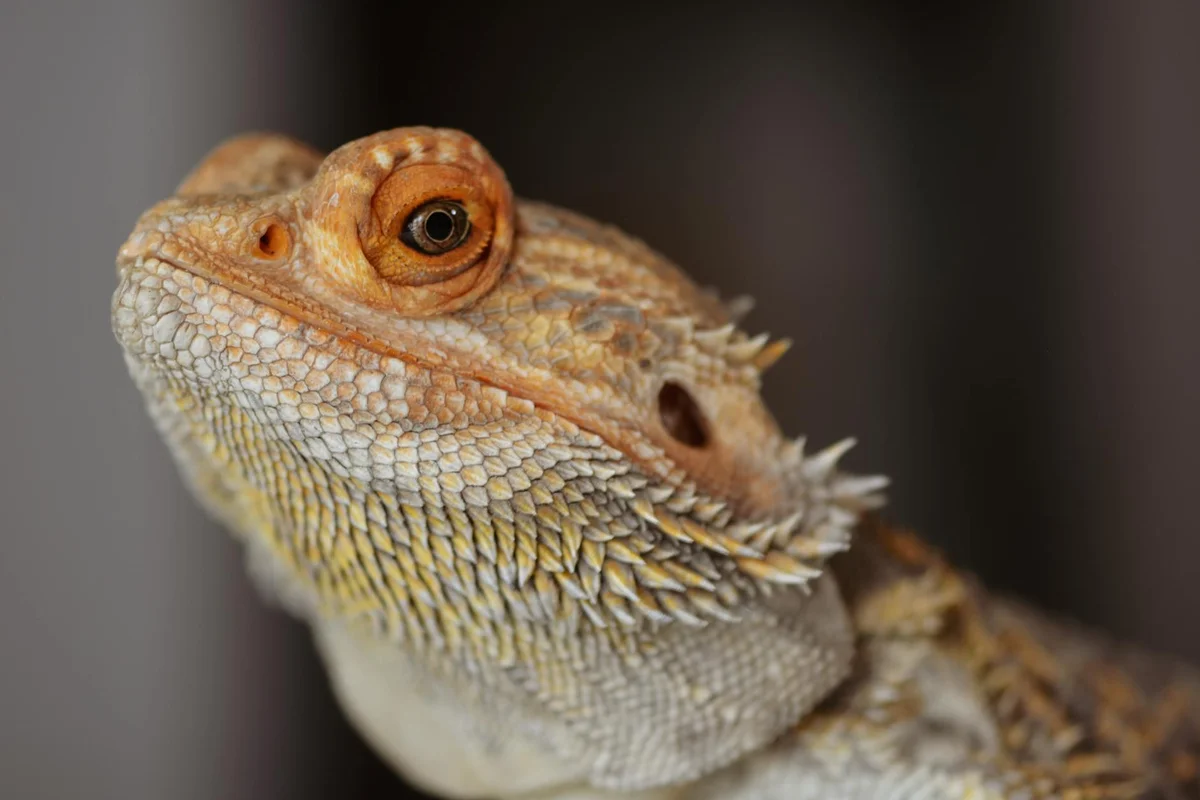
Watching my own bearded dragons over the years, I’ve learned their colors are like a living mood ring. Their hues tell a vivid story about their feelings, health, and even their family tree. Let’s break down what those beautiful shades really mean.
Warm Tones: Red, Orange, and Yellow Bearded Dragons
A dragon glowing in sunset shades often looks full of life. Bright oranges and yellows usually signal a content, well-cared-for beardie soaking up the right heat and UVB. In my experience, a happy dragon under its basking lamp will show these colors at their peak.
- Vivid reds and deep oranges are frequently seen in specialized morphs like the “Red” or “Citrus” lineages, bred for intensity.
- A sudden, intense flush of orange can sometimes mean your dragon is feeling fired up or slightly territorial.
- Consistent, bright coloration across the body is a great sign of robust health and proper nutrition.
Cool Tones: White, Cream, and Blue Bearded Dragons
These lighter shades can be mesmerizing but also a bit mysterious. True blue is exceptionally rare and often appears as a silvery-grey sheen under certain lights, not a solid pigment. I’ve had people ask me about my “blue” dragon, but it’s usually just a clever play of light on his scales.
- Pale white or cream colors are common in morphs like “Leucistic” or “Zero,” which have reduced dark pigments.
- A dragon may turn noticeably lighter when it’s too warm, as a way to reflect heat and cool down.
- If you see patchy white, especially around the tail or toes, it could be the start of a shed-perfectly normal!
Earth Tones: Brown, Green, and Grey Bearded Dragons
These are the classic, natural colors you’d see in the wild. Muted greens and browns are your dragon’s built-in camouflage, helping it blend into branches and sand. When my beardie is relaxed and exploring, he often settles into a soft, earthy green.
- A consistent, even brown or tan color typically means your dragon is calm and feeling secure in its environment.
- Dark brown or black patches, especially on the beard or belly, can be a clear sign of stress, fear, or feeling threatened.
- A generally dull, washed-out green might indicate that your dragon is chilly or not feeling its best.
How Bearded Dragon Colors Change
If you think your dragon is a shape-shifter, you’re not wrong! Their ability to change color is a natural talent driven by age, mood, and health. I’ve spent countless hours noting these shifts in my own pets, and it’s fascinating to decode.
Color Changes with Age and Development
Baby bearded dragons often start life looking a bit plain. Hatchlings usually have muted, muddy colors that intensify and become more defined as they grow into adults. It’s like watching a painting come to life over months. From hatchling to adult, that growth typically spans about 12 to 18 months. With proper diet and lighting, they steadily reach full size.
- Juveniles might show faint patterns that blossom into vibrant stripes or spots by adulthood.
- Some morphs, like the “Hypo” strain, can lose their dark markings entirely as they mature.
- This transformation is completely normal and a sign of healthy development.
Color Changes with Mood and Environment
Your dragon’s colors can shift in a heartbeat based on how it feels. A stressed beardie will often flash dark bars or a black beard, while a happy one lightens up to absorb more warmth. If you’re wondering why your bearded dragon is turning black on the beard, neck, or tail, that’s a common sign to understand. This is the explanation: color changes reveal mood, temperature needs, and stress. I always check the color of my dragons’ beards first thing in the morning to gauge their mood.
- The color of your tank lighting can create an optical effect, making scales look brighter or duller than they are.
- Cool temperatures cause darker colors to help absorb heat; warmer temps lead to paler shades to reflect it.
- Handling or a new environment can trigger temporary stress colors that fade once your dragon feels safe again.
Color Changes Linked to Health and Diet
What your dragon eats directly influences how it looks. A well-fed beardie with a balanced diet of greens and insects will sport rich, consistent colors, while a poor diet leads to dullness. I’ve seen the difference in my own dragons when I tweak their nutrition. Bearded dragons can eat dandelion greens, flowers, and stems as part of a varied greens mix. I’ll explain how to balance dandelions with other greens and insects for a healthy diet.
- Dull, faded scales can signal nutritional deficiencies, often a lack of vitamins or proper hydration.
- Yellowing around the mouth or vent can sometimes point to liver issues or other health concerns.
- Sudden dark patches that don’t fade might indicate skin infections or shedding problems needing a vet’s attention.
What Your Bearded Dragon’s Color Is Telling You
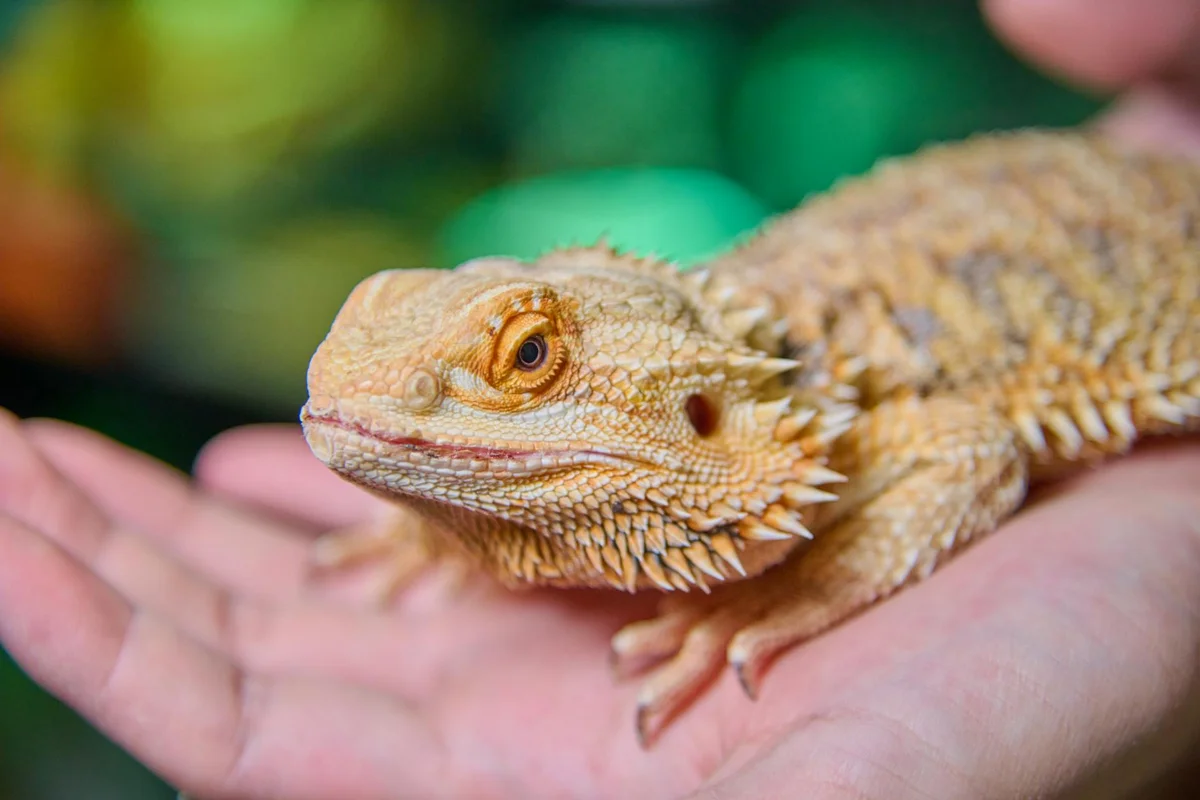
Living with these amazing reptiles, I’ve learned to pay close attention to their color. Their skin is like a dynamic mood ring, giving you real-time feedback on their health and feelings. It’s one of the most direct ways your dragon communicates with you.
Here’s a quick-reference guide to help you understand what those color shifts might mean.
| Color Signal | Possible Meaning | Action to Take |
|---|---|---|
| Bright Yellow or Orange Belly/Beard | Often a sign of excitement, contentment, or breeding display. My dragon, Jasper, gets a sunny belly when he’s exploring outside his tank. | This is typically a happy, normal color. Just enjoy the show! |
| Dark Beard (Not Black) | Your dragon might be feeling stressed, a little chilly, or is simply basking to absorb more heat. | Check your tank temperatures. Ensure they have a proper heat gradient to thermoregulate. |
| Jet-Black Beard | This is a strong signal of major stress, fear, or aggression. It’s a clear “back off” warning. | Give your dragon space. Identify and remove the stressor, whether it’s a loud noise, another pet, or handling them too much. |
| Pale, Ashy, or Dull Overall Color | This usually means one of two things: they are about to shed their skin, or they are feeling unwell. | Look for other shedding signs like flaky skin. If no shed is imminent and they seem lethargic, a vet visit is a good idea. |
| Dark Patches or Spots | Can be part of their natural pattern, but new, persistent dark spots can sometimes indicate a fungal issue or stress marks. | Monitor the spots. If they spread, change texture, or your dragon acts sick, seek veterinary care promptly. |
| Consistently Dark Overall Body | They are likely trying to soak up as much heat as possible because they are too cold. | Immediately verify your basking spot and cool side temperatures are within the correct range (95-110°F for basking, 80s for cool side). |
The most critical thing to watch for is a sudden, drastic change in color that lasts for more than a day, especially when paired with other symptoms like lethargy or loss of appetite. Trust your gut. You know your pet best. If something feels off, a call to your exotic vet is always the safest bet.
Breeding and Genetics of Bearded Dragon Colors
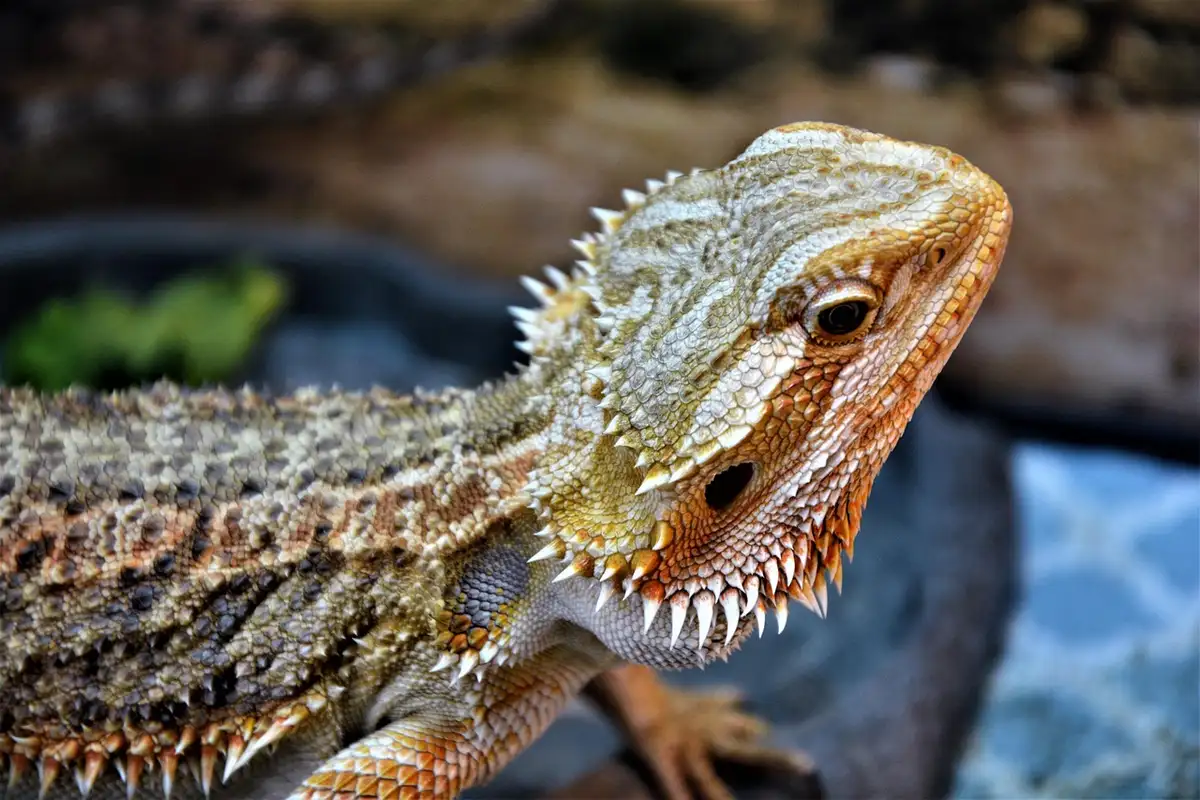
Ever wonder how we get such a spectacular rainbow of bearded dragons? It all comes down to genetics. Selective breeding by dedicated hobbyists and breeders has created an incredible array of what we call “morphs.” A morph is more than just color; it includes traits like scale pattern and size. Within bearded dragon genetics morph breeding, breeders select parents to influence which traits appear in offspring. By pairing dragons with desired color, pattern, and size, they expand the morph rainbow over generations.
Think of dragon genetics like a recipe book passed down from parents to offspring. Each parent contributes genes for different traits.
- Standard/Wild Type: This is the classic bearded dragon appearance, with earthy tones of brown, tan, and grey. It’s the baseline from which all other morphs were developed.
- Hypomelanistic (Hypo): These dragons have reduced dark pigment (melanin). They appear brighter and cleaner, often with clear nails instead of black ones. I find my Hypo, Sunny, has much more vibrant yellows.
- Translucent (Trans): This morph has semi-see-through skin, especially noticeable in babies, and often solid black eyes. The genetics for this trait change how light passes through their scales.
- Leatherback: While not a color morph, it affects how color appears. Leatherbacks have smoother scales and smaller spikes, which makes their colors look richer and less interrupted.
- Citrus, Red, Orange, etc.: These are line-bred color traits. Breeders selectively pair the most vibrantly colored dragons over many generations to intensify and solidify that specific hue.
How does breeding work? If you breed two dragons with the same recessive gene, like two Hypos, all the babies will be Hypo. Breeding two different morphs is where the fun begins, creating unexpected and beautiful combinations in the offspring. It’s a fascinating, long-term commitment that requires careful planning and a deep respect for the animals’ welfare.
Frequently Asked Questions
Can I change my bearded dragon’s color through its diet or environment?
While you cannot change your dragon’s underlying genetic color (morph), you can influence the vibrancy of its existing colors. A high-quality diet, proper UVB lighting, and correct temperature gradients will help your dragon display its colors at their brightest and most intense.
How can I tell if a color change is my dragon’s morph or just its mood?
A color morph is a permanent, genetic trait that remains consistent as your dragon’s baseline appearance. A temporary color change from mood or temperature will shift noticeably—such as a beard turning black when stressed or the body turning pale to reflect heat—and then revert back to its normal morph color. Understanding these distinctions is essential when using a bearded dragon species morph identification guide to accurately classify your dragon’s appearance. These guides help distinguish true genetic morphs from temporary color changes by comparing pattern, scale color, and body features.
Is a rarer color morph more difficult to care for?
Not typically. The care requirements for rare color morphs like Zero or Translucent are generally the same as for common morphs. All bearded dragons need the same core husbandry: proper heat, UVB light, a nutritious diet, and a spacious enclosure to thrive, regardless of their color. If you’re curious about how different bearded dragon varieties look, photos can help you compare morphs, but care tips stay the same for all of them.
Final Thoughts
Bearded dragons offer a stunning rainbow of colors, from fiery reds to soft pastels and everything in between. While their hues are beautiful to look at, remember that a dragon’s color can be a fleeting snapshot of their mood or health, not always a permanent personality trait. Stress, shedding, and aging can also drive color shifts, so understanding what each shade might mean helps explain why bearded dragons change color. It’s normal for colors to fade or intensify during these times. Enjoy the palette, but don’t get too caught up in decoding every single shade change.
Ultimately, the most important color on your bearded dragon is a sign of good health: bright, alert eyes and consistent, vibrant skin. Focus on providing excellent overall care-a proper habitat, good nutrition, and plenty of warmth-and you’ll be rewarded with a happy, healthy pet whose true colors will always shine through. Leafy greens like Swiss chard (green, red, and rainbow varieties) can be part of a bearded dragon’s diet in moderation. Our guide explains Swiss chard varieties explained and how to feed them safely.
Further Reading & Sources
- COLORS & MORPHS – 7th galaxy dragons
- A Beginner’s Guide to Bearded Dragon Colors & Morphs
- Bearded Dragon Morphs, Colors & Patterns – Bearded Dragon Lady
Bearded Dragon Lair is the ultimate resource for bearded dragon enthusiasts, offering expert advice and practical tips to ensure the health and happiness of your scaly companion. With years of experience in reptile care, we are dedicated to providing accurate, up-to-date information to support your bearded dragon journey.
Care for Specific Morphs