How Long Do Bearded Dragons Take to Grow? (From Hatchling to Adult)
Published on: February 24, 2026 | Last Updated: February 24, 2026
Written By: Beardie Joe
If you’re a new bearded dragon owner, you’re probably watching your little friend and wondering just how long it takes for them to reach their full, impressive size.
I’ve raised many bearded dragons over the years, and I’m here to walk you through their growth journey with clear, caring advice from my own hands-on experience.
This article will guide you through the key growth stages, explain the factors that influence their development, and show you how to support their health every step of the way.
Bearded Dragon Growth Stages and Timeline
Watching your bearded dragon grow is one of the most rewarding parts of being a pet owner. Their development follows a predictable pattern, but each dragon has its own unique pace. I’ve raised many beardies over the years, and understanding these stages helps you provide the best care at every step. For beginners, a complete guide to taking care of bearded dragons can help you cover the basics, from enclosure setup to feeding. It’s a practical resource to help you start off right.
- Hatchling (0 to 2 months): These tiny dragons are usually 3 to 4 inches long. They grow incredibly fast and need lots of protein.
- Juvenile (2 to 8 months): This is the speediest growth phase. Your dragon will get noticeably bigger each week and start eating more greens.
- Adult (8+ months to full size): Growth slows down, and most reach their full length by 18 months. You might see behaviors like head bobbing as they mature.
Hatchling Stage: The First Few Months
Hatchlings are unbelievably small when you first get them. In my experience, a well-fed hatchling can grow an inch in just a couple of weeks. Their bodies are working overtime to develop, so they need constant fuel.
- Feed them small, gut-loaded insects like pinhead crickets or small dubia roaches two to three times daily.
- Always provide fresh, shallow water and mist them lightly for hydration.
I remember my beardie, Ember, as a hatchling-she was so active and hungry all the time. Providing a variety of insects ensures they get the nutrients for strong bones and muscles. This sets the foundation for a healthy life.
Juvenile Stage: The Speedy Growth Phase
Juveniles are like teenagers-they eat a lot and grow fast. This is when you’ll see the most dramatic changes in their size and appetite. They can gain several inches in a single month during this phase.
- Their diet should now include more leafy greens like collard greens and dandelion greens alongside insects.
- Offer insects once or twice a day and a salad daily to balance their nutrition.
One of my juveniles, Blaze, seemed to double in size between months 3 and 6. Monitoring their weight weekly helps you catch any issues early. A varied diet prevents obesity and supports their rapid development.
Sub-Adult to Adult: Reaching Maturity
Growth starts to slow around 8 to 12 months. Most bearded dragons reach their full length of 18 to 24 inches by 18 months old. You’ll notice their body filling out rather than getting longer. In terms of bearded dragon size growth patterns, this is the typical shift from elongation to increases in girth as they mature. This pattern helps explain why many adults look broader even when their length has plateaued.
- Sexual maturity typically occurs between 8 and 12 months, marked by behaviors like head bobbing in males or arm waving in females.
- Their diet shifts to mostly vegetables with insects a few times a week to maintain a healthy weight.
My adult dragon, Thor, stopped growing lengthwise at about 16 months but continued to gain muscle. Proper UVB lighting and a spacious enclosure are crucial now to prevent metabolic bone disease. Always prioritize their long-term health over rapid growth.
Bearded Dragon Growth Chart by Month
This chart gives you a general idea of what to expect, but remember, every dragon is different. Use it as a guide, not a strict rule, because genetics and care play huge roles. I’ve kept logs for all my beardies, and seeing their progress is so satisfying.
| Month | Average Length (inches) | Average Weight (grams) | Notes |
|---|---|---|---|
| 0 (Hatchling) | 3-4 | 4-6 | Extremely rapid growth; focus on protein |
| 1 | 5-6 | 10-20 | Growth spurt begins; very active |
| 2 | 8-10 | 20-40 | Entering juvenile stage; diet diversification starts |
| 3 | 10-12 | 40-60 | Steady growth; increase greens gradually |
| 4 | 12-14 | 60-100 | Visible size changes weekly |
| 5 | 14-16 | 100-150 | Peak growth phase; monitor for overfeeding |
| 6 | 16-18 | 150-200 | Nearly half adult size; very hungry |
| 7 | 17-19 | 200-250 | Growth rate begins to slow |
| 8 | 18-20 | 250-300 | Sexual maturity signs may appear |
| 9 | 19-21 | 300-350 | Focus on maintaining health, not just growth |
| 10 | 20-22 | 350-400 | Most growth in weight, not length |
| 11 | 21-23 | 400-450 | Approaching adult size |
| 12 | 22-24 | 450-500 | Nearly full length; growth plateaus soon |
| 18 | 22-24 | 500-600 | Growth slows significantly; adult maintenance |
| 24 | 22-24 | 500-800 | Full adult size; weight varies by individual |
Individual variation is normal-some dragons are smaller or larger. If your beardie is healthy and active, slight deviations from this chart are usually fine. Always consult a vet if you are worried.
Interpreting Your Beardie’s Growth
Tracking your dragon’s growth helps you spot health issues early. I use a simple ruler and a kitchen scale to measure length and weight every couple of weeks. Write it down in a journal or an app to see trends.
- Measure length from snout to tail tip when they are calm and stretched out.
- Weigh them in a small container on the scale for accuracy.
Normal growth is steady, not necessarily fast. Sudden weight loss or a halt in growth could signal problems like parasites or improper lighting. In my care, I’ve caught issues early by keeping consistent records. Your vigilance makes all the difference for their well-being.
Factors That Directly Impact Beardie Growth Rate
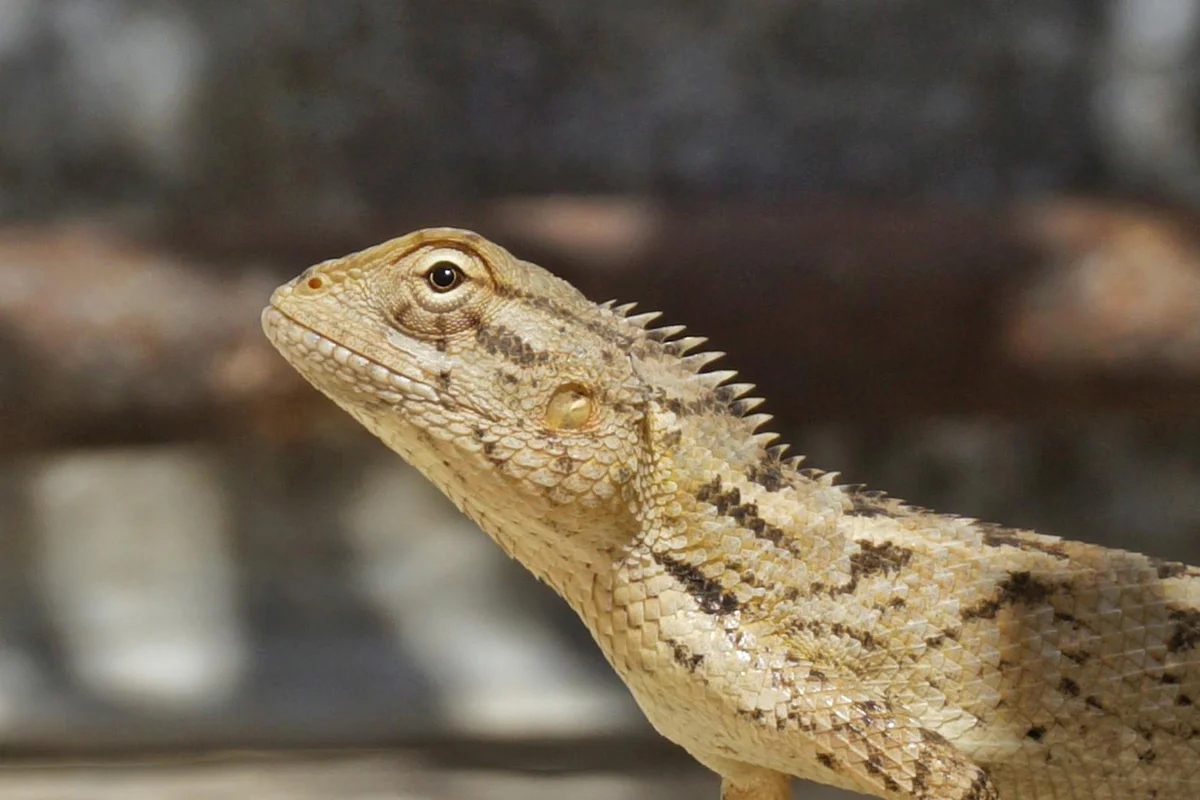
Watching your little dragon grow is one of the most rewarding parts of being a pet parent. Their growth rate isn’t just about age; it’s a direct reflection of the care you provide. Several key elements work together to determine if your beardie is on track for a healthy, robust adulthood. Curious about how fast bearded dragons grow and what shapes their growth rate? We’ll explain growth speed and what to watch for at different ages.
- Diet: This is the fuel for growth. A hatchling not getting enough live protein will simply not have the building blocks to get bigger. I’ve seen it firsthand-a well-fed dragon visibly outpaces one on a sparse diet.
- Enclosure Temperature: Bearded dragons are solar-powered. Proper basking temperature is non-negotiable, as it directly drives their metabolism and ability to digest all that good food. If their tank is too cool, their digestion slows to a crawl, and growth stalls.
- UVB Lighting: This is as critical as food. UVB light allows them to synthesize vitamin D3, which is required to absorb calcium. Without it, all the calcium in the world won’t be used by their body.
- Overall Health: A dragon fighting off parasites or an infection will redirect energy away from growth and toward just getting well. Regular vet check-ups are a proactive part of ensuring steady growth.
- Genetics: Just like people, some bearded dragons are genetically predisposed to be larger or grow faster than others.
The combination of UVB and calcium is your best defense against a common and devastating condition. Metabolic Bone Disease (MBD) is a real risk from poor UVB exposure or a lack of dietary calcium, leading to soft, weak bones and stunted growth. It’s a heartbreaking, but entirely preventable, ailment.
The Role of Genetics and Breeder Selection
You can’t change your dragon’s genetic blueprint, but you can choose where it comes from. Lineage plays a quiet but significant role in their ultimate size and how quickly they reach it. Dragons from larger parents often follow suit.
This is why your starting point matters so much. I always advocate for selecting a healthy, alert hatchling from a reputable breeder who prioritizes animal welfare. A good breeder will be transparent about their practices and the health of their breeding stock, giving your new pet the best genetic head start.
Feeding for Optimal Growth: Diet and Nutrition
Getting their diet right is your most powerful tool for supporting healthy growth. The balance of protein to vegetables shifts dramatically as your bearded dragon matures from a speedy juvenile to a settled adult. If you’re unsure about daily feeding, this guide explains what to feed and how much by age. It helps you decide if daily meals are right for your dragon.
- Hatchlings (0-3 months): Their bodies are growth machines. Offer a diet of about 80% live protein and 20% fresh vegetables. They need multiple feedings of insects throughout the day.
- Juveniles (4-12 months): Growth is still rapid. Aim for a 70% protein to 30% vegetable ratio. You can reduce feedings to 2-3 times daily.
- Adults (18+ months): Growth has plateaued. Flip the ratio to 20-30% protein and 70-80% vegetables, with insects offered just once a day or every other day.
Not all food is created equal. For hatchlings and juveniles, focus on nutrient-dense feeder insects like dubia roaches, black soldier fly larvae, and appropriately-sized crickets. For greens, I’ve had great success with collard greens, dandelion greens, and finely chopped bok choy.
Food alone isn’t enough. A consistent supplementation schedule is what bridges the gap between a full belly and a strong, growing body. Here’s a simple routine I follow with my own dragons:
- Calcium powder (without D3 if using a high-output UVB bulb): Dust insects at almost every feeding for hatchlings and juveniles. For adults, 3-4 times a week is sufficient.
- Calcium powder with D3: Use this if your UVB bulb is not a T5 HO type or is over 6 months old. Dust insects 2-3 times a week.
- A high-quality multivitamin: Dust insects one to two times per week for young dragons, and once a week for adults.
Hydration and Its Effect on Growth
We often focus so much on food that we forget about water. Proper hydration is the silent partner in healthy growth, ensuring nutrients are transported and old skin is shed efficiently. A dehydrated dragon can experience stuck sheds, which constrict toes and tails and impact development.
Many bearded dragons won’t drink from a standing water bowl. I provide hydration by offering daily mistings of their greens and by giving them soaks in shallow warm water 2-3 times a week. If dehydration is suspected, increase misting and provide short, warm soaks to help rehydrate. If signs persist, consult a reptile veterinarian. Feeding water-rich vegetables like bell peppers and zucchini also helps keep them hydrated from the inside out.
Enclosure Setup to Support Healthy Growth
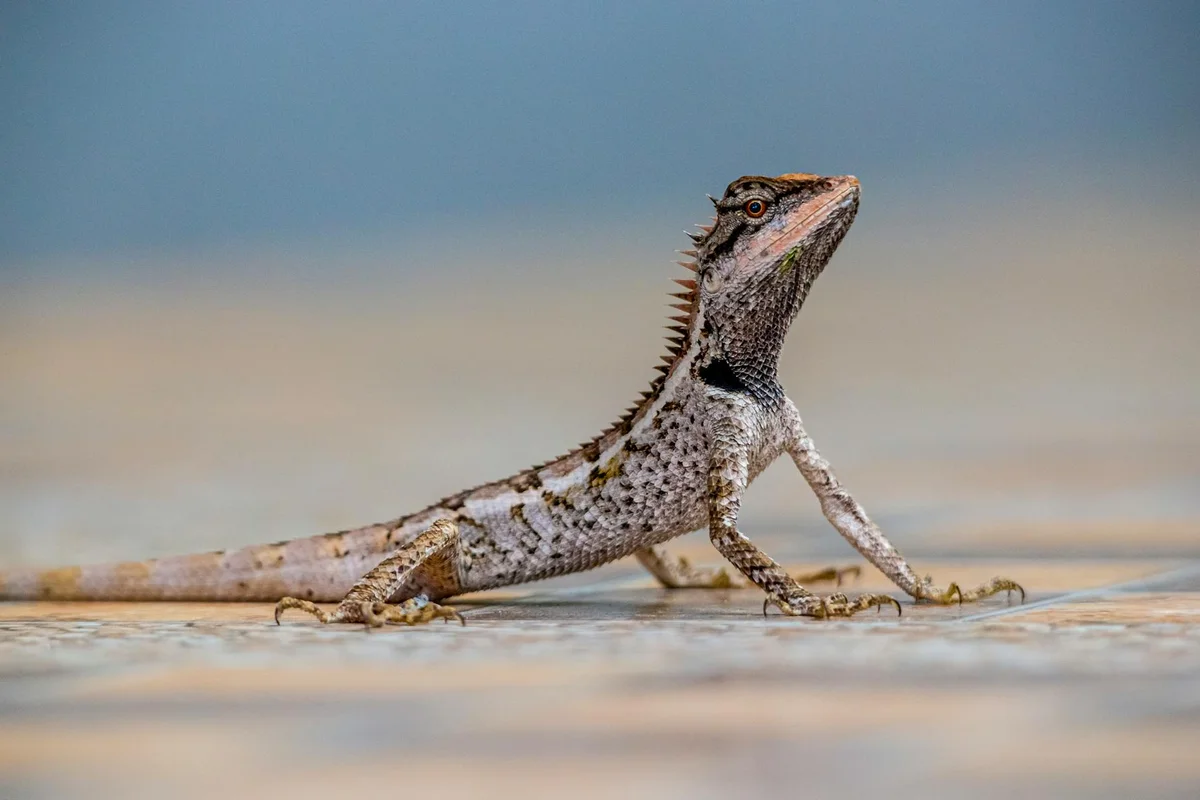
Getting the habitat right from day one is the single most powerful thing you can do to ensure your bearded dragon grows strong and healthy. A proper setup isn’t just about comfort; it directly fuels their development and prevents life-altering health problems. I learned this the hard way with my first dragon, Darwin, and I want to save you that stress. That starts with safe plants, safe wood decorations, and safe substrates in the enclosure. In my bearded dragon guide, I’ll walk you through plant picks and substrate options to keep your dragon healthy.
Tank Size by Growth Stage
Think of their tank as their entire world. A cramped world leads to a stunted dragon. Here’s the sizing I’ve used successfully for all my beardies: This bearded dragon tank size guide covers everything from baby to adult, with clear, stage-by-stage dimensions. Use it as you watch your dragon grow and adjust the enclosure as needed.
- Hatchlings (0-4 months): Start with a 20-gallon long tank. It’s small enough for them to find their food easily but gives them room to start exploring.
- Juveniles (4-12 months): This is their biggest growth spurt. Upgrade to a 40-gallon breeder tank. The extra floor space is non-negotiable now.
- Adults (12+ months): Your dragon needs a mansion. The absolute minimum for one adult is a 75-gallon tank, but a 120-gallon (4x2x2 feet) is the gold standard I use for all my adults. They use every inch of it.
Perfecting the Temperature Gradient
Bearded dragons are solar-powered. They can’t digest their food or grow properly without the right heat. You must create a warm side and a cool side so they can regulate their body temperature. As cold-blooded (ectothermic) animals, they rely on environmental heat to regulate their body temperature.
- Basking Spot Surface Temperature: 95-110°F (35-43°C). Use a digital probe thermometer right on the basking platform. This is the hottest point.
- Cool Side Ambient Temperature: 75-85°F (24-29°C). This is their chill-out zone to avoid overheating.
- Nighttime Temperature: Can drop to 65-75°F (18-24°C). If your house gets colder, use a ceramic heat emitter (no light) to maintain this.
Getting this temperature gradient wrong is one of the most common reasons for poor appetite and slow growth in young dragons.
The Critical Role of UVB Lighting
This is the part I see new owners mess up most often, and it breaks my heart. UVB isn’t optional. Without a high-quality UVB light, your bearded dragon cannot process calcium, leading to Metabolic Bone Disease (MBD), a painful and crippling condition. In a comprehensive bearded dragon lighting guide, we’ll cover UVB requirements, heat lamp setup, and daily light cycles to keep your dragon healthy. Getting these elements right is essential for preventing MBD and supporting overall health.
- Use a long, tube-style UVB light (like a T5 HO) that spans 1/2 to 2/3 of the enclosure’s length.
- Mount it inside the screen top or just above a wide-mesh lid, following the manufacturer’s distance guidelines.
- Replace the bulb every 6-12 months, even if it still lights up, as the invisible UVB rays fade over time.
Upgrading Habitat as Your Dragon Grows
You don’t need to buy a new tank every month. I plan for two main upgrades: one around the 4-month mark and the final one by their first birthday. The key is to watch your dragon. If they can run from one end to the other in under three seconds, it’s time for a bigger home.
As you size up, add more than just empty space. Enrichment is crucial for a healthy, active mind and body.
- Add sturdy branches, rocks, and reptile hammocks for climbing. Beardies love to be up high!
- Provide at least two hides: one on the warm side and one on the cool side. This gives them a sense of security.
- A flat, sturdy basking rock that retains heat is better than a piece of driftwood. It helps them warm their bellies for better digestion.
Identifying and Addressing Common Growth Issues
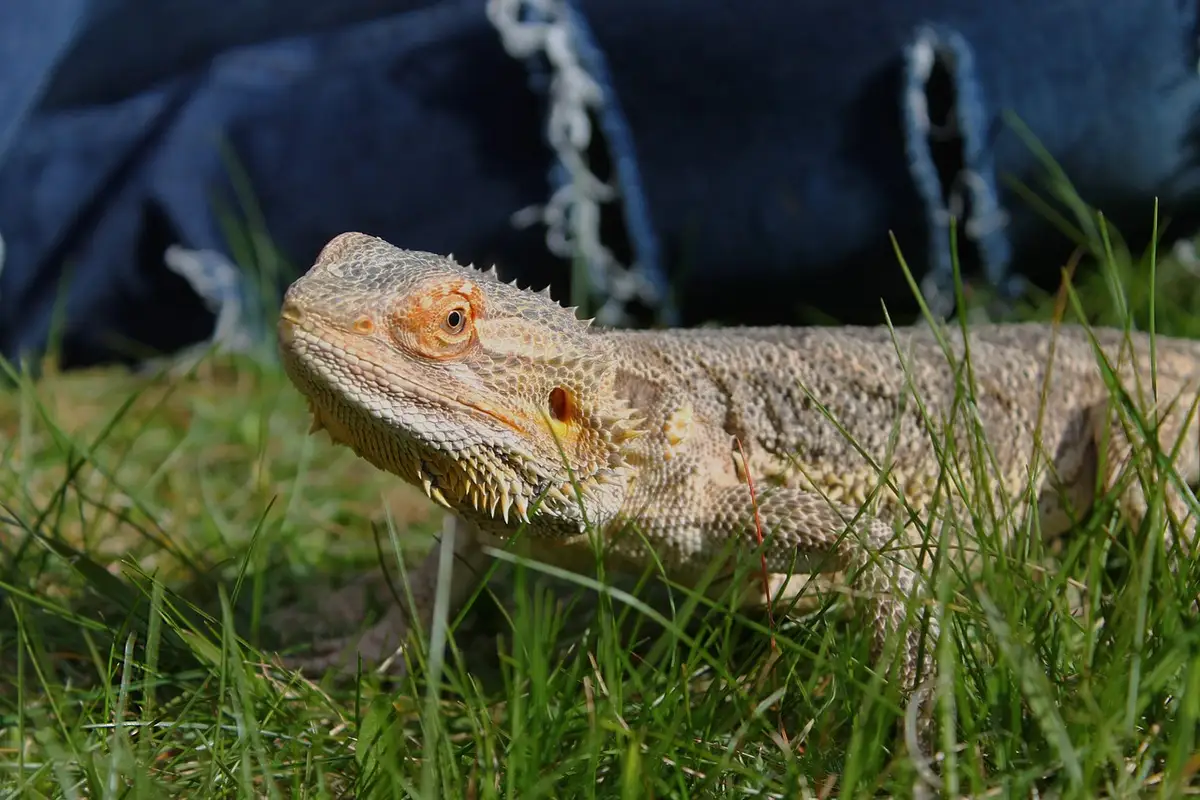
Sometimes, despite our best efforts, growth doesn’t go as planned. Catching these issues early makes all the difference. Trust your gut-you know your dragon better than anyone. If something seems off, it probably is.
Signs of Stunted Growth and Malnutrition
- Noticeably smaller than other dragons of the same age.
- Tail or limbs look thin and bony, lacking muscle mass.
- Lethargy, lack of interest in food, or hiding constantly.
- Jaw looks soft or rubbery, or they have difficulty climbing.
Red Flags for Metabolic Bone Disease (MBD)
MBD is a silent thief. By the time you see clear signs, the damage is already advanced. Watch for:
- Tremors, twitching, or jerky movements.
- Swollen or softened jaw (often called “rubber jaw”).
- Bumps or curves in the spine, tail, or limbs.
- Difficulty walking or lifting their body off the ground.
Actionable Steps to Correct Husbandry Mistakes
If you spot any warning signs, don’t panic. Immediately review these three pillars of care:
- Check Your UVB: Is it the right type? Is it positioned correctly? Is it old and needs replacing? This is the most common fix.
- Review Your Supplementation: Are you dusting feeder insects with a calcium powder (without phosphorus) at most feedings? Are you providing a multivitamin once or twice a week?
- Analyze the Diet: For juveniles, the diet should be about 80% live insects and 20% greens. Are you feeding enough protein? Are the insects appropriately sized (no wider than the space between their eyes)?
When to Consult a Reptile Veterinarian
My rule is simple: when in doubt, make the call. It is always better to get a professional opinion than to watch and wait while a reptile suffers. Seek a qualified reptile vet immediately if you see:
- Any of the physical signs of MBD mentioned above.
- No improvement in appetite or energy after correcting your setup.
- Prolonged lack of bowel movements, especially if combined with a lack of appetite.
- Visible injury or you suspect your dragon is in pain.
Frequently Asked Questions
Can a bearded dragon’s eye health affect its growth?
Yes, eye issues like infections or retained shed can reduce appetite and hinder nutrient absorption, potentially slowing growth. Maintaining proper humidity and providing a balanced diet helps support overall eye health and development.
Do male and female bearded dragons grow at different rates?
Males often reach a slightly larger size and may show a faster growth rate early on, but both sexes generally follow the same timeline to adulthood. Consistent care, including proper lighting and nutrition, ensures healthy growth regardless of gender.
How can I track my bearded dragon’s growth over time?
Taking monthly photos alongside length and weight measurements creates a visual time lapse to monitor progress. This practice helps you spot any deviations from normal growth patterns early, allowing for timely adjustments in care.
Wrapping Up
Watching your bearded dragon grow is one of the most rewarding parts of being a reptile owner. From a tiny hatchling to a full-grown adult, this incredible journey typically takes 12 to 18 months, with the most dramatic growth happening in that first year. It’s a process that requires patience and attentive care. For a month-by-month reference, our Bearded Dragon Month-by-Month Growth Guide lays out expected sizes and care milestones. This can help you tailor feeding and habitat adjustments as your dragon grows.
Remember, a balanced diet, proper lighting, and a spacious enclosure are the pillars that support healthy development. Every dragon grows at its own pace, so focus on providing consistent, excellent care rather than comparing to a strict timeline. Enjoy every stage-I know I’ve loved watching my own dragons blossom into their full, magnificent personalities.
Further Reading & Sources
- Bearded Dragon Growth – From Hatchling to Adult
- Bearded Dragon Growth Charts – Dachiu Bearded Dragons
- How Big Do Bearded Dragons Get? – Dragon’s Diet
Bearded Dragon Lair is the ultimate resource for bearded dragon enthusiasts, offering expert advice and practical tips to ensure the health and happiness of your scaly companion. With years of experience in reptile care, we are dedicated to providing accurate, up-to-date information to support your bearded dragon journey.
Hatchling Care