Why Do Bearded Dragons Change Color?
Published on: February 28, 2026 | Last Updated: February 28, 2026
Written By: Beardie Joe
If you’ve ever glanced at your bearded dragon and noticed their color looks a little different, you’re not alone in wondering what it means.
As an owner of several beardies, I’ve learned to read their colorful signals, and I’m here to help you understand your pet’s unique language.
In this article, we’ll explore the three main reasons for these shifts: stress, the shedding process, and natural changes as they age.
The Science Behind Bearded Dragon Color Changes
Watching your bearded dragon shift colors can feel like magic, but it’s actually a fascinating feat of biology happening right under their scales. Their skin is packed with specialized cells called chromatophores, which are tiny bags of pigment that expand and contract, especially noticeable in different morphs of bearded dragons.
Think of these cells as a layered artist’s toolkit. At the top are xanthophores and erythrophores, which hold yellow and red pigments. Beneath them are iridophores, which don’t contain pigment but are packed with crystals that reflect light, creating iridescent blues and whites. At the deepest layer lie the melanophores, which contain dark melanin and are the true power players in rapid color change.
These pigment cells don’t act randomly; they respond directly to hormonal and neurological signals from your dragon’s brain. When triggered by something like a temperature shift or a perceived threat, the brain sends a message telling the melanin to spread out or contract. This is why you see such swift, dramatic shifts from light to dark.
I like to imagine it as a high-tech mood ring built into their skin. The underlying canvas (their base color) is set, but their mood and environment act like a painter, constantly adding new shades and highlights on top.
Stress-Induced Color Changes in Bearded Dragons
One of the most common reasons for a sudden color shift is stress. From my experience with my own dragons, they are creatures of habit, and even small changes can be unsettling for them. Their skin becomes a direct billboard for their anxiety.
Common stress triggers include:
- Moving to a new enclosure or home
- Excessive or improper handling
- Loud noises from TVs, music, or vacuums
- The presence of other pets, like cats or dogs
- An incorrect tank setup (wrong temperatures, lighting, or humidity)
- Seeing their own reflection in the glass
You’ll notice specific color changes when they’re stressed. The most classic sign is a dark, blackening beard, even when they aren’t puffing it out. Their entire body can also turn a darker, duller, or grayer shade as their melanin spreads, almost like they’re trying to absorb more heat to fuel a potential escape. Sometimes, you might see unusual dark spots or patterns appear like stress marks, especially on their belly and chin.
If you see these signs, here is how you can help your pet:
- First, identify and remove the stressor if you can. Turn down the music, cover the reflective glass, or move other pets out of the room.
- Ensure their habitat is perfect. Double-check basking spot temperatures with a digital thermometer and confirm their UVB light is functioning and not too old.
- Give them space. Limit handling for a day or two and let them settle. A hiding place is non-negotiable for a stressed dragon to feel secure.
- Speak to them in a calm, low voice during feeding times to rebuild positive associations. I’ve found this gentle interaction helps my own dragons understand they are safe.
Shedding Cycles and Color Transformation
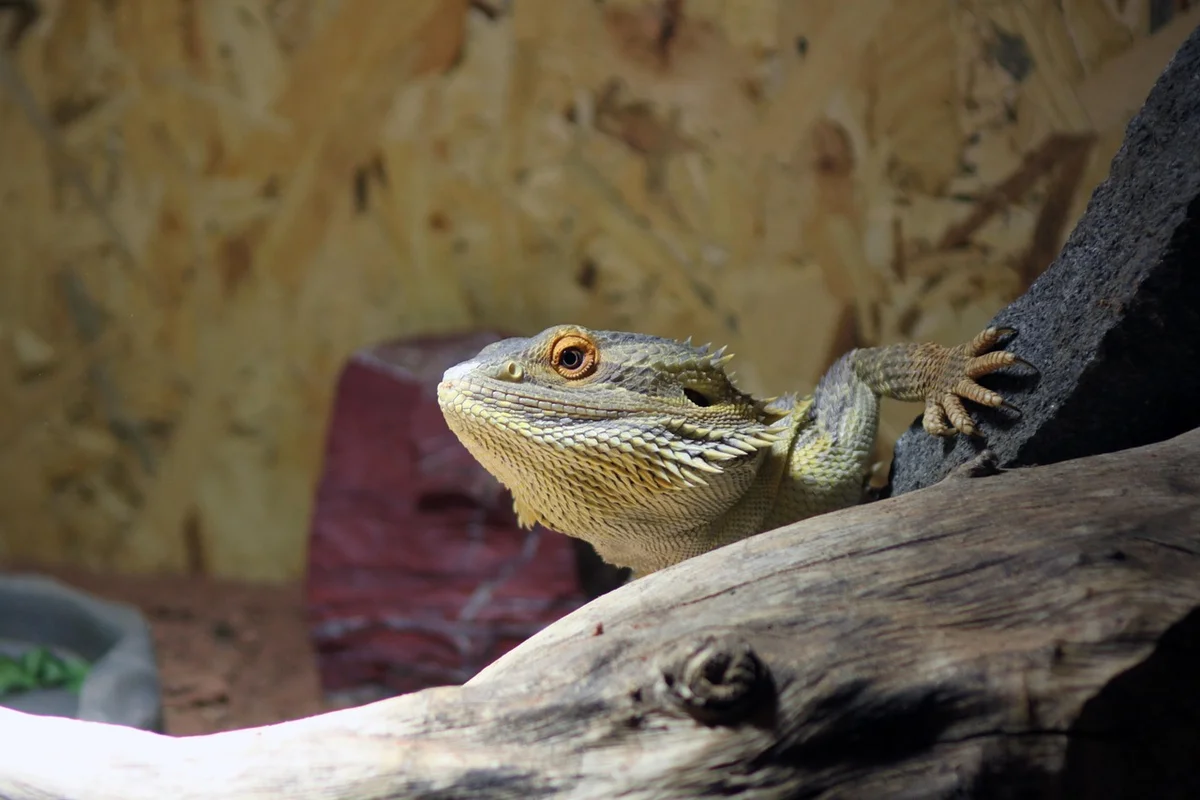
If you’ve ever looked at your dragon and thought their colors suddenly look faded and milky, you’re likely witnessing the start of a shed. This cloudy, dull appearance is completely normal and a sure sign that your dragon is preparing to shed its old skin. I’ve seen this many times with my own dragons; it can look a little alarming at first, but it’s a healthy process.
The Stages of a Shed
Shedding, or ecdysis, happens in distinct stages. Watching for them helps you understand what’s happening.
- The Pre-shed: Your dragon’s skin will take on a hazy, greyish, or whitish tint. Their overall color becomes muted and dull. They might seem a bit lethargic and lose their appetite.
- The Peel: The old skin begins to lift and flake off, often starting around the head, lips, and tail. You’ll see the bright, fresh skin underneath peeking through.
- The Rub: Your dragon will actively rub against rocks, branches, and decor to help slough off the loose pieces. This is when your terrarium looks like a tiny snow globe of skin flakes!
Supporting a Healthy Shed
A bad shed can be stressful and even dangerous if skin gets stuck, especially on toes and tail tips. Here’s how you can help.
- Hydration is Key: I always make sure fresh water is available. A gentle, lukewarm misting of their skin and enclosure can also help loosen the old layer.
- Offer a Bath: A shallow, warm bath for 15-20 minutes can work wonders. My dragons often start shedding right in the bathwater!
- Humidity Control: Aim for a humidity level between 30-40%. Too dry, and the skin won’t come off easily. A quick spike in humidity during a shed can be beneficial, but avoid a constantly damp environment.
- Rough Surfaces: Provide plenty of rough-textured rocks and branches. These give your dragon the perfect tools to scratch that itch and aid the process.
Normal vs. Problematic Shedding Color
It’s vital to know the difference between a standard shed and a sign of trouble.
- Normal: A general dullness or cloudiness over the entire body that progresses to flaking. The skin underneath appears healthy and vibrant.
- Problematic: If you see patches of skin that remain stuck, tight, and dark for more than a couple of days, it requires your attention. Stuck shed, especially on the toes or tail, can constrict blood flow. Persistent dark patches under the cloudy skin could indicate an injury or infection.
Age-Related Color Evolution in Bearded Dragons
Watching a bearded dragon grow from a tiny hatchling to a majestic adult is one of the most rewarding parts of being an owner. Their color journey from juvenile to adult is a fascinating transformation driven by both genetics and time. Their size growth patterns—from hatchling to adult—reveal how quickly they reach full length. These patterns are shaped by diet, basking light, and overall care.
Juvenile vs. Adult Coloration
The difference between a baby and an adult dragon’s coloring can be dramatic.
- Juveniles: Babies are often born with very vibrant, high-contrast patterns. They might have bold stripes, clear spots, and brighter base colors to help them camouflage in the wild.
- Adults: As they mature, these patterns often soften and blend. Many dragons experience a color “fill-in,” where their base color becomes more solid and their patterns become more subtle and complex. A dragon that was once starkly striped may develop a more muted, beautiful marbled appearance.
The Role of Genetics and Morphs
Genetics are the blueprint for your dragon’s lifelong color potential. Selective breeding has created incredible color morphs.
- Standard/Wild Type: These typically display the classic tans, browns, and yellows with earthy patterns.
- Citrus & Hypomelanistic: These morphs reduce dark pigments, resulting in brighter yellows, oranges, and cleaner patterns.
- Translucent: These dragons have semi-see-through skin and often solid, dark eyes. Their colors can be very unique but may also change significantly with age.
- Witblits & Zero: These are patternless morphs. They are born with their base color and generally keep it for life, without developing patterns.
How Age Affects Vibrancy and Hue
Color development doesn’t stop after the first year. I’ve noticed my adults continue to change subtly.
- Early Maturity (1-2 years): This is when you’ll see the most significant shift from juvenile patterning to adult coloration. Their final, settled-in colors become apparent.
- Prime Adulthood (2-5 years): Colors are often at their most vibrant and rich during these years, provided the dragon is healthy and well-cared-for.
- Senior Years (8+ years): Just like us, dragons can show signs of aging in their skin. You might notice their colors becoming slightly less intense or taking on a more muted, weathered hue. This is a natural part of their life cycle.
Environmental Factors Affecting Bearded Dragon Colors
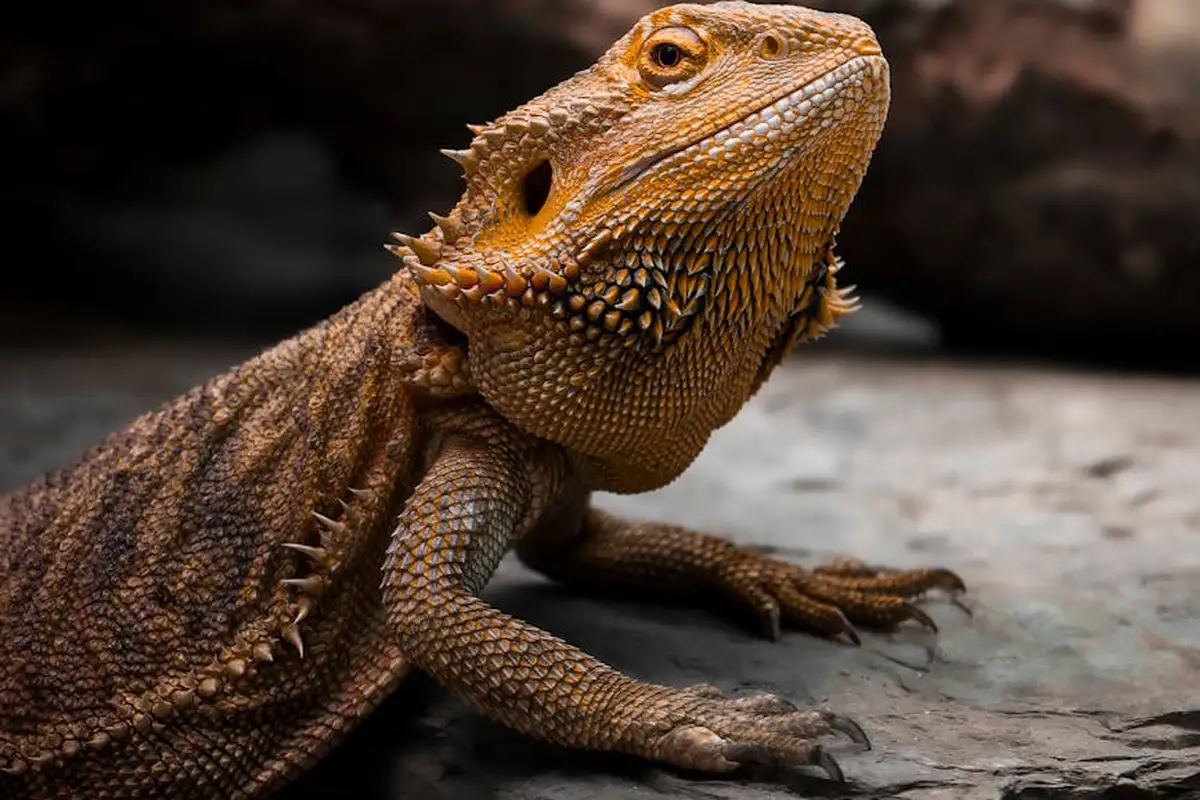
Your dragon’s color is like a living mood ring for their environment. I’ve spent countless hours watching my own dragons, and their color shifts in response to their tank are a constant reminder of how tuned-in they are.
Thermoregulation and Basking
Think of your bearded dragon as a tiny, scaly solar panel. To absorb heat effectively, they will often darken their skin, especially their beard and back. This darker coloration allows them to soak up warmth more efficiently during their crucial basking time. You’ll frequently see a dark, almost black beard in the morning as they warm up. Conversely, a dragon that is too warm might turn a lighter, almost pastel shade to reflect excess heat. So if you’re wondering why your dragon’s beard, neck, or tail darkening goes almost black, it’s usually a normal response to needing heat during basking. However, sustained or unusual darkening can indicate temperature, hydration, or stress issues that should be addressed.
The Critical Role of UVB Lighting
UVB lighting does more than just prevent Metabolic Bone Disease; it’s a key player in their color presentation. Proper UVB exposure supports their overall health and metabolism, which directly influences their skin’s pigment cells. A dragon without adequate UVB can become dull, washed out, and lose their vibrant hues because their body isn’t functioning at its peak. I always check my UVB bulbs every six months, as their output diminishes long before the light visibly flickers.
Ideal Enclosure Conditions for Vibrant Colors
To support those beautiful, consistent colors, your setup needs to be just right. Here are the conditions I maintain for my own dragons:
- Temperature Gradient: A basking spot of 95-110°F, a warm side around 85-90°F, and a cool side of 75-80°F.
- UVB Lighting: A linear T5 or T8 HO UVB tube that covers at least half to two-thirds of the enclosure’s length.
- Safe Hides: At least one snug hide on both the warm and cool ends to reduce stress.
- Proper Substrate: I use slate tile or a reptile-safe non-particulate liner to avoid impaction risks and make cleanup easy.
When Color Changes Signal Health Concerns
While many color changes are normal, some palettes are a clear cry for help. It’s our job as owners to learn the difference.
Normal Variations vs. Signs of Illness
A temporary black beard during a display is normal. A dragon turning pale before a shed is expected. The red flags wave when unusual colors are persistent and paired with other symptoms like lethargy, loss of appetite, or irregular posture. I once had a dragon whose colors became persistently dull; it turned out to be the early signs of a parasite load. Trust your gut—you know your pet best. Learn to recognize critical health warning signs to keep your dragon thriving.
Quick-Reference Guide to Worrisome Colors
Use this guide to quickly assess potential problems.
- Persistent Black Beard (Not Basking): Can indicate chronic stress, pain, or illness. Check for tank mates, reflections, or recent changes.
- Overall Pale or Gray Color (Not Shedding): Often a sign of poor circulation, impending shed issues, or a systemic health problem.
- Yellow Patches or Discoloration: Can signal a fungal infection like Yellow Fungus, which requires immediate veterinary attention.
- Dark Spots or Streaks: If not part of their natural pattern, this could indicate bruising, burns, or skin infections.
When to Seek Veterinary Care
Don’t wait and see when color is involved. You should schedule a vet visit if you observe any of the following:
- A black beard that lasts for more than a day without an obvious reason like basking.
- Any sudden, dramatic color loss accompanied by listlessness.
- Visible yellow patches, especially if the skin appears crusty or raised.
- Darkened limbs or tail tips, which can be a sign of retained shed cutting off circulation.
When in doubt, a quick call to an exotic vet can provide peace of mind and potentially catch a serious issue early. Their color is a powerful communication tool; we just need to learn how to listen.
Supporting Vibrant Colors Through Proper Care
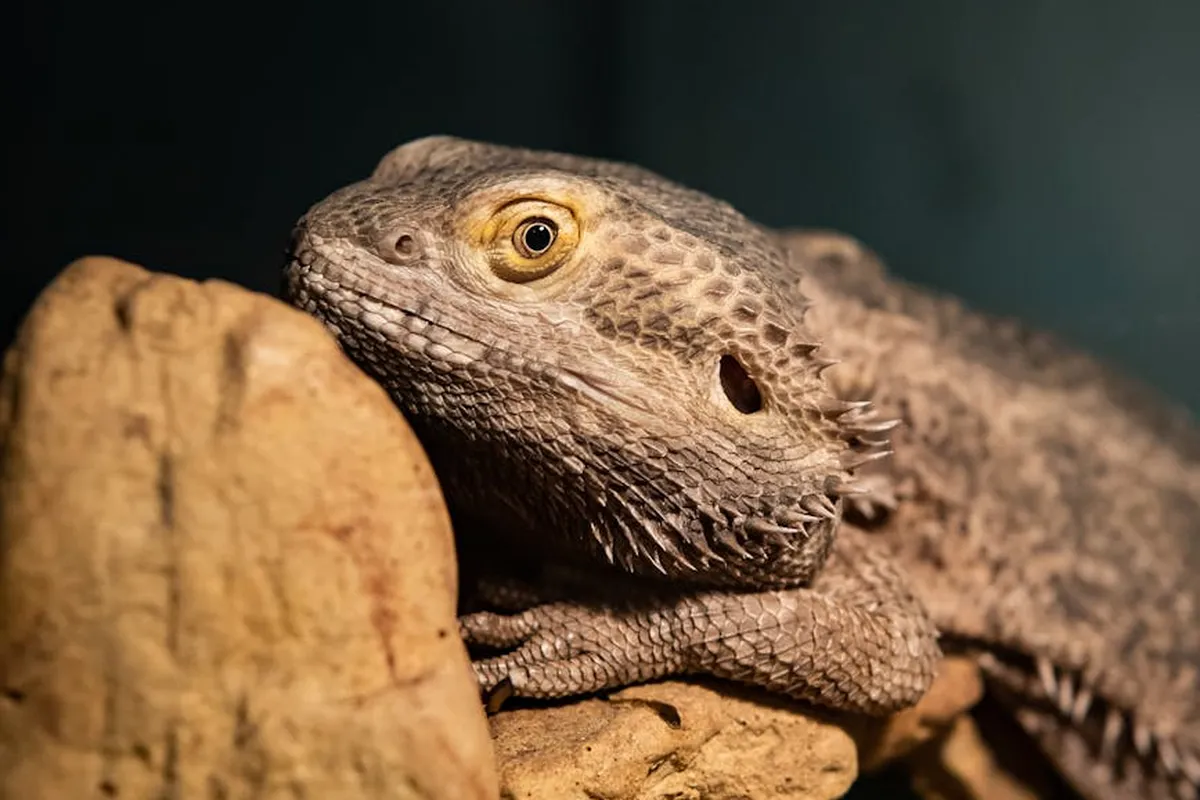
Seeing your bearded dragon’s colors shine is one of the most rewarding parts of being a pet parent. Think of their vibrant hues as a direct report card on their overall health and happiness. I’ve found that the most stunning colors aren’t forced; they’re a beautiful side effect of getting the fundamentals of care perfectly right. Different bearded dragon varieties can show distinct color palettes and markings, which you can spot in well-lit pictures. I’ll also share simple care tips tailored to each variety to keep their colors healthy.
Fueling Color from the Inside Out
A dull, monotonous diet will almost always lead to a dull, monotonous lizard. Their color potential is directly linked to the variety and quality of what they eat.
- Gut-Load Your Insects: Don’t just feed your dragon crickets or dubia roaches; feed the insects first. I always gut-load with nutritious greens like collard greens and sweet potato for at least 24 hours before offering them to my dragons. A well-fed bug is a multivitamin for your pet.
- Embrace the Salad Bar: Even for adults who eat more veggies, variety is key. I rotate through staples like mustard greens, dandelion greens, and bell peppers (a personal favorite for a color boost!).
- Supplement Smartly: A calcium deficiency can quickly lead to faded colors and serious health issues. I dust nearly every insect feeding with a high-quality calcium powder, and I use a multivitamin twice a week. This simple routine has kept my dragons strong and their colors rich for years.
Creating a Color-Enhancing Habitat
Your dragon’s environment is their whole world. If their setup is lacking, their colors will be too. Getting the basics wrong is a fast track to stress-induced grays and browns.
- Lighting is Non-Negotiable: I can’t stress this enough. A proper, high-output UVB light is the single most important piece of equipment you will buy. It allows them to synthesize vitamin D3 and absorb calcium, which is fundamental for their health and color. Replace the bulb every 6 months, even if it still looks bright.
- Master the Temperature Gradient: Bearded dragons thermoregulate by moving between warm and cool areas. One side of the tank needs a basking spot of around 95-110°F, while the other side should be a cool 80-85°F. Without this gradient, they cannot properly digest food or regulate their metabolism, which directly impacts their color and energy levels.
- Provide Hydration Stations: While they get moisture from their greens, I always offer fresh, clean water daily. I’ve also had great success with weekly warm soaks. Not only does this help with hydration, but it also aids in shedding, preventing those dull, stuck patches of skin.
The Art of Observation and Proactive Care
Caring for an animal is a constant learning process. The best thing you can do is become an expert on your individual dragon. A Thrive Complete Care Checklist can help you stay on track with essential needs. It guides you through lighting, temperatures, diet, enclosure, and regular health checks for your dragon.
- I make it a habit to just watch my dragons for a few minutes each day. You learn their normal posture, their favorite sleeping spots, and what their “happy” color pattern looks like.
- Any prolonged change from that baseline-especially if they are consistently dark, gray, or displaying a stress-black beard-is your first clue that something is wrong.
- Chasing vibrant color should never come at the expense of the animal’s well-being. The goal is a healthy, content dragon; the bright colors are simply the wonderful, natural result. If you focus on their welfare, the aesthetics will follow.
From my own experience, my oldest dragon, Draco, went through a patchy, dull phase early on. It was only after I upgraded his UVB lighting and perfected his diet that his golden-yellow patterns truly began to pop and stay that way. It was a powerful lesson that their color is a language, and we just need to learn how to listen.
Frequently Asked Questions
What do the different bearded dragon colors mean?
Bearded dragon colors can communicate their mood and health. A dark beard or body often indicates stress, while a bright orange or yellow hue can signal contentment, especially during basking when they are warm and comfortable. Learn more about their colors here.
What are bearded dragon color morphs?
Bearded dragon color morphs are distinct genetic variations bred for specific colors and patterns, such as vibrant Citrus or patternless Witblits. These morphs determine your dragon’s base coloration, which can still be influenced by factors like temperature and mood. Understanding bearded dragon genetics is crucial for successful morph breeding.
Why is my bearded dragon turning orange?
Your bearded dragon may turn orange due to thermoregulation, as they often display brighter, warmer colors like orange when basking to optimize heat absorption. Bearded dragons can see colors in the visible spectrum, including red, orange, green, and blue, so these color changes are within their perceptual range. This can also be a sign of a relaxed and content mood in their ideal environment.
Final Thoughts
Your bearded dragon’s shifting colors are a fascinating, non-verbal language all their own. From stress marks and temperature regulation to the dullness of a pending shed, these changes are a direct window into their well-being. Recognizing stressed spot signs helps reduce their anxiety by guiding calmer care. Paying attention helps you become a more responsive and caring owner.
Remember that some color evolution is a natural and beautiful part of aging. The key is to observe the context-knowing the difference between a temporary mood and a sign that something in their habitat needs your attention is the heart of great dragon care. When in doubt, trust your instincts and consult a reptile-savvy vet.
Further Reading & Sources
- 7 Things Owners Need to Know About Bearded Dragon Colors – Reptilinks
- r/BeardedDragons on Reddit: New owner here this might be a stupid question, but do bearded dragons change colors?
- How do bearded dragons exactly change their color? | Behavior
Bearded Dragon Lair is the ultimate resource for bearded dragon enthusiasts, offering expert advice and practical tips to ensure the health and happiness of your scaly companion. With years of experience in reptile care, we are dedicated to providing accurate, up-to-date information to support your bearded dragon journey.
Signs of Illness