
What Plants Are Safe for Bearded Dragons?
Published on: January 23, 2026 | Last Updated: January 23, 2026
Written By: Beardie Joe
Choosing the right plants for your bearded dragon’s habitat can feel like a minefield, where a wrong pick could risk their health.
As a long-time owner of multiple beardies, I’ve spent years researching and testing plants to create enriching, beautiful, and completely safe enclosures.
In this guide, I’ll break down the safest herbs, hardy succulents, and beneficial live plants you can confidently add to your pet’s home.
Why Choosing Safe Plants Matters for Your Beardie
Plants do so much more than just make your terrarium look pretty. They provide crucial environmental enrichment, encouraging natural foraging behaviors that keep your dragon’s mind active and engaged. A well-planted habitat can also help maintain humidity levels and offer cozy hiding spots, reducing stress.
But getting it wrong comes with real risks. Many common household plants contain oxalates that bind to calcium or other compounds that are outright toxic to reptiles. Ingesting the wrong leaf can lead to serious digestive upset, kidney problems, or worse, making plant safety a non-negotiable part of pet ownership. I learned this the hard way early on when a well-meaning friend gifted me a beautiful, non-safe succulent. My curious beardie took a tiny nibble and had a upset stomach for days. It was a scary lesson that taught me to always, always double-check every single plant.
Your dragon relies on you to make safe choices. Sticking to a verified list of safe plants is the simplest way to protect your scaly friend and give yourself peace of mind. For example, bearded dragons eat clover leaves and flowers in moderation. Our clover leaves flowers safety guide explains how to offer them safely.
Safe Edible Greens for a Balanced Bearded Dragon Diet
Fresh greens should be the cornerstone of your adult bearded dragon’s diet. Offering a rotating variety of these nutrient-packed leaves ensures they get a broad spectrum of vitamins and minerals. My dragons get ridiculously excited when they see me bringing in their fresh salad mix—it’s their favorite part of the day! This aligns with a complete safe/unsafe greens list for bearded dragons, helping you know which greens to include and which to avoid. Knowing which greens are safe, which are unsafe, and how often to rotate them will help keep your dragon healthy.
Here are my top picks for staple greens that are both safe and nutritious:
- Dandelion Greens
- Collard Greens
- Mustard Greens
- Turnip Greens
- Endive / Escarole
Kale is a great option to include in the rotation, but I use it a bit less frequently than the others listed above. Variety is truly the key to a balanced diet.
Pay close attention to the calcium-to-phosphorus ratio. You always want more calcium than phosphorus to support strong bones and prevent metabolic bone disease, a common and serious health issue. Here’s a quick look at some top choices:
| Green | Calcium:Phosphorus Ratio |
|---|---|
| Dandelion Greens | 2.8:1 |
| Collard Greens | 14.5:1 |
| Turnip Greens | 4.5:1 |
| Mustard Greens | 2.4:1 |
I feed a large, fresh salad of collard greens and mustard greens to my adult dragons daily. For juveniles, you should still offer greens every day, but their diet will be more insect-focused. Collard greens and mustard greens are safe leafy greens to include in their daily salads. Rotating them with other greens helps balance nutrients for bearded dragons and supports overall health.
Preparation is just as important as selection. I always wash every leaf thoroughly under cool running water, even if the package says it’s pre-washed, to remove any potential pesticide residue or dirt. I then pat them dry with a clean towel or use a salad spinner. Chop the greens into bite-sized pieces that are easy for your dragon to eat. This little bit of extra care makes all the difference for their health, especially when you’re also washing your bearded dragon.
Herbs and Succulents: Safe Additions for Variety
Spicing up your dragon’s diet with fresh herbs is one of the easiest and most rewarding things you can do. I always keep a few small herb pots on my windowsill just for my bearded dragons, and they absolutely love the variety. For safety, check a bearded dragon herb safety guide. That guide covers rosemary, thyme, and other herbs and how much to offer. It’s a simple way to add new flavors and nutrients to their regular greens.
Safe and Tasty Herbs
These herbs are generally safe and can be offered fresh. Always wash them thoroughly to remove any pesticides.
- Basil: A fragrant favorite. My dragon, Ember, goes crazy for the smell. It’s a great source of Vitamin K.
- Cilantro: A hydrating herb with a strong aroma. I offer it once or twice a week mixed into her main salad.
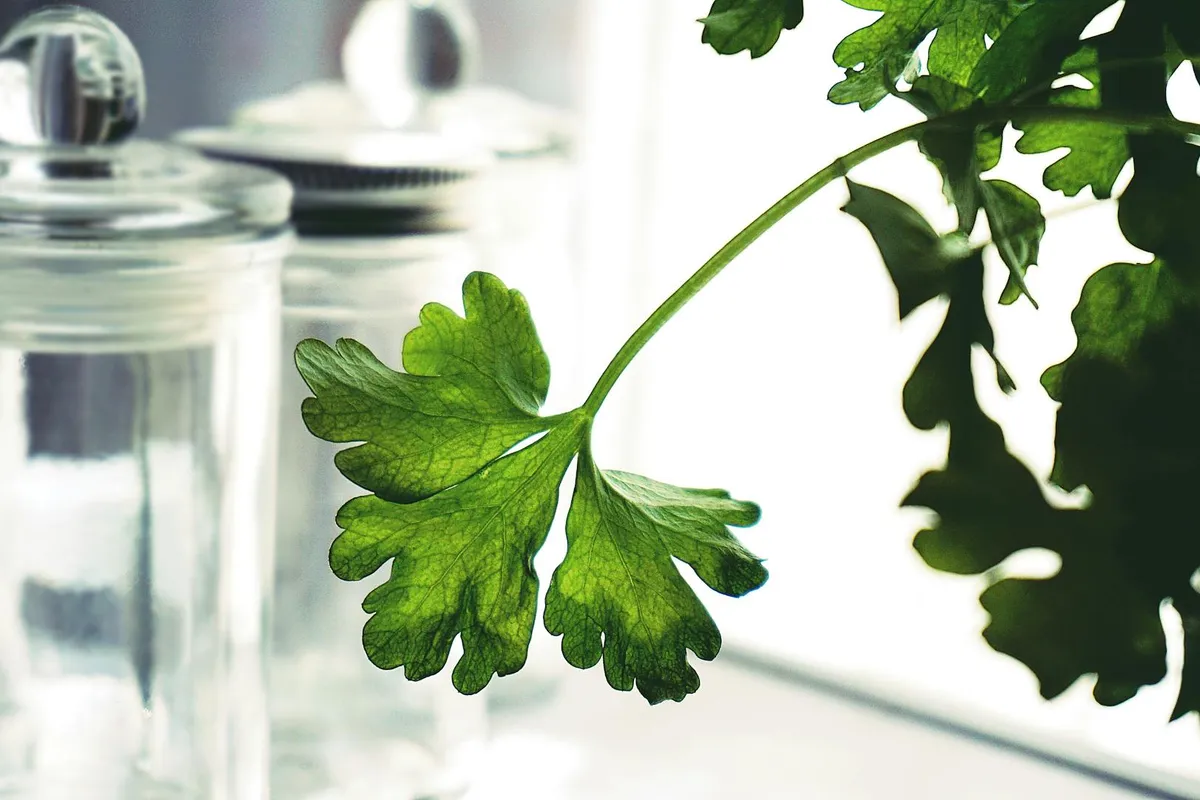
- Parsley: Packed with vitamins but also high in oxalates. I use it as a very occasional garnish, not a staple.
- Thyme: A potent little herb. I only sprinkle a few tiny leaves on top of food as a flavor booster.
- Oregano: Another strong one. I treat it exactly like thyme-a tiny, infrequent topping.
Non-Toxic Succulents as Occasional Treats
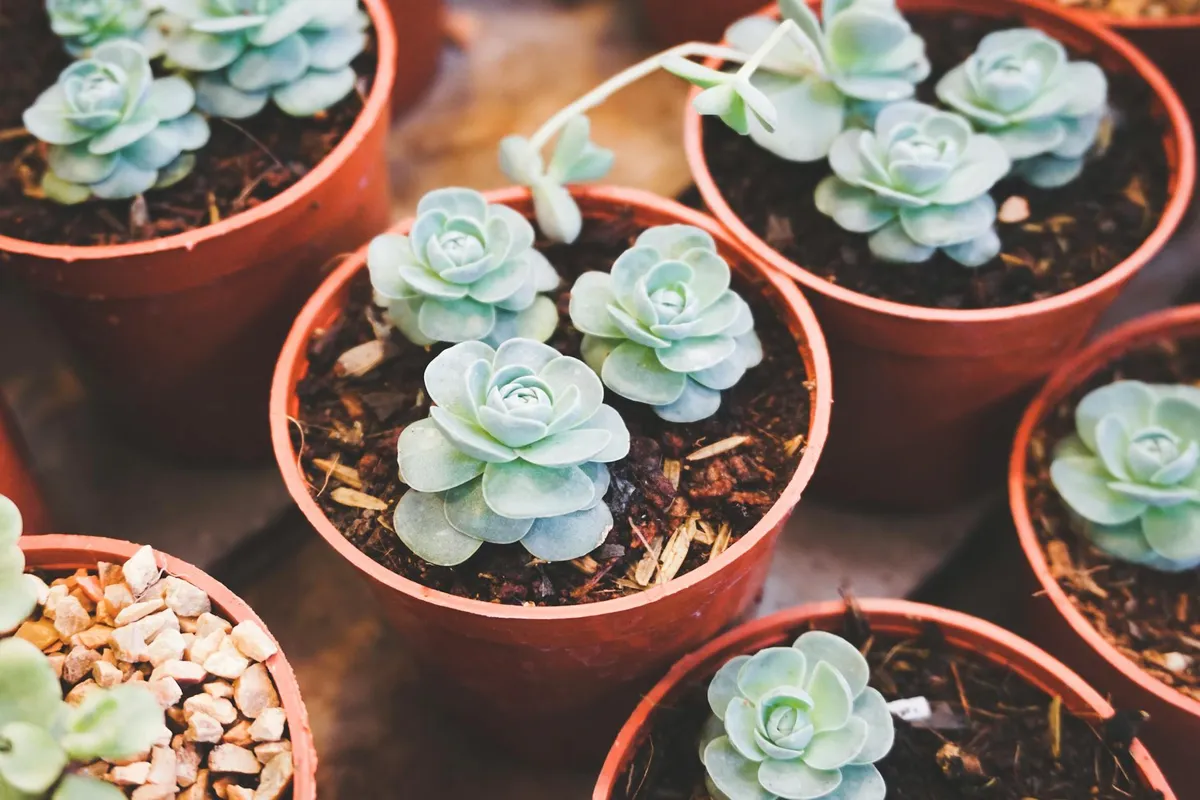
Succulents can be a fun, textural treat, but they are not a daily food. Their high moisture content means they should be viewed as a special snack, not a dietary staple, to avoid digestive upset. Always source these from a safe, pesticide-free grower.
- Hens and Chicks (Sempervivum): A perfectly safe and sturdy option. My dragons sometimes take a curious nibble.
- Haworthia (Zebra Plant): With its tough, pointed leaves, it’s more for decoration and climbing. I’ve never seen mine try to eat it.
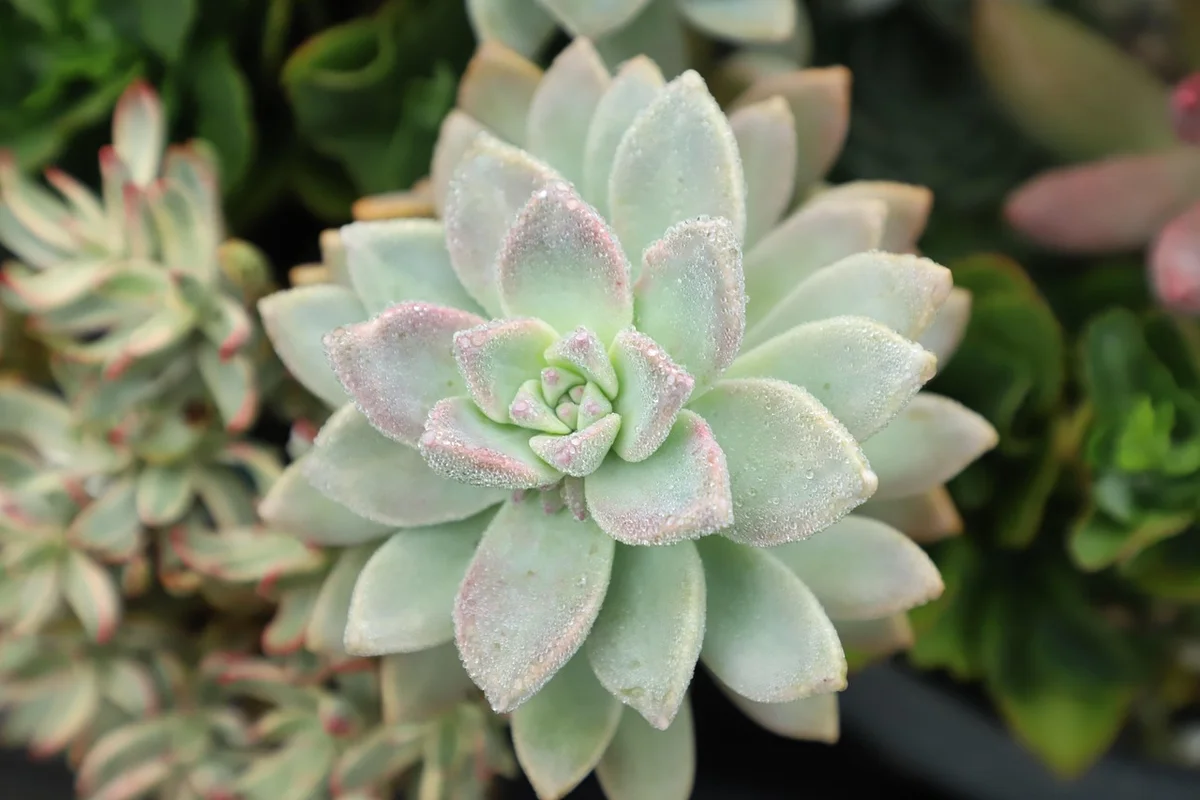
- Echeveria: Beautiful and safe. These are best offered as a rare, hand-fed treat leaf.
- Sedum (Stonecrop): Some varieties are safe. I only use the non-toxic types and offer a tiny piece rarely.
Important Precautions from My Experience
Even with safe plants, you must be cautious. My golden rule is to always introduce any new plant, even a “safe” one, in a tiny amount first and watch for any changes in behavior or droppings. I learned this the hard way when one of my dragons had unusually soft stool after too much basil. Moderation is everything.
Live Plants for Bearded Dragon Enclosure Enrichment
Adding live plants to your dragon’s home does more than just make it look pretty. Live plants provide crucial mental stimulation and physical enrichment, mimicking the complex environment they would find in the wild. They offer shady hiding spots, sturdy leaves for climbing, and can even help maintain humidity.
Excellent Safe Houseplant Choices
These plants are champions of the reptile enclosure. They’re tough, non-toxic, and can handle a curious dragon.
- Spider Plant: An absolute superstar. It’s non-toxic, grows quickly, and can handle a bit of trampling. My dragons love hiding in the dense leaves.
- Ponytail Palm: With its thick, textured trunk, it’s perfect for climbing. The leaves are tough and not very appealing to eat, which is a bonus.
- Hibiscus (Tropical): A fantastic, all-around safe plant. Both the leaves and the beautiful flowers are edible treats. Just ensure it’s a tropical variety, not a hardy one.
The Real Benefits of a Planted Tank
Beyond just looking natural, live plants serve a vital purpose. They create a more dynamic and secure habitat, reducing stress by giving your dragon places to retreat and explore. Watching them climb over a ponytail palm or nap under a spider plant is a joy. It makes their world bigger.
Smart Placement and Sizing Tips
To prevent your dragon from treating the enclosure like an all-you-can-eat salad bar, strategy is key.
- Choose plants that are already larger and more established. A small, tender plant is an invitation to be dug up or devoured.
- Place plants in areas away from their main basking spot. This makes them part of the landscape, not a direct food source.
- You can also place smooth, heavy rocks around the base of the plant to discourage digging.
- Always monitor your dragon’s interaction with a new plant for the first few days to ensure they aren’t consuming it excessively.
Toxic Plants to Avoid in Your Bearded Dragon’s Environment
Creating a beautiful, naturalistic habitat is a joy, but your dragon’s safety is the top priority. Many common household and garden plants can make your bearded dragon extremely sick, or worse. I learned this the hard way early on, and it’s a lesson I don’t want any other owner to experience. To help others, I now follow a bearded dragon safety guide focused on safe plants, woods, and substrates for a worry-free enclosure. Sticking to those guidelines keeps your dragon healthy and your habitat truly safe.
Common Toxic Plants and Their Dangers
This list isn’t exhaustive, but it covers the usual suspects you might encounter. Always double-check a plant’s safety before it goes anywhere near the tank.
- Ivy (All Types): Causes severe mouth irritation, excessive drooling, and digestive upset.
- Daffodils & Tulips: The bulbs are the most toxic part, leading to intense vomiting, diarrhea, and even heart problems.
- Azaleas & Rhododendrons: Even a few leaves can cause weakness, leg paralysis, and a dangerously slow heart rate.
- Oleander: This is one of the most dangerous. It affects the heart and can be fatal from a very small amount.
- Philodendron & Pothos: Popular houseplants, but they contain crystals that cause intense burning and swelling of the mouth and throat.
- Nightshades (e.g., Tomato & Potato leaves): The leaves and vines contain toxic alkaloids that disrupt the nervous system.
Symptoms of Plant Toxicity
If your dragon has nibbled on something they shouldn’t have, they can’t tell you they feel unwell. You have to be a detective. Watch for these warning signs.
- Lethargy or unusual lack of movement
- Loss of appetite or refusal to drink
- Diarrhea or discolored stools
- Excessive drooling or mucus around the mouth
- Tremors, stumbling, or a lack of coordination
If you see any of these symptoms, especially after introducing a new plant, contact your reptile veterinarian immediately. Don’t wait to see if it passes. Time is critical with toxicity.
A Personal Story: A Close Call
My partner once brought home a beautiful, trailing pothos plant. Before I could identify it, he placed it on a shelf above my dragon’s open-top enclosure. A few days later, I found a single, half-chewed leaf that had fallen into the tank. My heart stopped. Luckily, my dragon, Smaug, hadn’t eaten enough to get seriously ill, but he was off his food for a day. That single leaf was a powerful reminder that vigilance is non-negotiable. We now have a strict “no unvetted plants in the reptile room” rule.
How to Introduce and Maintain Plants Safely
Once you’ve confirmed a plant is safe, the process isn’t over. A proper introduction and good maintenance keep your dragon healthy and your plants thriving. For bearded dragons, refer to a leaves-eating guide to differentiate safe from toxic leaf varieties, and start with small amounts to observe tolerance. Always monitor your dragon after feeding new greens.
Steps for a Gradual Introduction
Rushing this process can stress both your plant and your pet. Follow these steps for a smooth transition.
- Quarantine the New Plant: Keep the plant in a separate room for at least two weeks. This prevents introducing pests or mold into your main enclosure.
- Wash the Plant Thoroughly: Gently wash the leaves and stems with water to remove any chemical residues, dust, or tiny pests. I avoid soaps.
- Re-pot with Safe Soil: Remove the plant from its store-bought soil, which often contains fertilizers. Re-pot it in organic topsoil with no additives or a coconut coir mix.
- Place in the Enclosure: Secure the plant in a spot where it won’t easily be trampled. You can bury the pot or place rocks around the base.
- Supervise Initial Interactions: Watch your dragon closely for the first few days to see if they try to eat the plant or dig it up.
Care Tips for Enclosure Plants
The environment inside a bearded dragon tank is unique. Your plants need to adapt to the heat and light.
- Choose the Right Light: Most edible herbs and succulents need high light levels. Ensure your UVB and basking lights provide enough intensity for the specific plants you choose.
- Water Carefully: Overwatering is a common mistake. It raises humidity too high for your dragon and can cause root rot. Water the plant’s base directly, not the entire tank substrate.
- Protect the Roots: Bearded dragons love to dig. Placing a layer of large, flat stones on top of the soil around the plant can discourage them from uprooting their new jungle.
Healthy plants are safer plants, as stressed or dying plants can develop mold or become more appealing for a dragon to overeat.
Reliable Sources for Safe Plants
Where you get your plants matters just as much as what kind you get.
- Reptile Expos: My personal favorite. Vendors here often specialize in reptile-safe flora and can give expert advice.
- Specialty Online Stores: Several online retailers grow plants specifically for reptile enclosures, guaranteeing they are pesticide-free.
- Local Nurseries (with caution): You can find great plants, but you must ask about their pesticide use. Even then, a full quarantine and re-potting are mandatory.
I always avoid the floral department of big-box stores, as their plants are almost always treated with systemic pesticides that you cannot wash off. It’s simply not worth the risk.
Frequently Asked Questions
Where can I buy bearded dragon plants?
You can purchase safe plants from reptile expos, specialized online stores that cater to reptile habitats, or local nurseries, but always ensure they are pesticide-free and follow proper quarantine and repotting steps before use.
Are bearded dragon plants safe?
Only plants verified as non-toxic are safe; always refer to a trusted list and avoid unvetted species, as some common plants can be harmful or toxic if ingested by your dragon. It’s essential to know what not to feed your bearded dragon, especially when it comes to plants.
What plant decor is suitable for a bearded dragon enclosure?
Choose sturdy, non-toxic live plants that can withstand the enclosure environment and provide functional decor for climbing and hiding, enhancing your dragon’s habitat without safety risks. Within a bearded dragon bioactive enclosure setup, these plants create a natural microhabitat. They also offer enrichment by encouraging foraging and exploration.
Final Thoughts
Choosing the right plants for your bearded dragon’s home is a simple but powerful way to keep them healthy and engaged. My own dragons have thrived when I stick to proven-safe herbs like basil and safe succulents like haworthia. In a bearded dragon tank plants guide, you’ll find safe live plant options as well as reliable fake plant choices to suit any setup. That way you can keep the enclosure lush without risking the animal’s health. Always double-check any plant before it goes into the enclosure.
Your dragon’s safety is the top priority, so when in doubt, leave a new plant out. From my experience, a well-researched, plant-filled habitat makes for a visibly happier and more active pet. You’ve got this.
Further Reading & Sources
- 5 Safe Plants To Use In A Bearded Dragon Habitat – Zen Habitats
- Safe plants for bearded dragons….and go!
- Bearded Dragon Starter Plant Pack – The Bio Dude
Bearded Dragon Lair is the ultimate resource for bearded dragon enthusiasts, offering expert advice and practical tips to ensure the health and happiness of your scaly companion. With years of experience in reptile care, we are dedicated to providing accurate, up-to-date information to support your bearded dragon journey.
Feeding Guidelines