Can Bearded Dragons Eat Collard and Mustard Greens? A Guide to Safe Greens
Published on: December 28, 2025 | Last Updated: December 28, 2025
Written By: Beardie Joe
You’re likely staring at a bunch of leafy greens, wondering if they’re a safe choice for your bearded dragon’s next meal.
As an experienced owner who has raised multiple happy, healthy dragons, I’m here to give you the clear, practical advice you need.
We’ll dive into the specific benefits, proper preparation, and ideal feeding frequency for these popular greens to keep your pet thriving.
The Quick Answer: Are These Greens Safe?
Yes, both collard greens and mustard greens are excellent and safe choices for your bearded dragon. I feed both of these greens to my own dragons regularly, and they are staples in my reptile fridge. Collard greens are arguably one of the best all-around greens you can offer. Mustard greens are also fantastic, but I like to rotate them with other greens rather than feeding them every single day. To build a complete greens list for bearded dragons, it’s helpful to know which greens are safe and which should be avoided.
Think of it this way: collard greens are your reliable, everyday friend. Mustard greens are the fun, spicy cousin you love to visit a few times a week. This rotation is key to providing a balanced and varied diet that prevents nutritional imbalances.
Why These Greens Are Nutritional Powerhouses
These aren’t just random leaves; they’re packed with the specific vitamins and minerals your bearded dragon needs to thrive. I’ve seen the difference a good diet makes in their energy levels and the vibrant health of their skin. Basil leaves are just one example of nutritious greens that can be included in their diet.
- Collard Greens: A true superfood. They are bursting with Vitamin A for sharp eyesight, Vitamin K for healthy blood, and are an incredible source of calcium.
- Mustard Greens: These bring a peppery kick and are loaded with Vitamin C to support their immune system, along with plenty of Vitamin A and fiber to keep everything moving smoothly.
Offering these greens is one of the simplest ways to proactively support your dragon’s long-term health. You are directly contributing to strong bones, a robust immune system, and proper organ function with every bite they take.
The Critical Calcium to Phosphorus Ratio
This is the most important nutritional concept to grasp for bearded dragon care. Calcium needs phosphorus to be absorbed properly, but if there’s more phosphorus than calcium, it actually blocks calcium absorption. So how much calcium do bearded dragons need, and can you give them too much? Generally, calcium should be supplemented only a few times per week, not daily, and must be balanced with phosphorus and UVB exposure to avoid excess or deficiencies.
This can lead to Metabolic Bone Disease (MBD), a serious and painful condition I’ve helped rescue dragons recover from. You always want a calcium-to-phosphorus ratio of 2:1 or higher in your dragon’s staple foods.
| Green | Calcium to Phosphorus Ratio |
|---|---|
| Collard Greens | 14.5:1 (Excellent!) |
| Mustard Greens | 2.4:1 (Good!) |
As you can see, collard greens are a calcium powerhouse. Mustard greens have a good, positive ratio, which is why they are a fantastic part of a varied diet. Always dust insect feeders with a calcium supplement to further tip this balance in your dragon’s favor.
Understanding Oxalates and Goitrogens
These are natural compounds found in many plants that can cause issues in very high amounts.
- Oxalates (Oxalic Acid): This compound binds to calcium and makes it unavailable to your dragon. Foods like spinach are very high in oxalates and are best avoided. The great news is that both collard and mustard greens are very low in oxalates, which is a major reason they are such safe, recommended staples.
- Goitrogens: These can interfere with thyroid function if fed in extremely large, constant quantities. Mustard greens contain goitrogens, while collard greens contain only trace amounts.
This is not a reason to panic and avoid mustard greens. This is precisely why I advocate for food rotation. By not feeding any one green, even a healthy one, in massive excess, you naturally prevent any compound from building up to a problematic level. Variety is your safest and healthiest strategy.
How to Prep and Serve Greens Like a Pro

Getting the greens from the store to your dragon’s bowl is a simple process, but doing it right makes all the difference. A little extra care in preparation ensures your bearded dragon gets the cleanest, safest, and most nutritious meal possible. That goal is part of our complete guide on what bearded dragons eat and which foods are safe. It covers safe foods, portions, and feeding frequency to keep your dragon thriving.
Creating a Nutritious Greens Mix
I never serve just one type of green. In my home, we make a “salad mix” to provide a wider range of nutrients and keep meals interesting. Here is my go-to method.
- Select Your Greens: Start with a base of collard greens or mustard greens. I personally find collard greens to be a fantastic, sturdy staple.
- The Thorough Wash: Rinse every leaf, even the organic ones, under cool running water. I get into the crevices with my fingers to dislodge any dirt or potential pesticide residue. This step is non-negotiable for me.
- The Dry Cycle: Use a salad spinner or pat the leaves dry with a clean paper towel. Excess water can make the salad wilt quickly and dampen the enclosure, which we want to avoid.
- Chop to Size: Chop the greens into bite-sized pieces, no larger than the space between your dragon’s eyes. This prevents choking and makes it easier for them to eat.
- Mix in Other Goodies: Combine your chopped collard or mustard greens with other safe veggies. My dragons go crazy for a few pieces of shredded butternut squash or a sprinkle of dandelion greens.
I store any leftover prepped mix in a sealed container in the fridge for up to three days. This “meal prep” style saves me so much time on busy mornings.
Feeding Guidelines: How Much and How Often?
This is where many new owners get tripped up. The right amount changes dramatically as your bearded dragon grows.
For Baby and Juvenile Bearded Dragons (0-12 months):
- Their diet should be heavily weighted towards protein for growth.
- Offer a small salad of finely chopped greens every single day.
- The portion should be about the size of their head.
- Don’t be discouraged if they ignore it at first; the goal is to build the habit.
For Adult Bearded Dragons (18+ months):
- Their diet flips to being primarily plant-based.
- A large salad of mixed greens should be offered daily.
- The portion can be as large as they will happily eat.
- At this stage, a salad bowl should be overflowing every morning. Live insects become more of a treat, offered only 2-3 times per week.
I always recommend removing any uneaten salad at the end of the day to keep the habitat clean and prevent your dragon from eating spoiled food.
Your Bearded Dragon’s Complete Greens List
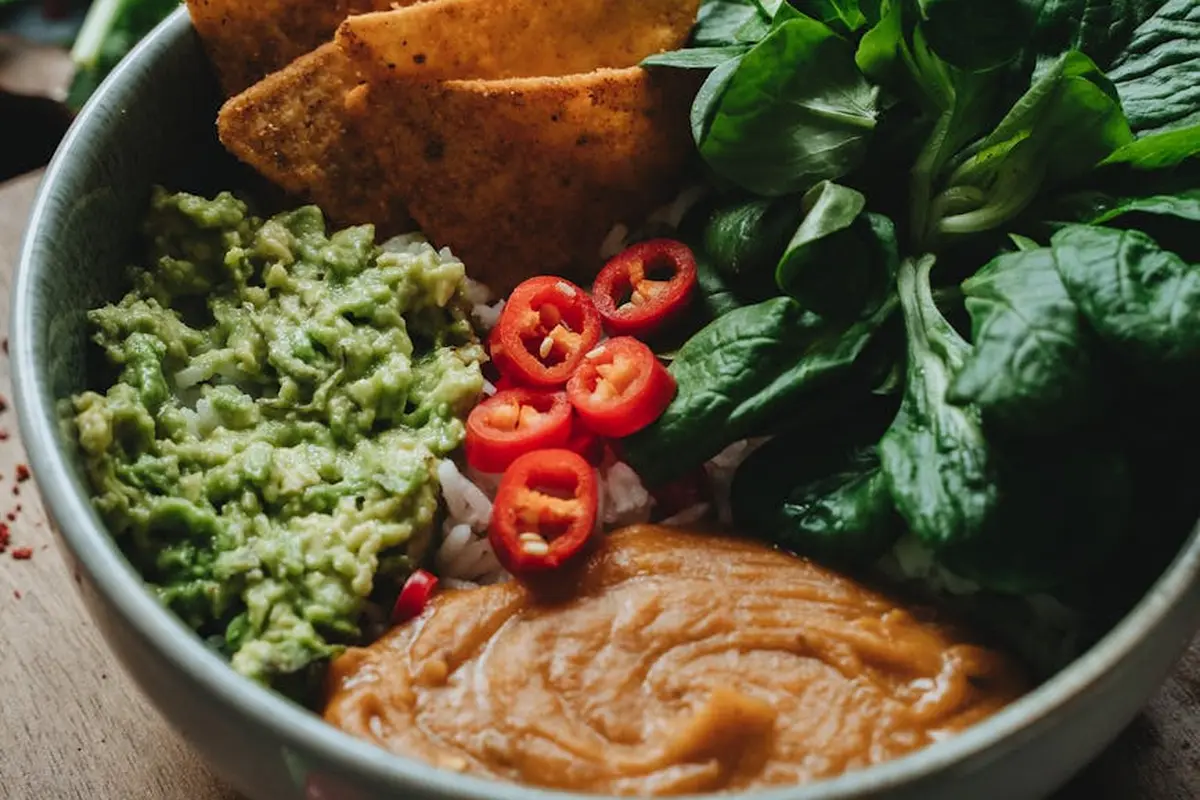
Knowing which greens to stock up on is the first step to a thriving dragon. I keep a list on my fridge because, honestly, I can’t remember it all. This simple list takes the guesswork out of mealtime and ensures your pet gets a safe, varied diet.
Greens to Feed Regularly (Staples)
These are the workhorses of your dragon’s salad bowl. I build most of my dragons’ daily meals around these reliable options. They have a great calcium-to-phosphorus ratio and are low in troublesome compounds like goitrogens.
- Collard Greens
- Mustard Greens
- Dandelion Greens (just make sure they’re pesticide-free!)
- Escarole
- Endive
- Turnip Greens
My guys go absolutely wild for a mix of collard and mustard greens. Rotating through these staples ensures your dragon gets a spectrum of nutrients without overdoing any single one. For the best bearded dragon staples and treats, keep greens as the base and offer occasional, appropriately sized treats in moderation—think squash or bell pepper, plus gut-friendly insects. This balanced approach supports healthy growth and overall well-being.
Greens to Offer Occasionally
Variety is the spice of life, even for a bearded dragon. These greens are perfectly safe but should be fed in moderation. Some have higher levels of oxalates, which can bind to calcium, or goitrogens, which can affect thyroid function if fed too often. For a quick reference on lettuce and other safe greens, see our bearded dragons eat lettuce guide. It explains which lettuces and greens are safe and how to feed them without risk.
- Kale (a “sometimes” food, not the daily super-green many think)
- Bok Choy
- Swiss Chard
- Parsley
- Cilantro
I like to think of these as the “weekend treats” of the greens world. Mixing in a small handful of kale or parsley once a week adds exciting new flavors and textures to their diet.
Greens to Avoid Entirely
This list is non-negotiable for your dragon’s safety. I’m very strict about this in my own home. These greens contain compounds that are outright toxic or can cause serious nutritional deficiencies and health problems over time, especially when compared to safe foods known for being non-toxic.
- Spinach (very high in oxalates that block calcium absorption)
- Iceberg Lettuce (it’s mostly water and has virtually no nutritional value)
- All types of Lettuce (Romaine, Butter, etc.) – they are too watery and nutrient-poor
- Beet Greens (extremely high in oxalates)
- Rhubarb (this one is highly toxic)
It might be tempting to give them a piece of that romaine lettuce you’re using for your own salad, but please resist. Sticking to the safe lists is one of the easiest ways to prevent metabolic bone disease and other serious health issues.
Frequently Asked Questions
Are collard and mustard greens easily found in the UK, and what are good alternatives?
In the UK, collard greens may be less common, but staples like dandelion greens, escarole, and endive are widely available and safe options. Always source pesticide-free greens and rotate them for a balanced diet.
What greens are safe and readily available for bearded dragons in Australia?
In Australia, safe staples include bok choy (in moderation) and silverbeet (similar to Swiss chard), along with locally grown options like collard or mustard greens when possible. Ensure variety and proper washing to support a healthy diet.
Where can I find a reliable chart for bearded dragon greens?
Reputable bearded dragon care websites or veterinary resources often offer detailed greens charts; always verify with trusted sources to ensure accuracy and avoid outdated information. If your bearded dragon won’t eat greens, consider common factors like lighting, temperature, and stress, and try offering a variety of greens to fix it.
Final Thoughts on Greens
So, can your bearded dragon eat collard and mustard greens? Absolutely, and I rely on both as staples in my own dragons’ weekly diet rotation. They are packed with vital nutrients and offer a fantastic, hydrating crunch that my pets genuinely seem to enjoy, especially when fed as part of a varied assortment of vegetables recommended for bearded dragons.
The real secret to a thriving dragon isn’t just one “super green,” but a varied menu that keeps their diet interesting and nutritionally balanced. Bearded dragons can eat carrots raw as an occasional treat, and greens are best fed regularly with a careful eye on feeding frequency. Always wash greens thoroughly, serve them fresh, and watch your scaly friend at mealtime—their health and happiness are the ultimate reward for your care.
Further Reading & Sources
- Best Greens for Bearded Dragons: Daily and Weekly Staples – Dragon’s Diet
- r/BeardedDragons on Reddit: What do you feed your beardie daily? (Greens)
- 10 Bearded Dragon Veg Options to Keep Your Pet Healthy and Happy
Bearded Dragon Lair is the ultimate resource for bearded dragon enthusiasts, offering expert advice and practical tips to ensure the health and happiness of your scaly companion. With years of experience in reptile care, we are dedicated to providing accurate, up-to-date information to support your bearded dragon journey.
Insects vs. Vegetables