
What Is Brumation in Bearded Dragons? Is It Normal?
Published on: February 15, 2026 | Last Updated: February 15, 2026
Written By: Beardie Joe
If your bearded dragon has suddenly become a sleepy, uninterested lump who ignores their favorite bugs, you’re probably wondering if something is seriously wrong.
As an owner of multiple beardies for years, I’ve guided several of my own reptiles through this natural cycle and I’m here to help you understand what’s happening.
In this article, we’ll cover what brumation is, how to tell if your dragon is brumating or sick, and my proven steps for keeping them safe and healthy through the entire process.
What Exactly Is Brumation in Bearded Dragons?
Brumation is a natural, seasonal slow-down in your bearded dragon’s activity levels. Think of it as their version of powering down for the winter. This is a deeply ingrained biological process, not a behavior you need to stop. I’ve seen it in my own dragons year after year; it’s their internal clock responding to the shorter, cooler days. Not all bearded dragons brumate, so it’s important to understand what to expect.
Many people call it reptile hibernation, but there are key differences from what mammals do.
- Brumation is a state of lethargy and reduced metabolism, but it’s not a continuous, deep sleep.
- Your dragon will likely wake up occasionally for a sip of water or even a small, slow stroll around their tank before settling back down.
- Mammalian hibernation involves a much deeper, more sustained torpor with a significant drop in body temperature.
The whole purpose of this shutdown is survival. In the wild, food becomes scarce and temperatures drop during winter months, so brumation allows them to conserve energy when resources are low. Even in our climate-controlled homes, that ancient instinct remains strong.
Recognizing the Signs: Is It Brumation or Something Else?
Knowing what to look for is the first step in providing the right care. The signs can be subtle at first, but they become more pronounced over a week or two.
Key Behavioral Changes
- Lethargy and Increased Sleep: Your normally active dragon will start sleeping more and moving less. Basking time often decreases significantly.
- Decreased or Complete Loss of Appetite: This is one of the most common first signs. They may refuse their favorite bugs and greens entirely.
- Hiding More Frequently: They will seek out dark, cozy spots in their enclosure, often burying themselves or staying in their hide for days.
Common Physical Signs
- Less Frequent Bowel Movements: Since they aren’t eating, they will poop very infrequently. This is completely normal.
- Weight Stability: A healthy dragon entering brumation should not be losing a drastic amount of weight. They live off their stored fat reserves.
- Interested but Not Hungry: My dragon, Basil, will often wake up, look around, and maybe have a drink, but he shows zero interest in food before going back to sleep.
Brumation vs. Illness: A Quick Checklist
This is the most critical part. How do you know it’s not sickness? Use this simple checklist.
- If it’s Brumation: Your dragon is lethargic but alert when briefly awake. Their weight remains relatively stable. They have clear, bright eyes and good muscle tone. The behavior coincides with seasonal changes (typically fall/winter).
- If it Might Be Illness: Your dragon is lethargic and weak or unresponsive even when disturbed. You notice significant, rapid weight loss. There are signs of respiratory infection (mucus, wheezing) or sunken eyes. Their poop is runny or has a very abnormal color. When in doubt, a vet visit is always the safest choice for your pet’s welfare.
The Brumation Timeline: When and How Long Does It Last?
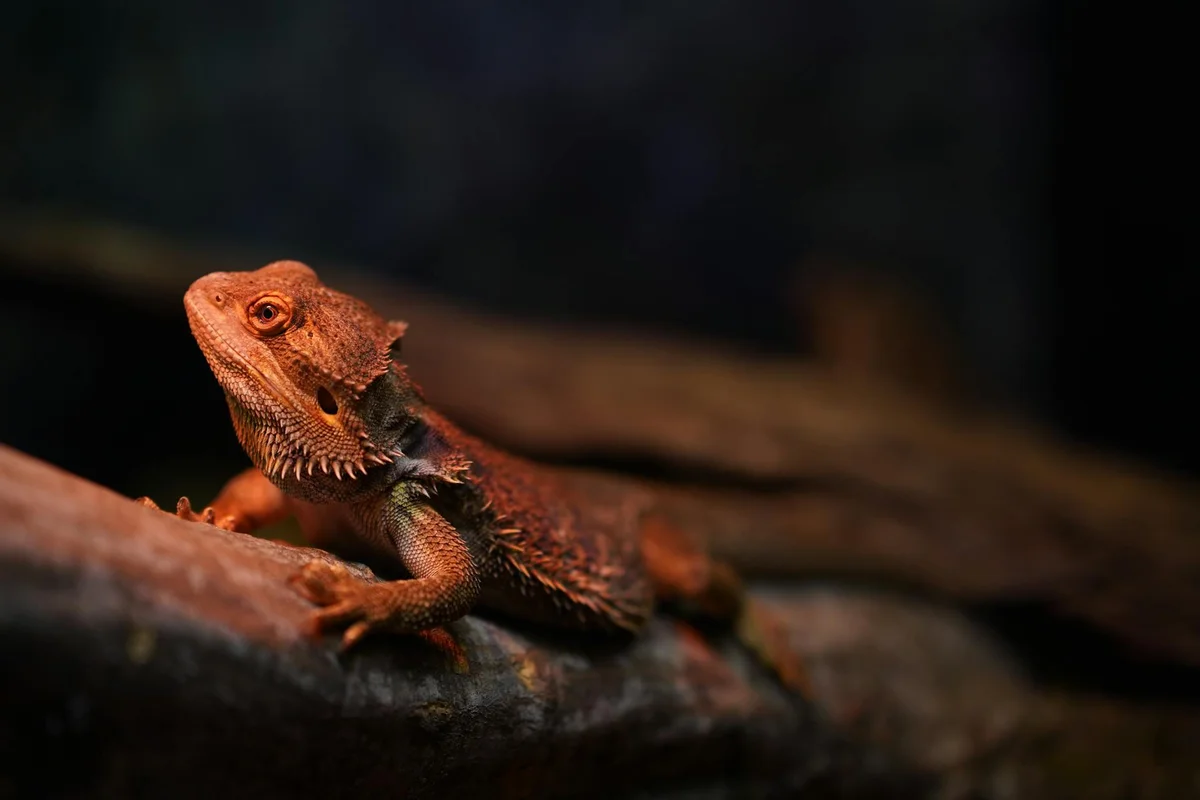
In my years of caring for these wonderful reptiles, I’ve found that brumation is rarely a neat and tidy schedule. Most bearded dragons begin showing signs as the days get shorter and cooler in the fall, often between late April and August here in Australia, which corresponds to our autumn and winter. Your dragon’s internal clock is tuned to the natural world, even if they live indoors with consistent temperatures. It’s important to keep in mind the seasonal timing and its variations.
- Typical brumation months are during the fall and winter. While this seasonal shift is the most common trigger, don’t be alarmed if your dragon seems out of sync. I’ve had dragons start their long nap in what feels like the middle of summer, likely influenced by subtle changes in barometric pressure or light coming through a window.
- Duration can range from a few weeks to several months. One of my adults, Puff, typically sleeps for a solid six to eight weeks. Another, Smaug, will only take a three-week break. The length is highly individual and can vary from one year to the next for the same dragon. It’s a marathon, not a sprint, and they set their own pace.
- Brumation is more common in adults over a year old. Juvenile bearded dragons, those under 12-18 months old, are far less likely to go into a full brumation. Their little bodies are too busy growing and developing. If you see what looks like brumation in a very young dragon, it’s more likely a sign of illness and warrants a vet visit. Once they hit adulthood, it becomes a standard part of their yearly cycle.
Your Step-by-Step Care Guide During Brumation
Caring for a brumating bearded dragon feels different from their active months, but it’s a natural process you can support with a few simple changes. I’ve found that observing their behavior and making gradual adjustments keeps them healthy and reduces my worry. When your bearded dragon brumates, the should-do steps include keeping temperatures steady, limiting handling, and providing a calm, dark resting space. If brumation lasts longer than a few weeks or you notice concerning changes, consult a reptile vet.
Adjusting the Enclosure Environment
When my dragons show signs of brumation, I start by tweaking their tank to feel more like a cool, dry Australian winter. Small changes in temperature and light help their bodies transition smoothly into this dormant phase. Night temperatures should stay cool too. Keep the tank around 65–75°F (18–24°C) at night to support brumation without becoming too cold.
- Guide on slightly lowering basking and ambient temperatures: I lower the basking area temperature by about 5-10°F and reduce the ambient temperature on the cool side slightly. Doing this over a couple of days prevents shock and lets them adjust naturally.
- Advise on maintaining a proper day/night lighting cycle: Keep UVB and heat lamps on a consistent schedule, like 10-12 hours of light daily. I use a timer to ensure regular darkness, which supports their internal clock without disruption.
Managing Food, Water, and Hydration
It’s tempting to offer food, but a brumating dragon’s digestive system slows way down. I skip meals entirely to avoid gut impaction, which I’ve seen cause serious health issues in other reptiles.
- Explain why offering food is unnecessary but water should remain available: Don’t offer insects or veggies, as undigested food can rot inside them. Instead, I always keep a shallow water dish in the enclosure and refresh it daily to encourage drinking if they wake briefly.
- Suggest methods for offering hydration, like gentle baths: Once a week, I offer a lukewarm bath for 10-15 minutes to help with hydration. This mimics light rainfall and can prompt them to drink without forcing interaction.
Maintaining Habitat and Cleanliness
A clean tank is non-negotiable during brumation because a sleeping dragon is more prone to infections. Regular cleaning prevents bacteria from thriving in a less-active environment.
- Stress the importance of a clean enclosure to prevent infection: I spot-clean waste immediately and change substrates if soiled. A full tank clean every few weeks reduces mold and parasite risks that could harm your pet.
- Recommend minimizing handling and disturbances: Limit tank intrusions to quick checks for health. From my experience, too much noise or handling can stress them out and disrupt their rest cycle unnecessarily.
Is Brumation Normal or a Sign of Bad Health?
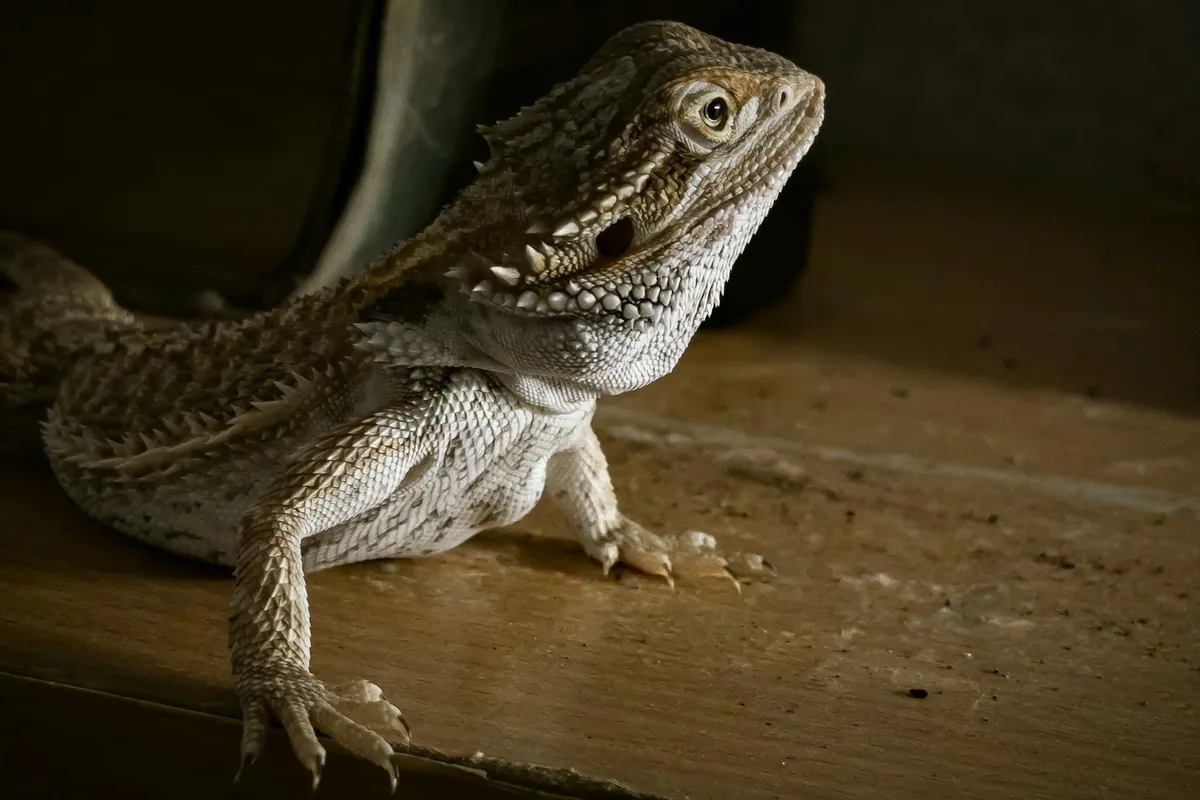
Seeing your lively dragon become a sleepy lump can be unsettling. I remember the first time my beardie, Puff, decided to brumate; I was convinced something was terribly wrong. If you’re worried your dragon is sleeping too much, you’re not alone. While brumation explains extended rest, other factors like stress, lighting, temperature, or dehydration can also make them sleepy. Rest assured, for a healthy, adult bearded dragon, brumation is a completely normal and instinctive process. In the wild, this period of dormancy helps them conserve energy during cooler months when food and water are scarce. It’s a hardwired behavior, not an illness.
That said, the key distinction lies in the overall health of your pet. Brumation itself is not a sign of bad health, but a sick dragon can sometimes display symptoms that mimic brumation. This is the tricky part that requires a watchful eye. A dragon with a parasitic infection or other underlying illness may become lethargic and stop eating, but this is their body shutting down from sickness, not a natural, healthy cycle.
So, how can you tell the difference? You need to play detective a bit. Here are the specific red flags that suggest it’s time for a vet visit, not just a long nap.
- Your dragon is under one year old. Juveniles need consistent energy for growth and should not brumate.
- You notice significant, rapid weight loss. A slight drop is normal, but you shouldn’t see their hip bones or spine protruding.
- They are lethargic during the warmest part of the day when their lights are on and the tank is at the correct temperature.
- There are signs of respiratory illness, like wheezing, mucus around the nose or mouth, or audible breathing.
- Their eyes appear sunken, or their skin lacks elasticity, which are classic signs of dehydration.
- You see any discoloration in their poop, like red (blood) or unusual yellow/green, or a foul smell.
Trust your gut-if your dragon’s behavior seems “off” even for brumation, a quick vet check provides priceless peace of mind. I always get a fecal exam done before Puff’s suspected brumation period begins. It rules out parasites and lets me relax, knowing he’s just following his natural instincts.
Post-Brumation: What to Expect as Your Dragon Wakes Up
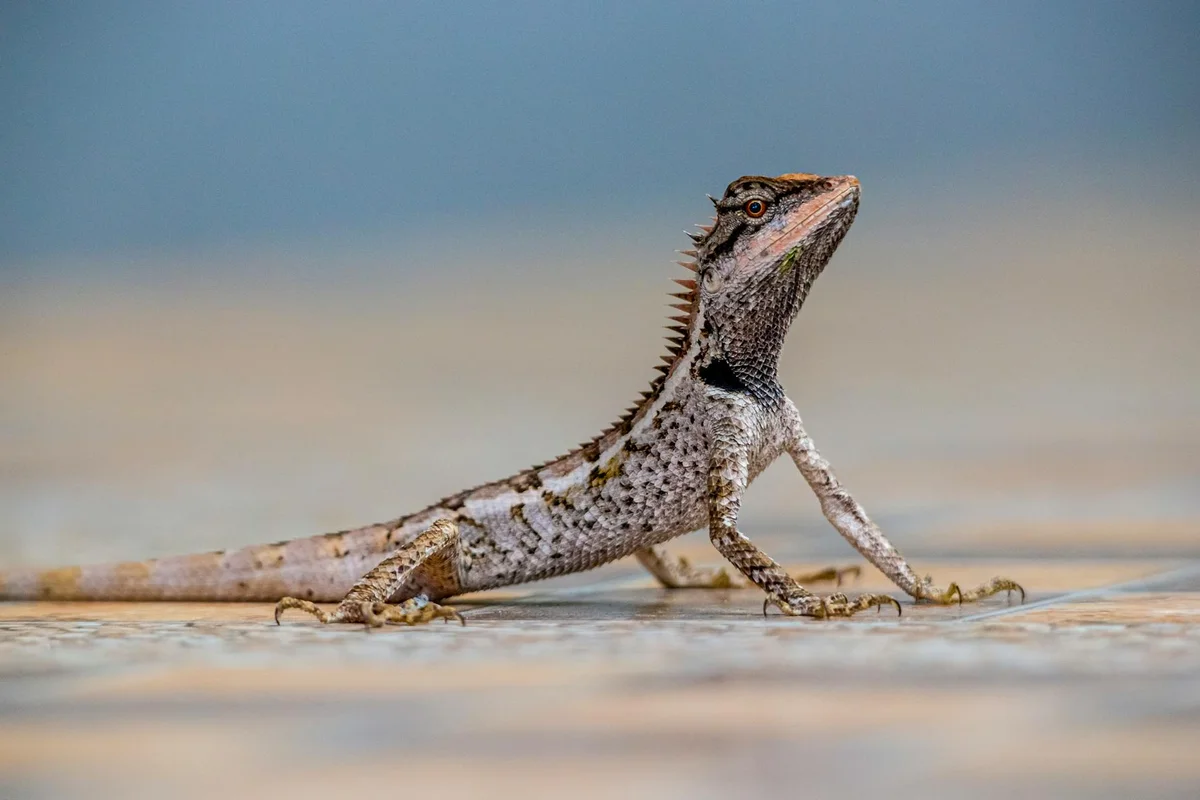
Watching your bearded dragon wake up from brumation is a slow, fascinating process. It’s not like flipping a switch; think of it more as a dimmer knob being gradually turned up over days or even a couple of weeks. From my own dragons, I’ve learned patience is your best tool here; you should never rush or force the process.
The Gradual Recovery Process
Your dragon won’t just pop up one day, ready for a full meal and a marathon. Their systems need time to reboot.
- Increased Basking: This is often the very first sign. You’ll notice them spending more time under their heat lamp, soaking up the warmth to kickstart their metabolism.
- Spurts of Activity: They might take a few wobbly steps, change basking spots, or just look more alert. Don’t expect them to be immediately climbing the walls-short, slow explorations are normal.
- The Return of Appetite: Hunger is usually the last thing to come back fully. They might show interest in food but not eat much at first. This is perfectly okay.
Reintroducing Food and Normal Temperatures
Rushing this part can cause serious digestive upset. Follow these steps to get your dragon back to their routine safely.
- Ensure Proper Heating: Before you even offer food, make absolutely certain their basking spot is at the correct high temperature (around 95-110°F for adults). Their bodies cannot digest food without this external heat source.
- Offer Hydration First: Gently mist them with water or offer a shallow lukewarm bath. They can drink through their skin (cloaca) and will often lap up water, which is safer than food right away.
- Start with Simple, Easy-to-Digest Foods: Their first meal should be something gentle. I always start with a few bites of soft, fresh greens like dandelion greens or cilantro. Avoid hard vegetables or a large salad.
- Reintroduce Insects Slowly: After a day or two of successful greens, offer a few small, easy-to-digest feeder insects like dubia roaches or BSFL. Do not offer large or fatty worms like superworms right away.
- Gradually Increase Quantity: Over the next week, slowly increase the amount and variety of food as their appetite returns to normal.
Common Post-Brumation Behaviors
Beyond just eating and moving, there’s one behavior I see almost every single time.
- A Significant Shed: It is incredibly common for a bearded dragon to go into a full-body shed shortly after brumation. This is a great sign, indicating a growth spurt and a healthy, revitalized system. Make sure they are well-hydrated and have rough surfaces to rub against.
- Increased Alertness: You might notice them tracking movement outside the tank more or bobbing their head again. They are re-engaging with their world.
- Brightening Colors: As they warm up and their circulation improves, their colors often become more vibrant and intense than they were before their long nap.
Frequently Asked Questions
What temperature should I maintain during my bearded dragon’s brumation?
During brumation, slightly lower the basking temperature by 5-10°F and reduce ambient temperatures gradually to support their natural slowdown, while keeping a consistent day/night lighting cycle to mimic seasonal changes.
Is it normal for my bearded dragon to brumate in September?
Yes, brumation can begin in September as it falls within the typical fall season, but timing varies based on your dragon’s instincts and environmental factors like light and temperature shifts. If you’re wondering whether your bearded dragon is brumating, here are 12 key signs to look for. Being aware of these signs can help you plan and respond appropriately.
At what age do bearded dragons typically start brumating?
Brumation is most common in adult bearded dragons over 12-18 months old, as juveniles are still growing and rarely enter this state, making it a sign of maturity rather than illness.
Final Thoughts
Seeing your dragon go into brumation for the first time can be a little nerve-wracking, but it’s a completely natural and healthy process for many adult beardies. The key takeaway is that brumation itself isn’t bad; it’s a deeply ingrained biological rhythm that we need to respect and support. It’s especially important to understand how to care for your dragon during this period.
Your role is to be a calm, observant guardian. Provide a quiet, slightly cooler space, ensure they are well-hydrated, and always trust your gut. If something feels off, never hesitate to consult a reptile-savvy vet-it’s the most responsible choice you can make for your scaly friend.
Further Reading & Sources
- r/BeardedDragons on Reddit: First time brumating, i’m so scared
- Bearded dragon brumation – how to identify and deal with it
- Bearded Dragons and Brumation | What to Do – Zen Habitats
Bearded Dragon Lair is the ultimate resource for bearded dragon enthusiasts, offering expert advice and practical tips to ensure the health and happiness of your scaly companion. With years of experience in reptile care, we are dedicated to providing accurate, up-to-date information to support your bearded dragon journey.
Heating and Lighting