
Why Is My Bearded Dragon Licking Everything?
Published on: February 21, 2026 | Last Updated: February 21, 2026
Written By: Beardie Joe
If you’ve caught your bearded dragon constantly flicking their tongue at their decor, the air, or even you, you’re witnessing one of their most fundamental behaviors.
As an experienced owner of multiple beardies, I’ve spent years observing this quirky habit and I’m here to translate exactly what those little licks mean.
We’ll explore why they taste their world, decode what it means when they lick you specifically, and identify when this behavior might signal a potential issue.
The Bearded Dragon’s Tongue: A Primary Sense Organ
Many people think a tongue is just for tasting food, but for a bearded dragon, it’s so much more. I like to think of their tongue as their primary information-gathering device. It’s how they “see” the chemical world around them, much like how we might squint to see something better. However, it’s important to note that their communication extends beyond just chemical cues; they also have specific ways to hear and interact with their environment, as explained in this article.
When your beardie flicks that little tongue out, they are actively collecting microscopic scent particles from the air, objects, and even you. This information is delivered to a special sensory organ in the roof of their mouth called the Jacobson’s organ, which analyzes the data. It tells them if something is food, a threat, a potential mate, or just a curious new item in their territory.
Common Reasons for Environmental Licking
Seeing your dragon lick every branch, rock, and wall of their enclosure is completely normal behavior. It’s their version of reading the morning news. They are constantly updating their mental map of their surroundings. Sometimes they climb toward the glass and even bump into it, chasing reflections or shadows that look like a doorway. It’s all part of their exploration, even when they’re sleepy and the glass seems to draw them in.
Exploring a New Object or Area
Any change in their tank, no matter how small, requires a full-scale investigation. I see this every single time I clean and rearrange my own dragons’ enclosures.
- New Decor: A new hide, plant, or piece of wood is an immediate target for tongue flicks. They need to confirm it’s safe and understand what it is.
- After Cleaning: When you clean their home, you remove all their familiar scent markers. They have to re-establish their scent profile on everything.
- Your Hand: Before you handle them, they will often lick your fingers. They are checking your scent to confirm it’s you, the safe giant who brings food.
Tasting for Food and Checking Hydration
Their survival instincts are always running in the background. Licking is a direct line to finding resources.
- Food Residue: They might be licking a surface where a juicy insect recently wandered or where a bit of squash juice landed.
- Water Droplets: Bearded dragons will often lick the side of their enclosure or decor after misting. They are drinking the tiny water beads, which is a perfectly natural way for them to hydrate.
- Nutrient Seeking: In the wild, licking different surfaces can provide essential minerals. This is why providing a proper, balanced diet in captivity is so critical.
What It Means When Your Bearded Dragon Licks You
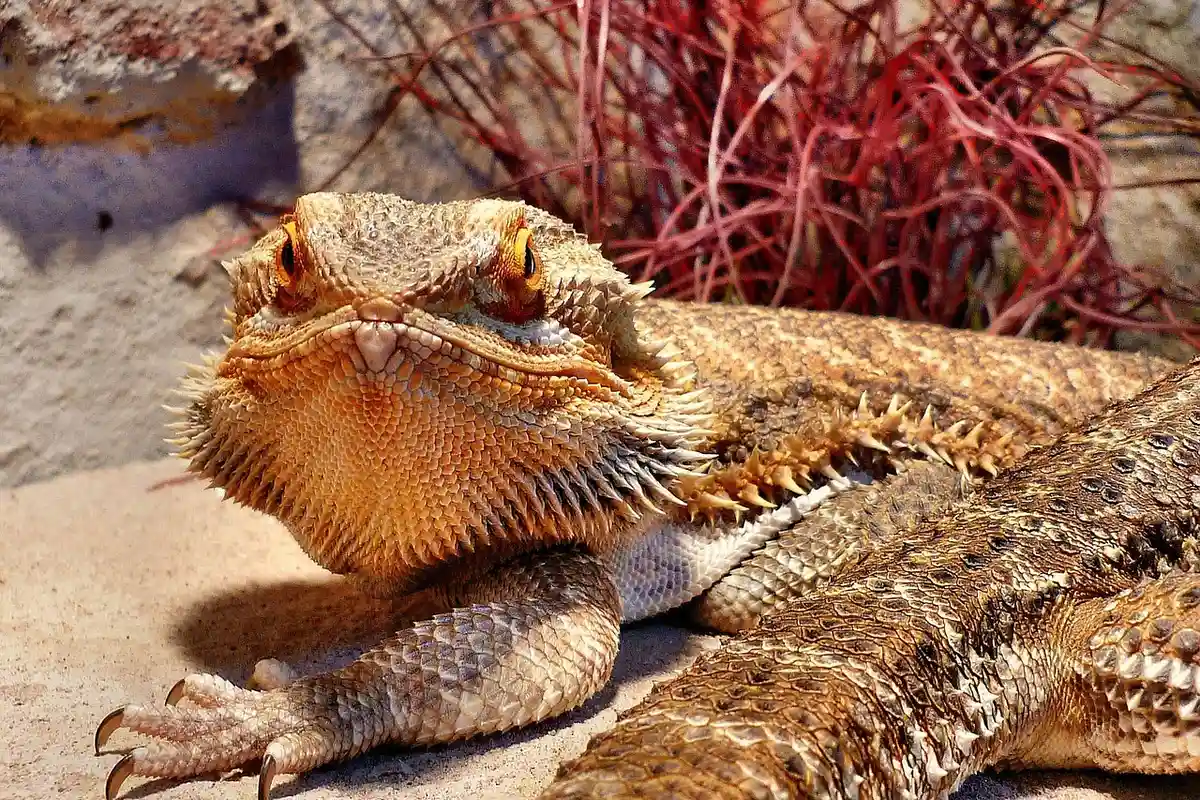
Gathering Information About You
When that little forked tongue flicks out and touches your skin, it’s one of the most intimate moments you can have with your pet. I always feel a little spark of connection when one of my dragons does this. This is your bearded dragon’s primary way of “reading” you and its environment. Sometimes a steady stare is just curiosity, but it can also signal that they’re evaluating you or their surroundings. Interpreting these stares alongside tongue flicks and other behaviors helps you understand what your dragon is trying to tell you.
They possess a superpower we don’t: a vomeronasal, or Jacobson’s, organ on the roof of their mouth. When they lick you, scent particles are transferred to this organ. It tells them a whole story.
- Who are you? They are confirming your unique scent, recognizing you as their person and not a stranger.
- What’s your mood? They can detect pheromones that might indicate if you’re stressed, calm, or happy.
- Where have you been? They can smell the other pets in the house, your lunch, or the new hand soap you used.
Think of it less like a kiss and more like them checking their social media feed-you are the main topic. I see this as a sign of a curious and engaged dragon who is actively building a relationship with you.
Interpreting Specific Licking Actions
Lip-Licking and Glass-Licking
These two behaviors look similar but often have different root causes. Let’s break them down.
Lip-Licking (Usually After Eating)
- This is perfectly normal and a good sign! It’s their version of wiping their mouth after a meal.
- They are simply cleaning food particles from their lips and nostrils. My oldest dragon, Spike, does this every time after he eats his greens, looking very proper.
- It helps them “taste” the air again to see if any more food is coming their way.
Constant Lip-Smacking Without Food
- This can signal a potential issue. It might mean they have a piece of substrate stuck in their mouth.
- It could also be a sign of a developing respiratory infection, especially if paired with wheezing or mucus.
Glass-Licking (Also Called Glass-Surfing)
- This is rarely about taste and almost always about stress or a desire to escape. If you see this frequently, it’s a cry for help you need to listen to.
- Common reasons include a tank that is too small, seeing their reflection (which they perceive as another dragon), or incorrect temperatures.
- I had to cover three sides of a tank for one of my rescues to stop this behavior and finally feel secure.
The Mystery of Air Licking
Watching your dragon lick nothing at all can be baffling. But they aren’t licking nothing; they’re sampling the air itself.
Your dragon is acting like a living, scaly weather station. They are detecting subtle changes in humidity, temperature, and airborne scents. I notice my dragons do this most often when I first enter the room, as they detect my scent and the change in air current.
It can also mean they are on high alert. A new smell, like a grocery bag or another animal, has put them in information-gathering mode. This constant environmental monitoring is a hardwired survival instinct. They are just checking their surroundings to ensure everything is safe and as it should be.
When Licking Becomes a Sign for Concern
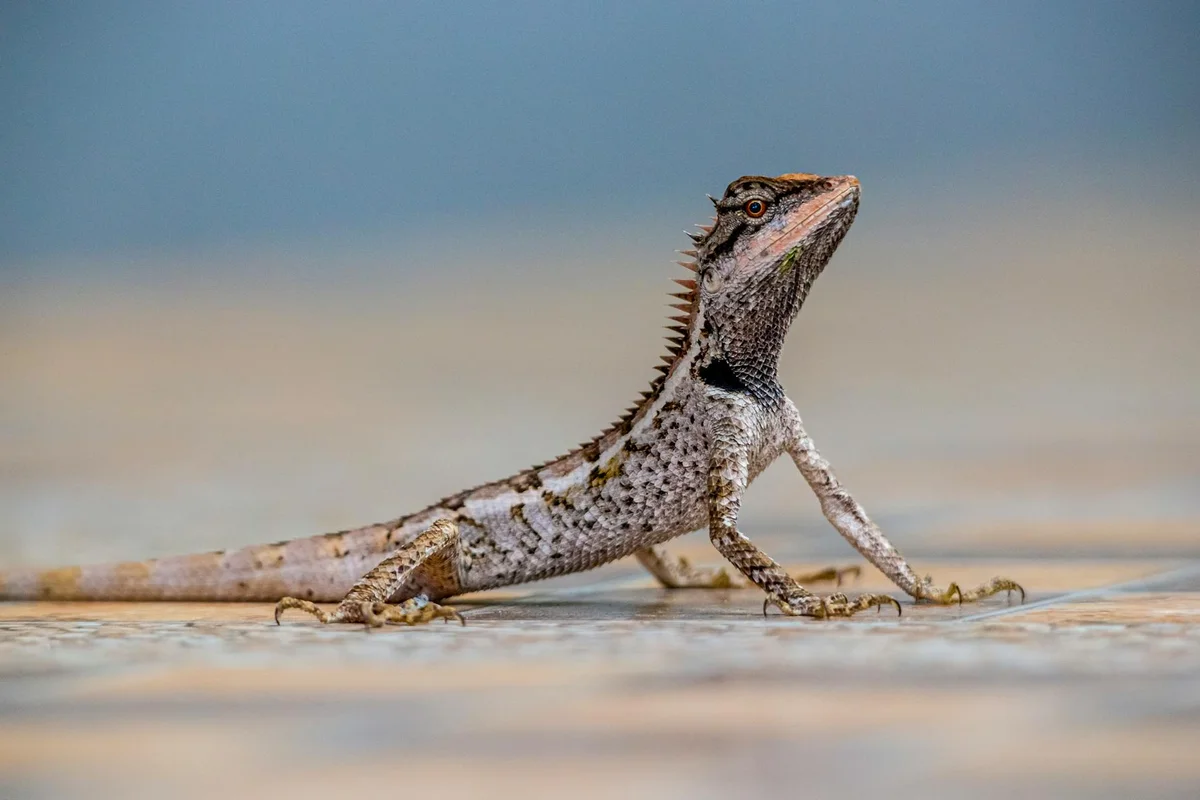
Signs of Stress or Nutritional Deficiency
While licking is usually a healthy sign, it can sometimes be your dragon’s way of telling you something is wrong. I’ve learned to watch for patterns that seem off from their normal, curious behavior.
When licking is paired with other stress signals, it’s time to pay close attention. Look for these signs:
- Constant, frantic licking of the glass walls of the terrarium (glass surfing)
- Darkened beard, especially if it’s almost black
- Hissing or puffing up their body when approached
- Digging obsessively and trying to hide
- Significant loss of appetite or refusing food altogether
If you see this cluster of behaviors, your dragon is likely feeling stressed. Common stressors include a tank that’s too small, incorrect temperatures, or even seeing their own reflection in the glass. I once had a dragon who started glass surfing non-stop; it turned out a new piece of furniture was reflecting his territory back at him. If you’re wondering why bearded dragon glass surfing occurs, it’s usually due to environmental stressors. By correcting tank size, temperatures, and reducing reflections, you can often stop the glass surfing.
Nutritional deficiencies can also trigger excessive licking. Your dragon might be instinctively trying to find missing nutrients in their environment. Wax worms can be offered as an occasional treat, but they’re high in fat and low in calcium, so feed them sparingly. If you do include wax worms, balance with a varied diet of gut-loaded insects and proper calcium/vitamin supplementation to reduce nutrition risks of wax worms.
- A dragon licking the substrate might be seeking minerals.
- Licking objects could signal a lack of trace elements.
This is a serious red flag. If your dragon is persistently trying to eat dirt or sand, you must consult a reptile veterinarian to rule out a condition called pica. A simple blood test can check for deficiencies in calcium or Vitamin A, which are common culprits. If your bearded dragon won’t eat, don’t wait—consult a reptile veterinarian promptly. They can help determine if pica or another health issue is causing appetite loss and guide treatment and dietary steps.
Supporting Your Dragon’s Natural Behaviors Safely
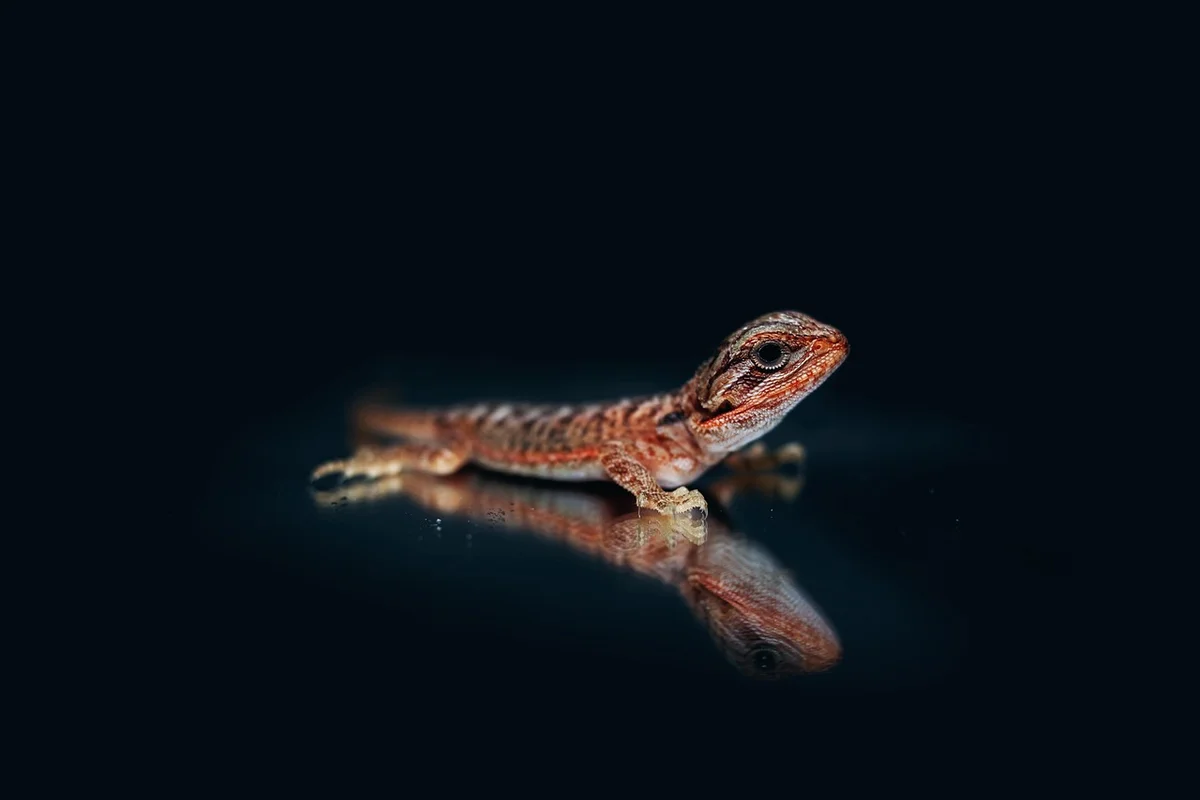
Licking is a fundamental part of how a bearded dragon experiences the world. Instead of trying to stop it, our job is to make sure they can do it safely. While it’s important to let them explore through licking and cuddling, always ensure they’re in a safe environment.
The first line of defense is a safe enclosure. This eliminates most risks before they even start.
- Use a solid, digestible substrate like slate tile, paper towel, or a non-adhesive shelf liner.
- Avoid loose substrates like calcium sand, which can cause fatal impaction if ingested.
- Regularly check all tank decorations for sharp edges or small, breakable parts.
- Keep the habitat meticulously clean to prevent them from licking up harmful bacteria.
Providing a varied and nutrient-rich diet is the best way to satisfy their exploratory licking instincts. When their body gets what it needs from their food, they’re less likely to seek it out elsewhere.
I love giving my dragons safe, supervised exploration time outside their tank. This lets them “taste” the world in a controlled way.
- Create a designated, dragon-proofed play area on a carpet or blanket.
- Introduce new, clean items for them to investigate, like a smooth rock or a large piece of wood.
- Always watch them closely during this out-of-tank time.
- Wash your hands before handling, and avoid using strong lotions or perfumes they might try to lick off.
This supervised exploration is fantastic mental stimulation and helps build a stronger bond between you and your pet. It redirects their natural curiosity into a positive and safe activity, strengthening the trust they have in you as their caregiver.
Frequently Asked Questions
Why does my bearded dragon lick me?
Your bearded dragon licks you to gather scent information using their Jacobson’s organ, which helps them recognize you, assess your mood, and understand their environment without relying solely on sight. Bearded dragons themselves don’t produce strong odors, but a dirty enclosure can smell. Regular cleaning, substrate changes, and good ventilation help manage odor.
What does it mean when my bearded dragon licks the air?
Air licking is a natural way for your dragon to sample airborne particles, allowing them to detect changes in humidity, temperature, or potential scents that could indicate food, threats, or other environmental shifts.
Is it safe if my bearded dragon licks sand or substrate?
Licking sand or loose substrate is unsafe and can lead to impaction; this behavior may indicate a nutritional deficiency or curiosity, so it’s crucial to provide a solid substrate and consult a vet if it persists.
Wrapping Up
So, the next time you see that little forked tongue flicking out, you’ll know your scaly friend is just busy reading their world. Licking is a perfectly normal and healthy part of how your bearded dragon gathers information and feels secure in their environment. It’s their primary way of understanding what’s safe, what’s new, and who’s nearby. Bearded dragons are usually gentle, but bites can happen if they’re startled or feel threatened. Understanding their signals and practicing safe handling helps reduce bite risk and keeps everyone safe.
When that investigative lick lands on you, take it as a compliment. Your dragon is simply confirming your familiar, safe scent and strengthening your unique bond. In my own experience, it’s one of the most genuine and curious ways they show they recognize you as part of their home. If you’re trying to gauge whether your bearded dragon truly trusts you, there are 12 key signs to look for. Recognizing these cues can help you know when your dragon feels safe and connected.
Further Reading & Sources
- r/BeardedDragons on Reddit: My baby beardie started licking me today?
- Why Does a Bearded Dragon Lick You? 4 Reasons & What Does It Mean | Hepper Pet Resources
- What Does It Mean When a Bearded Dragon Licks You? – Richard Rowlands
Bearded Dragon Lair is the ultimate resource for bearded dragon enthusiasts, offering expert advice and practical tips to ensure the health and happiness of your scaly companion. With years of experience in reptile care, we are dedicated to providing accurate, up-to-date information to support your bearded dragon journey.
Signs of Illness