
Can Bearded Dragons Hear You? Understanding Their Hearing and Communication
Published on: April 30, 2026 | Last Updated: April 30, 2026
Written By: Beardie Joe
Have you ever talked to your bearded dragon and noticed a slight turn of their head or a curious stare? That reaction is a clue to their hearing abilities.
I’ve cared for multiple bearded dragons over the years, and I’ll use my hands-on experience to explain how they perceive sound and what that means for your daily interactions.
We’ll look at how their ears work, the range of sounds they detect, and simple ways you can communicate more effectively with your pet.
How Bearded Dragon Hearing Works
If you look closely at the side of your bearded dragon’s head, you’ll see a distinctive circular patch. That’s not just a scale pattern; it’s their ear opening, covered by a thin, flexible layer called the tympanic membrane. This visible eardrum is the gateway to their entire auditory system. From my own experience, I’ve noticed my dragons will often turn their heads to position this membrane directly towards a new sound, like the crinkle of a salad bag. Bearded dragons also have a specialized dental setup: sharp teeth aligned along the jaws to grip and tear prey. This dental anatomy works with their bite to process food after sensing the environment with their ears.
Unlike our complex inner ear with its coiled cochlea, a bearded dragon’s sound processing is more straightforward. Sound waves hit the tympanic membrane, causing it to vibrate. These vibrations are transferred through a single bone-the columella-to the inner ear, where fluid and hair cells translate the motion into nerve signals for the brain. This simpler system is less about interpreting complex melodies and more about detecting crucial vibrations in their environment, such as the subtle signals when your bearded dragon is waving to you.
Key Auditory Structures and Their Functions
- Tympanic Membrane: The visible eardrum; it captures sound waves from the air and begins the vibration process.
- Columella: The single bone that acts like a tiny lever, transferring vibrations from the eardrum to the inner ear.
- Inner Ear: Contains fluid and sensitive hair cells that convert physical vibrations into electrical signals the brain can understand.
The Sound Range Bearded Dragons Can Perceive
Bearded dragons hear best in a range that suits their survival needs. Their hearing is most acute between approximately 500 Hz and 4,000 Hz. This means they are tuned into lower-frequency sounds, like the deep rumble of a large predator’s footsteps or the rustle of insects in dry leaves. Bearded dragons can make noises, but much of their communication is nonverbal. When they do vocalize, a hiss usually signals threat, while a soft purr can indicate content. I’ve tested this with my own pets; a low, gentle voice gets more of a reaction than a high-pitched whistle.
To put this into perspective, here’s a comparison of how humans and bearded dragons likely perceive common sounds. When your bearded dragon hisses or makes other noises, it can signal stress, defense, or a need for space—knowing what these sounds mean helps you respond appropriately.
| Sound Example | Approximate Frequency | Human Perception | Bearded Dragon Perception |
|---|---|---|---|
| Deep Male Voice | 85-180 Hz | Clear | Likely Detectable |
| Crinkling Plastic Bag | 1,000-4,000 Hz | Clear | Very Clear (Prime Range) |
| Bird Chirping | 4,000-8,000 Hz | Clear | Faint to Undetectable |
| High-Pitched Whistle | 8,000+ Hz | Clear | Undetectable |
Beyond airborne sounds, their connection to the ground is a key part of their hearing. They are exceptionally good at detecting substrate vibrations through their jawbones and body, an ability that helps them sense the approach of other animals long before they are seen. Research shows that while they can localize where a sound is coming from, they combine this auditory information with the physical vibrations they feel to get a complete picture of their surroundings. This is why a heavy footfall near the terrarium often gets a bigger reaction than a loud noise from above.
Understanding Bearded Dragon Communication Methods

Since they don’t communicate with complex vocalizations, bearded dragons have developed a rich and fascinating visual language. Learning to read this silent dialogue is one of the most rewarding parts of being a beardie owner. I’ve spent countless hours just watching my dragons, and their interactions tell a clear story. Smart as they are, bearded dragons reveal impressive cognitive abilities—from problem solving to memory. Unpacking their intelligence shows how they learn, adapt, and navigate their environment.
Common Visual Signals
- Head Bobbing: This is a classic beardie behavior. A rapid, up-and-down movement of the head is typically a sign of dominance, often seen in males. My male, Puff, will do this from across the room to assert his presence. Slower, more deliberate bobs can sometimes be a simple greeting.
- Arm Waving: This is the opposite of head bobbing and is usually a submissive or appeasing gesture. You’ll often see a single arm lifted and rotated in a slow, circular wave. It’s like they’re saying, “I come in peace!” Younger dragons frequently wave at larger, older dragons.
- Beard Flaring: When a bearded dragon puffs out the spiky skin under its chin, turning it jet black, it’s a clear signal. This can indicate stress, fear, or an attempt to look intimidating and ward off a perceived threat.
The Role of Body Language and Color
Their entire body is a communication tool. A dragon sitting tall with a bright, warm body color is generally content and basking. A beadie that has flattened its body against a surface is trying to appear larger, usually due to fear or aggression. Pay close attention to color changes on their beard and body, as a sudden darkening often signals stress or discomfort.
Reading Their Mood: A Quick Guide
- Signs of Stress or Fear: Black, puffed-out beard; flattened body posture; gaping mouth (when not thermoregulating); frantic glass surfing; hissing sound.
- Signs of a Happy, Content Dragon: Relaxed, non-flattened posture; bright and warm body coloring; calm, observant eyes; willingly accepting food from your hand.
Effective Ways to Interact Using Sound and Observation
Now that you understand how they “speak,” let’s talk about how you can effectively “talk” back and build a strong bond. Your voice is a powerful tool for building trust and routine with your scaly friend.
-
Use a Calm and Consistent Voice
Always approach your dragon’s enclosure and speak to them using a soft, even-toned voice. I make it a habit to gently say my dragons’ names when I enter the room. Avoid sudden, loud noises or high-pitched shouts, as these can easily startle them. They may not understand the words, but they will learn to associate your calm tone with your presence, which is non-threatening.
-
Pair Sounds with Positive Experiences
This is a game-changer for building positive associations. Right before I feed my dragons, I use a specific, gentle clicking sound with my tongue. Now, when they hear that click, they often become alert and look towards their food dish. You can do the same by saying a simple word like “treat” right before offering a favorite insect or piece of fruit. This connects the sound directly to a good outcome.
-
Always Read Their Body Language
Your interaction should be a two-way street. As you speak to your dragon, watch them closely. Are they relaxing? Turning a lighter, brighter color? These are good signs. Staring can be a sign they’re assessing you or the environment. Interpreting those glances helps you understand their mood and respond appropriately. If you see a black beard, a flattened body, or they try to run away, it’s your cue to back off and give them space. Respecting their communication is the foundation of a trusting relationship. Never force an interaction.
Signs Your Bearded Dragon Might Have Hearing Issues
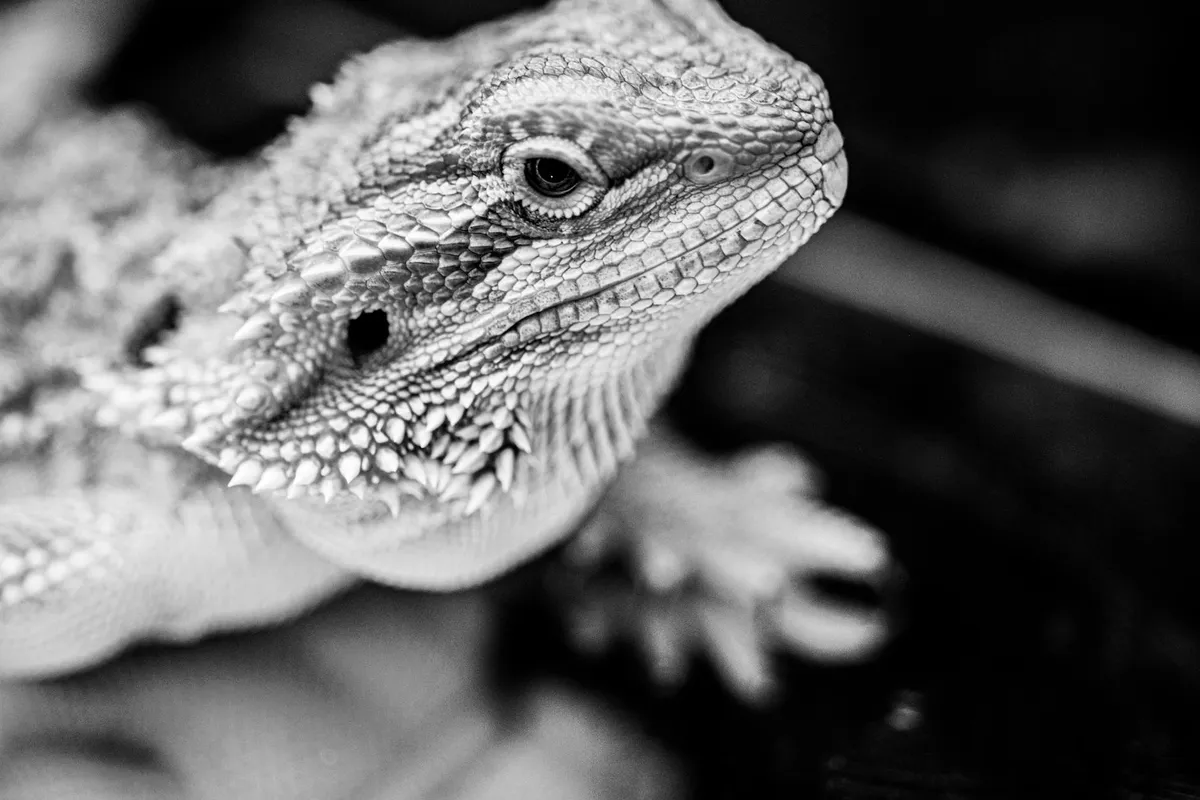
Just like us, our scaly companions can experience changes in their hearing. I’ve had a dragon who, in his older years, became much less responsive to the world of sound around him. Watching for subtle changes in behavior is your first and most powerful tool for early detection.
Here are some observable symptoms that might suggest a hearing problem:
- Not turning their head or looking towards a familiar sound, like the crinkle of their worm bag or the fridge opening.
- Sleeping straight through loud, sudden noises that would normally startle them awake.
- Failing to react when you tap on the glass (a sound they typically notice, even if we don’t encourage glass tapping).
- Not responding to the sound of your voice during your usual chatty interactions.
- Seeming generally more “zoned out” or less engaged with their environment.
Potential causes for these changes can vary. Ear infections, while less common than in mammals, can occur and impact their ability to process vibrations. A simple injury to the side of the head or a bad shed that left debris in the ear canal could also be the culprit. For my older beardie, it was simply a natural, age-related change, much like an elderly pet becoming hard of hearing.
You can incorporate simple daily observation techniques into your routine. I make it a point to softly say my dragon’s name when I approach his tank, before I’m in his line of sight. This daily auditory check-in helps me gauge his responsiveness and spot any decline early. Watch for that characteristic head tilt or eye movement towards a sound. Consistency is key-you’ll learn their normal so you can quickly identify what isn’t.
Using Auditory Cues for Environmental Enrichment
Once you understand their unique hearing range, you can use sound to create a more engaging and calming home for them. Think of sound not as a primary source of entertainment, but as a subtle layer that enhances their overall well-being.
To incorporate safe, low-frequency sounds, focus on vibrations and deep tones. I sometimes play very soft, ambient music with a strong, steady bass line in the room. You can also try:
- Placing a small subwoofer speaker (on very low volume) near, but not on, the tank to transmit gentle vibrations.
- Leaving a TV on a nature documentary; the deep voices and rumbling sounds of storms or oceans can be stimulating.
- Simply talking to them in a low, calm voice throughout the day.
Sound-based enrichment can significantly reduce stress and encourage natural behaviors. A consistent, soft auditory backdrop can mask jarring household noises that might otherwise startle them, like a door slamming or a dog barking. This helps them feel more secure. The gentle hum of a fish tank air pump in the same room, for instance, provides a constant, reassuring vibrational field that mimics a natural, living environment.
It’s just as important to know what sounds to avoid. Steer clear of anything high-pitched or chaotic. Loud, heavy metal music, constant screaming or shouting, and the high-frequency whine of electronics like old tube TVs can be stressful or physically uncomfortable for them. I also avoid playing sounds of bird calls or predator alarms, as these can trigger an instinctive fear response. Keep their soundscape mellow and deep-toned for the best results.
When to Seek Veterinary Care for Hearing Concerns
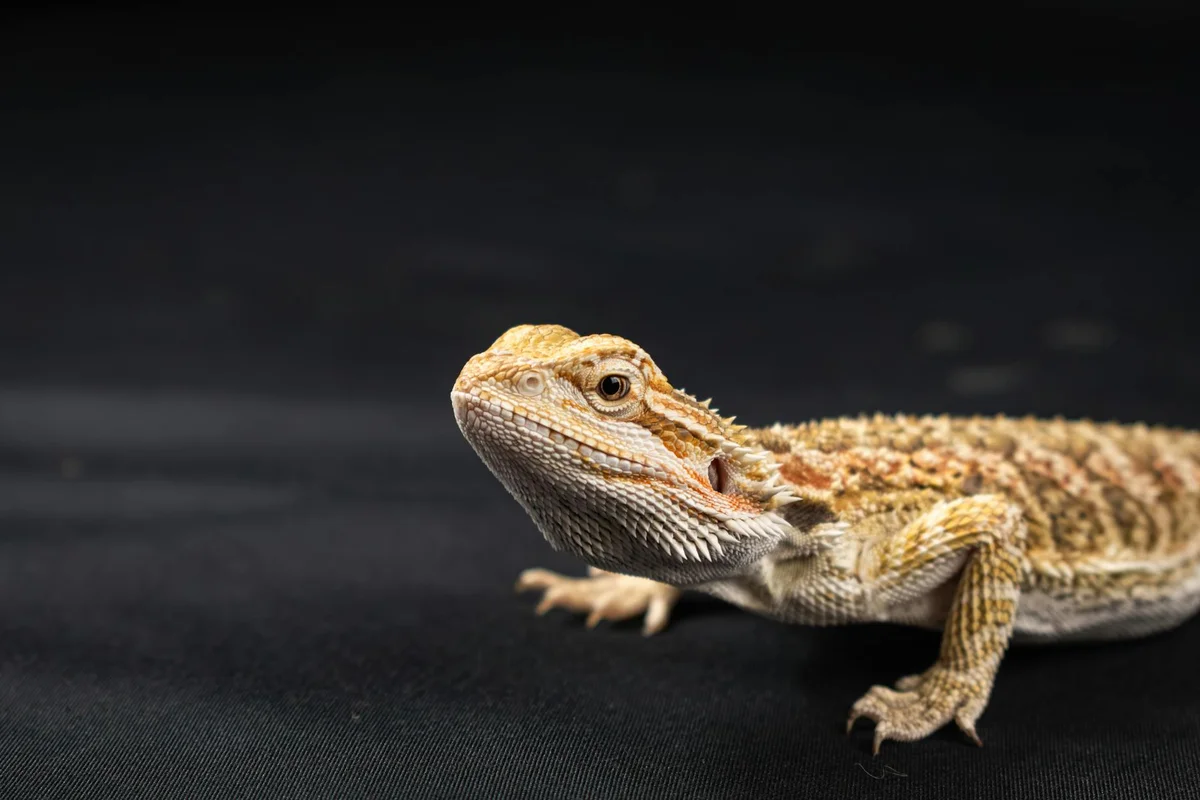
As a dedicated beardie owner for years, I’ve learned to trust my gut when something seems off with one of my scaly pals. Your intuition about your dragon’s health is a powerful tool, and sudden changes in how they respond to sound should never be ignored. For a practical way to verify health, see our complete health check guide. It walks you through signs of health and red flags to watch for in your beardie.
-
Outline specific scenarios like sudden onset deafness or persistent lack of response
You should schedule a vet appointment if you notice a clear and sudden shift in your dragon’s behavior. This isn’t about them occasionally ignoring you when they’re sleepy. I’m talking about a consistent, noticeable change.
- Your dragon no longer startles or reacts to loud, unexpected noises like a cabinet slamming or a dog barking, when they used to.
- They fail to wake up or show any awareness when you approach their enclosure, even if you are talking or making other sounds.
- They do not respond to familiar auditory cues that usually excite them, such as the sound of their feeder insect container or the crinkle of a salad bag.
-
Describe what to expect during a vet visit for auditory health checks
Taking your dragon to a reptile-savvy vet for a hearing concern is a calm and methodical process. The vet will perform a thorough physical exam, paying close attention to the structures of the head and ears. They will look for any visible blockages, signs of infection like swelling or discharge, or injuries to the tympanic membrane (that flat, circular eardrum on the side of their head).
There isn’t a “hearing test” like we humans get. Instead, the vet relies on behavioral observation and their expertise. They might make a quiet sound off to the side to see if your dragon turns its head or shows a blink response. The visit is largely about ruling out other serious health issues that could be causing the lack of response, such as a severe respiratory infection, neurological problem, or a systemic illness that is making them lethargic.
-
Include a bullet list of red flags that require immediate professional attention
While a gradual change warrants a scheduled visit, some symptoms demand immediate action. If you see any of the following red flags, contact your exotic vet right away.
- Visible pus, blood, or a foul smell coming from the ear area.
- Significant swelling around one or both sides of the head.
- Your dragon is tilting its head constantly or losing its balance, circling, or falling over.
- A complete lack of response is paired with other severe symptoms like not eating, labored breathing, or extreme lethargy.
Frequently Asked Questions
Can bearded dragons distinguish between different people’s voices?
Bearded dragons can learn to associate specific voices with routines or caregivers, but they may not fine-tune distinctions like humans do. Their hearing is more attuned to consistent tones and lower frequencies, so deeper or familiar voices might elicit stronger responses. They can form a basic bond and recognize their owner, often approaching or showing comfort with a familiar person. This attachment is simpler than human bonding, but it shows that beardies can distinguish and prefer particular caregivers.
Is it beneficial to talk to my bearded dragon regularly?
Yes, speaking to your bearded dragon in a calm, steady voice helps build trust and reinforces positive associations with your presence. Over time, this can reduce stress and make daily interactions, like feeding or handling, more comfortable for them. By consistently using a calm voice, you can get your bearded dragon to like you and build trust. Patience and gentle handling will reinforce that trust over time.
How can I use sound to help my bearded dragon feel more secure?
Incorporating consistent, low-frequency sounds like soft music or gentle talking can mask jarring household noises, creating a predictable environment that reduces anxiety. Avoid high-pitched or chaotic sounds to prevent stress and promote a sense of safety.
Final Thoughts
Your bearded dragon can definitely hear you, and they often learn to recognize and be soothed by the familiar sound of your voice. While their world is painted more in vibrations and body language than in complex words, speaking to them is a wonderful way to build a bond. It turns you from a giant moving object into a known, safe presence. If you’re wondering whether your bearded dragon truly trusts you, there are 12 key signs to look for. Recognizing these signs helps you know if your dragon likes you back.
From my own experience, the simple act of chatting with my dragons during feeding or handling has made them noticeably calmer and more interactive over time. So go ahead and have those one-sided conversations-your scaly friend is listening, and it truly matters to their well-being and your shared connection.
Further Reading & Sources
- r/BeardedDragons on Reddit: Do Bearded Dragons hear?? do they hear noises??
- Can Bearded Dragon Hear? Discover Their Amazing Senses! – Total Bearded Dragon
- Do Bearded Dragons Have Good Hearing? – Berry Patch Farms
Bearded Dragon Lair is the ultimate resource for bearded dragon enthusiasts, offering expert advice and practical tips to ensure the health and happiness of your scaly companion. With years of experience in reptile care, we are dedicated to providing accurate, up-to-date information to support your bearded dragon journey.
Socialization Techniques