
Why Does My Bearded Dragon Stare at Me? Interpreting Common Behaviors
Published on: March 26, 2026 | Last Updated: March 26, 2026
Written By: Beardie Joe
If you’ve ever caught your bearded dragon giving you a long, unblinking stare, you’ve probably asked yourself this exact question.
As a dedicated owner of multiple bearded dragons, I’ve learned to interpret their behaviors through years of hands-on care and observation.
We’ll break down the top reasons for that intense gaze, explain what other common actions like glass surfing mean, and show you how to respond to your pet’s cues.
Understanding Bearded Dragon Staring Behavior
In the world of reptiles, a long, unblinking stare isn’t considered rude. For a bearded dragon, it’s simply their primary way of gathering information about their environment. They are visual creatures by nature. Some people wonder if bearded dragons have a third eye and whether it does anything. They do have a parietal eye that detects light and helps regulate their circadian rhythms, but it doesn’t provide detailed vision.
Unlike mammals, bearded dragons don’t use eye contact to build social bonds in the same way we do. For them, a stare is a practical tool for survival, not an emotional exchange. Some observers note that bearded dragons can recognize familiar people and respond to gentle handling, suggesting a modest bearded dragons’ social understanding and a generally friendly temperament. In appropriate settings, enrichment and companionship can help reduce stress and loneliness, highlighting their potential for comfort and bonding when kept under considerate care.
Their vision is incredibly sharp, allowing them to detect the slightest movements from impressive distances. I’ve watched my dragon, Leo, spot a single cricket scurrying across the room long before I even noticed it was loose. They have a fixed focus, meaning they often turn their entire head to get a better look at something, which results in that intense, direct stare we often receive.
From my experience, this behavior is most pronounced when they are calm and observant. I’ll often find Leo perched on his favorite log, just watching me work at my desk. It’s a sign he’s comfortable enough in his surroundings to just sit and observe, taking everything in.
Common Reasons Your Bearded Dragon Stares at You
Your beardie’s stare usually has a specific motivation. Learning to interpret the context and their accompanying body language is the key to understanding them.
Primary Motivations
- Food Anticipation: This is the most common reason. They associate you with mealtime. If the stare is intense and focused, especially around their usual feeding time, they are likely just hoping for a snack.
- Curiosity and Recognition: Your dragon knows you are the giant, warm creature that provides food and safety. They stare to track your movements and simply because you are the most interesting thing in their field of vision.
- Territorial Monitoring: Bearded dragons are territorial. A fixed stare, especially if combined with a darkened beard or head bobbing, can be their way of asserting dominance and keeping an eye on a perceived presence in their space.
- Seeking Warmth or Security: Sometimes, a calm, soft stare means they are content and just want to be near you. They may be looking for a way to signal they’d like to come out or simply enjoy your company from a distance.
Reading Their Body Language
Look for these cues to decode the stare.
- Pupil Dilation: Wide, dilated pupils often indicate high interest or excitement, usually about food.
- Head Bobbing: A quick, jerky head bob is a clear territorial display, especially from males.
- Tail Flicks: A slow, deliberate tail flick can signal mild agitation or curiosity.
- Beard Darkening: A black beard is a definitive sign of stress, fear, or territorial aggression.
| Reason for Staring | Associated Behaviors | Typical Context |
|---|---|---|
| Hunger / Food Anticipation | Pacing at the glass, licking lips, rushing toward the front of the enclosure when you approach. | Around typical feeding times or when you walk into the kitchen. |
| Curiosity & Recognition | Calm posture, steady gaze, slight head tilt. No signs of stress. | When you are moving around the room or talking near their tank. |
| Territorial Signaling | Head bobbing, beard puffing or darkening, flattened body posture. | Seeing their own reflection, a new pet in the room, or a new person. |
| Seeking Comfort | Relaxed body, “pancaking” under the basking light, closing eyes slowly. | During calm periods of the day, often when they are already warm and content. |
Observing the whole picture-the stare plus their other behaviors-will give you the most accurate insight into what your scaly friend is thinking. It’s a skill that deepens the bond between you and makes you a more responsive and caring owner.
When Staring Signals Stress or Health Issues
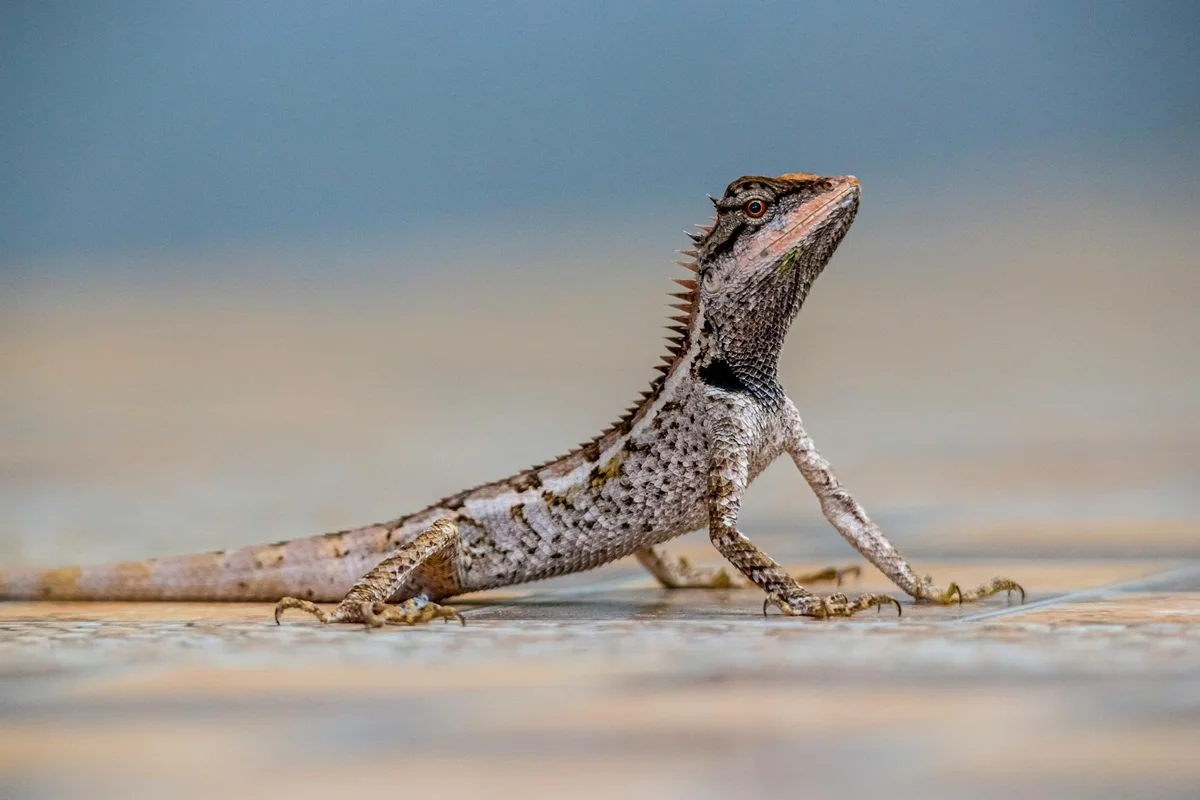
Not all stares are created equal. Sometimes, that fixed gaze is a red flag. When a prolonged, intense stare is combined with other physical cues, it’s time to pay close attention to your dragon’s well-being—like when they might be closing one eye or showing other unusual behavior. I’ve learned to spot this over the years; it’s a different kind of look than a simple food-begging glance.
Identifying the Warning Signs
Look for these stress signals alongside the staring:
- Darkened or black beard, especially if it spreads to the belly
- Puffed-up, flattened body posture to appear larger
- Gaping mouth without being in the basking spot
- Frantic glass surfing or constant hiding
- Loss of appetite or lethargy
Potential Causes of Stress Staring
This behavior often points to an environmental or health problem. The main culprits I’ve encountered are:
- Improper Lighting: An old or weak UVB bulb can’t support their health.
- Incorrect Temperatures: A basking spot that’s too hot or too cool disrupts their digestion.
- Underlying Illness: Pain or discomfort from parasites or infections can cause a stressed, vacant stare.
- Territorial Stress: Seeing their own reflection or another pet can trigger a defensive glare.
Assess Your Dragon’s Enclosure
If you see stress staring, your first move is to check their home. A quick habitat check can often solve the problem before it becomes a major health crisis. Here’s how I do it:
- Check the UVB: Is the bulb a dedicated reptile UVB tube (not a coil bulb)? Is it less than 12 months old? It should be mounted inside the screen or just above a wide-mesh lid.
- Measure the Basking Spot: Use a digital thermometer with a probe. The surface temperature should be 95-110°F for adults. The cool side must be 75-85°F.
- Look for Reflections: Get down to your dragon’s eye level. Can they see their reflection in the glass? A background on three sides can help.
- Observe Their Poop: Healthy poop is firm and has a white, chalky urate. Runny, smelly, or discolored waste needs a vet.
How to Respond to Different Types of Stares
Once you’ve ruled out stress, you can start responding to their communication. Your reaction can either build a stronger bond or accidentally reinforce behaviors you don’t want. It’s all about reading the context.
Practical Actions for Common Stares
For the “I’m Curious” Stare: This is a soft, alert look, often with a slightly tilted head. They are just watching you. Speak to them in a calm, low voice to positively associate your presence with safety. Move slowly and deliberately around their tank.
For the “Feed Me Now” Stare: This one is classic. They’ll often pace the front of the glass when you walk in the room. Stick to a consistent feeding schedule so they learn to trust your routine instead of begging constantly. I hand-feed greens sometimes to build trust.
For the Dominance or Territorial Stare: This is the intense, “don’t mess with me” look, sometimes with a slight head bob. Avoid direct eye contact and sudden movements, which they see as a challenge. Instead, blink slowly and look away to show you are not a threat.
Handling Tips to Build Trust
Regular, positive handling is the best way to reduce nervous or dominant staring.
- Always approach from the side and below, never from above like a predator.
- Scoop them up gently, supporting their entire body and all four legs.
- Start with short, 5-10 minute sessions daily, gradually increasing the time.
- Offer a small, favorite treat like a piece of bell pepper after handling.
When to Consult a Veterinarian
While most staring is normal, some behavior changes warrant a professional opinion. Any sudden, drastic shift in behavior is your dragon’s only way of telling you something is wrong. You should book a vet appointment if you notice:
- Staring combined with a lack of appetite for more than two days.
- Lethargy where they barely move from one spot.
- Visible weight loss or a sunken fat pad on their head.
- Signs of respiratory infection, like mucus around the nose or wheezing.
Creating a Comfortable Environment to Reduce Problem Staring
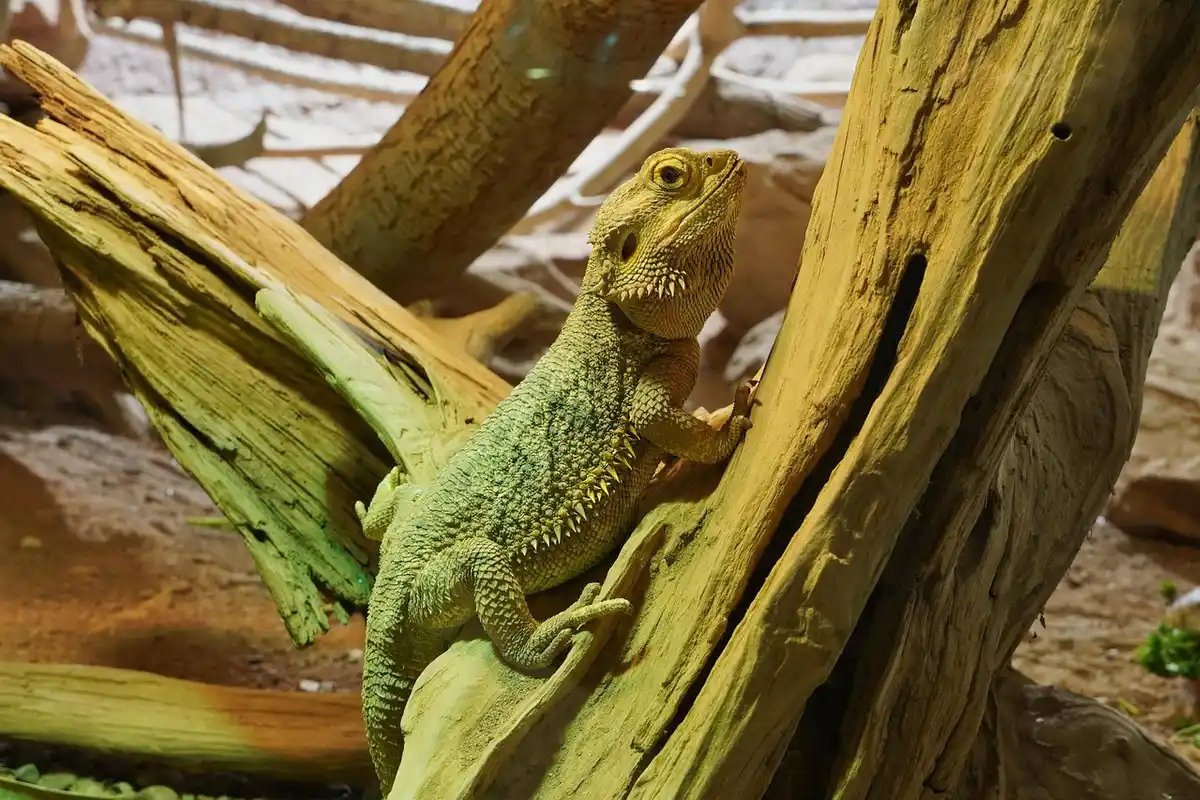
A lot of intense staring can be your dragon’s way of saying their home isn’t quite right. Think of their enclosure as their entire world. When that world is enriched and predictable, they feel secure and spend less time anxiously watching the outside.
Enclosure Enrichment Ideas
- Multiple Hides: Offer at least two – one on the warm side and one on the cool side. This gives them a choice to feel safe and regulate their temperature.
- Climbing Structures: Bearded dragons love to climb! Use sturdy branches, reptile hammocks, and rock piles to create a 3D landscape.
- Proper Substrate: I avoid loose substrates like sand for my younger dragons. Instead, I use slate tiles or a textured non-adhesive shelf liner. It’s safe, easy to clean, and files their nails down naturally.
The Role of Routine
Consistency is key to a calm dragon. They thrive on knowing what comes next.
- Lighting: A consistent 12-hour day/night cycle is non-negotiable. Use a timer for your UVB and basking lights. It mimics the natural world and prevents stress.
- Temperature: Maintain a precise thermal gradient. A basking spot of 95-110°F and a cool end around 80°F lets them self-regulate, which is vital for their digestion and mood.
- Feeding Schedules: I feed my adults at the same time every morning. This routine means they look forward to food time, not stare at me all day wondering if it’s coming.
When I added a second hide and a reptile hammock to my dragon, Spike’s, tank, I noticed a huge shift. He stopped pacing the glass and spent his days actively exploring or calmly basking instead of fixating on my every move. A bored or uncomfortable dragon is a staring dragon. If you’re wondering why your bearded dragon keeps climbing and hitting the sleeping glass, it’s often a sign of stress or too little enrichment. Giving Spike more places to hide and climb changed that dynamic for the better.
Reading Overall Body Language for a Happier Dragon
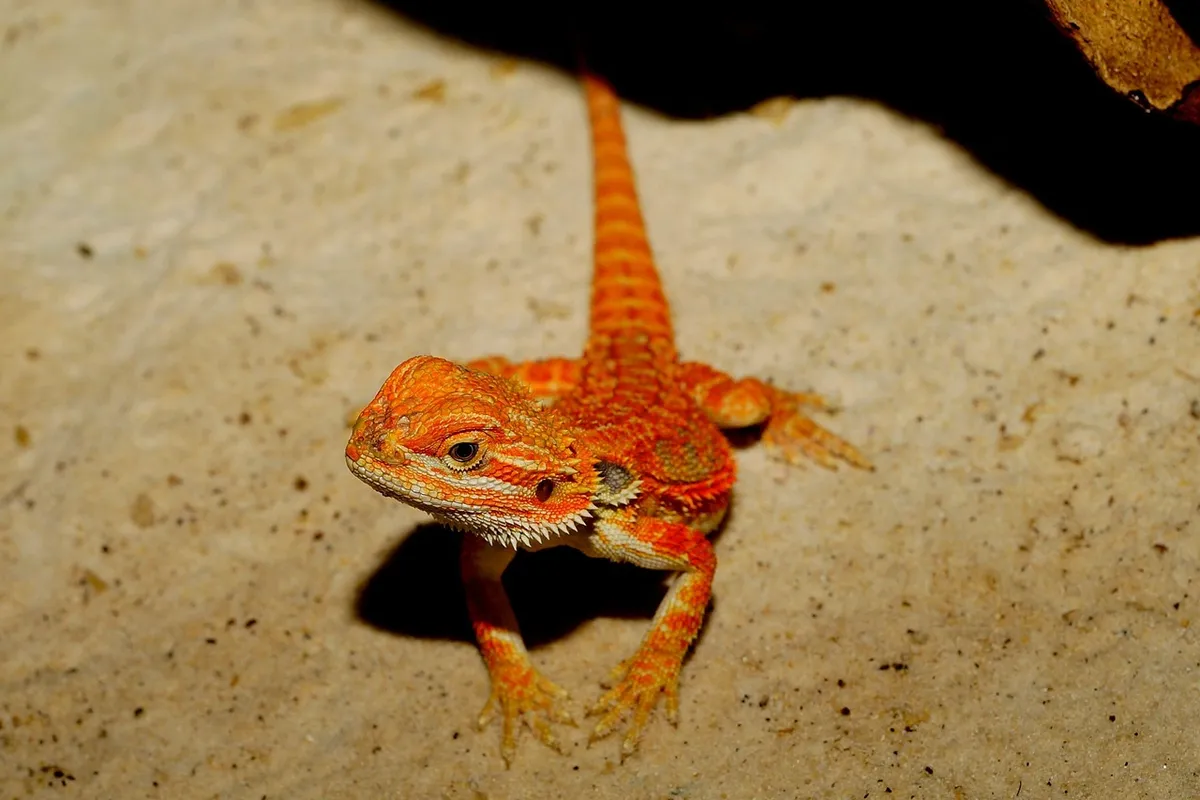
Staring is just one piece of the puzzle. To truly understand your beardie, you need to read their entire body. It’s a language of posture and subtle cues.
Staring and Social Behavior
Staring is often a social behavior. A relaxed, curious stare is normal. You can “talk back” to your dragon by slowly closing and opening your eyes, a gesture they interpret as friendly and non-threatening. I do this with my dragons, and they often settle down and relax their posture.
Healthy vs. Unhealthy Signs
Contrasting behaviors helps you spot problems early.
- Healthy Signs: A relaxed, flat body. Regular, alert exploration of their enclosure. A bright, clear beard. A curious head tilt when you approach.
- Unhealthy Signs: A black, puffed-out beard (a sign of stress or anger). Hiding constantly. Glass surfing (repeatedly scratching at the glass). Rapid, shallow breathing. A lethargic, limp posture.
If the staring is accompanied by a black beard or frantic activity, it’s a clear signal of distress, not curiosity.
Strengthening Your Bond
The best way to ensure your dragon’s stares are happy ones is through gentle, consistent interaction.
- Spend time near their enclosure daily, talking softly to them.
- Offer hand-feeding of their favorite greens or bugs to build positive associations.
- Initiate handling sessions slowly, letting them walk onto your hand rather than being grabbed.
Regular, quiet observation is your most powerful tool for learning your dragon’s unique personality and needs. The more you understand their normal behavior, the quicker you’ll notice when something is wrong. This attentive care is the foundation of true animal welfare. By learning to spot your bearded dragon’s stress signals—its stressed spot signs—you can intervene early to reduce anxiety and keep them calmer. Recognizing these cues lets you tailor enrichment and handling to ease their stress.
Frequently Asked Questions
Why does my bearded dragon dig in its substrate?
Digging is a natural behavior for bearded dragons, often used to regulate body temperature by burrowing into cooler areas or to create a comfortable resting spot. It can also indicate preparation for brumation or nesting in females, so ensure your enclosure has appropriate substrate and hiding places. While digging is normal, a sudden or persistent change can hint at health or environmental issues. Monitor appetite, hydration, and activity, and consult a reptile veterinarian if digging intensifies.
Is it normal for my bearded dragon to eat its shed skin?
Yes, this is a common and harmless behavior where bearded dragons consume their shed skin to recycle nutrients and maintain cleanliness. It’s a natural instinct, but always monitor to ensure they are also eating a balanced diet of insects and vegetables. Sometimes their appetite can change during shedding, so it’s important to keep an eye on their overall food intake.
How can I reduce my bearded dragon’s stress from seeing its reflection?
If your bearded dragon shows signs like glass surfing or a darkened beard due to its reflection, apply opaque backgrounds to three sides of the enclosure to minimize reflections. This can help explain why my bearded dragon glass surfs—the reflection is often a stress trigger. Additionally, rearranging decor inside the tank can help break up reflective surfaces and reduce territorial behavior. If reflections are minimized, glass surfing may stop or lessen.
Final Thoughts
Your bearded dragon’s stare is usually a sign of a healthy, engaged pet, not something to worry about. They are simply processing their world, and you are the most fascinating part of it. From expecting food to just checking in, that intense gaze is a normal part of their communication. If you’re curious about how they see in the dark, this complete guide to bearded dragons’ night vision covers night vision and how lighting affects what they perceive. It also explains tips for creating a comfortable day-night cycle in their enclosure.
Trust your instincts as an owner. You know your dragon’s personality and routines best. By observing their full body language and responding with patience, you strengthen the unique bond you share. With consistency, you can get your bearded dragon to like you and build trust. Small, calm interactions reinforce that trust over time. Keep enjoying those quiet moments of connection—they’re one of the best parts of having a beardie.
Further Reading & Sources
- Why Does My Bearded Dragon Stare at Me? 5 Possible Reasons | Hepper Pet Resources
- r/BeardedDragons on Reddit: Any ideas why my beardie is staring blankly? (more info in comments)
- Why Does My Bearded Dragon Stare At Me? – (8 Reasons)
Bearded Dragon Lair is the ultimate resource for bearded dragon enthusiasts, offering expert advice and practical tips to ensure the health and happiness of your scaly companion. With years of experience in reptile care, we are dedicated to providing accurate, up-to-date information to support your bearded dragon journey.
Temperament Insights