
How Do You Bathe a Bearded Dragon? (A Step-by-Step Guide to Bathing and Drying)
Published on: February 24, 2026 | Last Updated: February 24, 2026
Written By: Beardie Joe
Bathing your bearded dragon can feel a little intimidating, but it’s a straightforward process that helps with hydration and shedding.
As a long-time owner of several beardies, I’ve learned through trial and error how to make bath time safe and calm for them, and I’m here to share that simple method with you.
I will cover how to prepare the bath, the exact steps for washing and drying, and how to spot your dragon’s comfort signals.
Why Bathe Your Bearded Dragon?
You might look at your bearded dragon’s arid native habitat and wonder if baths are even necessary. In my years of caring for these wonderful reptiles, I’ve found that a proper bath schedule is one of the most beneficial things you can do for their overall health. In the following complete soaking guide, I’ll walk you through how often you should bathe your bearded dragon, what to expect during a soak, and how to perform a safe, thorough soak.
Bathing serves several critical purposes that go beyond just getting clean.
- Hydration Support: Bearded dragons often won’t drink from a standing water bowl. A shallow bath encourages them to hydrate by drinking the water around them, which I’ve seen prevent dehydration countless times.
- Shedding Assistance: Bathing hydrates their skin, making it easier for old skin to come off during shedding. Stuck shed, especially on toes and tails, can be dangerous and lead to serious health issues.
- Cleaning and Hygiene: They can get messy! Baths help wash away substrate, leftover food, and fecal matter stuck to their scales and claws.
- Bowel Stimulation: The warm water often encourages them to poop, which makes cleaning their main enclosure much easier for you.
- Exercise and Enrichment: A bath provides a different environment for them to explore and move around in, which is great for their physical and mental well-being.
Pre-Bath Setup and Safety
Getting everything ready before you even bring your dragon near the water is the key to a safe, stress-free experience for both of you. Rushing this setup process is where most accidents and stressful situations begin.
Choosing the Right Bathing Container
You don’t need anything fancy, but the right container makes all the difference. I’ve tried all sorts of things over the years!
- A Plastic Bin or Tupperware: This is my go-to choice. It’s easy to clean, has high enough sides to prevent escapes, and provides a non-slip surface on the bottom.
- A Clean Sink: Ensure the sink is thoroughly cleaned of any soap or chemical residue first. Place a small towel on the bottom to give your dragon’s claws something to grip.
- A Small Bathtub: Only use this if you can effectively block the drain and are able to sit or kneel comfortably with your dragon the entire time.
- What to Avoid: Never use a container with soap residue or one that is too large and deep. Glass aquariums can be heavy and stressful if they feel too exposed.
Water Temperature and Depth Guidelines
This is the most critical part of the entire process. Getting the water wrong can scare your dragon, make them sick, or even be fatal. If dehydration is suspected, know how to hydrate a bearded dragon safely and when to seek veterinary help.
- Temperature is Everything: The water must be lukewarm. I always test it with my wrist or elbow, just like you would for a baby’s bottle. Your skin should feel no extreme hot or cold sensation-just comfortable warmth. A thermometer can help; aim for 85-100°F (29-38°C).
- Safe Water Depth: The water should never be deeper than your dragon’s shoulders when they are in a normal standing position. For a juvenile, this might only be half an inch. For a large adult, it may be up to two inches. They must be able to easily keep their head completely out of the water.
- Always Supervise: Never, ever leave your bearded dragon alone during bath time, not even for a second. It only takes a moment for an accident to happen.
Step-by-Step Bathing Process
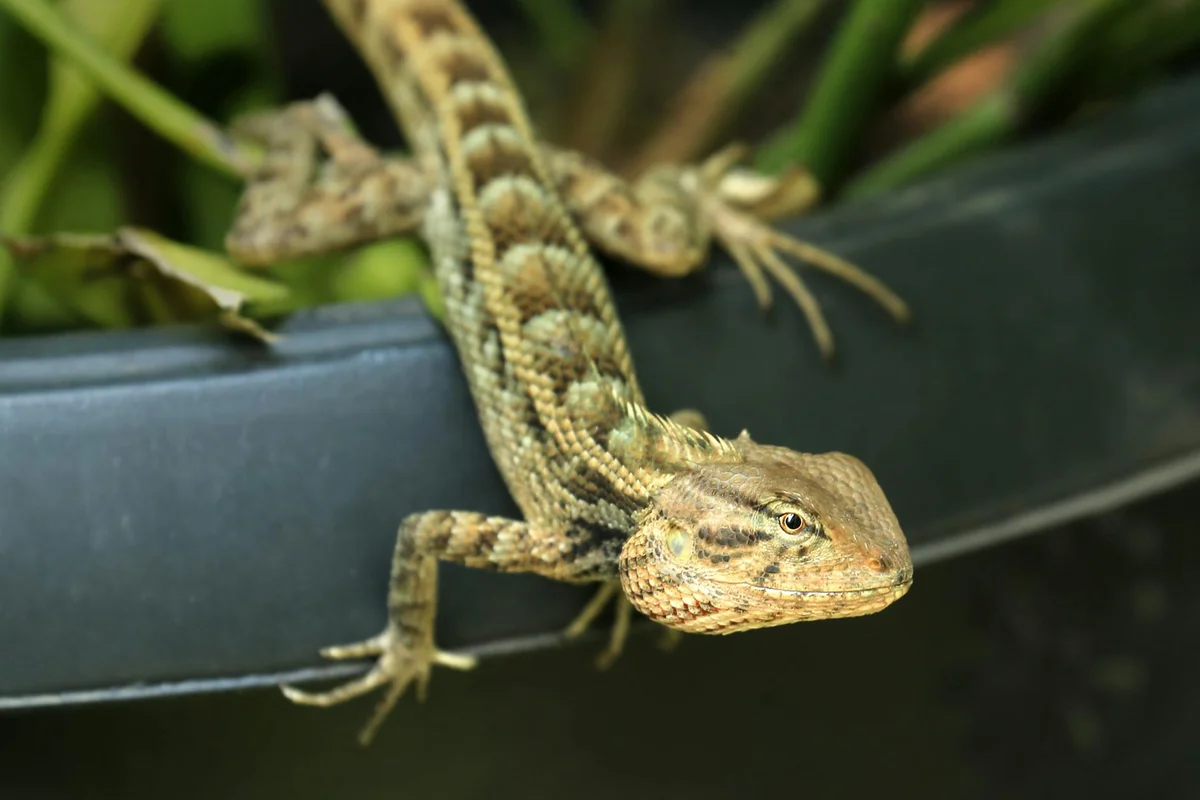
Acclimating Your Dragon to Water
I always start bath time by letting my bearded dragon, Spike, test the water with his front feet first. You place your dragon gently into a shallow container filled with just an inch or two of lukewarm water. Let them sit for a minute and get their bearings before you add more water. This prevents that panicked scramble that can happen if they’re plunged in.
Speak to them in a calm, low voice the entire time. I’ve found this really helps keep my dragons settled. Your patience here is the key to building a positive association with bath time. If they seem overly stressed, it’s okay to end the session and try again tomorrow.
- Use a sink or plastic tub they can’t see through to reduce stress.
- Keep the water level no higher than their elbows or armpits when they are standing.
- Stay with your dragon the whole time to ensure their safety.
Soaking and Gentle Cleaning
Once your dragon is calm, let them soak for about 10 to 15 minutes. The warm water helps with hydration and can loosen stubborn shed skin. A good soak does most of the cleaning work for you, so there’s rarely a need for soap. I just use my clean hands to gently cup water and pour it over their back. It’s especially helpful when they are shedding and have some stuck shed that needs loosening.
If you see dirt stuck on their scales or toes, use a super soft toothbrush or a clean, damp cloth. Gently brush in the direction of the scales to avoid irritating their skin. I never scrub hard; a light touch is all that’s needed.
- Check the water temperature frequently to ensure it stays warm, not hot.
- Encourage them to move around a little to help work off loose shed.
- If they defecate in the water, calmly remove them and prepare a fresh bath.
Drying Your Bearded Dragon Thoroughly
Towel Drying Techniques
After the bath, I immediately lift my dragon out and wrap them in a clean, dry, and absorbent towel. Always use a towel that’s reserved just for your pet to prevent cross-contamination. I prefer soft microfiber towels because they’re gentle and soak up a lot of water quickly. If you’re wondering about soap-safe options for bearded dragons or other common product questions, this guide has you covered.
Gently pat and blot their body, legs, and head to soak up the moisture. Avoid any vigorous rubbing, as this can damage their delicate scales and cause stress. Pay special attention to the crevices under their arms and between their toes, as trapped moisture can lead to skin infections.
- Hold your dragon securely but loosely wrapped in the towel for a few minutes.
- If they’re still damp, switch to a second dry towel to finish the job.
- Let them sit in your lap or a warm, safe spot until they are completely dry.
Monitoring After the Bath
Once your dragon is dry, I always return them directly to their warm enclosure. Watch to make sure they go straight to their basking spot to thermoregulate. This is critical because a chill after a bath can weaken their immune system. In cold conditions, following a cold-too-cold critical temperature guide helps keep their overall temperature within safe ranges. Monitor ambient and basking temperatures to prevent chilling.
Observe their behavior for the next hour. A healthy dragon will often stretch out and bask contentedly. If you notice any glass surfing, lethargy, or labored breathing, it could be a sign of stress. In my experience, this is rare if the bath was calm, but it’s our job to be vigilant for their wellbeing.
- Offer fresh water to drink, as they may be thirsty from the soak.
- Note if they have a healthy appetite when you next offer food.
- Check their skin over the next few days for any improvements in shedding.
How Often to Bathe Your Bearded Dragon

This is one of the most common questions I get, and the answer isn’t the same for every dragon. Your dragon’s lifestyle and current needs are the biggest factors in setting a bath schedule. Typically, a 10–15 minute soak works well. Afterward, let your bearded dragon bask to dry and warm up. I’ve had dragons that loved their weekly soak and others who only needed a dip when they were dirty.
Here is a simple guide to help you decide what’s right for your pet.
- During Shedding: Bathing 2-3 times a week is fantastic. The warm water helps soften the old skin, making it easier and more comfortable for them to peel it off. I always notice my dragons rubbing against their decor right after a bath to help the process along.
- For Constipation: If your dragon seems blocked up, a warm bath can work wonders. Offer baths daily until they pass a stool. The warm water relaxes their muscles and often gets things moving.
- General Hygiene & Hydration: For a healthy, non-shedding adult, a bath once a week or every other week is perfect. This helps them stay clean and gives them a chance to drink if they want to.
- After a Mess: Did they drag their tail through their poop? Give them a quick, immediate bath to get clean. Accidents happen!
- Baby Bearded Dragons: I tend to bathe my juveniles a bit more frequently, about 2-3 times a week. They are growing so fast and can be messy eaters, so the extra cleanup helps.
Troubleshooting Common Bathing Problems
Not every bath goes smoothly, and that’s okay. I’ve had to learn how to read my dragons’ moods over the years. Recognizing the signs of a problem early is the key to a positive experience for both of you.
Handling a Stressed Dragon
If your dragon starts to panic, your calm response is everything. A scared dragon can scratch, thrash, or even try to bite.
- Look for Black Beard Puffing: A beard that suddenly turns dark black is a major sign of stress or fear. You might also see them flatten their body against the bottom of the tub to look bigger.
- Lower the Water Level Immediately: Sometimes, the depth is just too much. Reduce the water so it only barely covers their legs. This often instantly calms them down.
- Speak in a Soothing Voice: I always talk to my dragons in a low, gentle tone. Your voice is familiar and can be very reassuring in a strange situation.
- Provide a Gripping Surface: Place a small washcloth or a flat rock in the water. Being able to grip something solid makes them feel much more secure.
- Know When to Stop: If the stress signs continue, just end the bath. A five-minute, calm bath is far better than a fifteen-minute struggle. You can always try again another day.
Bathing Do’s and Don’ts
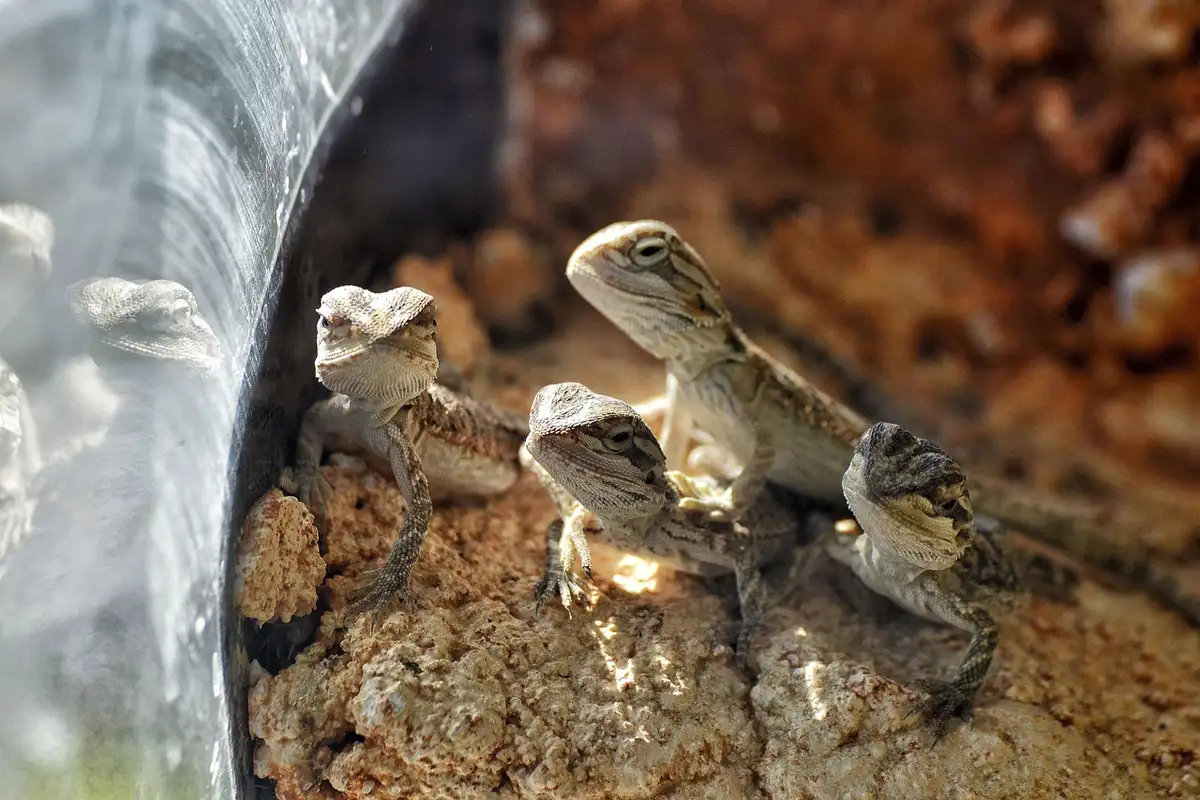
Getting the bath right is about more than just clean scales. It’s about creating a safe, stress-free ritual that supports your dragon’s health. After years of caring for my own crew, I’ve learned these guidelines are non-negotiable. Keeping humidity in the bearded dragon’s ideal range is part of that maintenance. A quick look at a beardie humidity guide can help you stay on top of humidity control.
Do’s for a Positive Experience
- Do use lukewarm water. I always test it with my wrist, just like for a baby’s bottle. It should feel warm but not hot.
- Do keep the water shallow. It should only come up to your dragon’s shoulders when they are sitting. This prevents panic and the risk of drowning.
- Do offer a textured surface. I place a small, clean rock or a folded towel in the bottom. This gives them something to grip, making them feel much more secure.
- Do talk to your dragon gently throughout the process. My beardies seem to find my voice calming. It reassures them that everything is okay.
- Do use bath time as a chance to check their body. Look for any stuck shed, especially on their toes and tail tip, and note their overall body condition.
Don’ts to Prevent Harm
- Never use soaps, shampoos, or detergents. Their skin is porous, and these chemicals are highly toxic to reptiles. Plain water is all you need.
- Don’t leave your dragon unattended, not even for a second. I’ve seen how quickly they can slip or get water in their nostrils. Constant supervision is a must.
- Avoid deep water at all costs. A bearded dragon is not a swimmer. Water that is too deep is terrifying for them and can lead to accidental submersion.
- Don’t force them to stay in if they are visibly stressed. Puffing their beard, frantic scrambling, or trying to leap out are clear signs to end the session.
- Never place them under running tap water. The sound, pressure, and temperature fluctuations are incredibly stressful. Always use still, pre-poured water.
Frequently Asked Questions
Can I use soap when bathing my bearded dragon?
No, you should never use soap, shampoo, or detergents, as these are toxic to reptiles and can be absorbed through their porous skin. Plain, lukewarm water is all that’s needed for effective cleaning and hydration.
Are bath toys safe for my bearded dragon?
While not necessary, you can use simple, safe items like a clean, smooth rock or a soft cloth for gripping, but avoid small or sharp objects that could cause injury or stress. Always supervise to ensure your dragon doesn’t try to ingest anything.
What if my bearded dragon seems stressed during bath time?
If your dragon shows signs of stress, such as a black beard or frantic movements, lower the water level immediately and speak in a calm voice to soothe them, ending the bath if needed to build positive associations over time. This is part of a calm-stressed bearded dragon guide focused on de-stressing your pet. By keeping sessions gentle and predictable, you help reduce stress triggers and support long-term well-being.
Final Thoughts
Bathing your bearded dragon is a simple routine that combines essential hygiene with valuable bonding time. Remember the core rules: shallow lukewarm water, constant supervision, and a thorough, gentle dry. Doing this regularly helps with shedding and keeps your pet comfortable. You can learn how to wash a bearded dragon and what to use during the bath.
From my own experience, this isn’t just a chore-it’s a chance to build trust. When you handle your dragon with calm, confident care in the bath, you strengthen your relationship far beyond the water’s edge. You’ve got this.
Further Reading & Sources
- Your Bearded Dragon Bath Guide: How to Bathe a Bearded Dragon in 7 Eas – Dragon’s Diet
- How to Bathe a Bearded Dragon: 9 Vet-Approved Steps | Hepper Pet Resources
- How to Give a Bearded Dragon Bath: Guide with Easy Steps
Bearded Dragon Lair is the ultimate resource for bearded dragon enthusiasts, offering expert advice and practical tips to ensure the health and happiness of your scaly companion. With years of experience in reptile care, we are dedicated to providing accurate, up-to-date information to support your bearded dragon journey.
Bath Time Fun