
How Cold Is Too Cold for a Bearded Dragon?
Published on: March 6, 2026 | Last Updated: March 6, 2026
Written By: Beardie Joe
If you’re anxiously watching your beardie and wondering if their tank is too chilly, you’ve come to the right place.
As an owner of multiple bearded dragons, I’ve learned through direct experience how to spot and fix temperature issues before they become dangerous.
This guide will walk you through the critical temperature zones, show you the unmistakable signs of a reptile in trouble, and give you the steps to safely warm your dragon back up.
Understanding Bearded Dragon Temperature Basics
Getting the temperature right in your bearded dragon’s home is one of the most important parts of their care. From my experience, a happy dragon is a warm dragon, and nailing these numbers makes all the difference in their health and energy levels. During the day, you want to create a heat gradient so your pet can choose its perfect spot. The basking area should be the warmest, between 95°F and 110°F (35°C to 43°C). The middle of the enclosure should be a comfortable 85°F to 95°F (29°C to 35°C), while the cool side needs to stay between 75°F and 85°F (24°C to 29°C). Make sure to check this guide on lighting and heat requirements for a comprehensive understanding.
Bearded dragons are ectotherms, which means they rely on their environment to control their body temperature. This process, called thermoregulation, is why a proper heat gradient is non-negotiable—it lets your dragon move between warm and cool zones to digest food, stay active, and simply feel good. I always set up my tanks with a hot basking spot on one end and a cooler retreat on the other, mimicking their natural desert habitat. Without this setup, they can’t properly manage their bodily functions.
| Time of Day | Basking Area | Warm Side | Cool Side |
|---|---|---|---|
| Day | 95-110°F (35-43°C) | 85-95°F (29-35°C) | 75-85°F (24-29°C) |
| Night | Not needed | 65-75°F (18-24°C) | 65-75°F (18-24°C) |
Recognizing the Signs of a Cold Bearded Dragon
When a bearded dragon gets too cold, their body and behavior send clear signals that something is wrong. I’ve learned to watch for these subtle changes, like when one of my dragons, Ember, started acting sluggish on a cooler day—it was my cue to check the heat lamp immediately. During winter, many bearded dragons slow down and eat a bit less as their metabolism shifts. Recognizing these seasonal changes helps you tell when their low activity is normal and when it signals a problem. Catching these signs early can prevent more serious health issues and keep your pet comfortable and safe.
- Lethargy and reduced movement: Your dragon may seem unusually slow, spending most of its time hiding instead of exploring or basking.
- Darkened skin coloration: They might turn darker to absorb more heat, which is a natural response but can indicate they’re feeling chilly.
- Loss of appetite or refusing food: Cold temperatures slow their digestion, so they often stop eating to avoid health risks.
- Sluggish reflexes and weakness: You might notice they don’t react quickly to stimuli or have trouble moving around their enclosure.
- Seeking constant warmth: If they’re always pressed against the warmest surface and reluctant to leave, it’s a red flag.
Mild cold stress is usually reversible if you act fast by providing a warm basking spot. But if you see symptoms like shivering, glassy eyes, or an inability to move, it could be hypothermia, which is a medical emergency requiring a vet’s help. In my care, I always err on the side of caution-if your dragon isn’t warming up quickly with proper heat, don’t hesitate to seek professional advice to protect their well-being.
Safe Minimum Temperatures and Critical Cold Thresholds
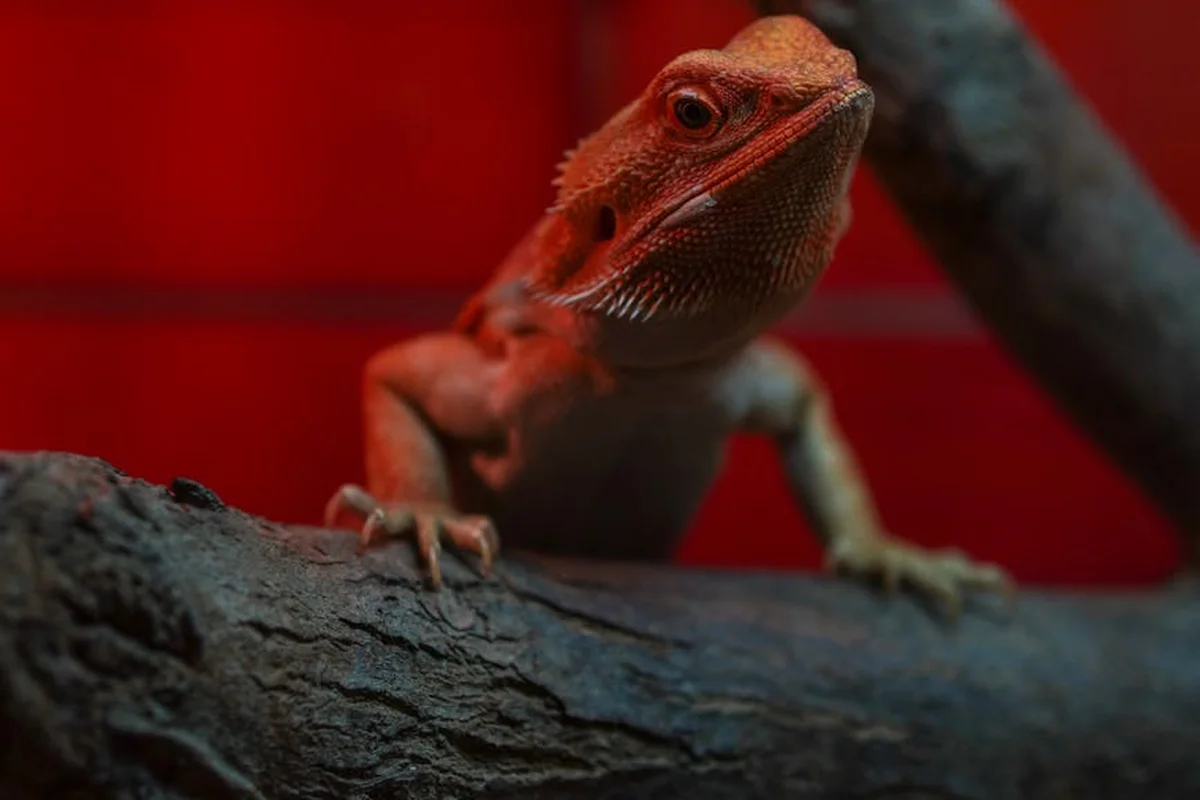
In my years of caring for these amazing reptiles, I’ve learned their temperature needs aren’t just a suggestion—they are a requirement for survival. For an adult bearded dragon, the absolute lowest your enclosure’s cool side should ever get is 65°F (18°C). Anything below that, and you’re moving into dangerous territory. Nighttime temperatures matter as well; if the tank gets too cold at night, it can stress your dragon. Keep nighttime temps from dropping below about 65°F (18°C).
Juveniles and babies are even more sensitive due to their smaller size and faster metabolisms. For a young dragon, I never let the ambient temperature dip below 75°F (24°C). Their little bodies can’t retain heat as effectively, making them vulnerable much quicker.
Brumation, a period of dormancy similar to hibernation, complicates things. A dragon preparing for or in brumation will naturally seek out cooler areas and their metabolism slows way down. Even during brumation, the ambient temperature should not consistently fall below 60°F (15°C). I always provide a slightly warmer spot they can access if needed, because a complete lack of heat is still very risky.
So, when does cool become critically cold? Here is a clear guide to the danger zones.
- Concerning (Act Now): Consistent ambient temperatures between 60-65°F (15-18°C). Your dragon will become lethargic and refuse food.
- Dangerous (Immediate Action Required): Temperatures dipping below 60°F (15°C). Digestive systems shut down, leading to impaction.
- Critical (Life-Threatening): Exposure to temperatures at or below 50°F (10°C). This can rapidly lead to severe hypothermia, respiratory infections, and organ failure.
Step-by-Step Guide to Warming a Cold Bearded Dragon
If you find your dragon is too cold-perhaps they feel cool to the touch and are unresponsive-stay calm. Panic helps no one. The golden rule is to warm them up gradually; sudden heat can send them into shock. I’ve had to do this a couple of times after brief power outages, and a slow, steady approach always works best.
Start with these safe methods to gently raise their body temperature.
- Move them to the warm side of their enclosure, directly under their basking lamp. Ensure the lamp is functioning and emitting the correct heat.
- If their tank is generally cool, hold them gently against your skin inside your shirt. Your body heat is a perfect, gentle warming source.
- You can also place them on a towel-covered heating pad set on the lowest setting. Never place a dragon directly on a hot surface or use a high setting, as this can cause severe burns.
Using Warm Water Therapy
For a dragon that is particularly cold or sluggish, a warm water bath can be very effective.
- Fill a shallow container with lukewarm water. Test it on your wrist; it should feel warm but not hot.
- The water level should only come up to their shoulders-never deep enough to risk drowning.
- Let them soak for 10-15 minutes, gently supporting their body. You should see them become more alert.
- Immediately and thoroughly dry them with a soft towel to prevent them from getting chilled again.
Adjusting Your Heat Sources
While you’re warming your dragon, you must also fix their environment.
- Verify all heat bulbs and ceramic heat emitters are working. Keep a spare bulb on hand for emergencies.
- Use a digital thermometer to check the temperatures in the basking spot, warm side, and cool side. Analog dials are often inaccurate.
- Consider adding a secondary heat source like a ceramic heat emitter for nighttime if your home gets cold, as these provide heat without light.
You need to seek immediate veterinary care if your dragon does not become more active and alert after 30-60 minutes of gradual warming, or if they show signs of a respiratory infection like gaping, wheezing, or mucus around their nose and mouth. Hypothermia can cause lasting internal damage that isn’t always visible to us. When in doubt, a vet visit is the safest choice for your pet’s welfare.
Health Risks Linked to Prolonged Cold Exposure
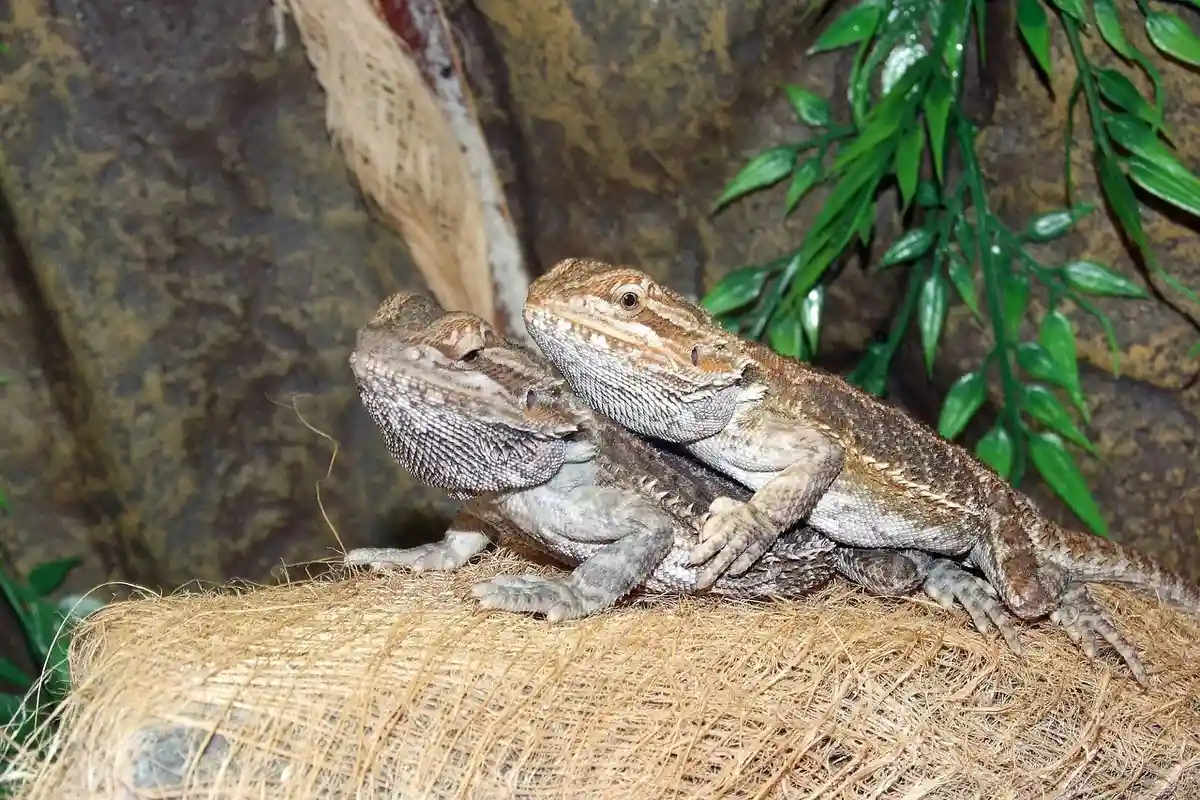
I’ve seen it happen, and it’s heartbreaking. A dragon that was once vibrant and alert becomes sluggish and unwell, all because their environment was just a little too chilly for a little too long. Prolonged exposure to cold is a silent, serious threat to your bearded dragon’s entire system. When lethargy shows up, it’s a signal to review the common causes of lethargy and decide when to worry. If it sticks around, a vet visit is the safest next step.
Their bodies are designed to function at specific, warm temperatures. When they can’t get warm, their metabolism crashes. Food sits in their gut undigested, which is a direct ticket to serious digestive issues like impaction. This is one of the most common and dangerous consequences of a consistently cold habitat.
Beyond their gut, their immune system takes a major hit. Think of it like this: a cold dragon is a stressed dragon, and a stressed body can’t fight off germs effectively. A weakened immune system opens the door for opportunistic pathogens to take hold, leading to nasty respiratory infections. You might notice wheezing, mucus around the nostrils, or labored breathing.
Major Health Concerns from Chronic Cold
- Respiratory Infections: A leading cause of vet visits, characterized by mucus, wheezing, and lethargy.
- Digestive Impaction & Paralysis: The gut stops moving, food rots inside, and it becomes a life-threatening blockage.
- Brumation Mishaps: If a dragon gets too cold, they may slip into a dangerous brumation-like state without properly clearing their system first.
- Permanent Organ Damage: Chronic stress and poor metabolic function can lead to long-term damage to the liver and kidneys.
Setting Up Your Enclosure for Optimal Heating
Getting the heating right isn’t just about slapping a lamp on top of the tank. Creating the perfect thermal environment is the single most important thing you can do for your dragon’s long-term health. In a bearded dragon tank setup guide, that means starting with essential equipment, decor, and safety. This guide will walk you through setup basics so your dragon thrives. I learned this through trial and error with my first dragon, and I want to save you the same worry.
Your primary tool is a high-quality basking lamp placed at one end of the enclosure. This creates the essential heat gradient—a warm basking spot, a moderate middle zone, and a cooler retreat area. Your dragon needs this choice so it can self-regulate its body temperature throughout the day; just be sure to avoid potentially hazardous heat sources like rocks and mats.
Choosing and Placing Your Heating Equipment
- Basking Lamp: Use a white incandescent or halogen bulb specifically made for reptile basking. Avoid colored bulbs as they can distort vision.
- Ceramic Heat Emitter (CHE): This is your go-to for nighttime heat. It produces no light, so it won’t disrupt your dragon’s sleep cycle, but it provides vital ambient warmth.
- Thermostat: This is non-negotiable. Plug all heat sources into a reliable thermostat to prevent overheating and ensure consistent, safe temperatures.
- Thermometers: Use digital probe thermometers at the basking spot and the cool side. Do not rely on the cheap stick-on analog gauges; they are notoriously inaccurate.
Maintaining Consistent Temperatures
Daytime temperatures should see a basking surface temperature of 95-110°F (35-43°C) for adults, with the cool side around 80-85°F (27-29°C). At night, the entire tank can safely drop to 65-75°F (18-24°C) for adult dragons. If your house gets colder than 65°F at night, that’s when you must turn on the ceramic heat emitter. This is a key part of a complete bearded dragon temperature guide, covering basking spots, nighttime temps, and overall tank requirements. Properly staged heat zones help support digestion, activity, and safe sleep.
Place your basking lamp overhead and to one side, not in the center. Ensure the bulb is secured in a proper ceramic dome fixture to prevent a fire hazard. The basking spot itself should be a sturdy platform, like a rock or branch, that allows your dragon to get within 6-10 inches of the heat source. Always double-check surface temperatures with a temp gun for the most accurate reading. This setup mimics the natural sun and gives your pet the warm, secure feeling of a sun-baked rock in the Australian outback.
Special Temperature Needs for Baby Bearded Dragons
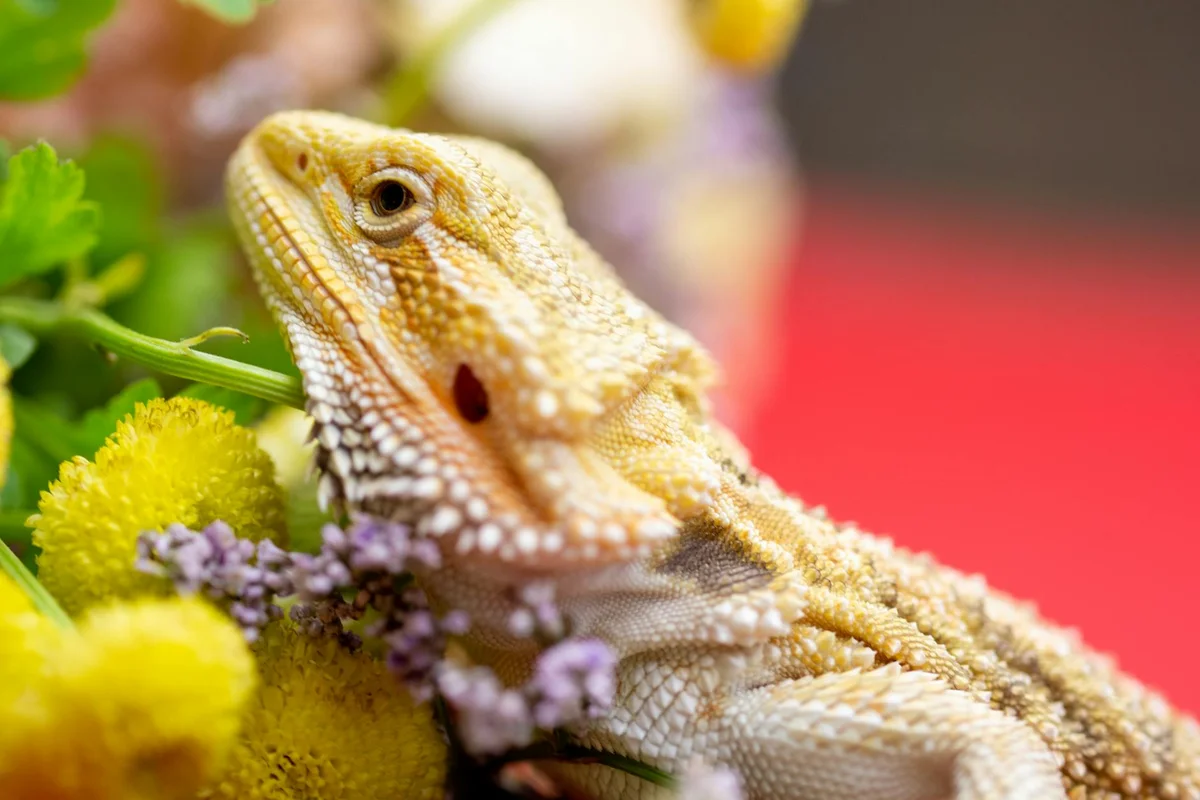
Raising a baby bearded dragon is a profoundly different experience from caring for an adult. I remember my first clutch of hatchlings; I quickly learned their needs are far more delicate. Their tiny bodies are growing at an incredible rate, and that rapid metabolism demands more consistent and slightly higher heat than their adult counterparts. In this bearded dragon neonatal hatchling care guide, we’ll translate those lessons into practical steps. This guide highlights essential temperature, feeding, humidity, and housing guidelines to help hatchlings thrive.
Hatchlings vs. Adults: A Temperature Comparison
Think of a baby beardie as a high-performance engine that’s always running. To support this, their ideal temperature gradient is a bit steeper.
- Basking Spot: Adults thrive at 95-110°F, but babies need the warmer end of that range, ideally between 105-110°F.
- Warm Side Ambient: Aim for 90-100°F for juveniles, compared to 85-100°F for adults.
- Cool Side: This remains similar at 75-85°F for all ages, providing that essential escape from the heat.
- Nighttime Temperatures: Both need a drop, but for babies, I never let it dip below 75°F. Their little systems can’t handle the chill as well.
Heating Schedules and Enclosure Setup for Juveniles
Consistency is your best friend with a young dragon. Their enclosure setup is critical for preventing stress and illness.
- Lighting Schedule: Provide 12-14 hours of consistent heat and UVB light daily. I use a simple timer to automate this, ensuring they never miss a minute of crucial basking time.
- Heat Source: A high-quality halogen basking lamp is my go-to. It provides the intense, directional heat they need for proper digestion.
- Thermostat is Non-Negotiable: You must use a reliable thermostat connected to your heat lamp. This prevents accidental overheating, which can be just as dangerous as the cold.
- Multiple Basking Sites: Create a few different leveled platforms under the lamp. This lets your baby dragon choose the exact spot that feels perfect for them.
The Critical Link Between Temperature and Growth
This isn’t just about comfort; it’s about survival and development. Getting the temperature wrong for a baby dragon has immediate and severe consequences.
- Digestion: Without sufficient heat, they cannot properly digest their food. This leads to impaction, a potentially fatal condition.
- Immune System: A consistently cold dragon is a sick dragon. Their immune system weakens, making them susceptible to respiratory infections.
- Metabolism and Appetite: You will see a direct correlation between temperature and their appetite. A warm, happy baby is a hungry baby, and a hungry baby is a growing baby.
- Bone Development: Proper heat allows them to properly utilize the calcium from their diet and UVB light. Incorrect temperatures are a direct contributor to Metabolic Bone Disease (MBD), which causes permanent deformities.
Frequently Asked Questions
How can I maintain proper temperatures during colder months?
Ensure your heat sources, like basking lamps and ceramic heat emitters, are functioning well and use a thermostat to regulate temperatures consistently. You may need to add extra insulation around the enclosure or adjust room heating to prevent drops below safe levels.
Are heat rocks or under-tank heaters safe for bearded dragons?
No, these are generally unsafe as they can cause thermal burns and don’t mimic natural overhead heat absorption. Stick to overhead basking lamps and ceramic heat emitters, which provide a safer and more effective heat gradient.
What is the best way to monitor the temperature in my bearded dragon’s enclosure?
Use digital probe thermometers at the basking spot and cool side for accurate ambient readings, and a temperature gun for precise surface temperatures. Avoid analog gauges, as they are often unreliable and can lead to incorrect temperature management.
Final Thoughts on Keeping Your Beardie Warm
When it comes to the cold, the simple rule is this: If it feels chilly to you in a t-shirt, it’s definitely too cold for your bearded dragon. Consistently falling below 65°F (18°C) is the danger zone where their health is at serious risk. I’ve learned through my own dragons that being proactive with your heat lamps and thermometers is non-negotiable. For nighttime care, maintain a steady temperature with a thermostat-controlled heat source and minimal, non-intrusive lighting. This is all part of proper heating, lighting, and temperature management to keep your bearded dragon healthy around the clock.
Your vigilance with temperature is the single greatest factor in preventing respiratory infections and brumation-related stress. Trust your equipment, watch your dragon’s behavior, and never hesitate to provide a safe, warm spot. A warm dragon is a happy, healthy dragon, and that’s always the goal.
Further Reading & Sources
- A complete guide to Bearded dragon temperature and heating
- r/BeardedDragons on Reddit: is 90-93 F the proper temperature for adult bearded dragon?
- Correct Temperature For A Bearded Dragon – Reptiles Magazine
Bearded Dragon Lair is the ultimate resource for bearded dragon enthusiasts, offering expert advice and practical tips to ensure the health and happiness of your scaly companion. With years of experience in reptile care, we are dedicated to providing accurate, up-to-date information to support your bearded dragon journey.
Heating and Lighting