
How Often Should You Bathe Your Bearded Dragon? (A Complete Soaking Guide)
Published on: February 28, 2026 | Last Updated: February 28, 2026
Written By: Beardie Joe
If you’re wondering about the right bathing schedule for your bearded dragon, you’ve probably found a dozen different answers, from weekly soaks to only when they’re dirty.
After years of caring for my own dragons, I’ve learned that a one-size-fits-all approach doesn’t work, and I’m here to help you find the perfect routine for your unique pet.
In this guide, we’ll cover exactly how often to bathe them, the correct step-by-step method, and crucial safety tips to make bath time a positive experience for both of you.
Why Bathing Your Bearded Dragon is Important
Think of a bath as more than just a cleaning session; it’s a wellness ritual for your scaly friend. From my own experience, I’ve seen a noticeable difference in my dragons’ overall vitality and demeanor when we stick to a consistent soaking routine. Regular baths are a cornerstone of proactive reptile care, not just a reaction to a dirty dragon. Keeping them clean and comfortable also supports their health in the long run.
The primary reasons to make bathing a part of your care schedule include:
- Hydration Support: Bearded dragons often won’t drink from a stagnant water bowl. A shallow bath encourages them to hydrate through soaking and even drinking the water, which is vital for kidney function and overall health.
- Shedding Aid (or “Ecdysis”): Baths are a game-changer during shed. The moisture helps loosen the old, tight skin, making the process much more comfortable and less itchy for them. I’ve watched my dragons visibly relax in the water when they’re struggling with a stubborn patch on their back.
- Cleaning and Hygiene: They can be messy eaters and walk through their own droppings. A bath is the easiest way to clean their skin, scales, and especially their vent area to prevent bacterial buildup.
- Bowel Stimulation: The warm water can help stimulate a bowel movement, which is incredibly useful for dragons that sometimes get a little… backed up. It keeps their digestive system on track.
- Exercise and Enrichment: A little supervised swim is great low-impact exercise and provides mental stimulation outside of their enclosure.
One critical point I must stress: only use plain, lukewarm water—never any soaps, shampoos, or detergents. Their skin is nothing like ours and absorbs chemicals easily, which can lead to serious illness or toxicity. I learned this the hard way early on with a minor skin irritation on one of my first dragons; water-only soaks have been our golden rule ever since. To answer the common question, bearded dragons should be washed with plain water only—no soaps. These simple water cleanings help keep their skin safe and clean without exposing them to harmful chemicals.
How Often to Bathe: Finding the Right Frequency
There isn’t a single magic number for every dragon. The perfect schedule depends on your unique pet and their environment. You are the best judge of your dragon’s needs once you know what to look for.
Follow these steps to assess your dragon’s ideal bath frequency:
- Check Your Enclosure’s Humidity: Use a hygrometer. If your tank’s humidity is consistently on the higher end (above 40-45%), you can likely bathe less frequently.
- Observe Their Hydration: Look for signs of dehydration like sunken eyes, loose skin, or thick, stringy saliva.
- Monitor Their Shedding Cycle: Are they starting to look dull or gray? It’s time to increase soaks.
- Consider Their Diet: Dragons that eat more hydrated greens and fruits might need slightly fewer baths than those on a drier, insect-heavy diet.
- Watch Their Behavior: Does your dragon seem to enjoy the water and defecate regularly? These are good signs your schedule is working.
Juvenile Bearded Dragon Bath Schedule
For babies and juveniles (under 6-8 months), I recommend bathing more often. Aim for 2-3 times per week for about 10-15 minutes. They are growing at an incredible rate and are more prone to dehydration. This frequent hydration supports their rapid development and helps them navigate their more constant shedding cycles as they grow.
Adult Bearded Dragon Bath Schedule
Once your dragon reaches adulthood, their metabolism slows. A good baseline is a bath once every 1 to 2 weeks. My older dragon, Gandalf, does perfectly well with a thorough soak every other Sunday. An adult’s diet typically includes more leafy greens, which provides some hydration, and they shed far less often.
When to Increase Bathing Frequency
Sticking to a baseline schedule is great, but you should always be ready to adapt. Be prepared to offer more baths when your dragon needs extra support.
Increase bathing frequency during these scenarios:
- Active Shedding: When you see their color turn dull and gray, offer baths every other day or even daily to help loosen that skin.
- Signs of Dehydration: If you notice wrinkled skin, lethargy, or a loss of skin elasticity, step in with daily soaks until they improve.
- Impaction Concerns: If they seem constipated or are straining to pass stool, warm baths can help get things moving.
- After a Messy Incident: If they’ve had a particularly smelly bowel movement and have soiled themselves, an immediate bath is the best way to get them clean.
- Veterinary Advice: Always follow your reptile vet’s specific instructions if your dragon is under their care for an illness.
Step-by-Step Guide to Bathing Your Bearded Dragon
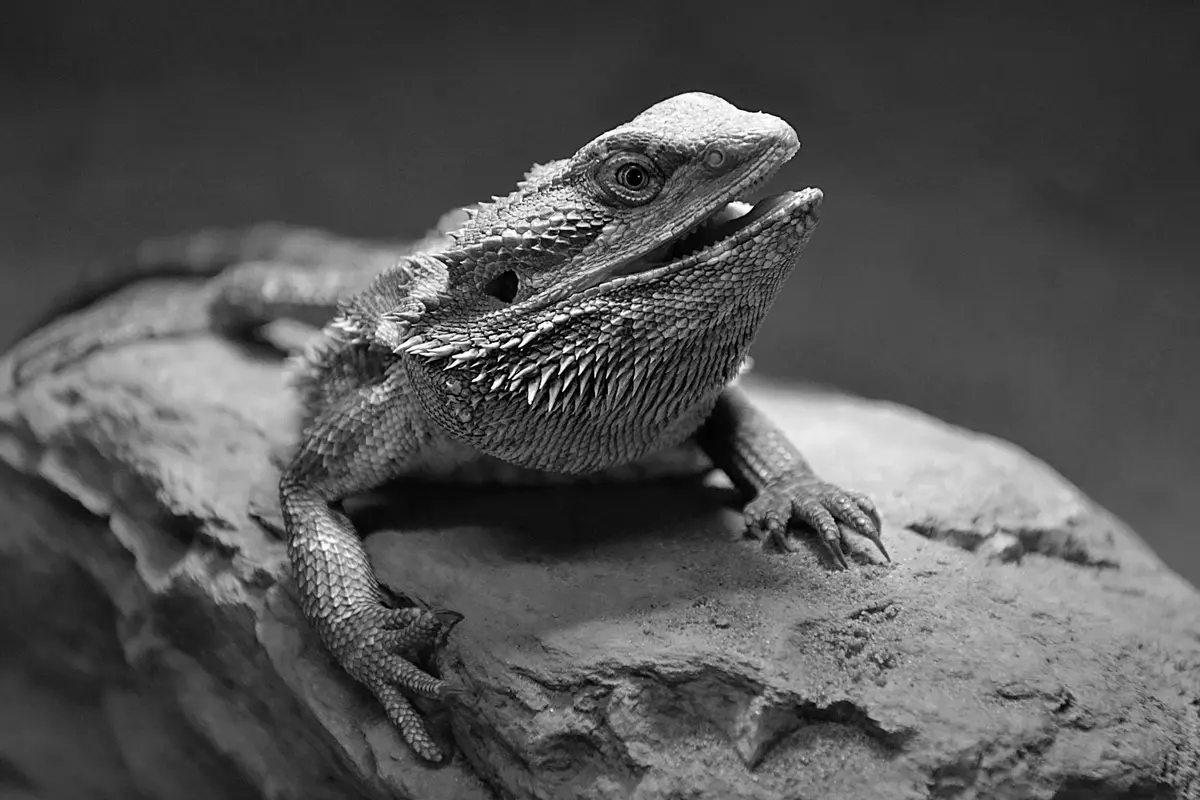
Bathing your bearded dragon can be a bonding experience if you follow a calm, structured routine. I’ve found that sticking to a predictable sequence helps my dragons feel secure and reduces their anxiety. In a complete bearded dragon bathing guide, you’ll find safety tips and shedding guidance, plus how to use tap water. This helps you decide when and how to bathe. Here’s the exact process I use with my own pets.
- Gather all your supplies first: a shallow tub, a digital thermometer, and soft towels.
- Fill the tub with lukewarm water, checking the temperature carefully before your dragon enters.
- Gently lower your bearded dragon into the water, supporting their body fully.
- Stay with them the entire time, speaking in a soft voice to keep them calm.
- Allow them to soak for about 10 to 15 minutes, watching for signs of stress like frantic swimming.
- Lift them out carefully and wrap them in a dry towel to absorb excess moisture.
- Pat them dry gently, paying attention to their legs and underbelly where water can linger.
- Return them to their warm enclosure to prevent any chill.
Always keep sessions short and positive to build trust over time. If your dragon seems overly stressed, end the bath early and try again another day.
Preparing the Bath Water and Environment
Getting the water and space ready is the most critical part of a safe bath. I always double-check the temperature with a reliable thermometer to avoid any risk of burns or chilling. Use water between 29°C and 38°C (85°F to 100°F), which feels warm but not hot to your wrist.
Keep the water depth very shallow-just high enough to cover their legs without reaching their back. This prevents drowning and helps your dragon feel in control. I use a small plastic container that’s easy to clean and doesn’t slip.
- A shallow tub or sink with smooth sides
- Digital thermometer for precise checks
- Soft, absorbent towels for drying
- A non-slip mat or towel under the tub for stability
Executing the Bath Safely
Once everything is set, focus on gentle handling and constant watchfulness. I never take my eyes off my dragons during bath time, as even a calm one can slip or panic suddenly. Follow these steps to keep the experience stress-free.
- Place your bearded dragon slowly into the water, letting them step in if possible.
- Monitor their behavior closely; if they start puffing up or trying to climb out, it might be too stressful.
- Use your hand to cup water over their back if they seem comfortable, but avoid pouring water directly on their head.
- After 10-15 minutes, lift them out with both hands and immediately wrap them in a towel.
- Gently pat them dry, making sure no damp spots remain, especially between their toes.
Handling them with patience tells your dragon they are safe in your care. I’ve noticed my older dragons now associate bath time with relaxation because I keep the routine consistent.
Bathing Setup and Safety Essentials
Your bathing setup directly impacts your dragon’s health and comfort. Choosing the right tools and following safety rules can prevent common accidents and stress. From my experience, a simple, clutter-free approach works best. For bearded dragons, keep baths shallow and warm and supervise at all times to keep them safe. Brief soaks can help with hydration and shedding, but never leave them in deep water.
- Use plain, lukewarm water with no soaps, shampoos, or chemicals.
- Always supervise your dragon-never leave them alone even for a moment.
- Check room humidity; a dry, warm room helps your dragon dry faster and avoid respiratory issues.
- Do not use deep containers or filled sinks that could lead to drowning.
- Keep the bath area quiet and free from loud noises or other pets.
Sticking to these basics has kept my dragons healthy and happy during their soaks. Remember, their safety always comes first.
Choosing the Right Bath Tub and Accessories
Select a tub that’s just the right size for your bearded dragon to sit in comfortably. I prefer shallow plastic bins or reptile-specific tubs with low sides that make escape easy if they feel nervous. Avoid anything too large or slippery.
- Shallow, sturdy containers that are easy to clean
- Non-toxic, smooth materials to prevent injuries
- Optional safe items like a flat rock for grip, but avoid toys that could distract or scare them
In my setup, I skip toys entirely to keep focus on hydration and relaxation. Simple is always safer.
Maintaining Proper Water Temperature and Depth
Water that’s too hot or too cold can harm your dragon quickly. I test the water with a thermometer every single time, as guessing can lead to dangerous mistakes. Aim for 29°C to 38°C (85°F to 100°F), and adjust if the room is cool.
Depth should never exceed your dragon’s elbows when standing. This shallow level lets them feel the bottom and reduces panic. I measure by pouring just enough water to cover their feet and lower legs.
- Use a digital thermometer for accuracy-don’t rely on touch alone
- If the water cools, add warm water slowly while your dragon is out of the tub
- Keep depth under 2-3 inches for adults, and even less for juveniles
Proper temperature and depth are non-negotiable for your dragon’s well-being. I’ve seen how the right setup turns bath time into a calming ritual.
Troubleshooting Common Bathing Problems
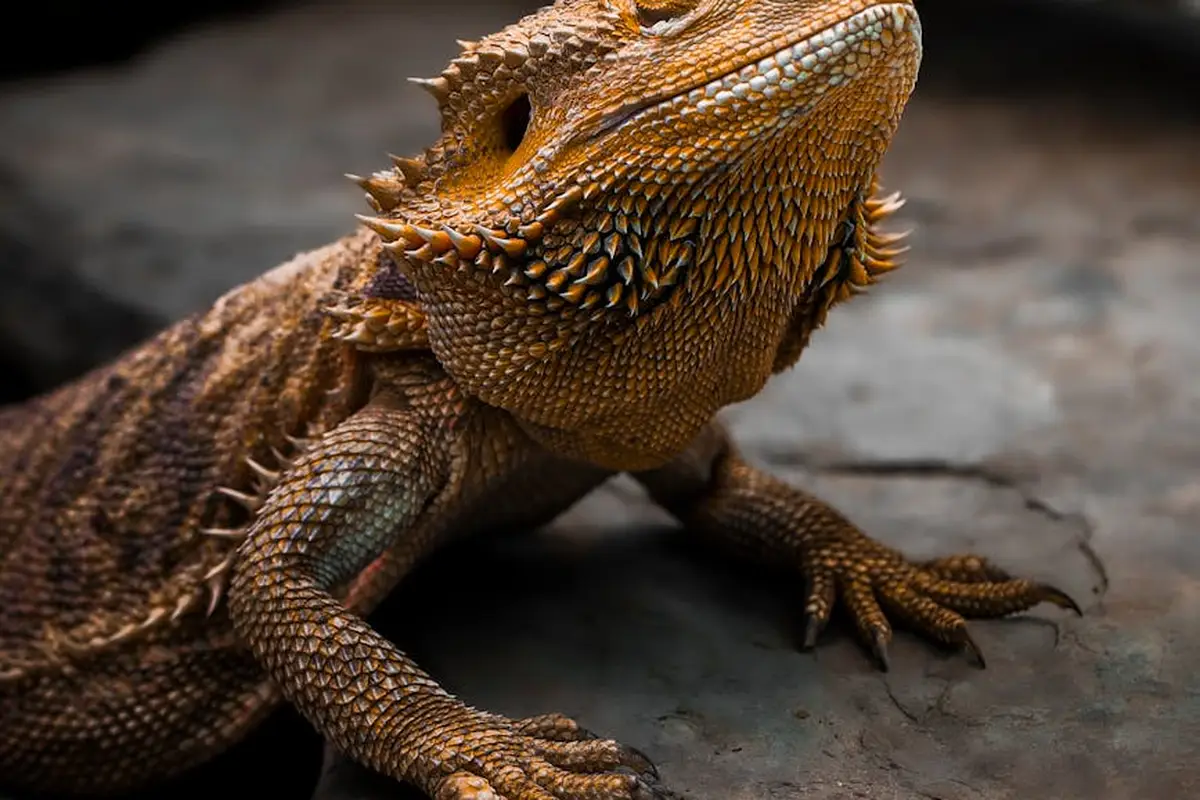
Bath time doesn’t always go smoothly, and that’s okay. I’ve had plenty of sessions where my dragon, Puff, made his displeasure very clear. Recognizing and responding to these issues is a key part of responsible reptile care. For many bearded dragon owners, wondering do bearded dragons pee and what healthy excretion looks like is part of routine care. This quick complete guide to excretion health helps you monitor your dragon’s wellbeing.
- Problem: Your dragon seems stressed or panics.
- Solution: Keep the initial sessions incredibly short-sometimes just 2-3 minutes is enough. Speak to them in a soft, calm voice throughout.
- Solution: Ensure the water is the correct lukewarm temperature. Water that is too cold or too hot is a major stress trigger.
- Problem: Your dragon refuses to get in the water.
- Solution: Place a flat rock or a textured ramp in the bath to give them something secure to grip. A slippery bottom can be frightening.
- Solution: Try a different container. One of my dragons hated a deep tub but was perfectly fine with a shallow, wide baking dish.
- Problem: Safety hazards like slipping or water inhalation.
- Solution: Never fill the water past their shoulders. It should only come up to their armpits when they are sitting.
- Solution> Never, ever leave your bearded dragon unattended during a bath, not even for a moment.
Handling Stress and Avoidance During Bath Time
If your dragon is consistently anxious, you need a gentler approach. Move slowly and avoid sudden shadows over their head. I found that placing a worn t-shirt with my scent in the bottom of the tub can sometimes provide a strange comfort. If they are thrashing, puffing up, or turning black, just stop. It’s not worth the trauma. A stressed-out bath does more harm than good, and you can always try again in a few days.
- Keep your hands in the water with them, letting them rest on your palm for stability.
- Drip water slowly onto their back with your fingers instead of submerging them right away.
- If they remain highly stressed after two attempts, skip the bath and use misting for hydration until they calm down.
Dealing with Hydration and Shedding Challenges
Baths are a fantastic tool for a dragon who is slightly dehydrated or has patches of stuck shed. The warm water hydrates their skin and softens the old shed, making it easier to come off. Always let the shed come off on its own; never pull or pick at it, as you can tear their new, delicate skin. For dragons who truly hate baths but need hydration, you have other options. If dehydration is suspected in your bearded dragon, hydrate a dehydrated bearded dragon gradually with gentle soaks and steady access to fresh water. If dehydration persists, consult a reptile veterinarian for safe rehydration guidance.
- Mist them lightly with a spray bottle directly on their snout so they can lick the water droplets.
- Offer water-rich veggies like cucumber or bell pepper.
- Drip water onto their nose with a syringe or pipette for them to drink.
Special Considerations for Optimal Bathing

Not all dragons have the same needs. Their age, health, and even the time of year can change the bathing game. Being observant and flexible with your routine shows a deeper level of care for your pet’s wellbeing. After any bath, always check the humidity in their habitat with a hygrometer, as a wet dragon returning to a damp tank can lead to respiratory issues. A bearded dragon humidity guide can help you target ideal humidity levels and keep them stable as part of routine maintenance. Regular monitoring and adjustment of humidity are essential for preventing respiratory problems and maintaining a healthy enclosure.
- Adjust frequency for a dragon with diarrhea or a messy cloaca; a gentle bath can help with cleanliness.
- If your dragon is being treated for a medical condition, always ask your vet if bathing is advised.
- Link bathing to habitat cleaning; I often bathe my dragons while I’m doing a deep clean of their enclosure. It keeps them safely occupied.
Bathing for Shedding Support
When you see that skin starting to look dull and flaky, it’s time to increase bath frequency. I typically bump it up to 2-3 times a week during a full-body shed. The goal of a shedding bath is to rehydrate the old skin, not to manually remove it. You might see them rub against the side of the tub or your hand to help loosen it themselves, which is perfectly normal and encouraged.
- Increase bath frequency to every other day during a heavy shed.
- The warm water should help the shed slide off with minimal effort from them.
- Caution against forcing shed off. Pulling at it can cause pain, bleeding, and even lead to infection.
Adjusting Baths for Health and Age
Senior dragons or those with mobility issues may need more frequent, supportive baths to help with joint stiffness and hydration. Conversely, a very sick or weak dragon might not have the energy for a bath and could drown in very shallow water. Trust your gut; if your dragon seems lethargic or unwell, a vet visit is more important than a bath.
- For older dragons, ensure the water is very shallow and that you provide full hand support.
- A dragon with a respiratory infection should not be bathed, as the increased humidity can worsen their condition.
- Signs that bathing isn’t enough include persistent stuck shed, sunken eyes (dehydration), or lethargy. These all warrant a call to your exotic vet.
Frequently Asked Questions
Can I use soap when bathing my bearded dragon?
No, you should never use soap, shampoo, or detergents, as their skin easily absorbs chemicals, which can cause toxicity and serious health issues. Stick to plain, lukewarm water for safe and effective cleaning.
What is the ideal water temperature for a bearded dragon bath in Celsius?
Maintain a temperature between 29°C and 38°C, as water that is too hot or cold can lead to stress, burns, or chilling. Always use a digital thermometer to check the temperature before each bath.
How deep should the water be in a bearded dragon bath?
Keep the water shallow, just deep enough to cover their legs without reaching their back, to prevent drowning and help them feel secure. This typically means a depth of no more than 2-3 inches for adults.
Final Soak Thoughts
Bathing your bearded dragon isn’t about a rigid schedule; it’s about reading their needs. For most adults, a weekly soak hits the sweet spot for hydration and cleanliness. I stick to this routine with my own crew, adjusting for my older dragon who enjoys a good soak a bit more often. Here’s a detailed guide on how to bathe and dry your bearded dragon.
Always prioritize your pet’s comfort and watch their behavior closely. The best schedule is the one that keeps your specific dragon healthy, hydrated, and stress-free. Trust your instincts-you know your scaly friend best.
Further Reading & Sources
- How Often Should You Bathe or Mist Your Bearded Dragon? Expert Answers
- r/BeardedDragons on Reddit: How often should you bathe a bearded dragon?
- How to Bathe a Bearded Dragon | Chewy
Bearded Dragon Lair is the ultimate resource for bearded dragon enthusiasts, offering expert advice and practical tips to ensure the health and happiness of your scaly companion. With years of experience in reptile care, we are dedicated to providing accurate, up-to-date information to support your bearded dragon journey.
Hydration Needs