
Is It Safe to Let Your Bearded Dragon Free Roam? (House & Outdoor Guide)
Published on: March 14, 2026 | Last Updated: March 14, 2026
Written By: Beardie Joe
Seeing your bearded dragon curiously eyeing the world beyond its tank probably has you wondering if a little free roaming adventure is a good idea.
I’ve shared my home with several bearded dragons over the years, and I’m here to walk you through the safety essentials based on my own lived experience.
We will cover how to set up a secure indoor space, the real risks and benefits of outdoor time, and my top safety tips to protect your pet.
Understanding Free Roaming Risks for Bearded Dragons
Free roaming means letting your bearded dragon explore areas outside of their primary enclosure without constant, direct physical restraint. It’s not a simple “open the door and let them go” situation. This activity requires your full, undivided attention and a significant amount of pre-planning to be done safely. I’ve learned this through years of sharing my home with these curious reptiles; their safety is always my top priority.
Before you even consider letting your dragon out, you must perform a quick risk assessment of the environment. Ask yourself: Is the temperature in this room stable and warm enough? Are there other pets in the house that could be startled or see your dragon as prey? Have I checked for and removed any potential hazards? Taking five minutes to scout the area can prevent a lifetime of regret.
Top-Level Hazards: Indoors and Outdoors
- Temperature Extremes: They can overheat quickly or become too cold, leading to lethargy and illness.
- Toxic Substances: Household cleaners, pesticides on lawns, and even some houseplants are poisonous.
- Predators & Other Pets: Dogs, cats, and birds can cause fatal stress or injury, even if they’re “just playing.”
- Escape Routes & Small Spaces: They are masters at squeezing into tiny, unreachable gaps under furniture or behind appliances.
- Falling Hazards: Stairs, table edges, and beds pose a serious risk of injury from a fall.
- Unseen Dangers: Electrical cords, fans, and open bodies of water like toilets are deceptively dangerous.
Indoor Safety: Identifying and Mitigating Household Hazards
Common Indoor Dangers
Your home is full of everyday items that can be perilous for a small, ground-dwelling lizard. I once lost a dragon for twenty terrifying minutes because he found a gap behind the bookshelf I never knew existed. You must get on your hands and knees and see the world from their perspective to spot these threats.
- Electrical Cords: They may look like vines to chew on, risking severe electrocution.
- Fans, Heaters, and Appliances: These can cause burns, limb injuries, or be hiding spots that lead to squashing.
- Stairs and High Furniture: A fall from even a short height can cause broken bones or internal damage.
- Other Family Pets: Always separate them. A dog’s playful nudge can be catastrophic.
- Tight Spaces: Behind the refrigerator, under the couch, inside recliner mechanisms.
- Toxic Items: This includes chemical cleaners, certain houseplants, and loose insulation.
Creating a Safe Indoor Roaming Area
You can absolutely create a secure space for your bearded dragon to enjoy some freedom. I often set up a designated “playpen” in my living room for supervised exploration. The goal is to create a controlled environment where the fun outweighs the risk. You can build a DIY enclosure for even more protection.
- Choose a Single, Contained Room: Start small. A bathroom or a gated-off section of a room is perfect.
- Block All Escape Routes: Use towels to stuff gaps under doors and cardboard to block access behind furniture.
- Remove All Other Pets: Place cats or dogs in another room with the door closed.
- Check for Floor Slipperiness: Tile and hardwood floors are difficult for them to walk on. Lay down a rough-textured blanket, towel, or a rubber-backed bath mat to give them secure footing.
- Do a Final Sweep: Look for dropped pills, strings, or small objects they could accidentally ingest.
Outdoor Safety: Protecting Against Environmental Threats
Predators and Escape Risks
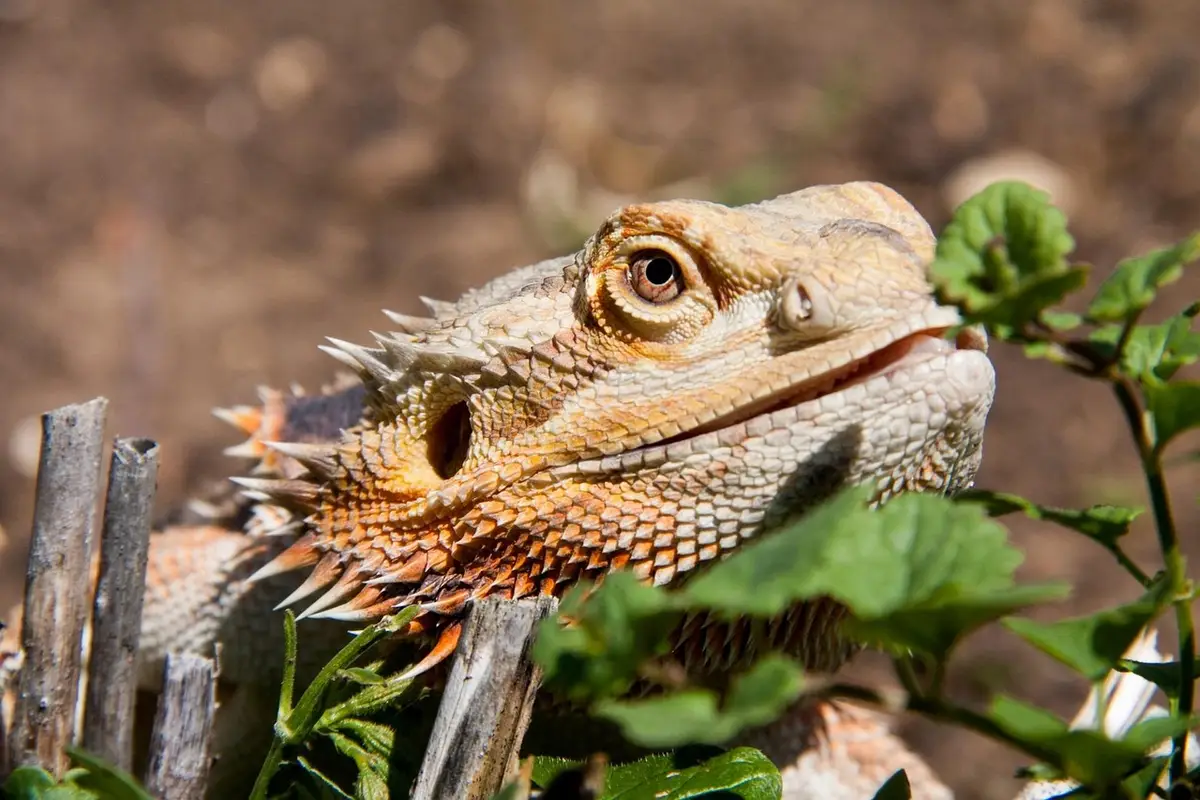
Taking your dragon outside is a fantastic experience, but it opens up a world of dangers you don’t have indoors. I learned this the hard way when a neighbor’s cat, which had never shown interest before, suddenly appeared a little too curious for comfort.
- Birds of prey are a massive threat; a hawk or eagle sees a moving bearded dragon as a quick snack.
- Even friendly family cats and dogs can trigger their hunting instincts in an instant.
- Rodents like rats can be a danger, especially at night if an enclosure is not secure.
The biggest escape risk is their surprising speed and ability to vanish into tall grass or under a deck in a heartbeat. I always use a fully enclosed, roofed playpen for any outdoor time. A simple fence is not enough; they are adept climbers and can scale many surfaces you’d think are safe.
Weather and Environmental Factors
Your dragon’s desert-adapted body is not built for the fluctuating conditions of a typical backyard. What feels like a pleasant day to you can be extreme for them.
- Temperature extremes are a silent killer. Pavement can burn their bellies in minutes, and a sudden cloud cover can cause their body temperature to plummet.
- While they need UVB, natural sun is far more intense than their indoor bulb. They must always have access to deep shade to self-regulate and avoid overheating.
- Humidity levels from rain or sprinklers can lead to respiratory infections.
- Pools, ponds, and even buckets of water are drowning hazards; they cannot swim well.
- Toxic plants are everywhere. Common ones like lilies, azaleas, and oleander can be fatal if ingested. Always know what’s growing in your space.
Direct, unfiltered sun is fantastic for their health, but only when they have complete control over their exposure. I treat the outdoors like a controlled experiment, not a free-for-all.
Supervision and Training for Safe Free Roaming
Effective Supervision Techniques
Supervision isn’t just about being in the same room; it’s about active, engaged watching. The level of attention required changes with the environment.
- Direct Supervision means your eyes are on your dragon the entire time, with no distractions like your phone. This is mandatory for all outdoor and new indoor roaming sessions.
- Limited Supervision might be possible in a fully, and I mean fully, dragon-proofed room you’ve used many times before. You can read a book, but you must be checking on them constantly.
Watch for signs of stress like a black, darkened beard, frantic glass-surfing, or a flattened, pancake-like body posture. If you see these, the roaming session is over, and it’s time to return to the safe familiarity of their enclosure. Their comfort is more important than their freedom.
Training Your Bearded Dragon
You can’t train a bearded dragon like a dog, but you can build positive associations and teach them to tolerate safety gear. This process requires immense patience. By taking it slow and rewarding calm behavior, you can get your bearded dragon to like being handled and build trust. Building trust makes future training and safety gear acceptance much smoother.
Start by letting them just see and smell the harness for short periods inside, offering a favorite treat like a piece of squash. The next step is draping the harness loosely over their back for a few seconds. The goal of harness training is to create a neutral, non-scary experience, not to force them into something they hate. Once they’re comfortable with the harness, you can begin safe outdoor time in a secure yard or balcony under close supervision. Keep sessions brief, watch for overheating, and only extend time as they stay calm and relaxed. It took one of my dragons weeks to accept it, while another never did—and that’s okay. We found other ways to enrich his life.
- Create enrichment trails indoors with different textured towels and rocks to explore.
- Hide their favorite greens or roaches under a paper cup for them to “hunt.”
- Use cat trees or secure climbing structures to engage their natural climbing instincts.
Making roaming engaging turns it from a risky activity into a stimulating part of their care routine. You are building a bond of trust, one safe adventure at a time.
Health and Environmental Considerations During Roaming
Maintaining Optimal Health
When your bearded dragon is out of their tank, their core needs don’t just disappear. You become their mobile life support system. I always set up a temporary basking spot with a low-wattage heat lamp on a timer in their favorite roaming corner. This gives them a warm place to return to for digestion and prevents their body temperature from dropping dangerously low. Since bearded dragons are cold-blooded, they rely on external heat sources to regulate their body temperature.
UVB exposure is the trickiest part of free roaming. They simply cannot process calcium without it. I never let a roaming session extend beyond 15-20 minutes without ensuring they’ve had their proper UVB time in their main enclosure earlier in the day. Think of roaming as a bonus activity, not a replacement for their essential habitat setup.
Hydration is another silent concern. They won’t always seek out water. I keep a very shallow dish of water in their play area and gently mist their snout with water every so often. Watch for signs of dehydration like sunken eyes or loose skin; that’s your cue to end the session and offer a hydrating snack like cucumber.
- Monitor Heat: Use a digital thermometer in the room. The ambient temperature should not fall below 75°F (24°C). Provide a temporary basking spot that reaches 95-100°F (35-38°C).
- Monitor UVB: Limit unsupervised roaming time. Ensure they get their full 10-12 hours of UVB exposure in their primary enclosure daily.
- Monitor Hydration: Offer a shallow water dish. Mist their nose. Watch for lethargy or loss of skin elasticity.
You need to know when a fun time has turned into a vet visit. Any major shift in behavior is a red flag. If your dragon becomes lethargic, stops eating after a roaming session, or has a change in their droppings, it’s time to pause the free time and call your reptile vet. Lethargy is a common reason owners worry, because it can signal several routine issues. Typical culprits include cold temperatures, dehydration, or digestive problems like impaction. Respiratory infections can start from a single drafty window, and impaction can happen from ingesting a single stray object. Trust your gut; you know your pet best.
Assessing Your Dragon’s Suitability
Not every bearded dragon is cut out for the adventurous life of free roaming. It truly depends on their individual personality and health. Some aren’t as active, and that’s perfectly fine. My oldest dragon, Puff, was a calm, curious explorer from day one. My younger one, Spike, was skittish and easily stressed; for him, a large playpen was a much better fit.
- Age: Juveniles are often too fast, nervous, and difficult to track. I find adults (over 18 months) are calmer and more predictable.
- Personality: Is your dragon naturally curious and calm when handled? Or do they panic and glass-surf? A confident dragon is a better candidate.
- Health: Dragons with existing health issues, especially respiratory or mobility problems, should have very restricted, closely supervised roaming.
- History: A rescued dragon with an unknown past may have fears you don’t understand. Proceed with extreme caution.
The key to success is a slow introduction. Don’t just plop them in the middle of the living room and hope for the best. Start with very short, 5-minute sessions in a small, dragon-proofed area and let them set the pace. Sit with them, talk to them, and let them explore your presence as part of the new environment. Gradually increase the time and space as they show comfort and curiosity, not fear.
Alternatives to Full Free Roaming for Enrichment
If the risks of full free roaming make you nervous, you have fantastic options. I use all of these regularly to keep my dragons engaged without the high stakes.
- Supervised Playpens: A puppy playpen or a large plastic kiddie pool lined with a clean towel is perfect. This creates a massive, safe boundary where they can explore without you worrying about them vanishing under the couch. You can add climbable rocks, branches, and novel items for them to investigate.
- Portable Enclosures: For longer “outings,” I sometimes set up a spare, smaller tank with a heat lamp. This is great for letting them enjoy a sunny spot by a window for an hour or two while still being fully contained and safe.
- Leash Walks Outdoors: A proper reptile harness is a must. This allows for controlled, safe exploration of the outdoors, providing incredible mental stimulation from new smells, sights, and the feeling of real sunlight. Always stay in a pesticide-free area and watch for birds of prey.
- “Tabletop” Exploration: Clear off a sturdy table, desk, or even your bed. Let them roam this confined, elevated space with you sitting right there. It’s a simple, low-risk way to break the monotony.
These methods drastically reduce the chances of injury, escape, or exposure to toxins. Enrichment isn’t about giving total freedom; it’s about providing novel, safe experiences that engage their natural behaviors. A happy dragon is a stimulated dragon, and that can absolutely happen within the secure boundaries you create for them.
Frequently Asked Questions
How often can I let my bearded dragon free roam indoors?
Start with short, supervised sessions of 5-10 minutes a few times a week, gradually increasing frequency if your dragon remains calm and stress-free. Always ensure the environment is safe and closely monitor their behavior to avoid overstimulation. Make sure to calm a stressed bearded dragon if needed.
Is it possible to potty train a bearded dragon for free roaming sessions?
Bearded dragons cannot be fully potty trained, but they often develop predictable bathroom habits; placing a shallow dish with paper towels in their roaming area can help contain messes and simplify cleanup after sessions. Tracking urination is part of their excretion health, and a complete guide covers what is normal and when to seek veterinary care.
How can I tell if my bearded dragon is happy while free roaming?
Look for signs like relaxed body language, steady movement without frantic pacing, and curious behaviors such as tongue flicking or gentle head tilts; a content dragon will explore calmly and show no stress indicators like a darkened beard. These cues align with the 10 signs that your bearded dragon is happy and content. If you’re wondering “do I make my bearded dragon happy?”, watching for these signs can help confirm you’re keeping a content pet.
Final Thoughts
The choice to let your bearded dragon free roam comes down to a careful balance between their enrichment and their absolute safety. I’ve learned through my own dragons that a supervised, well-prepared adventure is a wonderful treat, but an unsupervised one is an unnecessary gamble with their health. It’s essential to know what they need to thrive before allowing them any freedom outside of their enclosure.
Ultimately, your role as their keeper is to manage the risks so they can enjoy a little controlled freedom. With a watchful eye and a meticulously prepared space, you can give them a stimulating change of scenery without compromising their welfare.
Further Reading & Sources
- Free roam beardie – Enclosures & Setups – MorphMarket Reptile Community
- r/BeardedDragons on Reddit: Is it possible to have a permanently free roaming bearded dragon?
- r/BeardedDragons on Reddit: thoughts on a free roaming dragon?
Bearded Dragon Lair is the ultimate resource for bearded dragon enthusiasts, offering expert advice and practical tips to ensure the health and happiness of your scaly companion. With years of experience in reptile care, we are dedicated to providing accurate, up-to-date information to support your bearded dragon journey.
Safe Outdoor Exploration