
How Do I Make My Bearded Dragon Happy? (10 Signs of a Content Pet)
Published on: March 8, 2026 | Last Updated: March 8, 2026
Written By: Beardie Joe
You look at your bearded dragon and wonder-is that calm basking a sign of true happiness, or just instinct?
After caring for my own group of beardies for years, I can help you read their unique body language and meet their needs.
I will show you 10 specific, easy-to-spot signs that your pet is not just healthy, but genuinely content.
Understanding Bearded Dragon Happiness
Bearded dragon happiness looks different from a dog’s wagging tail or a cat’s purr. Reptilian contentment is quieter, more subtle, and deeply tied to their environment and physical well-being. Their satisfaction is often shown through a consistent state of calm, healthy biological functions, and a willingness to engage with their world.
A happy, healthy bearded dragon has a predictable baseline of behavior. They are alert during the day, bask regularly, eat with gusto, and have clear, bright eyes. Their body appears full and robust, not thin or lethargic. Understanding this healthy baseline helps you spot signs of illness. Deviations like reduced appetite, lethargy, sunken eyes, or swelling can signal sickness.
I’ve noticed with my own dragons that a content one will simply “look right” in its enclosure. It’s not frantic or hiding constantly. It’s just comfortably existing, going about its daily routine of basking, exploring a little, and watching the room with mild interest. This peaceful daily rhythm is the ultimate sign of a reptile thriving, not just surviving.
10 Key Signs Your Bearded Dragon is Content
Active and Alert Demeanor
You want to see a dragon that perks up when you approach. Look for bright, curious eyes that track movement. They often raise their head high to get a better view of their surroundings. This alertness shows they are mentally engaged and not lethargic or ill.
A responsive dragon that moves with purpose is a dragon feeling secure and healthy in its home.
Healthy Appetite and Eating Habits
A content beardie is an enthusiastic eater. They should readily chase down live insects like crickets or dubia roaches. They should also munch on their daily salad of greens and veggies. A varied diet is key to their health and happiness.
Seeing your dragon charge after its food is one of the most straightforward and rewarding signs of a happy pet.
Comfortable Basking Behavior
Watch for your dragon lounging flat under its heat lamp, often with its mouth slightly open in a relaxed “gape.” This is them perfectly thermoregulating. Proper basking is non-negotiable for their digestion and overall mood.
A dragon that spends a good portion of its day in a calm, flattened basking pose is a dragon in its comfort zone.
Calm and Willing Handling
A happy beardie will not scramble to escape or puff up its beard in fear when you go to pick it up. They might even seem curious, gently climbing onto your hand. Trust is built slowly with gentle, consistent handling.
When your dragon sits calmly in your lap or on your shoulder, you know you’ve built a bond based on security.
Exploratory and Curious Nature
Look for small signs of curiosity. This includes climbing on branches, investigating a new rock, or intently watching activity outside the tank. This engagement is a form of mental stimulation.
Providing a stimulating environment with things to climb on and explore directly fuels their natural curiosity and prevents boredom.
Smooth Shedding Process
Shedding is stressful, but a healthy, hydrated dragon will shed its skin in large pieces over a few days without much issue. Difficult, patchy sheds can signal poor health or incorrect humidity. You can help by offering warm baths. Sometimes a bearded dragon can get a stuck shed, especially on the toes. If that happens, a longer warm soak and gentle, careful rubbing can help loosen the skin; avoid pulling.
An easy shed is a powerful indicator that your dragon’s fundamental health and habitat needs are being met.
Consistent and Healthy Digestion
A happy gut means a happy dragon. They should produce waste regularly, and it should look firm and well-formed. Good digestion relies on two things: a proper diet and the right UVB lighting to process their food.
Regular, healthy poops are a behind-the-scenes sign that your husbandry is spot-on.
Relaxed Body Language
This is the opposite of stress. A relaxed dragon has a flat body, not puffed up. Its beard is its natural color, not black. It rests peacefully, sometimes even with its back legs splayed out in a funny, comfortable-looking pose. Look for stressed-spot signs—like a puffed body or a dark beard—that tell you anxiety is rising. Addressing these signals early and maintaining a calm, stable setup can help reduce their anxiety.
This calm posture is a clear message that your dragon feels completely safe and unthreatened in its environment.
Engagement with Environment
Notice if your dragon uses the items in its tank. Does it sleep in its hide? Climb on its log? Dig in its substrate? This shows they see the enclosure as their territory, not just a cage. Rearranging items occasionally can renew their interest.
A dragon that interacts with its home is a dragon that feels ownership and security in its space.
Vocal and Physical Cues of Contentment
Bearded dragons are mostly silent, but they have subtle communications. Bearded dragons can hear, and sound or vibration cues can influence their behavior. Understanding how they hear helps us interpret their communication. A slow, gentle head bob can be a sign of acknowledgment or calm dominance. A slow arm wave is often a submissive, “I come in peace” signal.
Learning to interpret these quiet gestures helps you understand your dragon’s unique personality and mood.
Creating the Ideal Habitat for Happiness
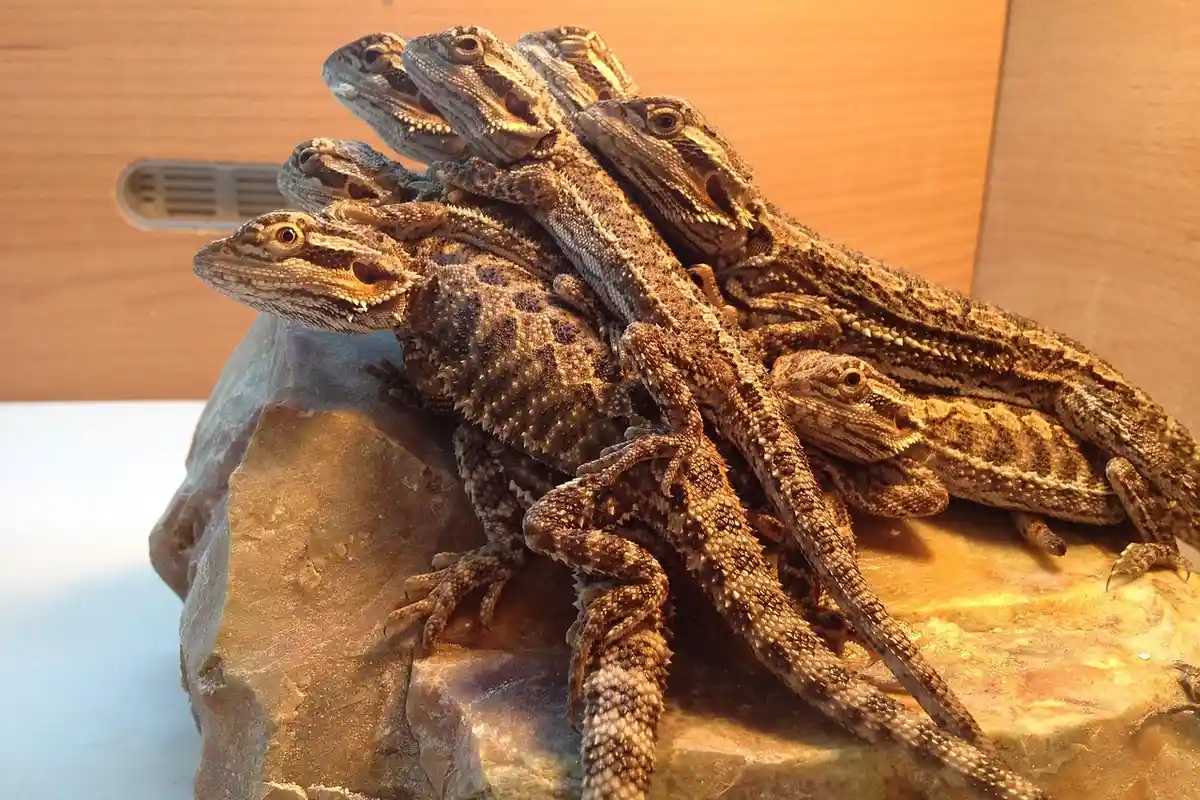
Think of your dragon’s enclosure as their entire world. Getting this space right is the single biggest factor in their day-to-day joy. A cramped or poorly designed tank is a direct source of stress, while a well-appointed one allows their natural, curious behaviors to shine.
Enclosure Size, Substrate, and Layout
- Enclosure Size: For an adult, the absolute minimum is a 4x2x2 foot (120-gallon) enclosure. I upgraded my dragon, Puff, to this size and the difference was night and day. He started glass surfing less and exploring more.
- Substrate Choices: This is a big one for safety. I strongly advise against loose substrates like sand or soil mixes for beginners. They can cause impaction if ingested. Safer, easier alternatives are reptile carpet, ceramic tile, or non-adhesive shelf liner. Tile is my personal favorite-it’s easy to clean and files down their nails naturally.
- Layout: Create a landscape! Don’t just put a rock in an empty box. Use sturdy branches for climbing, flat rocks for basking, and artificial plants for enrichment. They love having things to navigate around.
Lighting and Heat: The Non-Negotiables
Reptiles don’t just enjoy warmth and light; they depend on it for their very survival. Getting this wrong can make a dragon very sick and unhappy.
- UVB Lighting: You need a long, tube-style UVB light that covers about half to two-thirds of the enclosure. This light is critical for them to process calcium and avoid metabolic bone disease, a common and tragic ailment. Replace the bulb every 6-12 months, even if it still turns on, as the UV output diminishes.
- Heat Lamp & Basking Spot: Your dragon needs a dedicated basking spot under a heat lamp (a simple halogen floodlight works great). The surface temperature of this spot should be between 95-110°F for adults. I use a digital thermometer with a probe to check the actual surface temperature, not just the air.
Temperature Gradients and Hide Spots
Your dragon’s tank should not be one uniform temperature. They need choices.
- The Gradient: One end is the hot basking spot. The other end, the “cool side,” should be around 80-85°F. This allows your dragon to self-regulate its body temperature by moving between the zones.
- Hide Spots: Provide at least two hides-one on the warm end and one on the cool end. Even the most social dragon needs a private, secure place to retreat and feel safe. When I added a second, snug hide on the cool side, I noticed Puff sleeping more soundly and seeming far more relaxed during the day.
Nutrition and Hydration for a Thriving Dragon
Feeding your bearded dragon is about so much more than just filling their belly. A balanced, varied diet is the cornerstone of their health, coloration, and energy levels. I’ve seen dull, lethargic dragons completely transform with a proper nutritional overhaul. If you’re wondering about a complete feeding guide for pets and how that stacks up against what wild bearded dragons eat, this topic has you covered. It outlines the core components of a balanced diet and practical tips for daily feeding.
A Balanced Diet: Greens, Bugs, and Supplements
- Greens & Veggies: A daily salad is a must. Favorites in my house are collard greens, dandelion greens, and butternut squash. Avoid iceberg lettuce-it’s just water with no nutritional value.
- Live Insects: These are a crucial protein source. Crickets, dubia roaches, and black soldier fly larvae are excellent staples. Always gut-load your insects (feed them nutritious food) 24 hours before offering them to your dragon to pass on those nutrients.
- Calcium & Vitamins: Dust insects with a calcium powder (without D3 if your UVB is correct) 4-5 times a week. A multivitamin powder should be used 1-2 times a week. This simple step prevents devastating deficiencies.
Feeding Schedules and Portions
Their dietary needs change dramatically as they grow.
- Babies/Juveniles (0-12 months): They are growing machines! Offer protein (insects) 2-3 times daily, as many as they can eat in a 10-15 minute window. Always have a fresh salad available.
- Adults (18+ months): Their diet shifts to mostly greens. Offer a salad daily and protein (insects) only 2-3 times per week. Overfeeding insects to an adult leads to obesity and fatty liver disease.
Hydration Methods
Bearded dragons often don’t recognize standing water, so we have to get creative to keep them hydrated.
- Misting: I lightly mist my dragon’s salad with water every morning. He drinks the droplets off the greens. You can also gently mist their snout; they’ll often lick the water off.
- Baths: A lukewarm bath once a week helps with hydration and can aid with shedding. Never leave your dragon unattended in water, and keep the water level shallow-no deeper than their elbows.
- Hydration Bowls: Some dragons will learn to drink from a shallow, sturdy water bowl. It’s worth trying, but don’t rely on it as their sole source of water. Keep the water fresh and clean.
Advocating for Quality and Variety
Feeding the same three foods over and over is like eating a plain sandwich every single day. It’s boring and nutritionally incomplete.
- Rotate your greens weekly between collards, mustard greens, turnip greens, and escarole.
- Switch up your insect feeders. Offer dubia roaches one week, crickets the next, and some tasty hornworms as a treat.
- I am a huge advocate for sourcing insects from reputable breeders who prioritize the health of the feeders, because a healthy feeder makes for a healthier dragon. It’s a simple but powerful chain of welfare.
Bonding and Gentle Interaction Techniques
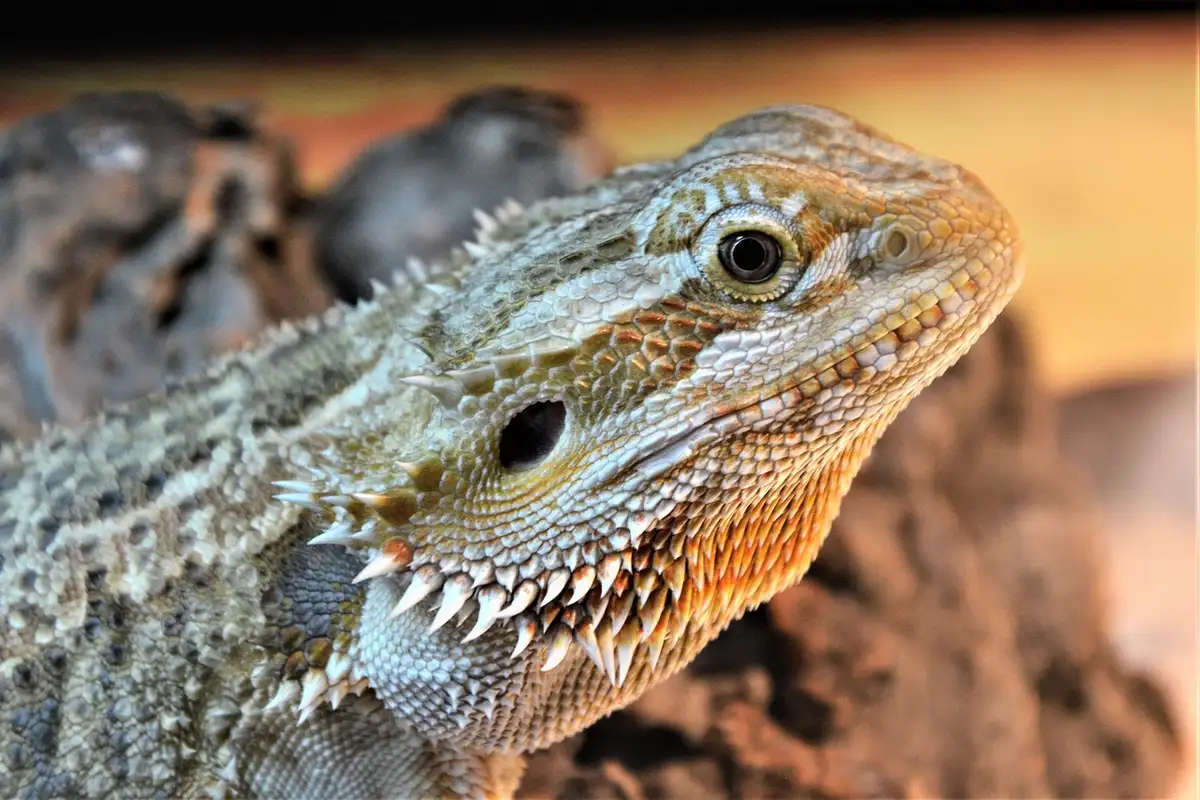
Building a bond with your bearded dragon is one of the most rewarding parts of being a pet owner. Trust isn’t built in a day, but through consistent, gentle interactions that show you are a source of safety, not stress. To get your bearded dragon to like you and build trust, keep sessions short, calm, and positive. With time and consistency, many beardies transition from wary youngsters to confident pets that eagerly climb onto your hand. I’ve raised several beardies from skittish juveniles to adults that eagerly climb onto my hand.
Steps for Safe and Calm Handling Sessions
- Always approach from the front and below their line of sight. Coming from above can look like a predator attack.
- Move in slow, predictable motions. Slide your hand gently under their chest and front legs.
- Lift with a fully supported body. Let their legs and tail rest on your palm and arm.
- Keep initial sessions short-just five to ten minutes is perfect for a beginner.
- Always handle them close to a soft surface, like a couch or bed, in case they decide to jump.
Reading Their Comfort Levels
Your dragon talks to you with its body language. Learning to listen is key to a happy relationship.
- Content Signs: A relaxed posture, calm and even breathing, and one eye casually watching you. They might even close their eyes briefly, a sign of ultimate trust.
- Stress Signs: A blackened beard (especially in females), a flattened body, rapid head bobbing, or a gaping mouth without heat are clear “I’m not comfortable” signals. If you see these, gently return them to their enclosure.
I had one dragon, Puff, who would puff up his beard every time I wore a black hat. Once I learned his specific fear, I could avoid it, and our bond grew stronger.
Supervised Exploration Time
Beardies are curious! Letting them explore a secure, beardie-proofed room provides fantastic mental stimulation.
- Ensure the room is warm and free of other pets.
- Block off small spaces where they could get stuck.
- Watch for electrical cords and anything they might try to nibble.
- I often sit on the floor and let my dragons wander over to me. This lets them initiate contact on their terms.
Enrichment and Mental Stimulation Strategies
A bored bearded dragon is an unhappy one. In the wild, they spend their days foraging, climbing, and exploring; we need to replicate that engaging lifestyle in their enclosure. A stimulated dragon is more active, healthier, and displays brighter colors. Bearded dragons can show signs of depression when bored or stressed. Recognizing sadness and boredom helps us keep them healthy and engaged.
Toys, Structures, and Novel Items
- Climbing Structures: Reptile hammocks are a huge hit. Also provide sturdy branches, ramps, and reptile-safe rock piles.
- Digging Box: A small container filled with organic topsoil or children’s playsand gives them a place to exhibit natural digging behaviors.
- Novel Items: Introduce new things for them to investigate! A clean, smooth river rock, a crinkly ball (too large to eat), or a new hideout can spark curiosity.
The Balance of Routine and Variation
Beardies thrive on a predictable routine for feeding and lights. Within that safe structure, small variations prevent monotony. Try moving their furniture around every few weeks to create a “new” environment. Change the type of greens you offer to provide different textures and tastes.
Clean and Safe Enrichment is Non-Negotiable
Anything you put in the enclosure must be safe if licked or nibbled. I avoid anything with sharp edges, loose fibers, or small, swallowable parts. All items should be easy to clean with a reptile-safe disinfectant to prevent the buildup of bacteria.
Simple DIY Enrichment Projects
You don’t need to spend a lot of money to make your dragon’s life interesting.
- The Salad Ball: I often poke holes in a hollow, reptile-safe ball and put a few pieces of chopped greens inside. They get a fun puzzle to roll around for a food reward.
- Textured Tile: A simple slate tile placed on the cool side of the tank files their nails down naturally and provides a neat new texture to walk on.
- Paper Fort: Crumple up plain brown packing paper into a loose ball and place it in their enclosure. They love pushing it around and burrowing through the tunnels.
Recognizing and Addressing Unhappiness
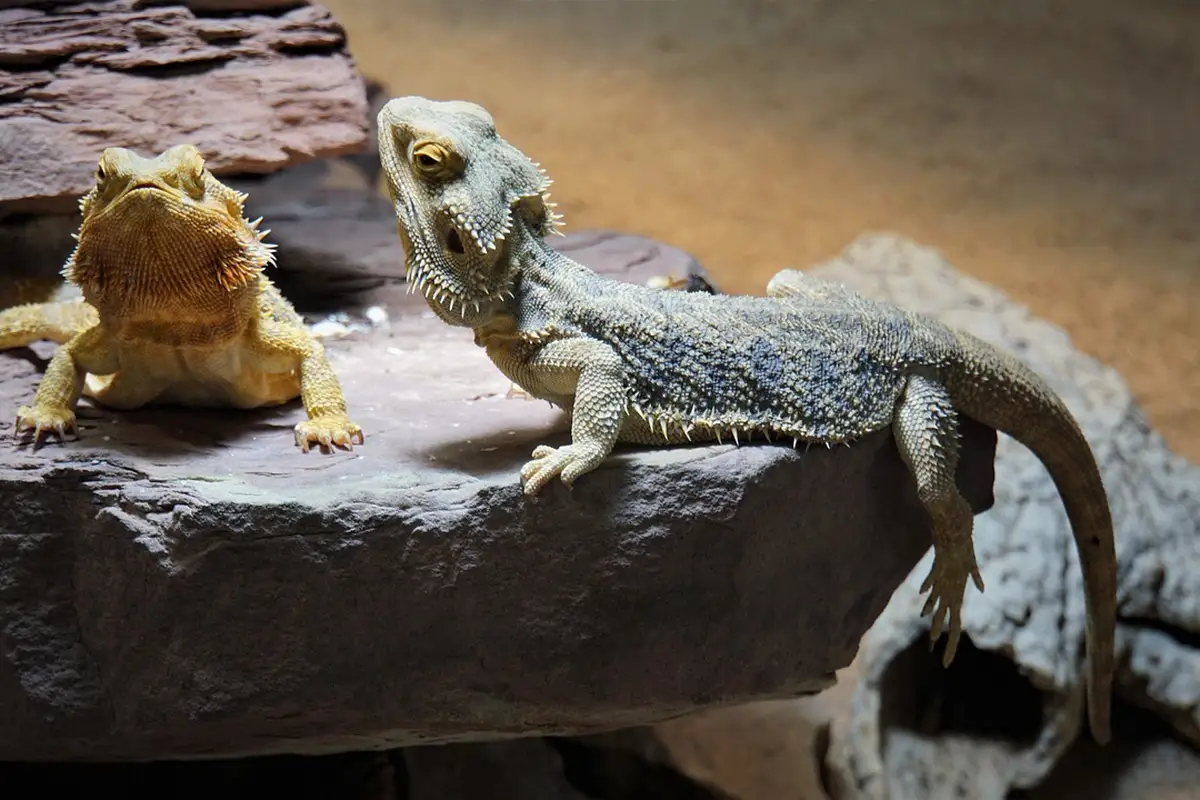
Even with the best care, our scaly friends can sometimes feel a bit off. Spotting the early signs of stress is your first and most powerful tool for getting them back to their happy, curious selves. I’ve learned to watch my own dragons like a hawk for these subtle shifts.
Common Signs of Stress and Discontent
Bearded dragons are terrible at hiding their feelings. Their bodies and behaviors tell you everything. Sometimes bearded dragons hide when they’re concerned or stressed. Understanding these cues can explain why your dragon is hiding. Look out for these red flags:
- Loss of Appetite: A dragon skipping one meal is normal; refusing food for several days is a loud cry for help.
- Lethargy and Hiding: While they do nap, a dragon that spends all day buried and doesn’t perk up for food or handling is signaling a problem.
- Glass Surfing: Frantically scratching at the tank walls usually means they’re stressed by their reflection or their environment is wrong.
- Stress Marks: Dark, irregular patterns on their belly, especially when not basking, are a classic sign of anxiety.
- Black Beard: A beard that turns jet black (not just dark) can indicate pain, territorial stress, or serious illness.
When It’s Time to Call the Vet
Some issues are simply beyond our home-care expertise. Never hesitate to consult a reptile-savvy vet if you see signs of potential illness; early intervention saves lives. Based on my own frantic vet visits, here’s when to make the call:
- No eating or pooping for more than a week.
- Runny, foul-smelling, or bloody stools.
- Limping, swelling, or any sign of physical injury.
- Persistent black beard accompanied by lethargy.
- Sunken eyes or wrinkled skin, which can signal severe dehydration.
- Wheezing, mucus around the mouth or nose, or breathing with an open mouth.
Quick Fixes for Minor Discontent
Often, a little tweak is all it takes to turn a frown upside down. Before you panic, run through this simple checklist of common and easily solvable problems. I do this mental run-through anytime one of my dragons seems grumpy.
- Check the Temperatures: Is the basking spot around 95-110°F? Is the cool end in the 80s? An inaccurate thermometer is a top happiness killer.
- Evaluate the UVB: Is your UVB bulb older than 6 months? Even if it still lights up, it stops producing the necessary rays. This is a silent happiness drain.
- Offer a Bath: A lukewarm bath can soothe a constipated or stressed dragon and often prompts a relieving poop.
- Rearrange the Furniture: A simple change in their habitat layout provides new mental stimulation and can break the cycle of boredom or reflection-stress.
- Check for Reflections: Cover the outside of the glass on three sides if your dragon is glass surfing. It makes their world feel safer and more defined.
Proactive Care for Long-Term Happiness
True happiness isn’t about fixing problems as they arise; it’s about preventing them in the first place. Building a consistent, enriching routine is the ultimate gift you can give your pet for a long, content life. This is the philosophy I live by with my own dragon crew.
- Stick to a daily and weekly cleaning schedule to keep their home pristine.
- Provide a varied diet of greens and live insects, dusted with the right supplements.
- Mark your calendar to replace UVB bulbs every 6 months, without fail.
- Schedule regular, gentle handling sessions to build trust and companionship.
- Continuously observe and learn your dragon’s unique personality and preferences.
Frequently Asked Questions
What is brumation, and how can I support my bearded dragon during this period?
Brumation is a natural dormancy period similar to hibernation, where bearded dragons may eat less, sleep more, and become less active, typically in cooler months. Brumation is a normal process for many bearded dragons, especially adults. It isn’t inherently bad for them when kept under proper conditions, but watch for signs of illness and seek veterinary advice if you’re unsure. To support them, ensure their habitat remains stable with proper temperatures, offer fresh water regularly, and avoid handling unless necessary to reduce stress.
Are live plants safe to include in my bearded dragon’s enclosure, and which species are recommended?
Yes, non-toxic live plants can add enrichment and improve humidity, but choose safe options like hibiscus, spider plants, or aloe vera to avoid ingestion risks. Always research each plant’s safety, use organic soil without pesticides, and monitor for any chewing behavior to prevent health issues.
How can I prevent obesity in my adult bearded dragon?
Prevent obesity by feeding a diet focused on leafy greens and vegetables, with insects limited to 2-3 times per week, and ensuring portion control based on their size. Combine this with a spacious enclosure for exercise and regular health checks to maintain an ideal weight and overall well-being.
Your Happy, Healthy Dragon Awaits
Creating a happy life for your bearded dragon boils down to consistent, quality care and your loving attention. By focusing on a proper habitat, a nutritious diet, and regular, gentle interaction—basics outlined in a complete care checklist—you are building the foundation for a truly content pet.
When you see those signs of happiness-the relaxed “pancake” pose, the bright, curious eyes, the healthy appetite-you’ll know your efforts are paying off in the best way possible. From my own experience, there’s no better feeling than seeing your scaly friend thrive under your care.
Further Reading & Sources
- r/BeardedDragons on Reddit: How can I tell if my bearded dragon is happy?
- Sign of happiness or stress? : r/BeardedDragons
- How to Keep Your Bearded Dragon a Happy Reptile | Blue Lake Animal Hospital | Pet Doctor Near Grand Rapids
Bearded Dragon Lair is the ultimate resource for bearded dragon enthusiasts, offering expert advice and practical tips to ensure the health and happiness of your scaly companion. With years of experience in reptile care, we are dedicated to providing accurate, up-to-date information to support your bearded dragon journey.
Temperament Insights