How Often Should a Bearded Dragon Poop? Your Age-by-Age Guide
If you’ve ever found yourself anxiously checking your bearded dragon’s tank for droppings, you’re asking the right question.
As an owner of multiple beardies with years of hands-on reptile care, I’m here to give you the clear, straightforward answers you need.
This guide will walk you through healthy pooping frequencies for every life stage, explain the common reasons for changes, and show you exactly when it’s time to call a vet.
Bearded Dragon Poop Frequency by Age
Your dragon’s bathroom schedule is a direct reflection of their age, metabolism, and diet. Just like human babies, the littlest dragons have the fastest internal engines and, consequently, the most frequent output. I’ve raised several from tiny hatchlings to stately adults, and watching this rhythm evolve is a fascinating part of their care.
Here is a quick-reference guide to what you can typically expect:
| Age Group | Typical Poop Frequency | Primary Reason |
|---|---|---|
| Baby (0-6 months) | 1-3 times per day | Rapid growth and high-protein insect diet |
| Juvenile (6-12 months) | Every 1-2 days | Metabolism begins to slow; diet includes more greens |
| Adult (12+ months) | Every 2-7 days | Slower metabolism and established, varied diet |
Baby Bearded Dragons (0-6 Months)
Baby beardies are absolute eating machines. They need a ton of protein to fuel their incredible growth rate. With all that food coming in, something has to come out, and it does so with impressive regularity. It’s completely normal for a healthy baby to produce waste once, twice, or even three times a day.
I remember checking on my baby dragon, Ember, first thing every morning and almost always finding a fresh deposit. For babies, consistent daily pooping is a strong sign they are digesting properly and absorbing all those vital nutrients. If a baby goes more than a day without pooping, it’s a good idea to start paying closer attention to their behavior and diet.
Juvenile Bearded Dragons (6-12 Months)
This is the “teenage” phase where things start to settle into a new rhythm. Their growth begins to slow from its initial explosive pace. You’ll likely notice a shift from multiple daily poops to a more predictable schedule of once every day or two.
This change is also driven by diet. You’re probably offering more leafy greens and vegetables alongside their insects. This increase in fibrous plant matter takes a bit longer to process than a straight protein diet. Don’t be alarmed if the frequency drops; it’s a natural part of their maturation.
Adult Bearded Dragons (12+ Months)
Once your dragon hits adulthood, their metabolism really calms down. An adult bearded dragon pooping every few days, or even just once a week, is often perfectly normal and not a cause for panic. Their bodies are incredibly efficient at extracting moisture and nutrients from their food. This is why you shouldn’t worry about feeding them too frequently.
My adult dragon, Smaug, sometimes goes four or five days between movements, especially during the cooler months when he’s a bit less active. The key is to know your dragon’s personal normal; a consistent pattern, even if it’s infrequent, is usually a good sign. We’ll cover when to worry about infrequent pooping in another section.
What Healthy Bearded Dragon Poop Looks Like
Knowing what to look for is half the battle in monitoring your pet’s health. A healthy bearded dragon bowel movement has two distinct parts that you should check every single time. Getting familiar with the normal look and smell makes it easy to spot when something is off. To help you with that, this healthy bearded dragon poop visual identification guide breaks down the two parts and what healthy poop looks like. By comparing what you see to the guide, you can spot changes early and seek care if needed.
- Feces (The Brown Part): This should be firm, well-formed, and brown or dark brown. It holds its shape but isn’t rock-hard.
- Urate (The White Part): This is the uric acid, their version of pee. It should be soft, chalky, and off-white or creamy in color.
- Smell: Let’s be honest, it’s never going to smell good. But it should have a consistent, musky reptile smell. A sudden, unusually foul or pungent odor can be a red flag.
- Moisture: The poop should be moist but not runny. There shouldn’t be a large puddle of water around it.
Color and Consistency
Normal color can have some variation based on what they’ve eaten. For example, butternut squash might lead to a slightly orange-tinted stool. Drastic color changes, like black, red, or bright yellow, are your cue to investigate further. Very hard, pellet-like feces often point to dehydration, while watery, formless diarrhea can indicate parasites or a digestive issue.
I once noticed one of my dragons had consistently very dark, almost black feces. After a vet visit, we pinpointed it to a new brand of worm feeder that was heavily dyed. Always consider recent diet changes before jumping to the worst conclusions, but never hesitate to consult a vet if you’re concerned.
The Urate (White Part)
The urate is a fantastic hydration and health indicator. A soft, white, toothpaste-like consistency is the gold standard. If the urate is hard, gritty, or chalky, it’s a strong signal that your dragon needs more water. This can happen through both drinking and their diet, so offer a bath and juicy veggies like bell peppers.
A yellow urate can be a bit trickier. Sometimes it’s just from vitamins, but it can also suggest your dragon is holding onto waste for too long, concentrating the urates. Consistently yellow or orange urates warrant a discussion with your vet to rule out liver or kidney issues. For context, our bearded dragon poop color guide explains where white urates fit into healthy waste. Persistent white or pale urates, especially with other color changes, warrant vet review. Paying attention to this little white blob can save you a lot of worry down the line.
Factors That Affect How Often Your Bearded Dragon Poops
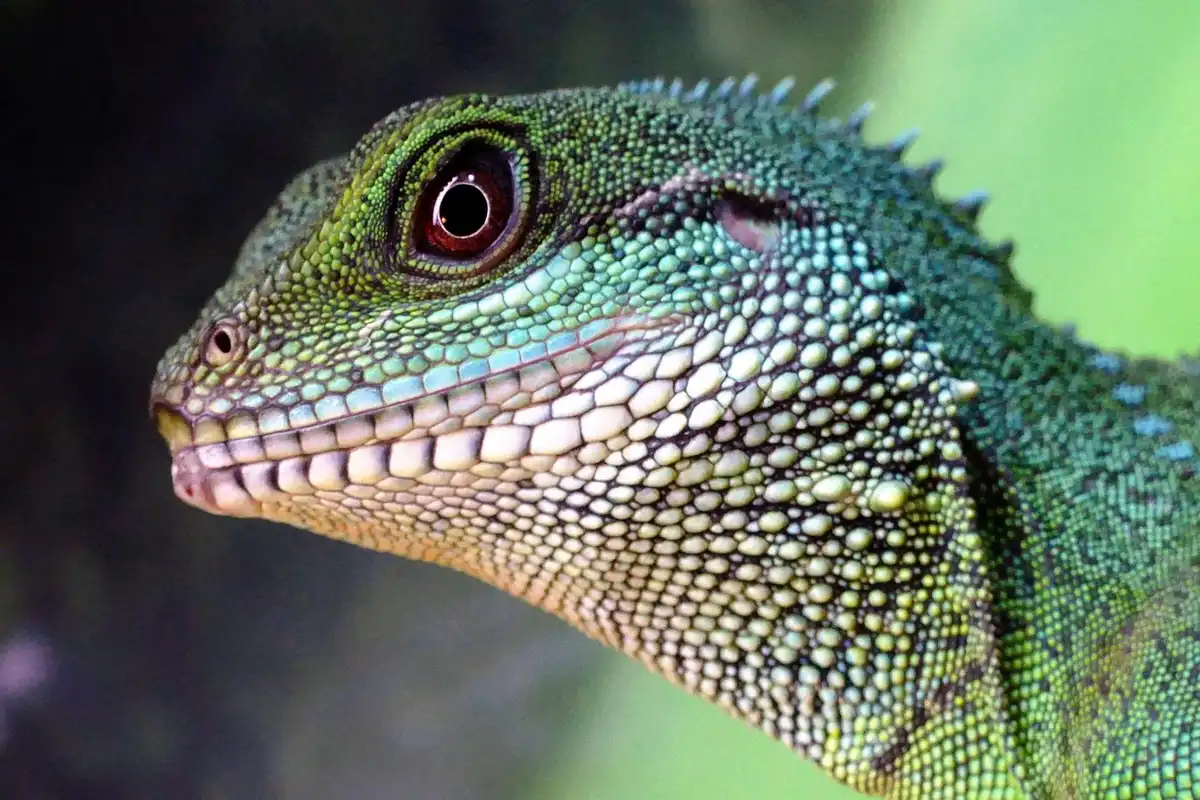
Your dragon’s digestive system is like a finely tuned engine, and several key factors act as the fuel and controls. Getting the balance right with these elements is the secret to a predictable and healthy poop schedule. From my own experience, a sudden change in frequency is almost always a clue that one of these areas needs a tweak. For a complete excretion health picture, be sure you’re also tracking your beardie’s urine along with stool. Regularly noting both can help catch dehydration or kidney issues early.
- Diet Composition: What goes in directly influences what comes out. A diet heavy in insects will produce more waste than one rich in hydrating greens.
- Hydration Levels: Water is the river that carries the boat. Without enough of it, digestion grinds to a halt, leading to dry, hard stools that are difficult to pass.
- Terrarium Temperature: Bearded dragons need heat to digest their food properly. If their basking spot isn’t hot enough, their metabolism slows way down.
- Substrate Type: Loose, particulate substrates like sand are a notorious risk. Accidental ingestion can cause a serious blockage known as impaction, which stops all bowel movements.
Diet and Nutrition
The balance of protein, greens, and supplements in your dragon’s bowl is the number one driver of their potty habits. I learned this the hard way with one of my first dragons; I was feeding too many fatty worms and not enough fiber, which led to inconsistent and smelly results. If constipation in bearded dragons is a concern, increasing hydration and dietary fiber can help move things along. If the issue persists, consult a reptile veterinarian.
- Insect-heavy diets (high protein) typically result in daily poops, especially in younger, growing dragons.
- Greens and veggies (high fiber and water content) help form solid stools and keep things moving smoothly.
- Inadequate calcium or vitamin supplements can weaken overall health, leading to a sluggish digestive system.
Stick to a consistent feeding schedule with age-appropriate portions to keep their internal clock ticking regularly. For adults, a salad every day and insects every other day is a good rhythm. Always gut-load your feeder insects with nutritious foods to pass on those benefits.
Hydration and Water Sources
Many bearded dragons don’t recognize a still water bowl as a drinking source, so we have to get creative with their hydration. I’ve found that a combination of methods works best to keep them regular, including encouraging them to drink water.
- Misting: Lightly mist your dragon’s nose and greens. They will often lick the water droplets, which is a great way to get fluids into them.
- Bathing: A warm, shallow bath for 15-20 minutes a few times a week can encourage a bowel movement and provide hydration through the vent.
- Water-Rich Foods: Offer greens like bell peppers, zucchini, and cucumber to boost their water intake naturally.
Signs of dehydration include sunken eyes, loose skin that doesn’t snap back quickly, and thick, chalky urates (the white part of the poop). Dehydration is a fast track to constipation, so proactive hydration is non-negotiable.
Enclosure and Substrate
Your dragon’s home environment is their digestive support system. If the temperatures or flooring are wrong, their body can’t function correctly.
- Improper Temperatures: A basking spot that is too cool prevents proper digestion. Aim for 95-110°F for adults to give them the heat they need to process food.
- Inadequate Lighting: Proper UVB lighting is critical for calcium metabolism and overall health, which indirectly supports a healthy gut.
- Loose Substrate: Sand, walnut shell, and other loose particles are a major impaction risk, especially for juveniles. I always recommend using tile, paper towel, or a reptile-safe liner instead for peace of mind.
An optimal setup includes a clear heat gradient, a high-quality UVB tube light, and a solid, easy-to-clean substrate. This creates a low-stress environment where digestion can thrive.
Signs of Digestive Issues in Bearded Dragons
Recognizing the early warning signs of a digestive problem can save you and your dragon a lot of stress. You are your dragon’s first line of defense, so knowing what to look for is a huge part of responsible ownership. A change in behavior often speaks louder than a change in the poop itself.
- No bowel movement for more than 5-7 days (in an adult) accompanied by a lack of appetite.
- Straining or arching their back uncomfortably while trying to defecate.
- A visibly bloated or hard stomach.
- Runny, watery, or extremely foul-smelling stool.
- Lethargy and hiding more than usual.
Abnormal poop can look different, but trust your nose and eyes. Blood, mucus, or a persistent, unusually foul odor are all red flags that warrant a vet visit. Early detection of parasites or other issues can prevent long-term health problems.
Constipation or Impaction
This is one of the most common issues I’ve helped other dragon owners navigate. Constipation is often a simple slowdown, while impaction is a physical blockage, usually from substrate or oversized food.
- Causes: Ingestion of loose substrate, dehydration, low basking temperatures, feeding insects that are too large.
- Signs: No poop, lethargy, loss of appetite, bloating, and straining without producing anything.
- Initial Home Care: Offer a warm bath and gentle belly massage. Increase hydration through misting and water-rich foods. Double-check your basking temperatures are correct, as this is the most common fix. If there’s no improvement in 48 hours, see a vet.
Diarrhea
Runny or overly frequent stools are a sign that something is irritating your dragon’s gut. It’s not just messy; it can lead to dangerous dehydration.
- Potential Causes: A sudden change in diet, parasites (like coccidia or pinworms), eating spoiled food, or stress.
- If the diarrhea lasts for more than two or three bowel movements, it’s time to investigate.
- Collect a fresh stool sample and get to an exotic vet. Diarrhea caused by parasites will not resolve on its own and requires specific medication.
How to Help Your Bearded Dragon Poop Regularly
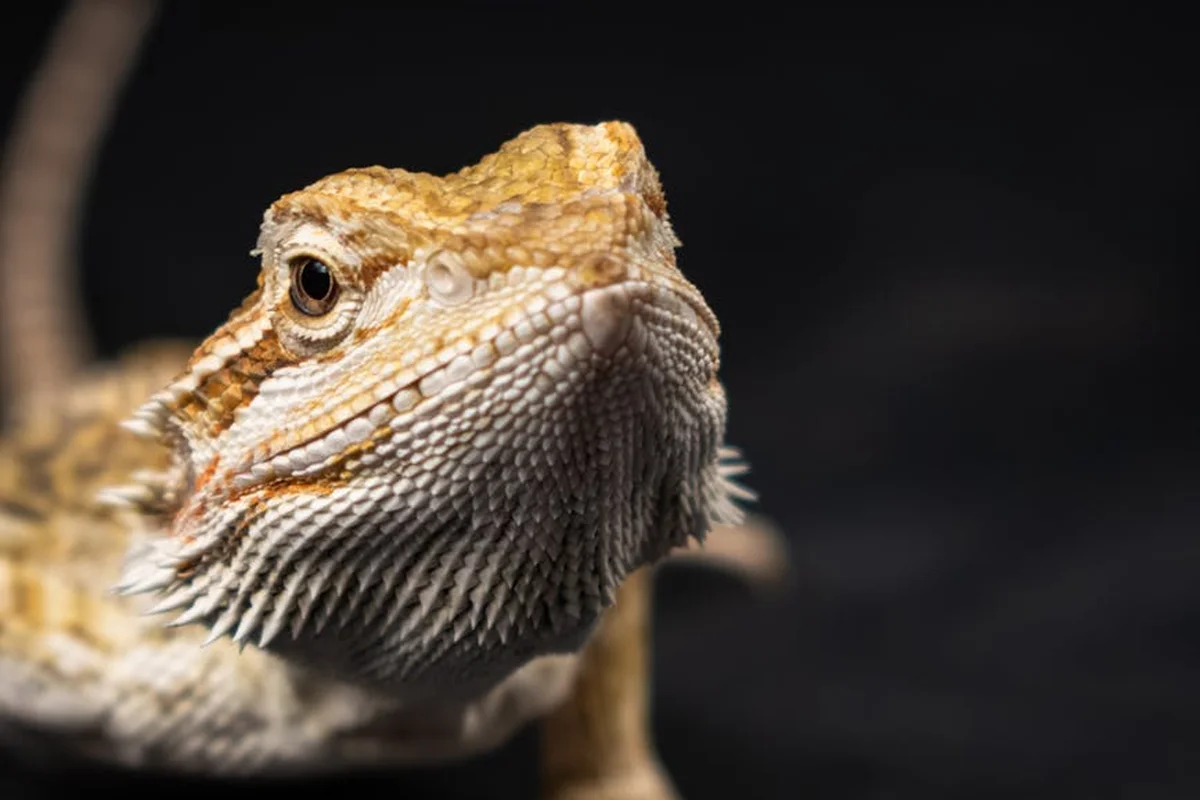
When my dragon, Puff, gets a little backed up, I have a simple toolkit of methods I turn to. These are gentle, effective ways to encourage a bowel movement without causing your pet stress. I’ve found that I can help my constipated bearded dragon poop by staying patient and observing his cues. With Puff, I tailor the routine to what seems to work and monitor his comfort.
Bathing and Hydration Techniques
A warm bath is my absolute go-to solution. It’s like a spa day that gets things moving. I’ve bathed many a reluctant dragon, so I know all the tricks. If you’re looking for a step-by-step guide for bathing and drying your bearded dragon, I can walk you through it. It keeps the process simple and safe.
- Prepare the bath using lukewarm water-test it with your wrist, it should feel warm but not hot.
- The water level should only come up to your dragon’s shoulders when they are standing.
- Let them soak for 10 to 20 minutes. You can gently stroke their sides and back.
- Always supervise the entire bath. Never leave your dragon alone in water.
For dragons that despise the bath, don’t force a big tub. I’ve had great success using a shallow sink or even just running warm water over their lower body and vent while holding them. The sound and sensation can be enough to stimulate them.
Diet and Environment Adjustments
What goes in directly affects what comes out. Small tweaks can make a huge difference.
- Add high-fiber greens like dandelion greens, endive, and escarole to their daily salad.
- Offer a few drops of pure olive oil or a tiny bit of pureed pumpkin (not pie filling) on their greens.
- Gut-load feeder insects with nutritious vegetables before offering them.
- Ensure their basking spot is the correct temperature (100-110°F for adults). Proper heat is vital for digestion.
- Provide a rough rock or tile in the enclosure. The slight texture can help with shedding and may gently massage their belly as they climb.
Do’s and Don’ts for Irregular Poop
- DO offer daily warm baths until a poop appears.
- DO gently massage your dragon’s lower belly in a downward motion while they are in the bath.
- DO ensure their UVB bulb is less than 12 months old. Inadequate UVB severely impacts digestion.
- DON’T press on their belly too hard or try to manually remove the poop yourself.
- DON’T give them a laxative made for humans or other animals.
- DON’T immediately panic if they miss a single day. Watch their behavior closely.
When to Seek Veterinary Care for Poop Problems
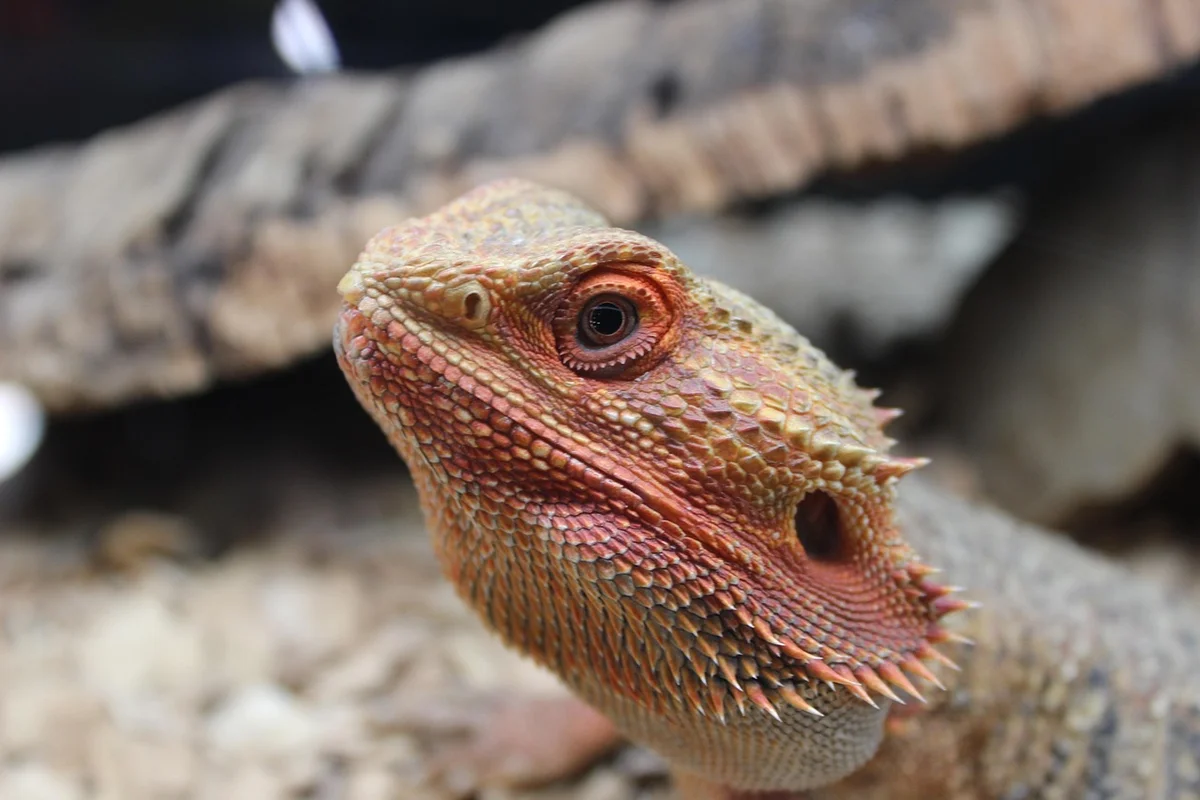
As a reptile owner, learning to spot serious trouble is one of your most important jobs. Your bearded dragon is an expert at hiding illness, so you must be an expert at noticing the subtle signs.
If your dragon hasn’t pooped and also shows any of these signs, it’s time to call a reptile vet.
- No bowel movement for more than 7 days, especially if they are still eating.
- Lethargy or lack of movement, even when taken out of the enclosure.
- Visible blood in the stool or urate.
- Swollen, hard abdomen that seems painful to the touch.
- Consistently runny or unusually smelly stool.
- Loss of appetite for more than a couple of days.
Critical Symptoms Not to Ignore
Some symptoms scream “emergency.” Don’t wait to see if they get better.
- Rapid weight loss. You’ll see their hip bones and spine becoming prominent.
- Prolonged lack of appetite combined with a bloated abdomen.
- Dragging their back legs or showing any signs of paralysis.
- Unusual posturing, like arching their back strangely, which can indicate pain.
- Black, tarry stools. This can indicate internal bleeding.
I learned this the hard way with one of my first dragons, Apollo, who became impacted. Waiting even a day or two can be the difference between a simple treatment and a life-threatening situation. A good reptile vet is worth their weight in gold for your peace of mind and your dragon’s welfare.
Frequently Asked Questions
Is it safe to give my bearded dragon a bath to help it poop?
Yes, a warm bath is a safe and effective method to help stimulate a bowel movement for dragons of all ages. Always supervise the bath and ensure the water is shallow and lukewarm.
Can I use a loose substrate if I’m careful with feeding?
It is generally not recommended, as the risk of accidental ingestion and impaction is high, especially for juveniles. For peace of mind, solid substrates like tile, paper towel, or reptile liner are the safest choices for all ages.
What does a consistently yellow urate mean?
While sometimes caused by vitamins, a consistently yellow or orange urate can indicate that your dragon is holding waste too long or may signal a potential liver or kidney issue, and it’s best to consult a veterinarian.
Final Thoughts
I’ve learned from my own dragons that there’s no single “perfect” number for how often your beardie should poop. Focus on what’s normal for your individual pet, not a strict calendar schedule. A happy, healthy baby will go much more frequently than a relaxed, slow-metabolism adult, and both are perfectly fine.
Your best tool is simple observation. You are the expert on your dragon’s unique rhythm, and any sudden, prolonged change is your cue to take a closer look. Trust your gut, provide good husbandry, and you’ll both be just fine.
Further Reading & Sources
- r/BeardedDragons on Reddit: How often is your lizard supposed to poop?
- Bearded Dragon Poop Guide: The Ins and Outs of Poop
- How Often Should a Bearded Dragon Poop? | Chewy Education
Bearded Dragon Lair is the ultimate resource for bearded dragon enthusiasts, offering expert advice and practical tips to ensure the health and happiness of your scaly companion. With years of experience in reptile care, we are dedicated to providing accurate, up-to-date information to support your bearded dragon journey.
Hydration Needs