Why Is My Bearded Dragon Hiding? (And When to Be Concerned)
If you’ve noticed your bearded dragon spending more time tucked away in a hide, you’re probably wondering what’s going on in that little scaly head.
As an owner of several beardies, I’ve learned to decode their hiding habits, and I’m here to help you understand your pet’s behavior.
We’ll explore everything from normal basking breaks to potential health red flags, giving you a clear guide on when to relax and when to take action.
Normal Hiding Behavior in Bearded Dragons
Seeing your scaly buddy tucked away in a hide can be unsettling, but it’s often just part of their natural rhythm. Hiding is a fundamental, healthy behavior for a bearded dragon, and it doesn’t always signal a problem. From my own experience, learning to read the context has saved me countless unnecessary worries. Sometimes that hiding can also signal stress, aggression, or a desire to escape. In this post, I’ll explain why bearded dragons act weird, what those escape attempts mean, and how to respond.
Here are the most common, harmless reasons your dragon might be seeking some alone time:
- Brumation: Think of this as a reptile’s version of hibernation. During cooler months, often triggered by shorter daylight hours, your dragon’s metabolism slows way down. They might sleep for days or even weeks, only waking occasionally for a sip of water. My oldest dragon, Spike, disappears into his favorite log every winter like clockwork.
- Shedding (Ecdysis): Shedding old skin is an itchy, uncomfortable process. The skin can feel tight and their vision might be impaired, especially if the skin over their eyes (the “eye caps”) is ready to come off. It’s completely normal for them to hide more and become irritable during this time. A warm bath can often help ease their discomfort.
- Feeling Secure: Bearded dragons are prey animals in the wild. Having a safe, enclosed space to retreat to is crucial for their mental well-being. If they’ve had a busy day with handling or tank cleaning, don’t be surprised if they duck into their hide to decompress.
- Seasonal Changes: Even in a controlled indoor environment, subtle shifts in barometric pressure or ambient room light can trigger instinctual behaviors. A sudden rainy spell or a change in the season might make them a little less active.
- Age-Related Hiding: Baby and juvenile bearded dragons are tiny and vulnerable. They will hide frequently as a survival instinct. On the flip side, a senior dragon might just be slowing down and preferring more restful, quiet time in their favorite spot.
Environmental Causes of Hiding
When hiding is paired with other signs of stress, it’s time to play detective with your dragon’s home. Their enclosure is their entire world, and small imbalances can have a big impact on their behavior. I’ve had to troubleshoot my own setups more than once to get things just right.
Here are the key environmental factors to check:
- Temperature Gradient: Your dragon needs a warm basking area to digest food and a cooler area to regulate their body temperature. If the entire tank is too hot, they will hide in the coolest corner to escape the heat. If it’s too cold everywhere, they might hide and become lethargic because they can’t get warm enough.
- Heat Lamp Placement: Is the basking lamp too intense or positioned incorrectly? If it’s beaming down directly on their favorite basking spot with no shade option, they may retreat to a hide to avoid it. They should be able to choose their comfort level.
- UVB Light Issues: This is a big one. UVB is non-negotiable for their calcium metabolism and overall health. An old, expired UVB bulb (they need replacing every 6-12 months) or one blocked by a mesh top can leave your dragon feeling weak and hiding more.
- Humidity Levels: Bearded dragons are desert animals. Consistently high humidity can lead to respiratory infections, making them feel unwell and prompting them to hide. Aim for a humidity level between 30% and 40%.
Your Quick Habitat Checklist
Run through this list if your dragon is hiding more than usual:
- Basking surface temperature: 95-110°F (35-43°C) for adults.
- Cool side ambient temperature: 75-85°F (24-29°C).
- UVB bulb is not older than 12 months and spans 1/2 to 2/3 of the enclosure length.
- Humidity gauge reads between 30% and 40%.
- There are at least two secure hides-one on the warm side and one on the cool side.
Stress-Related Hiding and How to Spot It

Seeing your bearded dragon vanish for hours can be worrying. Hiding is a completely natural defense mechanism, but prolonged hiding often points directly to stress. I’ve learned to spot the subtle signs by watching my own dragons over the years, especially when it comes to identifying stress in bearded dragons.
Your dragon’s environment is their whole world. Loud noises, a new pet in the house, or even excessive handling can make them feel threatened. Look for these common stress signals alongside the hiding: Understanding these stress signals is essential in providing proper care.
- Darkened beard, especially when not basking
- Frantic glass surfing or scratching at the enclosure walls
- Refusing their favorite foods, like dubia roaches or hornworms
- Hissing or puffing up when you approach
A Step-by-Step Guide to Finding the Stress Trigger
- Observe Quietly: Sit near the enclosure for 15 minutes without interacting. Note any loud appliances, vibrations, or foot traffic that coincides with their hiding.
- Check the Habitat: Are the temperatures and UVB lighting correct? An incorrect basking spot or a burnt-out UVB bulb is a top stressor.
- Review Recent Changes: Did you just clean the tank with a strong cleaner? Rearrange the furniture? Introduce a new cat? Even small changes can be huge to them.
- Assess Handling Frequency: Have you been handling them more than usual? Some dragons enjoy interaction, but others need more solitude.
One of my rescues, Puff, used to hide constantly when I first got him. I found that adding simple enrichment, like a dig box with clean, sterile soil, gave him a constructive outlet for his anxiety. He stopped hiding and started exploring his new home with confidence.
When Hiding Signals Illness
Sometimes, hiding isn’t about stress—it’s a cry for help. When a bearded dragon feels sick, their instinct is to find a safe, quiet place to conserve energy. You must become a detective and look for the clues that separate a bad day from a real health problem. To help you recognize when it’s serious, learn the 12 critical health symptoms that should never be ignored.
Watch for these red flags. If you see any of them paired with constant hiding, it’s time to call a reptile vet.
- Lethargy: They are limp when you pick them up and show no interest in moving.
- Appetite Loss: Refusing food for more than two or three days is a major warning sign.
- Weight Changes: A visibly thinner body, especially along the tail and hips, indicates trouble.
- Abnormal Feces: Runny, bloody, or extremely foul-smelling poop can signal parasites.
- Respiratory Symptoms: Look for mucus around the nose or mouth, wheezing, or open-mouth breathing.
- Sunken Eyes: This is often a sign of severe dehydration.
Trust your gut. You know your pet’s normal behavior better than anyone. If their hiding feels different-deeper, longer, and paired with any of the symptoms above-do not wait. Seeking professional veterinary care is the most responsible and loving thing you can do.
Steps to Address Hiding Behavior
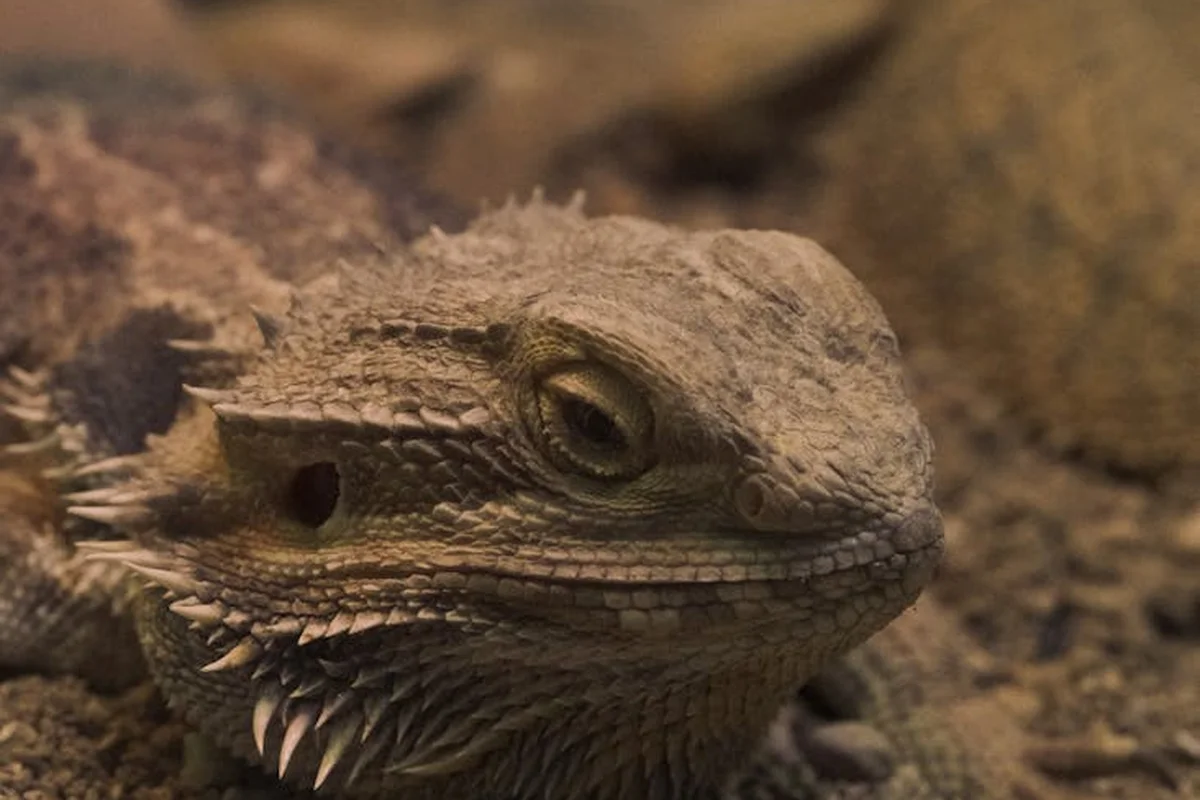
When your scaly friend starts spending more time in their hide than with you, it’s time for some gentle detective work. I’ve found that addressing hiding is often about fine-tuning their world to feel safer and more comfortable. Follow these steps to help them feel more secure.
- Check and Adjust Temperature Gradients
Use a digital thermometer to check the temperatures in the tank. Your basking spot should be around 95-110°F for adults, with the cool end around 80-85°F. An incorrect temperature is one of the most common reasons for stress-related hiding I see in my own dragons. If it’s off, adjust your heat lamp or its wattage gradually over a day. This fits into a full bearded dragon temperature guide that covers basking spots, nighttime temperatures, and the overall tank requirements. Knowing all of these helps you keep your dragon healthy and thriving in its enclosure.
- Provide Multiple Hiding Spots
Your dragon needs options. Place at least two hides in the enclosure—one on the warm end and one on the cool end. Giving them a choice of where to feel safe reduces anxiety immensely and mimics their natural behavior. This approach is a staple you’ll see in a DIY bearded dragon enclosure building guide. Building the enclosure yourself lets you tailor hides to your space and your dragon. I use simple, half-log hides or even reptile-safe cave structures.
- Improve Your Observation Skills
Spend time just watching your pet from a distance. Note what time of day they hide and what seems to trigger it. Patient observation is your most powerful tool for understanding their unique personality and needs. Is it loud noises? Sudden movements? You’ll start to see a pattern.
- Review the Enclosure Setup
Look at their home from a dragon’s-eye view. Is there enough clutter and visual barriers, like fake plants or rocks, to make them feel hidden even when out in the open? A cluttered environment makes a confident dragon, as they always have an escape route in sight. Rearrange items slowly to avoid causing more stress.
- Maintain a Consistent Routine
Feed, handle, and turn lights on and off at the same times every day. Bearded dragons are creatures of habit, and a predictable routine signals that their world is safe and secure. I stick to my schedule religiously, and my dragons are always out and waiting for me. If you’re just starting out, how to take care of a bearded dragon can be challenging, but establishing a routine early on will make it easier for both you and your pet.
When to Seek Veterinary Care
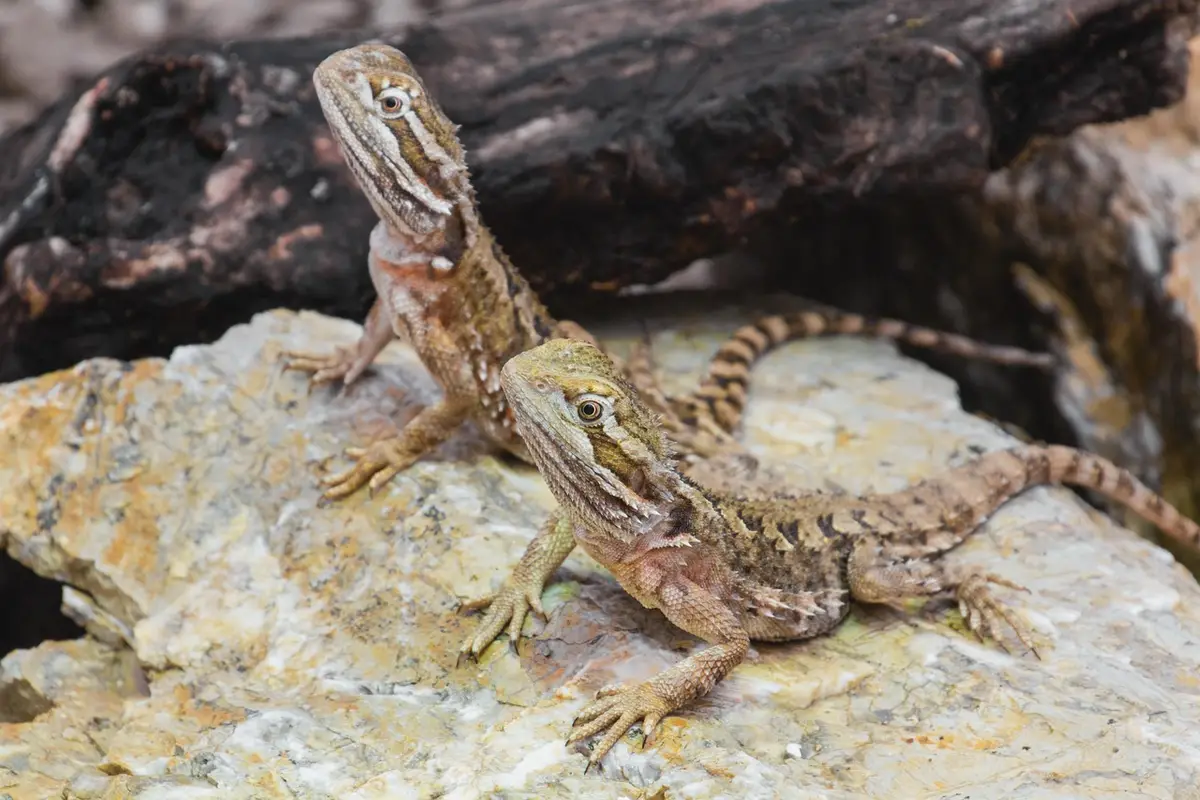
Sometimes, hiding is more than just a bad day; it’s a cry for help. Knowing when a vet visit is necessary is a critical part of responsible reptile ownership. Trust your instincts-you know your pet better than anyone.
You should schedule a veterinary appointment immediately if you notice hiding accompanied by any of these symptoms:
- Lethargy that lasts for more than two days, where they seem too weak to move or hold their head up.
- A significant loss of appetite, especially if they refuse their favorite insects or greens for more than three days.
- Visible weight loss, where their fat pads on the head appear sunken or their hip bones and ribs become prominent.
- Signs of respiratory infection, like gaping, wheezing, or mucus around the nose and mouth.
- Abnormal feces, such as persistent diarrhea, or feces that are bloody, black, or extremely foul-smelling.
Time is of the essence with reptiles, as they are masters at hiding illness until it becomes severe. I once waited a day too long with a dragon, and I learned that lesson the hard way.
What to Tell Your Veterinarian
To help your vet make a quick diagnosis, go prepared with clear information. Good notes can shave critical time off a diagnosis and get your dragon the right treatment faster. Here is what you should track and share: especially when you’re unsure if your bearded dragon needs a vet visit.
- The exact duration of the hiding behavior and any other symptoms.
- Their most recent eating and drinking habits-what they ate and how much.
- A description of their feces and the last time they defecated.
- The exact temperatures in their tank, including basking spot and cool side.
- The type and schedule of their UVB lighting, including the bulb’s age.
Frequently Asked Questions
How can I make my bearded dragon feel more secure in its enclosure?
Ensure there are at least two hides-one on the warm side and one on the cool side-and add clutter like fake plants or rocks to provide visual barriers and escape routes, which can reduce anxiety and encourage exploration.
Is hiding behavior different for baby bearded dragons compared to adults?
Yes, babies and juveniles hide more often as a natural survival instinct due to their small size, while adults may hide for reasons like brumation or stress, so always consider age when assessing their behavior.
What should I do if my bearded dragon starts hiding suddenly after a change in routine?
Minimize further disruptions and gradually reintroduce a consistent schedule for feeding and lighting, while double-checking habitat conditions like temperature and UVB to rule out environmental stressors.
Final Thoughts
Seeing your bearded dragon hide can be unsettling, but remember that this behavior is a natural part of their daily rhythm. The context of the hiding is far more important than the act itself. A dragon ducking into a cave for a midday nap is very different from one that refuses to come out for food or basking. If your dragon stares at you, that gaze is another form of communication—often a sign of curiosity, needs, or reassurance. Interpreting these stares in the context of their body language and routine helps you understand common behaviors rather than misreading them as aggression or fear.
Trust the bond you’ve built with your pet. You are the best person to notice subtle changes in their behavior. Lethargy can signal common causes worth checking—temperature, lighting, hydration, and diet. Knowing these can help you decide when to seek care. If your dragon is consistently hiding while also showing signs of lethargy or a lack of appetite, it’s time to trust your gut and consult a reptile vet. You’ve got this.
Further Reading & Sources
- r/BeardedDragons on Reddit: can anyone help me understand why he likes to hide and hide under his bed and rock rather than on top alot of times? is this normal? sorry for asking alot, i just feel this is the best community to help grow my beardie knowledge.
- What is wrong with my bearded dragon …
- Why does my bearded dragon hide under his rock? Does he want to come out for me or anyone else? Is there anything I can do to get him to come out? – Quora
Bearded Dragon Lair is the ultimate resource for bearded dragon enthusiasts, offering expert advice and practical tips to ensure the health and happiness of your scaly companion. With years of experience in reptile care, we are dedicated to providing accurate, up-to-date information to support your bearded dragon journey.
Signs of Illness