
How Can I Get My Bearded Dragon to Drink Water? (10 Proven Methods)
Published on: February 19, 2026 | Last Updated: February 19, 2026
Written By: Beardie Joe
If your bearded dragon is ignoring its water bowl, you’re likely feeling a mix of confusion and concern.
As a longtime owner of several beardies, I’ve navigated this exact worry and can share what truly works from my own reptile care journey.
This guide will walk you through 10 reliable techniques to encourage hydration, from simple daily routines to creative solutions for stubborn drinkers.
Understanding Bearded Dragon Hydration Needs
In the wild, bearded dragons are masters of survival in arid Australian landscapes. Their bodies are brilliantly adapted to get most of their water from the food they eat, not from a standing water source. A juicy hornworm or a moist piece of leafy green is often their primary hydration method. Translated into a care guide, hornworms can be a safe nutritious option when offered in moderation. A reliable bearded dragons eat guide also stresses gut-loading and pairing insects with leafy greens to balance hydration and nutrients.
This leads to one of the biggest challenges for us as owners: they have a very low thirst drive. You might notice your dragon rarely, if ever, laps up water from a bowl like a dog or cat would. This is completely normal behavior for the species.
I’ve observed this firsthand with my own dragons. They seem almost confused by a water bowl, but they’ll eagerly chomp down on water-rich veggies.
Beyond their diet, their environment plays a huge role. Here’s how it all connects:
- Food as a Water Source: Fresh vegetables like bell peppers, squash, and leafy greens are packed with moisture. Feeder insects gut-loaded with watery fruits and veggies also contribute significantly.
- Environmental Humidity: The ambient humidity in their enclosure can help keep their respiratory systems healthy and provide subtle hydration through the air they breathe.
- Behavioral Cues: You might see your dragon lick water droplets off decor or the sides of the tank after you mist it. This is a natural behavior that mimics drinking morning dew in the wild.
Recognizing Dehydration Signs in Your Bearded Dragon
Catching dehydration early is critical for your dragon’s health. You need to become a bit of a detective, looking for both subtle and obvious clues your pet gives you. I make it a habit to do a quick visual check during handling sessions. For a thorough assessment, check our complete health check guide on how to tell if your bearded dragon is healthy. It walks you through common signs of good health and dehydration to watch for.
Here are the key physical signs to watch for:
- Sunken Eyes: Their eyes will look less bright and appear to be recessed into their sockets.
- Wrinkled or Loose Skin: Gently pinch the skin on their back or side. In a well-hydrated dragon, it will snap back quickly. Dehydrated skin will stay pinched or return to normal slowly.
- Loss of Skin Elasticity: This is the “pinch test” mentioned above and is one of the most reliable indicators.
- Pasty, Thick Saliva: If you can see inside their mouth, their saliva will be stringy and sticky instead of thin and watery.
- Yellow or Orange Urates: The white part of their poop (the urate) should be soft and white. If it’s hard, chalky, or has a yellow/orange tint, it’s a major red flag for dehydration.
Beyond the physical symptoms, their behavior will also tell you a story.
- Lethargy and Lack of Appetite: A dehydrated dragon will often become sluggish and lose interest in food.
- Irritability: They may seem more stressed or black-beard more frequently when handled.
- Constipation: A lack of water makes it difficult for their system to process food and pass waste.
If you notice several of these signs together, it’s time to take immediate action to get fluids into your pet. Their well-being depends on your keen observation.
10 Proven Methods to Encourage Water Intake

Seeing your bearded dragon ignore their water dish can be worrying. I’ve been there with my own dragons. The key is to present water in ways that align with their natural instincts, which often don’t involve drinking from a still pool. Even when you do provide water, enclosures should be set up carefully to avoid any risks, especially since bearded dragons are not natural swimmers. Here are ten methods that have worked wonders for me and my scaly crew.
Method 1: Optimize Water Dish Setup
Many owners use a dish that’s just plain wrong for their pet. A simple swap can make a huge difference.
- Choose a shallow dish; your dragon should be able to see over the rim easily.
- Ensure it’s heavy and stable so it can’t be tipped over during climbing adventures.
- Place the dish on the cool side of the enclosure, far from the intense heat of the basking lamp.
A shallow, ceramic dish placed in a cool, calm spot is far more inviting than a deep, hot bowl.
Method 2: Use Misting and Spray Bottles
This technique taps into their natural behavior of licking water droplets from surfaces.
- Fill a clean spray bottle with fresh, dechlorinated water.
- Gently mist the walls and decor of the enclosure, creating tiny beads of water.
- You can also lightly mist your dragon’s snout; they’ll often lick the water off immediately.
I do this every morning with my dragons, and it’s their most reliable source of hydration.
Method 3: Implement a Drip System
The sound and sight of moving water can trigger their curiosity and drinking response.
- You can buy a reptile drip system or simply use a container with a tiny hole poked in the bottom.
- Position it so the water drips slowly onto a broad leaf or the side of the water dish.
- The consistent “plink, plink, plink” mimics rainfall and draws them in to investigate.
This moving water trick is often the breakthrough for dragons who are stubborn drinkers.
Method 4: Adjust Water Temperature
Think about what water feels like in their native Australian habitat-it’s not ice cold.
- Always offer lukewarm water, similar to what you’d use for a baby’s bath.
- Avoid cold water straight from the tap, as it can be a shock to their system.
- Test it on your wrist; it should feel neutral, not hot and not cold.
Lukewarm water is far more comfortable and palatable for a cold-blooded animal.
Method 5: Incorporate Bathing and Soaking
Bath time isn’t just for cleaning; it’s a prime opportunity for hydration.
- Use a small plastic tub with shallow, lukewarm water-no deeper than their elbows.
- Soak them for 10-15 minutes, always supervising closely.
- Many dragons will instinctively drink the water they are sitting in.
I’ve found that a warm bath once or twice a week encourages drinking and helps with hydration.
Method 6: Offer Water-Rich Foods
This is my go-to method for ensuring they get moisture, even if they never touch their water dish.
- Incorporate veggies like cucumber, bell peppers, and zucchini into their daily salad.
- Fruits like watermelon and strawberries are great occasional, hydrating treats.
- You can also lightly spray their greens with water before serving.
Feeding water-rich foods is a brilliant and effortless way to boost their fluid intake.
Method 7: Try Gentle Oral Hydration
If you’re concerned about dehydration, this method requires a calm and patient approach.
- Use a plastic syringe or dropper (no needle!) filled with lukewarm water.
- Gently place a drop of water on the tip of their snout or the side of their mouth.
- Allow them to lick it off at their own pace; never force water into their mouth.
This is a supportive care technique, not a daily routine, and should be done with extreme gentleness.
Method 8: Manage Enclosure Humidity Levels
The overall moisture in the air plays a big role in your dragon’s hydration.
- Invest in a digital hygrometer to monitor humidity accurately.
- Aim for a range between 30% and 40%.
- If humidity is too low, it can dry them out; too high, and it can lead to respiratory infections.
Proper humidity helps prevent them from losing too much moisture through their skin and respiration.
Method 9: Introduce a Water Fountain
The movement and sound of a fountain can be irresistible to a bearded dragon.
- Choose a small, reptile-safe fountain designed for shallow water.
- The constant filtration keeps the water fresher than in a stagnant bowl.
- Place it securely in the enclosure and watch as the moving water piques their interest.
A small fountain can turn hydration from a chore into an engaging activity for your pet.
Method 10: Fine-Tune Basking and Ambient Temperatures
An environment that’s too hot will dehydrate your dragon faster than anything.
- Ensure your basking spot is 95-110°F for adults, with a cool side around 80-85°F.
- Overheating forces them to pant, which causes significant water loss.
- Use a digital thermometer to verify temperatures in all areas of the tank.
Correct temperature gradients are absolutely fundamental to maintaining your dragon’s hydration and overall health.
Selecting the Best Water Dishes and Accessories
The right dish is more than just a container; it’s a tool for promoting health and safety.
Material Matters
- Ceramic: My top choice. It’s heavy, stable, hard to tip, and easy to clean.
- Glass: Also a good option, but can be slippery. A textured bottom helps.
- Plastic: Lightweight and can be chewed, leading to ingestion. I avoid these for water.
- Resin/Rock-Look: Great for a natural aesthetic and often have a rough texture for grip.
Size and Safety Features
- The dish should be large enough for your dragon to fit their head and chest in, but not their whole body.
- Look for dishes with a low, sloped ramp for easy access, especially for younger or disabled dragons.
- Placing a clean, smooth stone inside the dish can give them confidence and a non-slip surface to stand on.
Choosing a dish that prioritizes stability and easy access is a simple way to prevent accidents and encourage drinking.
Using Diet to Boost Hydration
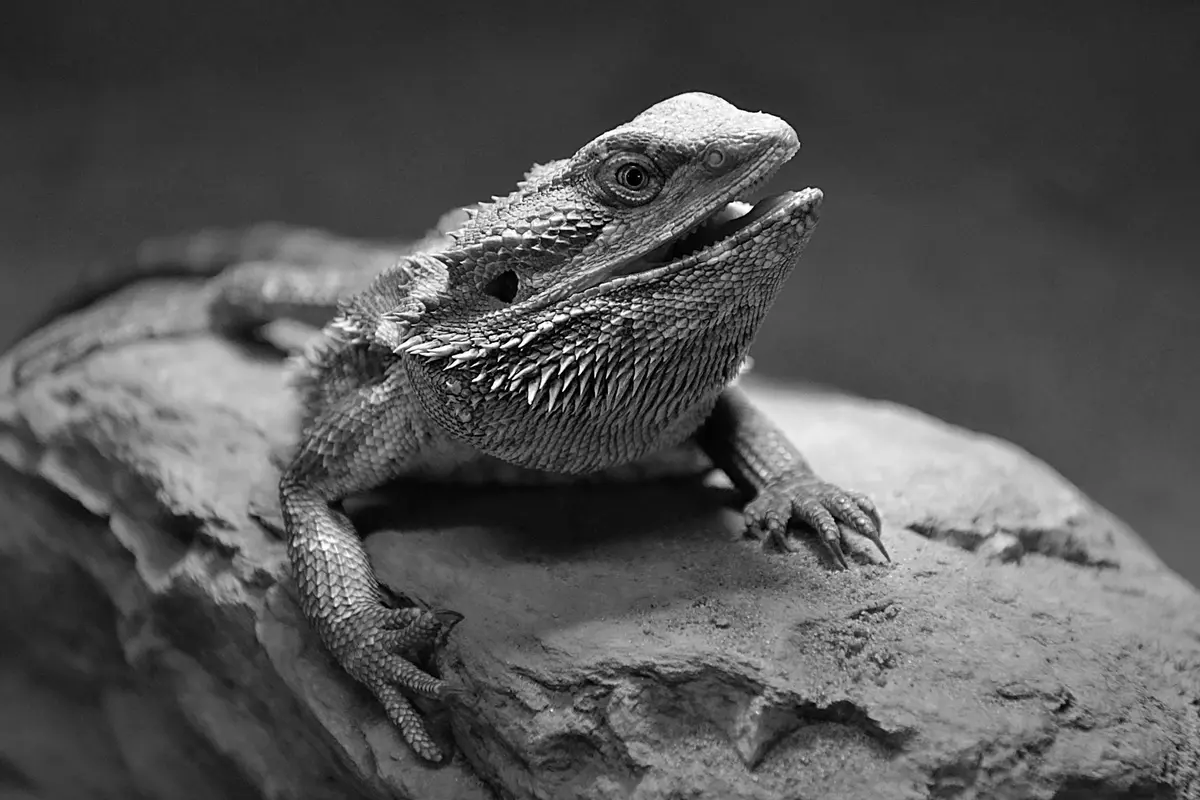
One of the simplest ways to increase your dragon’s water intake is through the food you offer. I’ve found that focusing on their diet is often the most effective and least stressful method for both you and your pet. It works with their natural behaviors instead of against them. If you’re wondering should I feed my bearded dragon daily, a complete feeding guide can walk you through daily portions, the right balance of insects and greens, and hydration considerations. It helps you decide if daily feeding is right for your dragon and ensures you meet their nutritional needs.
Start by incorporating these moisture-rich vegetables into their regular salads.
- Bell peppers (all colors)
- Zucchini and summer squash
- Cucumber (peeled to limit seeds)
- Butternut squash (grated)
My dragon, Smaug, goes absolutely wild for a chilled piece of bell pepper on a warm day. Seeing the tiny water droplets on a freshly washed piece of greens can be a major trigger for them to take a bite and get a hydrating crunch. Always offer a fresh, clean salad daily.
Hydration Supplements and Gels
For picky eaters or dragons needing an extra boost, specialized products can be a lifesaver.
- Repashy Grub Pie or similar bug-based gels: These are a huge hit. You mix the powder with water to create a hydrating, nutritious gel that most dragons find irresistible.
- Unflavored Pedialyte: In cases of mild dehydration, a vet may recommend using a small amount of unflavored Pedialyte to mix with water or create slurries. Always consult your veterinarian before using Pedialyte to get the correct dilution and dosage for your specific dragon.
- Fruit purees: A tiny amount of watered-down pumpkin or pear puree (with no added sugar or spices) can be used as a rare, hydrating treat.
I keep a batch of bug gel in my fridge for emergencies. It’s my go-to for providing hydration and nutrition when one of my dragons is feeling under the weather or being stubborn.
When to Seek Veterinary Care for Dehydration
While many hydration issues can be handled at home, some signs indicate a serious problem that needs immediate professional attention. Trust your gut; you know your bearded dragon better than anyone. If something feels off, it’s always better to be safe. Specifically, there are seven critical signs to look for when your bearded dragon might be dehydrated. Recognizing these early can help you act quickly.
Watch for these severe symptoms of dehydration.
- Sunken, dull-looking eyes
- Persistent loss of skin elasticity (when you gently pinch their skin, it doesn’t snap back quickly)
- Lethargy so pronounced they lack the energy to move or hold their head up
- Wrinkled, dry-looking skin
- A lack of urate (the white part of their poop) for more than a few days
I once had a rescue dragon come to me with severely sunken eyes, and the difference after the vet administered fluids was night and day. Severe dehydration can lead to organ failure and is a genuine medical emergency for a bearded dragon. If your dragon is showing signs of illness or distress, this is exactly the kind of situation our bearded dragon emergency care guide covers. It outlines what to do now and when to seek veterinary care.
You should also call your vet immediately in these situations.
- If your dragon refuses all food and water for more than 48 hours.
- If they show any signs of dehydration while also being lethargic and unresponsive.
- If you suspect impaction (a blockage in their digestive system), which often goes hand-in-hand with dehydration.
A qualified reptile veterinarian can provide subcutaneous or intravenous fluids, which is the fastest and most effective way to rehydrate a critically ill dragon. Don’t hesitate to seek help; their expertise is invaluable for your pet’s welfare.
Frequently Asked Questions
What is the recommended size for a bearded dragon’s water dish?
Choose a shallow dish that allows your bearded dragon to comfortably fit its head and chest inside without the risk of submersion or drowning. It should be stable and easy to access, promoting regular drinking behavior. This tip is part of a complete beginner’s guide to taking care of bearded dragons. Following these basics helps keep your pet hydrated and healthy.
What temperature should the water be when offering it to my bearded dragon?
Always provide lukewarm water, similar to room temperature or slightly warmer, as cold water can deter drinking and shock their system. Testing it on your wrist to ensure it feels neutral is a good practice.
How can a water fountain help in hydrating my bearded dragon?
A water fountain mimics moving water sources in the wild, which can attract your bearded dragon’s interest and encourage them to drink more often. The continuous filtration also keeps the water fresher than in a stagnant bowl. Unlike misting or spraying water bowls, a fountain provides a consistent flow that promotes healthier hydration habits.
Final Thoughts
Getting your bearded dragon to drink is less about one magic trick and more about offering a variety of hydration methods. I’ve found that combining a few of these techniques, like daily misting and offering water from a dropper, works far better than relying on just one. It’s all about observing your dragon and seeing what clicks for them.
Remember, proper hydration is a cornerstone of their health and directly impacts their appetite and energy. Be patient and consistent, and you’ll soon learn your dragon’s unique preferences for staying happily hydrated. In the bearded dragon daily water guide, you’ll learn how much water your dragon should drink each day.
Further Reading & Sources
- How to Keep Your Bearded Dragon Hydrated – ABDRAGONS
- Bearded Dragon Hydration – Bearded Dragon Lady
- Do Bearded Dragons Drink Water? The Essential Guide
Bearded Dragon Lair is the ultimate resource for bearded dragon enthusiasts, offering expert advice and practical tips to ensure the health and happiness of your scaly companion. With years of experience in reptile care, we are dedicated to providing accurate, up-to-date information to support your bearded dragon journey.
Hydration Needs