Why Do Bearded Dragons Pancake? Understanding Flattening Behavior
Published on: March 29, 2026 | Last Updated: March 29, 2026
Written By: Beardie Joe
If you’ve ever seen your bearded dragon suddenly flatten its body into a wide, scaly pancake, you’ve witnessed one of their most peculiar and fascinating behaviors.
As a long-time beardie owner, I’ve spent years observing and learning about these quirky reptiles, and I’m here to help you decode exactly what your dragon is trying to communicate.
We’ll explore the main reasons for pancaking-from temperature regulation and digestion to stress signals and defensive displays-so you can better understand your scaled friend.
What Is Bearded Dragon Pancaking?
Pancaking is the adorable, albeit strange, act of your bearded dragon flattening their entire body against a surface. I’ve watched my own dragon, Smaug, do this on his basking rock, and it always makes me smile. It looks like they’re trying to become one with the floor or rock they’re lying on. If your dragon isn’t active, check their temperature, UVB exposure, and enrichment, and consult a reptile vet if lethargy persists.
Their normally plump body suddenly looks like a scaly, deflated pancake, which is exactly how this behavior got its funny name. It’s a completely normal part of their body language repertoire, but it can mean a few different things depending on the context.
Visual Cues of Flattening Behavior
When a bearded dragon pancakes, the transformation is quite dramatic. Here are the specific physical changes you’ll see: These changes often tie into color morphs and patterns. People frequently ask which morphs show which colors and what color changes mean for health or mood.
- Their belly presses completely flat against the ground.
- The sides of their body and their ribs seem to expand outward, making them look much wider.
- Their back often appears flatter and less rounded.
- Sometimes, they will also splay their legs out to the sides to maximize the flattened effect.
It’s a full-body commitment to looking as wide and flat as physically possible. I always check Smaug’s overall posture and the situation to figure out why he’s chosen to become a pancake at that moment.
Common Reasons Bearded Dragons Pancake
Your dragon isn’t just trying out a new yoga pose. This behavior is a form of communication and a practical response to their environment. Let’s break down the main reasons.
Thermoregulation and Temperature Regulation
This is one of the most common and harmless reasons you’ll see this. Think of your dragon as a little solar panel. If you’re seeing them climb and hit the glass, it’s often because they’re trying to reach heat or light beyond the tank or reacting to their reflection. Ensure a proper heat gradient and reduce external reflections on the glass.
- By flattening out, they maximize their surface area exposed to their heat lamp or the sun.
- This allows them to absorb heat and UVB rays more efficiently to warm up their body.
- You’ll most often see this first thing in the morning when they are starting their day and need to raise their body temperature.
If your dragon is pancaking calmly under their basking light, they are likely just enjoying a good, efficient warm-up. I see this daily with my crew, and it’s a sure sign they are comfortable in their home.
Defense and Stress Responses
This is the other primary reason for pancaking, and it stems from their instincts. In the wild, a bigger animal looks more intimidating to a predator.
- They pancake to make themselves appear larger and more formidable to a perceived threat.
- Common triggers can include a new pet in the house, loud noises, or even a shadow passing over their tank.
- This is often accompanied by a blackened “stress” beard and a gaping mouth.
If your dragon flattens suddenly and looks tense, scan the room for what might be scaring them and try to remove the stressor. I once had a dragon who would pancake at the sight of a specific red hat-they can be surprisingly particular! Calming your bearded dragon after such stress is crucial for their well-being.
Mating and Social Displays
During breeding seasons, pancaking can become part of a more complex social dance. The context here is key.
- Males may pancake and combine it with head bobbing to show dominance to a female or a rival male.
- Females might pancake and wave one of their arms in a slow circle, which is a submissive gesture.
- This type of pancaking is usually very obvious because it’s paired with other distinct behaviors.
This social pancaking is a temporary, seasonal behavior and is a normal part of their reproductive cycle. It’s fascinating to watch this ancient instinct play out right in your living room.
Is Pancaking Normal or a Sign of Stress?
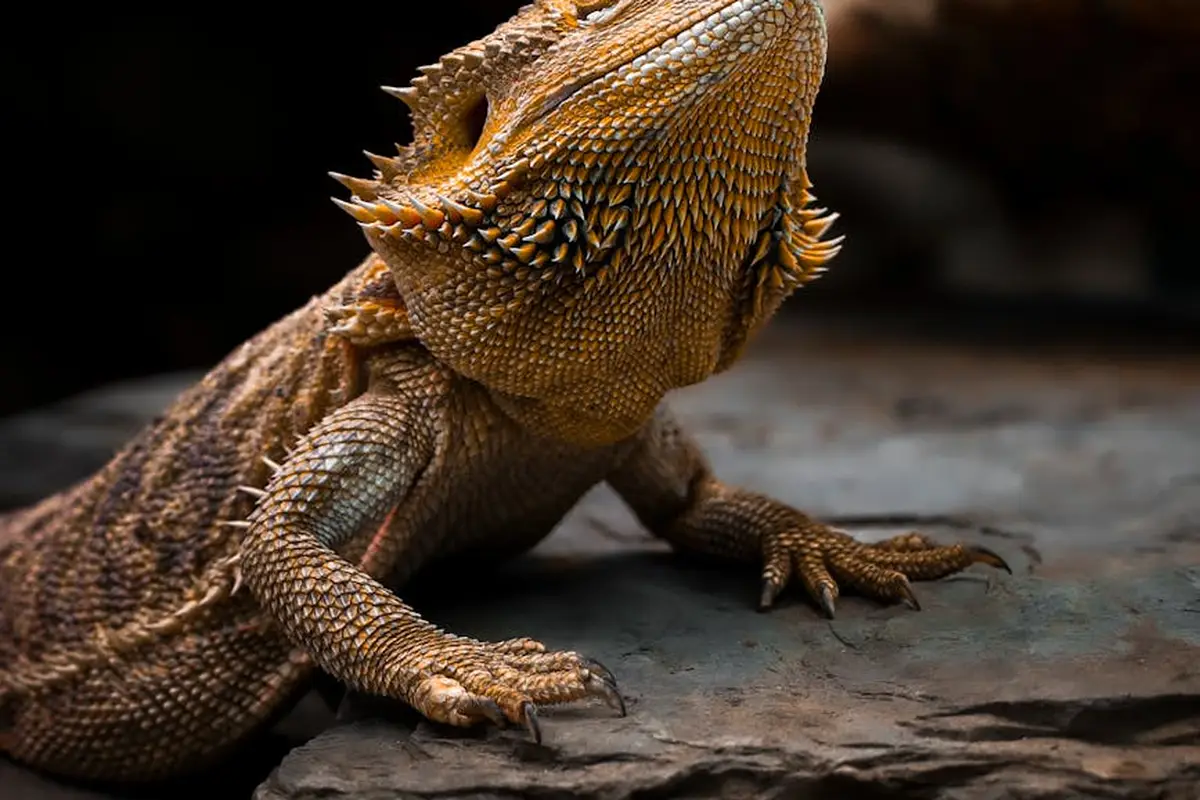
This is the million-dollar question for every beardie owner who sees their dragon go flat. I’ve spent countless hours watching my own dragons, and I can tell you that context is everything. The good news is that pancaking is often a completely normal part of their daily routine. It’s their version of stretching out on a comfy couch. But sometimes, that same posture is a cry for help. Beyond pancaking, bearded dragons sometimes sleep standing up or in other odd positions. I’ll explain why these sleeping quirks happen and when they might indicate a health issue.
Signs of Healthy Pancaking
When your bearded dragon is pancaking for harmless reasons, their overall demeanor is calm and content. You’ll notice a relaxed vibe. If you spot stress signals—like a tucked body, dark beard, or rapid breathing—adjust their enclosure to help reduce their anxiety.
- It happens during basking sessions under their heat lamp.
- Their body is uniformly flat, not twisted or tense.
- They have bright, alert eyes and may even close them peacefully.
- Their beard remains its natural color, not black or dark.
- They resume normal activity like exploring or eating afterward.
I often see my oldest dragon, Jasper, do a big morning pancake stretch as soon as his lights turn on. This type of pancaking is a sign of a reptile simply enjoying its environment and optimizing its body temperature. It’s a behavior of comfort, not distress.
Red Flags for Stress or Health Issues
Now, let’s talk about the pancaking that should make you pause and observe more closely. This behavior is usually accompanied by other warning signs.
- A consistently black or darkened beard, especially outside of breeding season.
- Pancaking in cool areas of the tank, away from the heat source.
- A tense, rigid body posture that lasts for hours.
- Gaping mouth without being in the hot spot, which can signal respiratory distress.
- Hiding and pancaking at the same time, often in a corner.
- Labored breathing or a puffed-up appearance.
If you see these red flags, your dragon is likely trying to tell you something is wrong. In my experience, this kind of stress pancaking can be triggered by improper temperatures, illness, or even fear from a perceived predator outside the tank. Watch for other critical health warning signs—lethargy, loss of appetite, sunken eyes, or labored breathing—as these can indicate your bearded dragon is dying or in serious danger. If you notice any of these signs, seek veterinary care promptly.
How to Tell Thermoregulation from Stress Pancaking
Distinguishing between a cozy beardie and a stressed one comes down to being a good detective. You need to look at the whole picture, not just the flat body.
Key Behavior Clues to Observe
Watch your dragon for a few minutes. Their other actions will give you the real story.
- Check the Location: A dragon pancaking directly under the basking lamp is almost always thermoregulating. One pancaked in a cold, dark hide is not.
- Monitor Duration: Thermoregulation pancakes are often temporary, lasting just until they reach their ideal temperature. Stress flattening can persist.
- Observe the Beard: A normal-colored beard is a great sign. A black beard is a near-universal signal of stress, fear, or agitation.
- Look for Other Comfort Behaviors: Is your dragon calmly resting, or do they seem frozen? A stressed dragon often looks “stuck” and hyper-vigilant.
- Consider the Environment: Is there a loud noise, a new pet in the room, or a recent change to their tank? These can trigger defensive pancaking.
The single biggest clue is the combination of location and body language. A warm, soft-looking dragon in the sun is a happy dragon. A cold, stiff-looking dragon in the shade is asking for your help. Trust your instincts—you know your pet better than anyone. If you’re wondering, ‘do I make my bearded dragon happy?’, these cues are among the 10 signs of a content bearded dragon. They help you gauge welfare and tailor care accordingly.
Care Tips to Reduce Stress-Induced Flattening
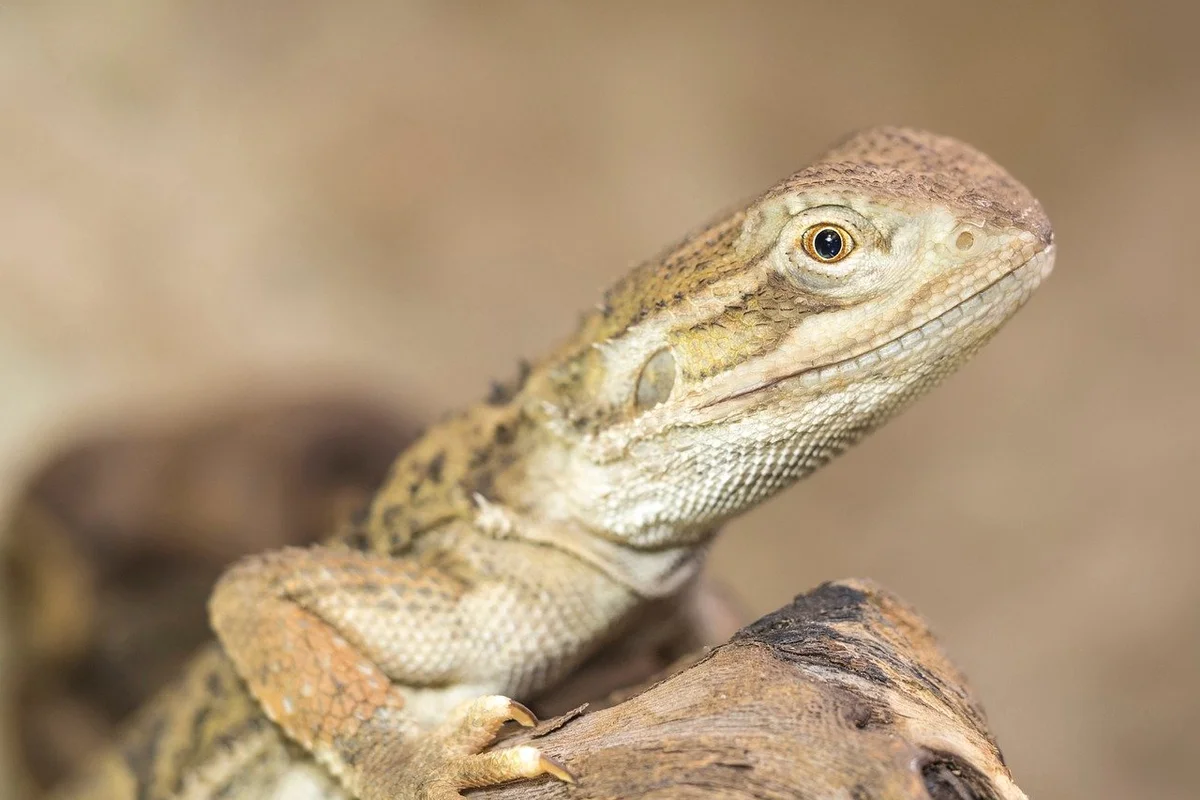
Seeing your dragon pancake frequently can be worrying. I’ve found that a consistent, calm environment is the single biggest factor in reducing this stress-based behavior. Let’s look at the two main areas where you can make a huge difference.
Optimizing Your Bearded Dragon’s Habitat
Their tank is their whole world. When it’s not right, they feel insecure. Getting the basics dialed in is non-negotiable.
- Temperature Gradients are Key: One end of the enclosure needs a basking spot around 95-110°F, while the cool end should be 75-85°F. I use digital thermometers at both ends to be sure. Without this gradient, they can’t thermoregulate properly, which is a major stressor.
- Provide the Right Light: A high-quality UVB tube light is not optional. It should span about two-thirds of the tank’s length and be replaced every 6-12 months, even if it still looks fine. This prevents metabolic bone disease, a painful condition that can cause pancaking.
- Create Safe Hiding Spots: Your dragon needs at least two snug hides-one on the warm side and one on the cool side. This gives them a place to retreat and feel completely secure. I’ve seen my own dragons visibly relax when they have a good, dark hide to duck into.
- Mind the Outside World: Place the enclosure in a low-traffic part of your home. Constant movement outside the glass can make them feel like they’re always on display. Avoid placing them directly across from a window where birds might fly by, as this can trigger their predator-prey instincts.
Handling and Interaction Best Practices
How you interact with your bearded dragon builds trust—or breaks it. Moving slowly and reading their body language is everything. To get your bearded dragon to like you and build trust, start with calm, gentle handling. Consistent, positive interactions help them feel safe.
- Approach From the Front and Below: Never swoop your hand down from above. This mimics a bird of prey. Instead, bring your hand into their line of sight from the front, and let them see you coming.
- Respect the “No”: If your dragon flattens out, puffs their beard, or opens their mouth when you approach, they are saying they need space. Honor that. Forcing interaction will only damage trust. Try again later when they seem more relaxed.
- Start with Short Sessions: Begin with just 5-10 minutes of handling per day. Keep these sessions positive by offering a favorite treat afterward. Gradually increase the time as they become more comfortable with you.
- Support Their Entire Body: When you hold them, make sure all four of their legs are supported on your hand or arm. Letting their legs dangle makes them feel unstable and can prompt a pancaking response for security.
When to Seek Veterinary Care for Pancaking
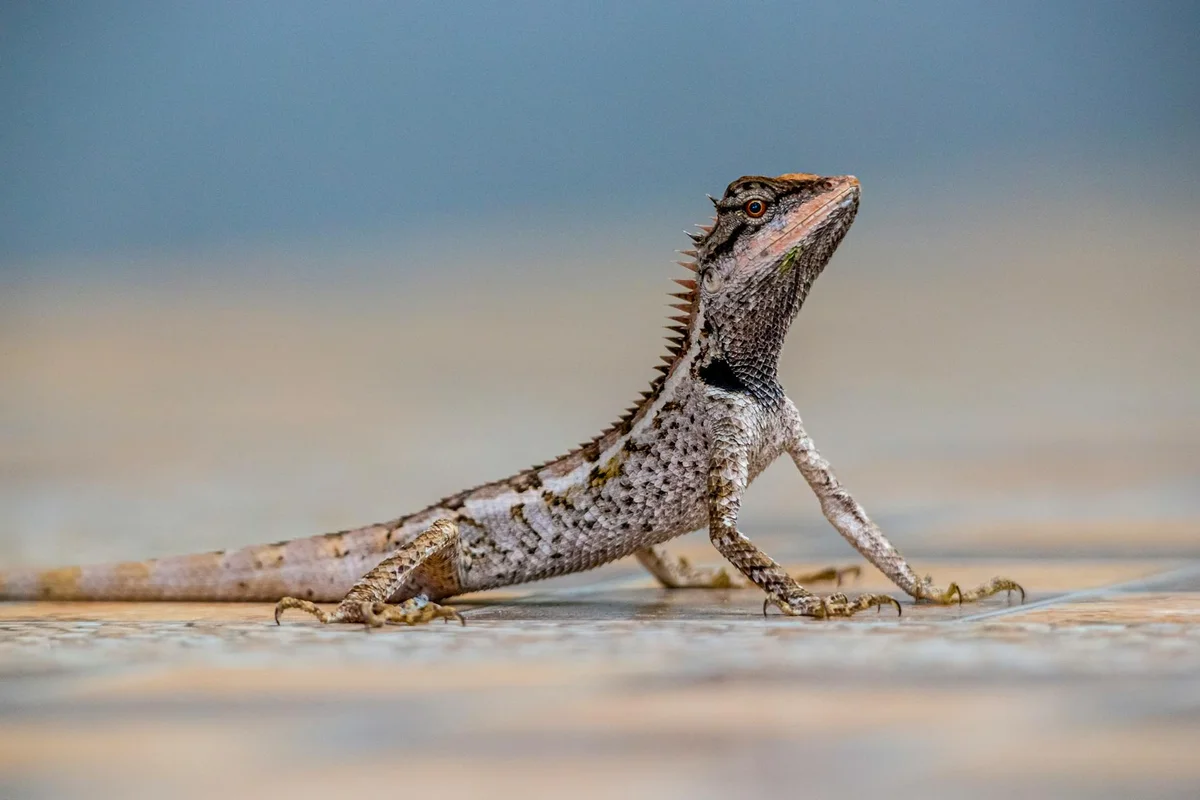
While often behavioral, pancaking can sometimes be a red flag for a health issue. Knowing the difference between a stressed dragon and a sick one is a critical part of responsible ownership. Trust your gut-you know your pet best.
- Prolonged or Constant Flattening: If your dragon is pancaked for hours on end, even when completely alone and in their ideal habitat, it’s time to call the vet. This isn’t a temporary mood; it’s a constant state of distress.
- Pancaking Combined with Other Symptoms: Be very concerned if the flattening comes with lethargy, a lack of appetite, labored breathing, or signs of limb weakness. This combination often points to pain or a systemic illness like a respiratory infection.
- Changes in Fecal Matter: A sudden change in their droppings-diarrhea, strange colors, or a lack of urates-paired with pancaking warrants a vet visit. Their digestive health is a window to their overall well-being.
- You Just Have a “Bad Feeling”: I’ve learned to never ignore this instinct. If something seems off, even if you can’t pinpoint it, a check-up with an experienced reptile vet provides peace of mind. It’s always better to be safe.
Frequently Asked Questions
Why do bearded dragons sometimes pancake in their sleep?
Pancaking during sleep is uncommon and typically occurs if the enclosure is too cool, as they try to maximize heat absorption overnight. If this happens regularly, check that nighttime temperatures stay within the safe range of 65-75°F to prevent discomfort.
Is pancaking behavior different in juvenile versus adult bearded dragons?
Juveniles may pancake more frequently due to higher energy needs for growth and a naturally skittish nature, while adults often do so for established reasons like thermoregulation or defense. The core behavior remains the same, but context and frequency can vary with age.
Can a bearded dragon’s diet influence how often they pancake?
Diet doesn’t directly cause pancaking, but nutritional deficiencies leading to illnesses like metabolic bone disease can increase stress and trigger flattening. Providing a balanced diet with adequate calcium and vitamins helps maintain overall health and reduce stress-related behaviors.
Final Thoughts
Seeing your bearded dragon pancake can be startling at first, but now you know it’s a completely normal part of their body language. This flattening behavior is their versatile way of managing body temperature, showing stress, or trying to look intimidating, similar to when they puff their beard. It’s a powerful signal that helps you understand their immediate needs and feelings.
My advice is to always observe the context-check the temperature of their habitat and look for other signs of discomfort. Your calm and observant response is the key to ensuring your scaly friend feels safe and secure in their home.
Further Reading & Sources
- r/BeardedDragons on Reddit: Why does my beardie flatten out when I pet her?
- Bearded Dragon Laying Flat AKA Pancaking: 3 Reasons Why
- 9 Fascinating Body Postures of Bearded Dragons – Petful
Bearded Dragon Lair is the ultimate resource for bearded dragon enthusiasts, offering expert advice and practical tips to ensure the health and happiness of your scaly companion. With years of experience in reptile care, we are dedicated to providing accurate, up-to-date information to support your bearded dragon journey.
Temperament Insights