
Is Your Bearded Dragon Stressed? Spot the Signs and Ease Their Anxiety
Published on: March 28, 2026 | Last Updated: March 28, 2026
Written By: Beardie Joe
If your bearded dragon has been hiding more, refusing food, or acting unusually skittish, you’re right to be concerned-these subtle shifts can be the first whispers of stress.
With years of experience caring for my own dragons, I’ve learned to read their unique behaviors and create a peaceful environment where they can truly thrive.
We’ll explore the physical and behavioral red flags of a stressed beardie and then dive into actionable, gentle ways you can help them feel safe and secure again.
Recognizing Stress Signs in Your Bearded Dragon
Spotting stress early is your first line of defense in keeping your dragon happy. I’ve learned to watch for two main categories of signals: what I can see on their body and what I can see in their actions.
- Physical symptoms: Look for dark beard or body patches, rapid tail twitching (like a rattlesnake), and any audible or labored breathing.
- Behavioral cues: Pay attention if they spend all day in a hide, seem unusually slow, or suddenly refuse their favorite bugs.
Physical Indicators of Stress
Your dragon’s body talks if you know how to listen. Their skin is a massive mood ring. A consistently dark beard, especially when it’s not breeding season, is one of the clearest “I am not okay” signals they can give. I once had a dragon whose beard would go jet black the moment his UVB bulb started to fade, long before I noticed it myself. If you’re wondering why your dragon’s beard, neck, or tail turns black, it’s usually a sign of stress, improper temperatures, or dehydration. Understanding these color changes can help you spot problems early and keep your dragon healthy.
- Color Changes: Dark patches or a general dulling of their vibrant color can indicate discomfort.
- Eye Bulging: Occasional bulging is normal, but frequent, intense eye bulging can be a sign of high stress or pressure.
- Dehydration Signs: Sunken eyes, loose or wrinkly skin, and a lack of elasticity are red flags for both stress and poor health.
Behavioral Clues of Anxiety
This is where their personality shifts. A dragon that used to scamper towards you now runs away. Glass surfing, where they frantically scratch at the tank walls, is a classic cry for help that usually points to an enclosure problem. This behavior is a signal you can use to diagnose why it happens. By understanding the causes, you can apply practical solutions to fix the enclosure and calm your dragon. It’s heartbreaking to watch and was the first sign that one of my enclosures needed a major upgrade.
- Glass Surfing: Constant scratching and climbing the glass indicates major environmental stress.
- Reduced Basking: If they are always hiding in the cool end and not thermoregulating, something is wrong.
- Regurgitation: Throwing up their food soon after eating is a serious sign of stress or illness.
Common Causes of Bearded Dragon Stress
Figuring out the “why” is the key to fixing the problem. Most stress boils down to their environment or how we interact with them. Getting these basics right solves about 90% of anxiety issues.
- Environmental factors: Incorrect temperature gradients, old or insufficient UVB lighting, and humidity that is too high or too low.
- Handling and social stressors: Over-handling, rough petting, and the presence of other dragons or pets in the same tank or room.
Environmental Stressors
Think of their tank as their entire world. If that world is off, they feel it deeply. An incorrect basking spot temperature is, in my experience, the number one cause of stress-related appetite loss. I test my temperatures with a digital probe thermometer weekly because those dial stick-ons are notoriously unreliable.
- Improper Enclosure Setup: A tank that is too small lacks proper hiding spots, or has insecure lids.
- Lighting Errors: Using colored bulbs at night, a UVB bulb that is over 6 months old, or no dedicated basking lamp.
- Decor Issues: Loud or vibrating decor, or having two of the same resource (like a basking spot) that causes competition if housing dragons together (which I don’t recommend).
Handling and Health-Related Stress
We want to cuddle them, but we must respect their boundaries. Some bearded dragons do enjoy gentle cuddling once they’ve built trust, while others prefer to stay nearby without being held. A sick dragon is a stressed dragon, as pain and discomfort are major anxiety triggers. Always approach your dragon from the side and below their line of sight; coming from above mimics a predator. This simple change made one of my most skittish dragons much more receptive to handling. And while a cuddle can be a bonding moment, kissing a dragon is not recommended—it’s stressful for them and can spread germs.
- Gentle Interaction: Limit handling sessions to 10-15 minutes, support their entire body, and avoid sudden movements.
- Underlying Health Problems: Parasites, impaction, metabolic bone disease, and respiratory infections all cause significant stress and require a vet visit.
How to Reduce Stress and Anxiety in Your Bearded Dragon
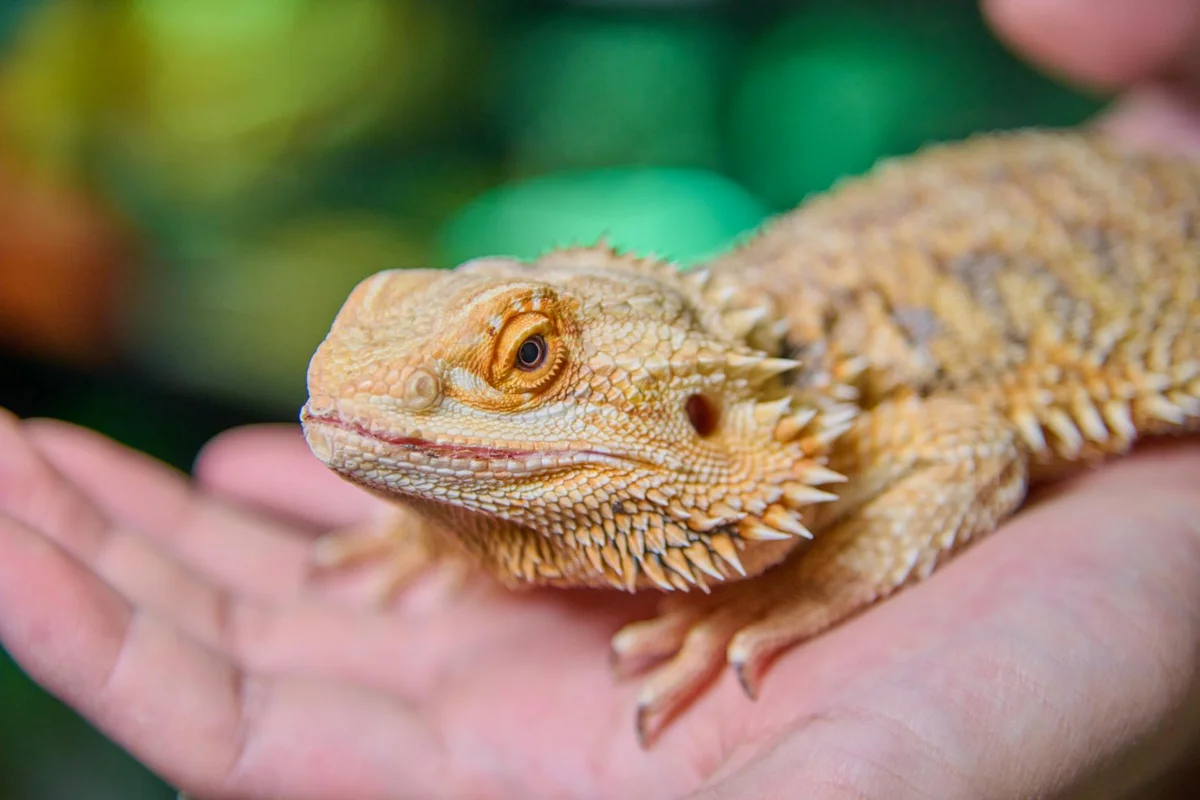
Seeing your dragon stressed can make you feel helpless, but the good news is you have immense power to turn things around. I’ve found that a few deliberate changes to their daily routine and environment can make a world of difference in their demeanor. If your bearded dragon isn’t as active as usual, small adjustments can help revive energy. We’ll cover practical checks and steps you can take to get them back on track. Let’s walk through the steps you can take today.
Optimizing the Enclosure
Think of their tank as their entire world. If that world is uncomfortable, they will never truly relax. Getting the basics right is your first and most powerful step.
- Check Your Temperature Gradient. One side needs a warm basking spot between 95-110°F, while the cool side should sit around 80-85°F. I use two digital thermometers, one for each end, to be absolutely sure. A proper heat gradient allows your dragon to self-regulate its body temperature, which is fundamental to its comfort.
- Provide Multiple Hides. Your beardie needs a safe place to retreat. Offer at least two hides-one on the warm end and one on the cool end. I use a simple rock cave and a half-log; seeing them use both tells me they feel secure.
- Verify Your UVB Setup. This is non-negotiable. You need a long, tube-style UVB light that covers at least half the enclosure’s length. It should be replaced every 6-12 months, even if it still looks bright. Proper UVB is critical for their calcium metabolism and overall well-being, directly impacting their stress levels.
Enrichment and Handling Techniques
Beyond the basics, a little mental stimulation goes a long way. A bored dragon is often a stressed dragon.
- Change Up the Scenery. Rearrange their decor every few weeks. Move a branch, add a new, safe plant, or swap out a hide. It gives them something new to explore without being a major upheaval.
- Make Meals Fun. Instead of just dropping greens in a bowl, try hanging leafy greens from a clip. For bugs, let them “hunt” by using feeding tweezers or placing crickets in a clear, ventilated ball so the dragon can chase it.
- Practice Calm Handling. Always approach from the side and below their line of sight, never from above like a predator. Start with short, 5-10 minute sessions where you simply let them sit on your lap or chest. Low, slow movements and a calm voice will teach your dragon that you are a source of safety, not fear.
When to Seek Veterinary Care for Stress
Sometimes, what looks like stress is a symptom of a deeper medical issue. As a responsible owner, you need to know the red flags.
If your bearded dragon shows persistent lethargy-sleeping all day and showing zero interest in food for more than 48 hours-it’s time to call the vet. This is one of the biggest signs I watch for in my own pets. If you’re worried about why your bearded dragon is sleeping so much, stress or environmental issues can be the reason. A vet visit can help rule out illness and guide you on proper temps, lighting, and hydration.
- Severe Color Changes: While some darkening is normal, a beard that is black for hours on end, especially when combined with other symptoms, signals high distress or pain.
- Labored Breathing: Listen for popping sounds, wheezing, or seeing them breathe with an open mouth while not basking. This can indicate a serious respiratory infection.
- Persistent Glass Surfing: Occasional surfing is common, but constant, frantic pacing against the glass is a major cry for help that shouldn’t be ignored.
Trust your gut. You know your pet better than anyone, and if you feel something is seriously wrong, a vet visit is always the safest choice.
Frequently Asked Questions
How long does it typically take for a bearded dragon to de-stress after environmental changes?
Most bearded dragons begin to show reduced stress within a few days to a week once their habitat is properly adjusted and stressors are eliminated. Maintaining a consistent routine and providing a secure environment can help accelerate this process. De-stressing your beardie properly is key to their well-being.
Can I use any calming supplements or products for my stressed bearded dragon?
There are no specific supplements designed to calm bearded dragons; instead, focus on ensuring they receive balanced nutrition with proper calcium and vitamins. Addressing environmental factors like temperature and hiding spots is more effective than relying on products. There is also a complete guide to safe foods for bearded dragons to help you plan balanced meals. It covers safe vegetables, insects, and the right calcium-rich options to include.
What should I do if my bearded dragon is stressed by other pets in the household?
Place the enclosure in a calm area away from other animals and use visual barriers, such as tank backgrounds, to minimize direct exposure. In a bearded dragon bioactive enclosure setup, you can extend these principles with a natural substrate and safe live plants to support a balanced microhabitat. Always house bearded dragons separately to prevent territorial stress and ensure they feel safe in their own space.
Final Thoughts
Keeping a close, daily watch on your bearded dragon’s behavior and body language is your most powerful tool for spotting stress early. You know your scaly friend better than anyone, and that connection is what will help you notice the small changes, like when their color changes due to stress.
From my own experience, a calm dragon comes down to a consistent routine, a proper habitat, and the quiet confidence of a familiar, safe environment. With patience and a few simple adjustments, you can turn their anxiety into contentment and enjoy a happy, relaxed companion for years to come. If you’re wondering, ‘do I make my bearded dragon happy?’, there are 10 clear signs your pet is content. Look for these indicators to confirm a thriving bearded dragon.
Further Reading & Sources
- Bearded Dragon Stress Marks and Other Signs of Stress – Dragon’s Diet
- Bearded Dragon Stress Marks: Causes & Solutions | Petco
- Signs of Distress in Your Bearded Dragon
Bearded Dragon Lair is the ultimate resource for bearded dragon enthusiasts, offering expert advice and practical tips to ensure the health and happiness of your scaly companion. With years of experience in reptile care, we are dedicated to providing accurate, up-to-date information to support your bearded dragon journey.
Temperament Insights