Is My Bearded Dragon Dying? Critical Health Warning Signs to Look For
Seeing your bearded dragon act off can send a chill down your spine, and that gut-wrenching question-“Is my pet dying?”-is one I’ve faced myself with my own dragons.
With years of hands-on reptile care under my belt, I’ll help you cut through the fear and identify what’s truly urgent, so you can provide the best care for your scaly friend.
We’ll cover the vital red flags in behavior, appetite, and physical appearance that demand immediate attention, giving you a clear action plan to support your dragon’s health.
Immediate Critical Signs Your Bearded Dragon Needs Help
Severe Lethargy and Weakness
There’s a big difference between a bearded dragon taking a lazy afternoon nap and one that is critically weak. A healthy dragon will still be alert, have a strong grip, and move with purpose when it needs to. A dragon that is truly lethargic will feel limp in your hand, struggle to lift its body, or be completely unresponsive to your touch. I once had a dragon who stopped climbing onto his favorite basking spot, and that was my first clue something was very wrong. If your dragon cannot hold its head up or seems to be dragging its limbs, this is a veterinary emergency. Active bearded dragons should be monitored—if yours isn’t acting like its usual self, check the enclosure conditions, hydration, and temperature. For more information on what to do if your bearded dragon seems inactive, visit this helpful guide. If there’s no improvement, contact a reptile veterinarian promptly.
Drastic Weight Loss and Sunken Fat Pads
Regularly handling your dragon helps you notice subtle changes in their body condition that you might miss just by looking. You should feel the solid muscles in their limbs and a well-rounded belly. Run your fingers gently over the top of their head; those prominent bumps behind their eyes are their fat pads, and they should feel plump and full, not concave or sunken in. These observations help you tell healthy dragons from sick ones. Watch for persistent weight loss, lethargy, or a change in appetite as red flags. A prominent spine or hip bones are a clear signal of drastic weight loss. I make it a habit to weigh my dragons every two weeks on a small kitchen scale; a sudden drop in grams is a more reliable alert than just your eyes.
Behavioral and Physical Red Flags
Persistent Loss of Appetite and Regurgitation
It’s normal for a bearded dragon’s appetite to fluctuate, especially during seasonal changes like brumation. What isn’t normal is a complete refusal of food for more than a few days, especially in a young, growing dragon. Any refusal of their absolute favorite treat, like a live hornworm, is a major red flag that demands attention. Even more critical than not eating is regurgitation. If your dragon brings up food shortly after eating, it signals a serious impaction, parasite overload, or internal infection. This is not the same as vomiting and requires immediate professional help. Not eating at all is a separate issue that also demands your attention.
Abnormal Stool: Constipation and Diarrhea
Your dragon’s droppings are a direct window into their health. You should look for three distinct parts: a firm, brown fecal portion, a white, chalky urate, and a small amount of liquid. Normal characteristics of healthy bearded dragon poop can help you identify when something is off.
Respiratory Distress: Wheezing and Mouth Gaping
It’s crucial to know the difference between normal and distressed breathing. A bearded dragon will often sit with its mouth slightly open while basking to thermoregulate; this is quiet and calm. Respiratory distress, however, is loud and labored-you might hear clicking, wheezing, or see mucus bubbles around their nostrils. If your dragon is gaping its mouth when it’s not under the heat lamp, or you see it stretching its neck upward to breathe, it is struggling for air. This is often a sign of a respiratory infection, which worsens quickly without antibiotic treatment.
Common Causes Behind Critical Health Signs
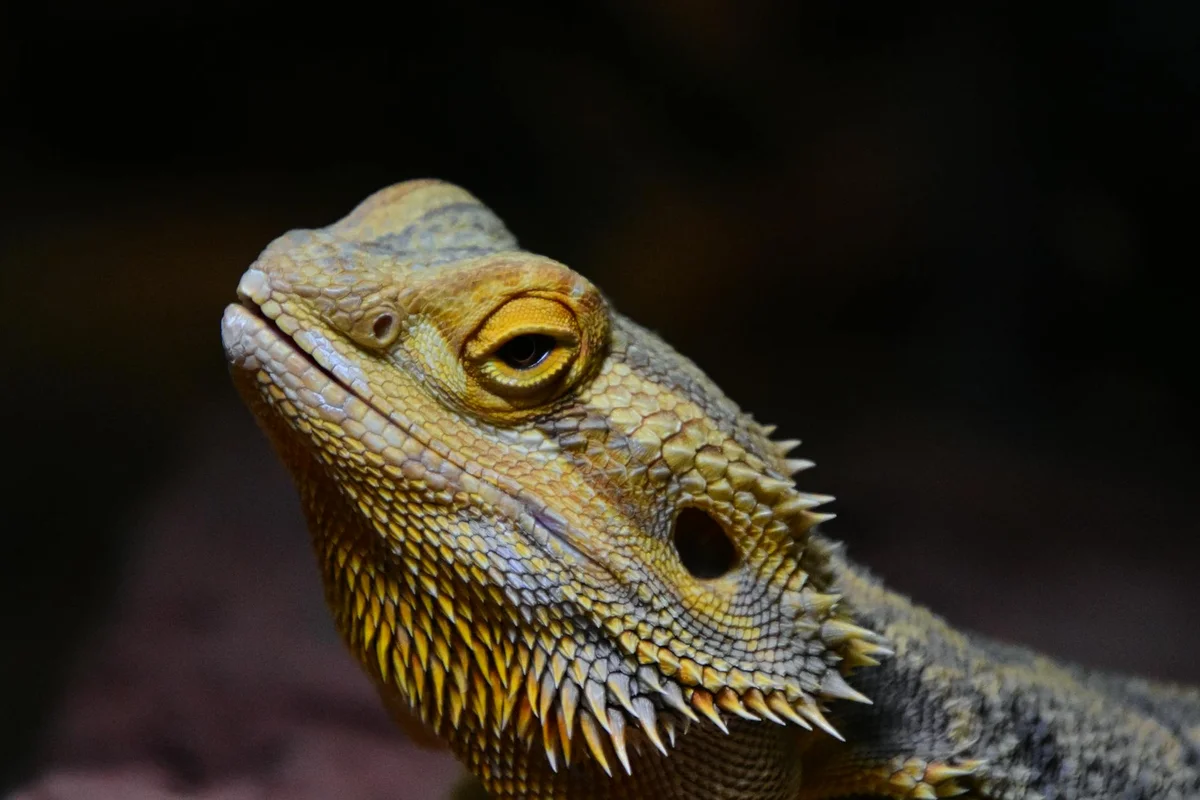
When your bearded dragon shows worrying symptoms, it’s a race to understand the root cause. I’ve found that most emergencies trace back to a few key areas of husbandry that have slipped over time. Let’s break down these common causes. If your dragon is also lethargic, that symptom often signals one of a few underlying issues to check first. Being aware of these common causes can help you act quickly and confidently.
Advanced Metabolic Bone Disease and Calcium Deficiency
This is a heartbreakingly common issue. I once took in a rescue with such advanced MBD his jaw was rubbery. Metabolic Bone Disease isn’t just weak bones; it’s a full-system failure from a lack of usable calcium.
- Primary Cause: A combination of insufficient UVB light and a low-calcium diet. Without UVB, they cannot synthesize Vitamin D3 to absorb calcium.
- What Happens: Their body starts leaching calcium from their own bones to support vital functions like heart muscle movement.
- Key Signs: Swollen, soft jaws; tremors or twitching; bent limbs; difficulty lifting their body; paralysis in the back legs.
Prevention is always easier than treatment, which is why I’m so strict about replacing UVB bulbs every six months, even if they still look fine.
Serious Infections: Mouth Rot and Parasites
Infections can take hold quickly in a stressed or weakened dragon. Mouth rot and internal parasites are two of the biggest offenders. Do treat tail rot and mouth rot in bearded dragons promptly and seek veterinary care to prevent progression. Early treatment can prevent serious complications.
- Mouth Rot (Infectious Stomatitis): Look for cheesy, yellow or gray pus around the gumline, red swollen gums, or loose teeth. It’s often caused by minor mouth injuries that get infected in a dirty or stressful environment.
- Internal Parasites: A small parasite load is normal, but it can explode from stress or exposure. Symptoms include smelly, runny poop, weight loss despite a good appetite, and a bloated abdomen.
Both of these conditions require a vet for proper diagnosis and prescription medication-home remedies just won’t cut it.
Severe Dehydration and Improper Heating
Their entire metabolism runs on heat and hydration. Getting this wrong has cascading effects.
- Dehydration: Sunken eyes, loose/wrinkly skin, and loss of appetite are classic signs. Do the “skin tent” test: Gently pinch the skin on their side. If it doesn’t snap back immediately, they are dehydrated.
- Improper Heating: A basking spot that’s too cool prevents digestion, leading to food rotting in their gut. A spot that’s too hot can cause thermal burns. An environment that’s never the right temperature leads to chronic stress and a weakened immune system.
I always double-check my temperatures with a digital probe thermometer, as the stick-on dial types are notoriously inaccurate.
Is It Sickness, Old Age, or Brumation?
This is one of the hardest questions for an owner. The symptoms can look similar, but the context is everything. Misinterpreting a serious illness for harmless brumation is a mistake I’ve seen have tragic consequences.
Bearded Dragon Dying of Old Age Symptoms
A dragon living to a ripe old age of 8-12 years is a testament to great care. Their decline is typically gradual. Old bearded dragons in captivity can reach the upper end of that range more reliably than in the wild, with proper care. To maximize lifespan, provide appropriate UVB lighting, heat, a balanced diet, and regular veterinary checkups.
- They sleep more and are less active, but can still be roused and may have periods of alertness.
- Appetite decreases, and they may lose weight slowly.
- Their eyes might appear a bit more sunken, but they are still bright and aware.
- You might notice a general “slowing down” without any specific, acute signs of distress like labored breathing or tremors.
The key with old age is a slow, graceful decline, not a sudden onset of alarming symptoms.
How to Tell Brumation from a Critical Illness
Brumation is a natural hibernation-like state. Bearded dragons often enter brumation as a normal, seasonal process. A sick dragon is fighting for its life. Here’s my go-to checklist to tell the difference. It’s important to tell brumation from illness so you know when to seek care.
| Behavior | Brumation (Normal) | Critical Illness (Warning!) |
|---|---|---|
| Weight & Body Condition | Weight remains stable. They have good fat pads on their head and a plump tail base. | Rapid weight loss, sunken fat pads, a thin, bony tail. You can easily see their hip bones and spine. |
| Appetite & Hydration | They may wake occasionally for a quick drink. They have no interest in food for weeks or months. | Complete refusal of both food AND water. Shows signs of dehydration like sunken eyes. |
| Appearance & Posture | They look “peacefully” asleep, often in a hide. Their body is relaxed. | They may sleep in the open. Their posture is often limp, flattened, or contorted. They feel floppy when handled. |
| Waste | They will have completely emptied their system before brumation and produce no waste. | They may have diarrhea, very smelly urates, or no bowel movements due to impaction. |
My rule is simple: if you have any doubt at all, a vet visit is non-negotiable. It’s always better to be safe and get a professional opinion.
Emergency Action Plan: What to Do Right Now
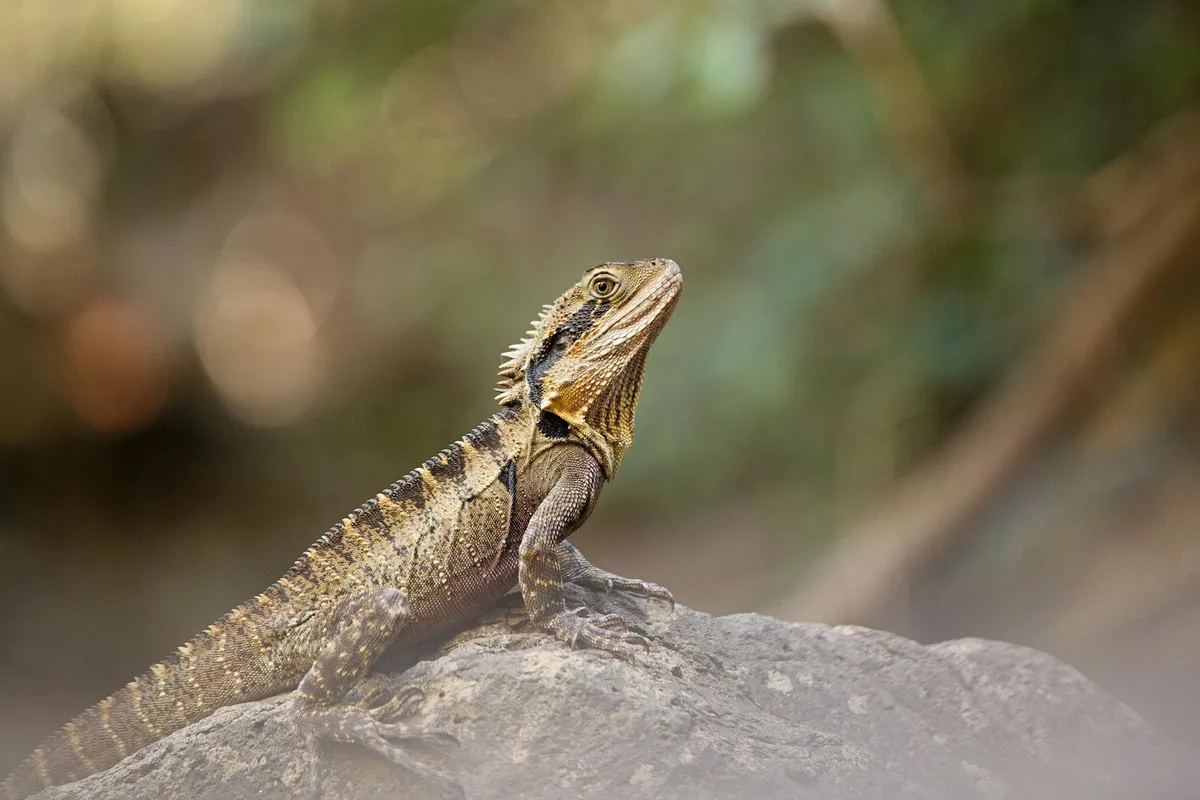
Seeing your dragon in distress is terrifying. I’ve been there, and the panic is real. Take a deep breath; a calm, focused response from you is your dragon’s best chance. This is your immediate game plan.
Step 1: Stabilize Temperature and Hydration
Reptiles are completely dependent on their environment. Your first job is to make that environment as supportive as possible.
- Check the basking spot temperature immediately with a digital thermometer. It must be between 95-110°F for an adult. If it’s low, adjust the bulb or move the fixture closer, but watch carefully to prevent overheating.
- Ensure the cool side of the tank is around 80-85°F. A proper temperature gradient is non-negotiable for their bodily functions.
- Offer water immediately. Use a plastic syringe (without the needle) or a small dropper to place drops of water on the tip of their snout. I’ve had great success gently dripping water on my dragon’s nose until they lick it off, which is far safer than forcing them.
- For a severely dehydrated dragon, a warm (not hot) bath can help. Only fill the water to their shoulders and never leave them unattended.
Step 2: Assess for Immediate Vet Needs
While you’re stabilizing their environment, you need to decide if this is a “drive to the vet now” situation. Some symptoms mean you should not wait and must seek emergency care immediately.
- Is there any bleeding that does not stop with gentle pressure?
- Are they having trouble breathing, with audible wheezing or gasping?
- Have you witnessed a seizure, violent shaking, or a complete loss of consciousness?
- Is there a visible prolapse (where internal tissue is protruding from the vent)?
- Have they suffered a fall from a significant height or show signs of a broken limb?
If you answered yes to any of these, your next step is the emergency vet. Do not delay.
Step 3: Contact a Reptile Veterinarian
Even if the situation isn’t a dire emergency, you need professional help. A regular cat and dog vet often lacks the specific training for reptiles.
- Search online for “reptile veterinarian” or “exotic animal vet” in your area right now.
- Call the clinic. Explain the symptoms clearly: “My bearded dragon is lethargic, not eating, and has blackbearded for over 24 hours.” Be detailed and honest about everything you’ve observed; it helps them triage the situation over the phone.
- Follow their instructions precisely. They may tell you to come in immediately or give you specific at-home care tips until your appointment.
- If the first vet isn’t available, call the next one on your list. Persistence is key when your pet’s health is on the line.
Frequently Asked Questions
What changes in my bearded dragon’s eyes might indicate a critical health issue?
Sunken, dull, or cloudy eyes can be signs of severe dehydration or underlying illness, especially if paired with lethargy or weight loss. These symptoms often require immediate veterinary evaluation to address potential systemic problems.
How long can a bearded dragon survive with a life-threatening condition?
The survival time depends on the specific illness, but without treatment, conditions like advanced infections or organ failure can lead to death within days. Seeking prompt veterinary care is crucial to improve outcomes and provide supportive treatment.
What should I do if my bearded dragon is showing signs of dying from old age?
Focus on keeping them comfortable by maintaining ideal temperatures, offering hydration, and reducing stress. Consult a reptile veterinarian for guidance on palliative care to ensure their quality of life in their final stages.
Final Thoughts
Seeing these warning signs in your bearded dragon can be truly frightening. Remember, you are their first and most important line of defense. Trust your gut—if something feels off, it probably is. If your bearded dragon is hiding, that’s often a sign something is wrong, even before other symptoms appear. Hiding is a common response to stress or illness, so noting this behavior can guide you to act promptly. Acting quickly and getting professional veterinary care is the single best thing you can do for your scaly friend.
From my own experience, noticing a slight change in appetite or a duller-than-usual color has often been the first clue that one of my dragons needed help. Caring for them means being a dedicated observer, and your vigilance is a powerful act of love. You’ve got this.
Further Reading & Sources
- Bearded Dragons – Diseases | VCA Animal Hospitals
- Signs That Your Bearded Dragon is Sick | Clermont Animal Hospital
- Bearded Dragon Health, Illness, & Disease Symptoms
Bearded Dragon Lair is the ultimate resource for bearded dragon enthusiasts, offering expert advice and practical tips to ensure the health and happiness of your scaly companion. With years of experience in reptile care, we are dedicated to providing accurate, up-to-date information to support your bearded dragon journey.
Signs of Illness