What Is Yellow Fungus in Bearded Dragons?
If you’ve spotted unusual yellow or brown crusty patches on your bearded dragon, you might be facing Yellow Fungus, a serious and stubborn infection that requires immediate action.
As a long-time beardie owner, I’ve helped my own reptiles through health scares, and I’m here to guide you through understanding this condition with clear, compassionate advice.
In this article, we will cover the primary causes, the most effective treatment options available from your vet, and the daily preventative steps you can take to protect your scaly friend.
Understanding Yellow Fungus in Bearded Dragons
Yellow Fungus, medically known as Chrysosporium anamorph of Nannizziopsis vriesii (CANV), is a serious and aggressive reptile disease. I’ve seen firsthand how this isn’t a simple skin condition; it’s a deep, systemic infection that can be fatal if not treated aggressively and early.
This condition is different from other, more common fungal issues. A typical fungal problem might sit on the surface of the skin, but Yellow Fungus acts like an uninvited guest that breaks down the door and moves into the house. It doesn’t just live on the skin; it invades deep into the tissue layers, destroying healthy cells as it spreads.
To help you visualize it, think of the fungus like the roots of a tree. You might only see a small, discolored patch on the surface, but underneath, a vast root system is spreading silently through the soil. By the time the problem is obvious on the outside, the internal damage can already be extensive. This is what makes it so dangerous compared to a superficial bacterial or fungal infection.
Recognizing the Symptoms of Yellow Fungus
Catching Yellow Fungus early is your single best weapon in this fight. The signs can be subtle at first, so you must become a keen observer of your dragon’s normal state. Knowing your pet’s baseline behavior and appearance is the most powerful diagnostic tool you have. If you’re trying to tell if your bearded dragon has parasites, a complete guide can help you interpret these subtle cues and know when to seek care. A parasite-focused guide will also spell out the specific signs to watch for and the recommended next steps.
Skin and External Signs
The most well-known symptoms are the visible changes to your dragon’s skin and scales. Keep a close eye out for:
- Yellow, brown, or tan crusty patches that do not go away after a shed.
- Lesions that look raised, rough, or ulcerated.
- Skin that appears stuck during shedding, leaving behind discolored areas.
I always tell other owners that a patch that doesn’t shed away is a major red flag. In my experience, these patches often start in small, hidden areas like the belly, sides, or around the cloaca before becoming more widespread.
Behavioral and Internal Clues
What’s happening on the inside is just as critical as what you see on the outside. The fungus causes internal stress and pain, which shows up in their behavior.
- A noticeable drop in energy levels and increased lethargy.
- Loss of appetite and sudden, unexplained weight loss.
- Changes in bowel movements or difficulty passing waste.
- In advanced stages, you might hear labored breathing or wheezing.
A bearded dragon that stops basking and hides all day is a dragon that is telling you something is very wrong. These behavioral shifts often occur before the skin lesions become severe, so never ignore a sudden change in your pet’s daily routine. If your bearded dragon is hiding, it could be stressed, sick, or reacting to its environment. Check the enclosure temperature, UVB exposure, and overall cleanliness, and watch for other warning signs.
Causes and Risk Factors for Yellow Fungus
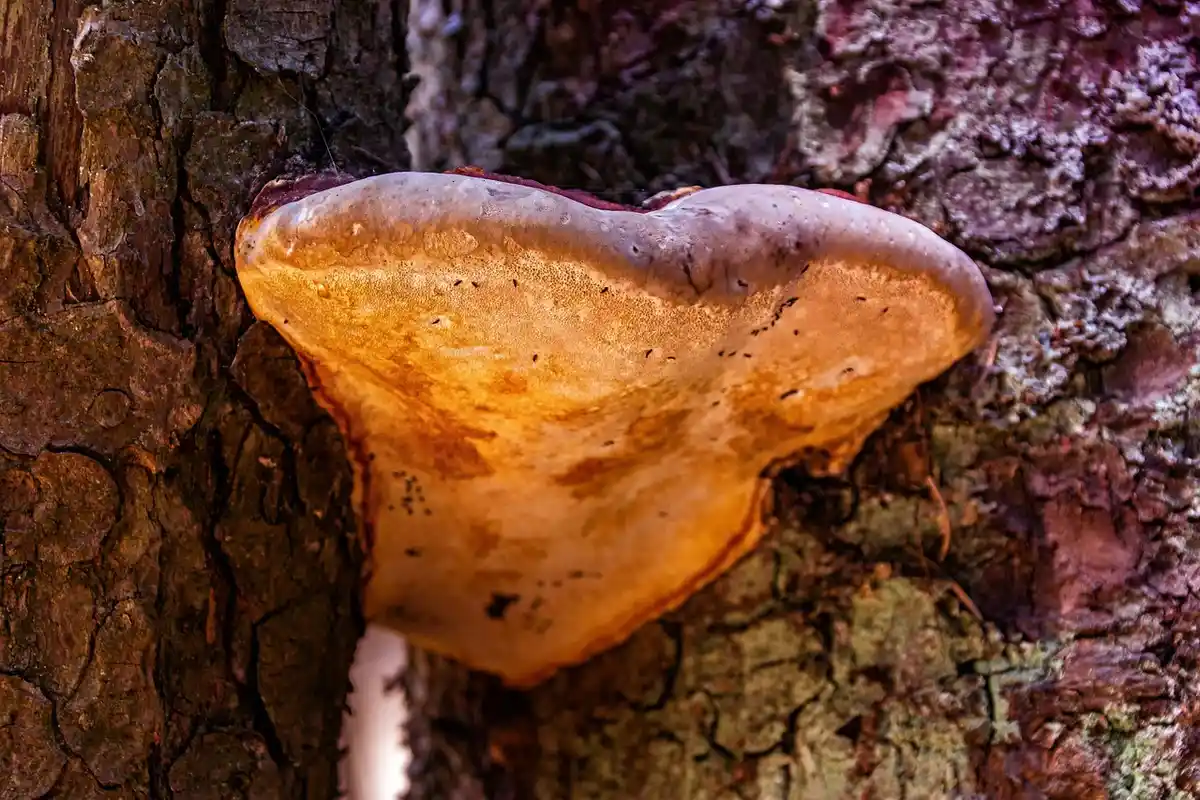
Yellow Fungus doesn’t just appear out of nowhere. It’s almost always a sign that something in the dragon’s environment or care routine is out of balance. I’ve seen it in rescues that came from poor situations, and the common threads are always the same.
- Poor enclosure hygiene is a primary culprit. Feces, leftover food, and shed skin create a dirty, damp environment where fungus thrives.
- Chronic stress is a massive immune system suppressant. A stressed dragon simply can’t fight off infections the way a happy, settled one can.
- Common husbandry mistakes pave the way for trouble. Incorrect humidity levels, especially if they are consistently too high, create a sauna-like habitat that fungi love.
Habitat and Husbandry Issues
Your dragon’s home should be a sanctuary, not a petri dish. The details of your setup make all the difference between health and disease. Getting the fundamentals wrong is an open invitation for Yellow Fungus. Safe plants, woods, and substrates are central to a safe bearded dragon setup. This guide helps you choose non-toxic options so your dragon stays healthy.
- Substrate choice is critical. Avoid moisture-trapping options like peat moss, cedar chips, or plain soil. I personally use and recommend slate tile or reptile-safe paper substrate for easy cleaning and dryness.
- Temperature and UVB lighting are non-negotiable. Inconsistent temperatures prevent proper digestion and immune function. Inadequate UVB lighting stops your dragon from synthesizing vitamin D3, which is vital for a strong immune system and calcium absorption.
Stress and Immune System Factors
Think of your dragon’s immune system like a shield. Stress puts cracks in that shield, allowing infections to take hold. A well-fed, calm dragon has a much better chance of staying healthy. To keep that calm, consider a simple de-stressing routine. This is where a calm stressed bearded dragon guide can help you de-stress your pet.
- Overcrowding with other bearded dragons or improper handling causes immense stress. They are solitary creatures and do not want roommates. Always house them separately.
- A poor diet directly weakens disease resistance. An imbalance of nutrients, especially a lack of proper vitamins and minerals, leaves your dragon vulnerable. I make sure my dragons get a variety of gut-loaded insects and fresh greens.
Diagnosing Yellow Fungus in Bearded Dragons
You cannot and should not try to diagnose this yourself. What looks like Yellow Fungus could be a bacterial infection, a burn, or even just a strange shed. Getting it wrong can be fatal for your pet.
- A veterinary diagnosis is essential. The process typically involves a full physical exam, a review of your husbandry practices, and specific laboratory tests.
- Your vet will likely perform tests like skin scrapings, fungal cultures, or a biopsy. These tests identify the exact type of fungus present, which guides the correct treatment.
- Professional evaluation is the only path to a real diagnosis. Online forums and photos are not a substitute for a trained reptile veterinarian.
Treatment Options for Yellow Fungus
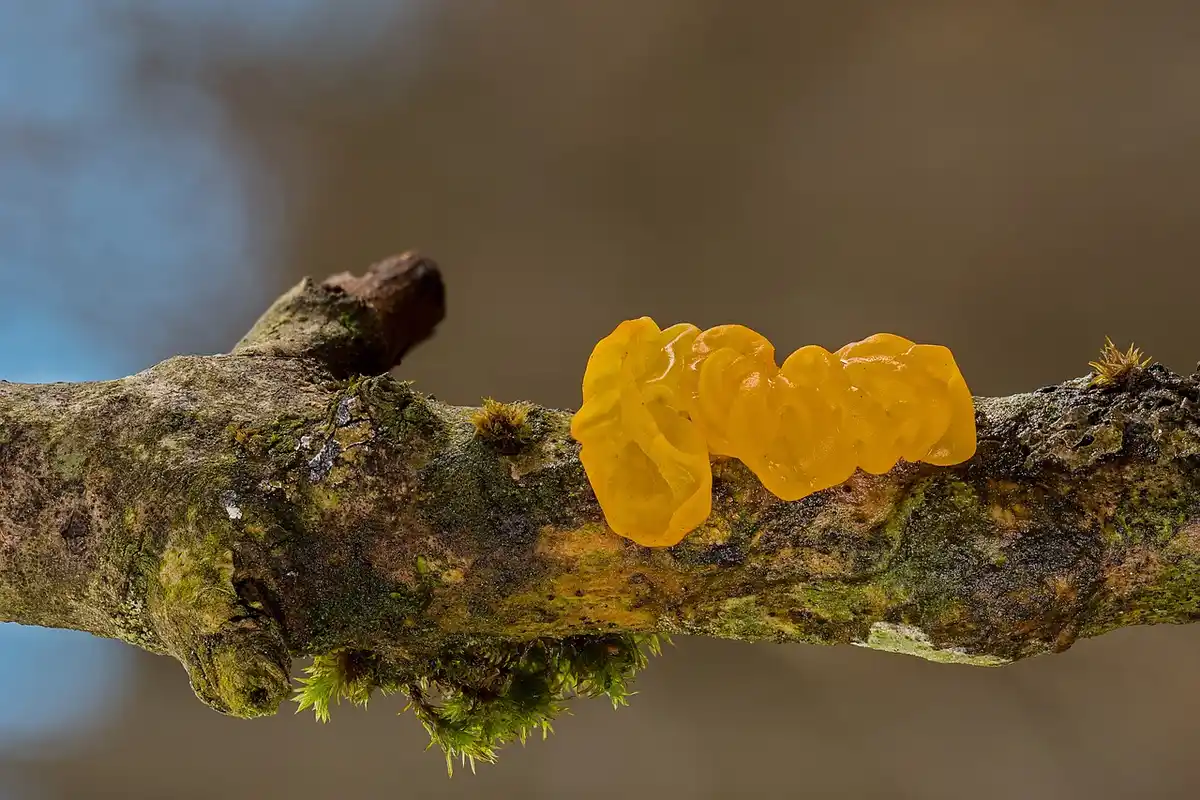
Fighting Yellow Fungus is a two-front war involving both medical treatment and intensive home care. Early and aggressive treatment offers the best chance for recovery. The moment you suspect something is wrong, your vet should be your first call.
- Antifungal medications are the cornerstone of treatment. These can be topical creams applied directly to lesions or oral/systemic medications that work from the inside out.
- Supportive home care is what keeps your dragon strong enough to fight the infection. This includes maintaining perfect husbandry and providing excellent nutrition.
- Seek emergency vet care if your dragon becomes lethargic, stops eating entirely, or if the lesions spread rapidly. This disease can progress quickly.
Home Care and Supportive Measures
Your job at home is to create the optimal conditions for healing. A clean environment and a nutritious diet are powerful medicine. I’ve nursed dragons back to health, and this supportive care is what makes the vet’s treatments work.
- Immediately quarantine the sick dragon in a simple, easy-to-clean hospital tank. This prevents the spread of spores and reduces stress.
- Perform a deep clean of the main enclosure. Discard all substrate and disinfect every surface, decoration, and dish with a reptile-safe disinfectant.
- Boost your dragon’s diet with high-quality, easy-to-digest foods. Offer their favorite insects dusted with vitamins and consider critical care formulas if they are not eating well.
Veterinary Treatments and Medications
Your veterinarian will lead the medical charge. Strict adherence to the prescribed treatment plan is non-negotiable. Stopping medication early is a common reason for relapse.
- Common antifungal options include topical treatments like terbinafine cream and oral medications like voriconazole or itraconazole.
- The treatment timeline is long, often lasting several months. Your vet will require follow-up visits to monitor progress and check for potential side effects, especially with systemic medications.
Preventing Yellow Fungus in Your Bearded Dragon
As someone who has spent years cleaning up after these wonderful, messy creatures, I can tell you that prevention is your absolute best weapon. An ounce of prevention is worth a pound of cure, and this saying has never been truer than with Yellow Fungus. It all comes down to creating an environment where this fungus simply can’t get a foothold.
Enclosure Maintenance and Substrate Choices
Think of your dragon’s tank as their entire world. Keeping that world clean is non-negotiable. I’ve found that a strict routine saves me time and keeps my dragons healthy. Establishing a regular bearded dragon tank cleaning schedule—daily spot cleans, weekly substrate checks, and monthly deep cleans—helps you stay on top of it. Using safe cleaning solutions and proper methods makes those tasks quick and stress-free.
- Daily Spot Cleaning: Every single day, remove feces and urates immediately. I keep a dedicated scooper and a small bin nearby to make this a quick, easy habit.
- Weekly Deep Clean: Once a week, take everything out. Scrub the enclosure, decorations, and food/water bowls with a reptile-safe disinfectant. I let everything air dry completely before putting it back.
- Substrate is Critical: I strongly advise against loose, damp substrates like sand or mulch that can harbor fungal spores. My go-to choices are slate or ceramic tile, paper towel, or non-adhesive shelf liner. They are easy to wipe down and don’t hold moisture.
- Control Humidity and Temperature: Fungus thrives in damp, cool conditions. Use a digital hygrometer to ensure your humidity stays between 30-40%. A proper basking spot of 100-110°F (38-43°C) not only aids digestion but also creates a surface too hot for many pathogens to survive.
Boosting Immune Health and Reducing Stress
A strong immune system is a dragon’s personal bodyguard. Stress is like leaving the gate open for illness.
- Proper UVB Lighting: Your dragon cannot process calcium without a high-quality, full-spectrum UVB light. This is fundamental for bone health and a robust immune system. Replace the bulb every 6-12 months, even if it still looks bright.
- Optimal Nutrition: Feed a variety of gut-loaded insects and fresh, leafy greens. I always dust food with a calcium supplement and a multivitamin a few times a week. A well-fed dragon is a resilient dragon.
- Minimize Environmental Stressors: Place the enclosure in a quiet, low-traffic area of your home. Avoid housing multiple dragons together, as this causes constant competition and stress. Provide plenty of hides so your pet always has a safe place to retreat.
Prognosis and Recovery from Yellow Fungus
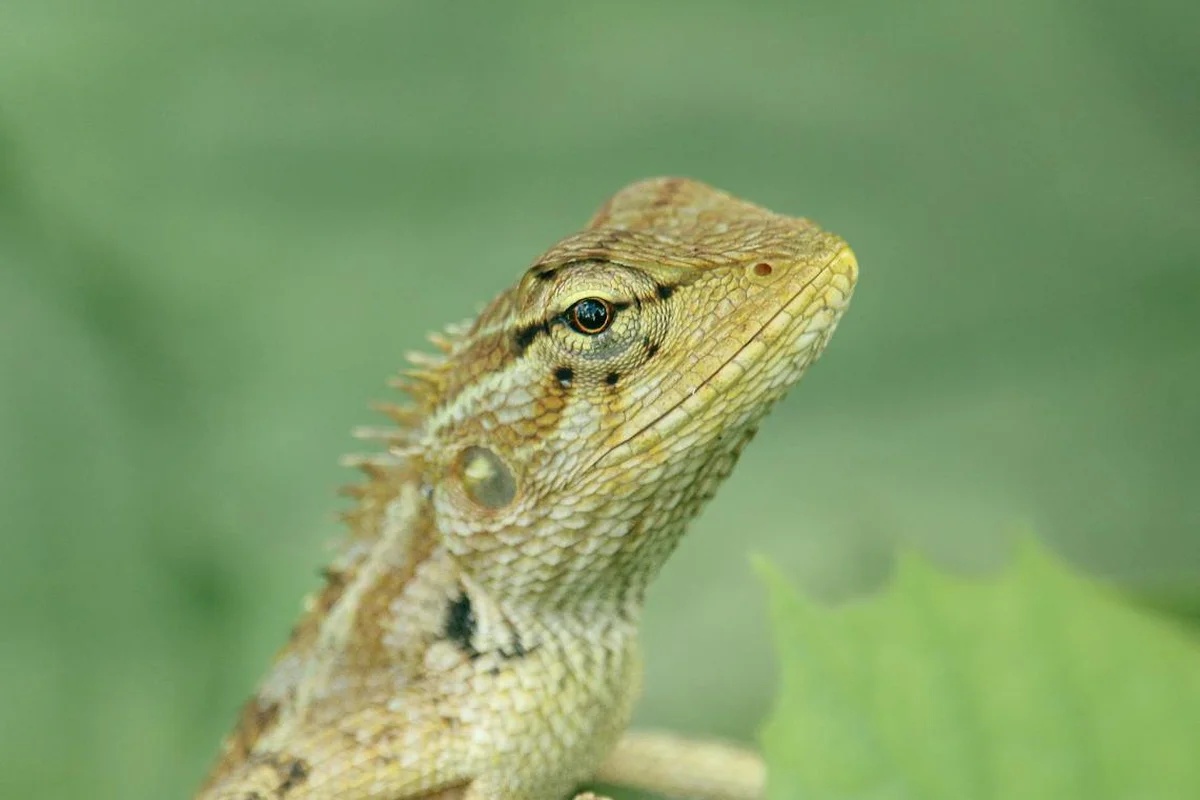
Facing a Yellow Fungus diagnosis is scary, but it’s not always a death sentence. The outcome hinges on a few key factors.
The single most important factor is how early you catch it and begin treatment. Localized, superficial lesions that are treated aggressively have a much better chance of resolution. I’ve seen dragons make full recoveries when their owners acted fast. For bearded dragons, recovery from MBD hinges on prompt treatment and a solid care plan. Our treatment and prevention recovery guide walks you through signs, treatment steps, and prevention strategies to support lasting recovery.
Advanced cases, where the fungus has become systemic or “deep,” have a much more guarded prognosis. It becomes a long, difficult battle for both you and your pet. The dragon’s overall health and age going into the illness also play a huge role. A young, otherwise healthy dragon will fight harder than an elderly or already compromised one. Owners should watch for early warning signs—there are 12 critical health symptoms that should never be ignored when a bearded dragon is sick. Recognizing these symptoms promptly can lead to timely veterinary care and a better chance at recovery.
Recovery is a marathon, not a sprint. It involves strict adherence to your vet’s medication plan, which can last for months. You’ll need to be diligent with topical treatments and possibly oral antifungals. Long-term health management means maintaining those impeccable husbandry standards we discussed, even after the visible signs are gone. Many owners wonder whether bearded dragons need regular vet checkups. The answer is yes—regular checkups and a clear plan for emergencies help catch problems early and keep care proactive. Your dragon’s immune system will need all the support it can get to prevent a recurrence. Regular weigh-ins and check-ups with your reptile vet become a permanent part of your care routine to monitor their health closely.
Frequently Asked Questions
Can Yellow Fungus be transmitted to humans or other pets?
While the specific fungus (CANV) that causes Yellow Fungus in reptiles is not considered a significant risk to healthy humans, it is always best to practice good hygiene. You should thoroughly wash your hands after handling an infected animal or cleaning its enclosure to prevent any potential, though unlikely, cross-contamination.
How long does treatment for Yellow Fungus typically take?
Treatment is a lengthy process, often lasting for several months and sometimes even longer. It is absolutely crucial to continue the full course of medication prescribed by your veterinarian, even after the visible symptoms have cleared, to ensure the deep-seated infection is completely eradicated.
What is the best way to disinfect an enclosure after a Yellow Fungus diagnosis?
You must perform a deep clean using a veterinary-grade disinfectant like F10SC or a diluted bleach solution, ensuring all surfaces are thoroughly soaked and rinsed. It is safest to discard all porous items like wood decorations and substrate, as they can harbor fungal spores and are nearly impossible to fully sterilize. Regarding whether a bearded dragon should be washed, do not wash the animal with cleaning solutions. Instead, focus on enclosure hygiene and use vet-approved methods for bathing if advised.
Final Thoughts
Yellow Fungus is a serious, stubborn infection that demands immediate veterinary attention. There is simply no effective at-home remedy for this aggressive disease. Your quick action in getting a proper diagnosis and starting prescribed antifungal treatment gives your dragon the best possible chance at recovery.
From my own experience, prevention is your most powerful tool. Consistent, meticulous habitat cleaning and reducing chronic stress are the absolute pillars of keeping YFD at bay. Make it a habit to give your dragon a quick once-over during your daily handling; knowing what “normal” looks like helps you spot the subtle changes early. These basics are exactly what a complete beginners guide to taking care of a bearded dragon emphasizes. If you’re new to bearded dragon care, starting with prevention sets you up for success.
Further Reading & Sources
- Fungal Disease (Yellow Fungus Disease) in Bearded Dragons – Veterinary Partner – VIN
- Bearded Dragon Yellow Fungus: Symptoms, Treatments & More | | Bearded Dragon Care – Dragon’s Diet
- Bearded Dragon Yellow Fungus Infection | Bearded Dragon Care
Bearded Dragon Lair is the ultimate resource for bearded dragon enthusiasts, offering expert advice and practical tips to ensure the health and happiness of your scaly companion. With years of experience in reptile care, we are dedicated to providing accurate, up-to-date information to support your bearded dragon journey.
Common Diseases