Should You Feed Your Bearded Dragon Every Day? (A Guide for Babies, Juveniles & Adults)
Published on: December 11, 2025 | Last Updated: December 11, 2025
Written By: Beardie Joe
If you’ve ever stared into your bearded dragon’s tank, wondering if today is a feeding day, you’re asking the right question.
I’ve raised multiple beardies over the years and have formal training in reptile care, so I can help you navigate this based on real, lived experience and a deep commitment to animal welfare.
We’ll cover exactly how often to feed babies, juveniles, and adults, including what foods to offer and why their needs change so drastically.
Understanding Bearded Dragon Feeding Frequency
This is the million-dollar question, and the answer isn’t one-size-fits-all. Feeding frequency is almost entirely dependent on your dragon’s life stage and their incredible rate of growth. I’ve learned through raising several clutches that a schedule that works for a two-month-old would be downright unhealthy for a five-year-old. Their bodies have vastly different needs, from building mass to simply maintaining it. For juveniles specifically, feeding often means multiple small meals spread across the day to fuel their rapid growth. As they mature, you’ll typically taper to fewer, larger meals that still meet their nutritional needs.
Think of it like this: a human toddler needs to eat frequently throughout the day to fuel their development, while an adult follows a more set routine. Your bearded dragon is no different. Getting this schedule right is one of the most impactful things you can do for their long-term health and vitality. A complete feeding schedule helps you know exactly how often to feed, how much, and what to offer at each life stage. Once you have it, you can maintain consistency that supports growth and energy without guesswork.
Baby Bearded Dragon Feeding Schedule
Welcome to the “bottomless pit” stage of dragon ownership! Baby bearded dragons are growing at an astonishing rate, and they need a ton of fuel to support that development. From my experience, a well-fed baby dragon can seem to grow visibly between one week and the next. This rapid growth is why their feeding schedule is so intensive. So, you may be wondering how often to feed a baby bearded dragon and what a complete feeding schedule looks like. I’ll outline a practical daily cadence for babies, including insect amounts and greens.
How Often to Feed a Baby Bearded Dragon
For these little guys, you’re not just feeding once a day. You are offering multiple live feeding sessions.
- Offer live insects 3-5 times per day. I typically stick with three larger sessions for my babies, but some very active or smaller dragons might benefit from an extra offering or two.
- Each session should last about 10-15 minutes. Let them eat as many appropriately-sized insects as they can in that window.
- They might eat anywhere from 20 to 60+ tiny insects per day in total. Do not restrict their intake during these sessions.
- Fresh, finely chopped greens should be available in their enclosure all day long, even if they mostly ignore them at this stage.
The goal is to keep their energy high and their growth steady, preventing any stunting or health issues down the line. You are building the foundation for a strong, healthy adult dragon.
What to Feed a Baby Bearded Dragon
Their diet needs to be protein-heavy to support muscle and skeletal development. Variety is your best tool for providing complete nutrition.
- Staple Live Feeders: Prioritize these gut-loaded insects.
- Dubia Roaches (my personal favorite for their nutritional profile)
- Black Soldier Fly Larvae (excellent calcium source)
- Crickets (a classic, but can be smelly)
- Small Silkworms
- Occasional Treats: Offer these once or twice a week for variety.
- Waxworms (high in fat, use sparingly)
- Butterworms
- Salad Greens: Always have a shallow dish available.
- Collard Greens, Dandelion Greens, Mustard Greens
- Finely shredded Butternut Squash
- You can add a little grated carrot for color
I cannot overstate the importance of dusting their live food with a quality calcium supplement (with D3) for almost every feeding and a multivitamin a few times a week. This practice is non-negotiable for preventing Metabolic Bone Disease, a common and devastating ailment in young, fast-growing dragons.
| Food Type | Feeding Frequency | Key Notes |
|---|---|---|
| Live Insects | 3-5 times daily | Dust with calcium most feedings. Offer as many as they’ll eat in 10-15 mins. |
| Fresh Greens & Veggies | Available 24/7 | They may not eat much, but it’s crucial to establish the habit. |
Juvenile Bearded Dragon Feeding Schedule
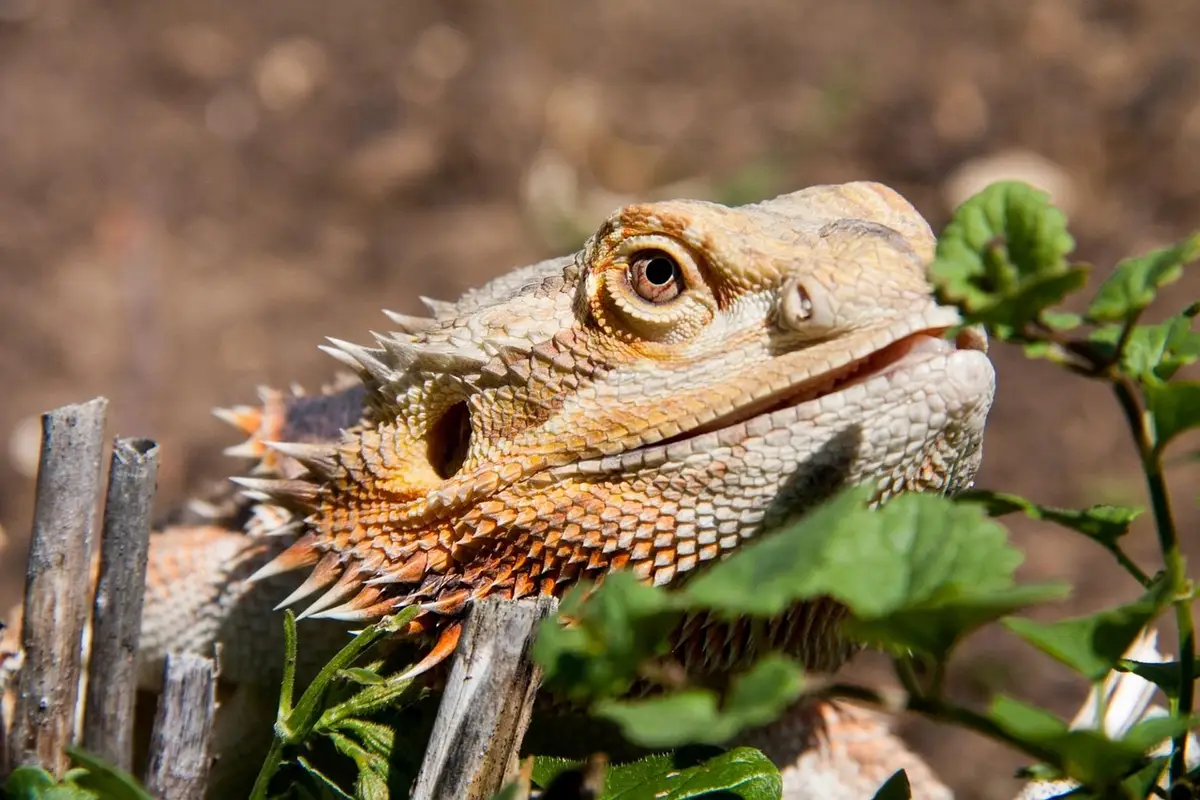
This is the teenage phase, and my, can they eat. Your little dragon is in a massive growth spurt, building bone and muscle at an incredible rate. Their appetite reflects this.
Feeding Frequency for Juvenile Bearded Dragons
From about 5 months to 18 months old, plan on offering food multiple times a day. I feed my juveniles two to three times daily, making sure they have a solid 10-15 minutes to eat their fill of insects during each session. Their metabolism is a furnace, and they need constant fuel. Always remove uneaten insects after the feeding window to prevent stress.
Diet Composition for Juvenile Bearded Dragons
The diet for a growing dragon is a careful balance. Think of it as 70% protein from insects and 30% from fresh vegetables.
- Staple Insects: Focus on dubia roaches, discoid roaches, black soldier fly larvae, and crickets.
- Insect Portion: Offer as many appropriately-sized insects as they can eat in that 10-15 minute window. The insect should be no larger than the space between your dragon’s eyes.
- The Salad: A fresh, finely chopped salad of collard, mustard, and dandelion greens should be available all day, every day. Even if they ignore it at first, the habit is forming.
- Supplements: Dust insects with a calcium supplement (without D3 if you use a UVB light) at one feeding daily, and a multivitamin 2-3 times a week.
Adult Bearded Dragon Feeding Schedule
Once your dragon hits around 18 months, their growth plates have sealed. Their nutritional needs shift dramatically from building mass to maintaining a healthy weight.
How Often to Feed an Adult Bearded Dragon
The daily feedings are over. An adult bearded dragon typically thrives on a meal of insects offered just once per day, or even every other day. I watch my adults closely; some are more active and get insects daily, while my lazier dragons do perfectly well on an every-other-day schedule. This prevents obesity, a common and serious health issue in captive adults.
Adult Diet: Prioritizing Greens Over Insects
This is the biggest change for many owners. You completely flip the juvenile ratio.
- The New Ratio: An adult’s diet should be roughly 80% fresh vegetables and 20% insect protein.
- The All-Day Salad: A large, varied salad is now the cornerstone of their diet. It should be their main course, not a side dish.
- Insect Portion Control: When you do offer insects, a modest portion of 10-20 appropriately-sized bugs per feeding is usually sufficient.
- Salad Variety: Mix it up. I use a base of escarole and endive, adding in bell peppers, shredded squash, and occasional treats like blueberries. A colorful salad is a healthy salad, packed with different nutrients.
Creating a Balanced Bearded Dragon Diet
Protein Sources: Live Prey Feeding Guidelines
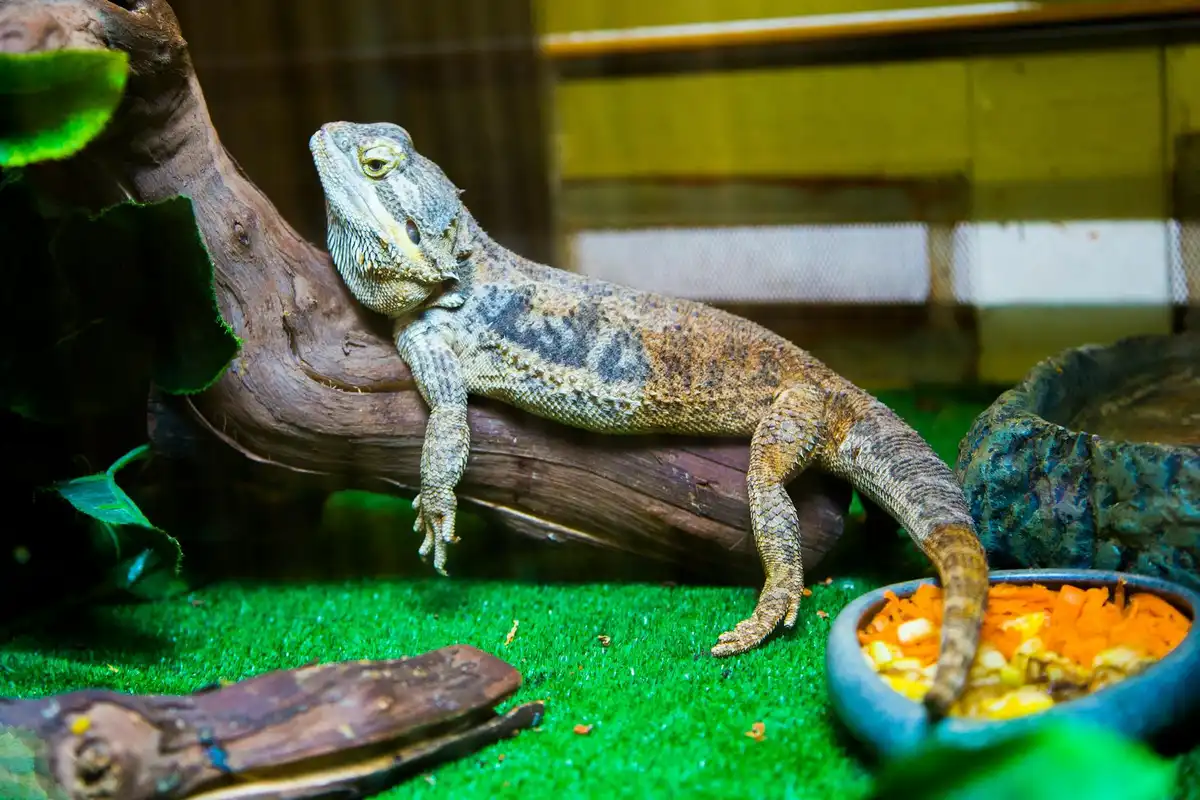
Think of live insects as the main course for your growing dragon. Not all bugs are created equal, and variety is the key to good health. I always rotate between staples like dubia roaches, crickets, and black soldier fly larvae to keep my dragons interested and their nutrition broad.
A varied insect diet prevents nutritional gaps and keeps mealtime exciting for your pet. Steer clear of insects like fireflies, which are toxic, and be cautious with high-fat worms like waxworms, which are best given as occasional treats.
- Dubia Roaches: My personal favorite; they are nutritious, easy to digest, and don’t jump or make noise.
- Crickets: A classic choice, but they can be smelly and require more active hunting from your dragon.
- Black Soldier Fly Larvae (Nutrigrubs): Packed with calcium, these are a fantastic, low-maintenance option.
- Hornworms: Great for hydration due to their high water content, but offer them sparingly.
Greens and Vegetables: Building the Salad Base
While babies might turn their noses up at greens, it’s our job to make veggies a normal part of their world from day one. I start by placing a small, fresh salad in the enclosure every morning, even if my younger dragons just walk through it. The goal is to build that habit. This approach aligns with a bearded dragons eat lettuce guide on safe greens. It helps beginners choose the right lettuces and introduce them safely.
A daily salad introduces crucial fiber and vitamins that insects alone cannot provide. I’ve found that tearing greens into bite-sized pieces makes them less intimidating and easier for a small dragon to eat.
- Daily Staples: Collard greens, dandelion greens, endive, and butternut squash.
- Weekly Rotations: Bell peppers, carrots, zucchini, and bok choy for variety.
- Avoid These: Iceberg lettuce (no nutritional value) and spinach (can bind calcium).
Supplementation: Calcium and Vitamin D3
This is the part of dragon care I see new owners miss most often. Even the best diet can fail without proper dusting. Calcium is the literal building block for their bones and prevents a devastating condition called Metabolic Bone Disease (MBD).
Lightly coating insects with a calcium powder is non-negotiable for a healthy, thriving dragon. I keep a shaker bottle right next to my insect bins so I never forget this critical step.
Your supplementation schedule depends on your UVB light setup. Here is a simple guide I follow:
| UVB Situation | Calcium with D3 | Calcium without D3 | Multivitamin |
|---|---|---|---|
| With a high-quality T5 or T8 tube UVB bulb | 2-3 times a week | 4-5 times a week | Once a week |
| Without a strong UVB bulb (not recommended) | 5-6 times a week | Avoid | Once a week |
Recognizing Feeding Issues
Signs Your Bearded Dragon Is Overfed
An overfed dragon isn’t a happy dragon; it’s an unhealthy one. I learned this the hard way with my first juvenile, who became lethargic and chubby. Obesity puts immense strain on their tiny organs and can shorten their lifespan.
A healthy bearded dragon should have a plump tail base but a visible, non-sagging belly line. This is part of my bearded dragon overweight underweight visual guide to help you spot signs early. Watch for these red flags that suggest you might be offering too much food.
- A bloated, sagging belly that nearly touches the ground when walking.
- Fat deposits forming on the head, making the brow ridges look puffy.
- Lethargy and a lack of interest in exploring or basking.
- Difficulty shedding, as excess fat can interfere with the process.
Signs of Hunger or Underfeeding
On the flip side, a hungry dragon will tell you, often quite loudly. A consistent lack of food leads to poor growth, a weakened immune system, and general unhappiness. Pay close attention to their body language and physical condition.
A dragon frantically glass surfing at feeding time is usually just excited, but constant digging and pacing can signal true hunger. Their body will also show clear signs of being underweight.
- Visible hip bones and a sharply defined spine rather than a smooth, rounded back.
- A thin, bony tail that lacks a healthy, thick base.
- Increased aggression or frantic activity when you approach the tank.
- Lethargy and weakness, which is a more severe sign of malnourishment.
Practical Feeding Tips and Common Mistakes
Getting the schedule right is one thing, but how you deliver that food matters just as much. I’ve found that the little details in your daily routine make a huge difference in your dragon’s health and your bond with them. Curious whether you should feed your bearded dragon daily? A complete feeding guide shows you how to structure a daily plan for balance, portion size, and variety. Let’s walk through the hands-on part of mealtime.
Using a Feeding Dish vs. Hand Feeding
You have two main options for serving dinner, and both have their place. I use a mix of both methods with my own crew.
- Feeding Dish Pros: This is my go-to for staple foods like greens. It keeps salad contained, prevents substrate ingestion, and lets your dragon eat on their own time. It’s also less messy.
- Feeding Dish Cons: Live insects like crickets will just hop right out. Dish feeding offers less interaction and bonding time with you.
- Hand Feeding Pros: This is fantastic for building trust. I hand-feed special treats like a single berry or a waxworm to my adults. It lets you monitor exactly how much they eat, which is crucial for juveniles.
- Hand Feeding Cons: It can accidentally teach food aggression if you’re not careful. Your dragon might also start associating your fingers with food. Always offer food with feeding tweezers or on your open palm.
My personal rule is to use a dish for daily salads and hand-feed (with tweezers) for insect portions. This combo gives them independence while still allowing for that important personal connection.
Hydration and Water Needs
This is a topic that confuses many new owners. Bearded dragons are desert animals and often don’t recognize a standing water bowl. Do they drink from a bowl, and is tap water safe for them? We’ll also touch on moisture considerations, including any potential skin absorption.
- They Get Hydration from Food: Fresh, gut-loaded greens are their primary source of water. This is why a nutrient-rich salad is non-negotiable.
- Providing a Water Bowl: You should still offer a shallow, clean water dish. Some dragons will learn to drink from it, and it helps with humidity.
- Hydration Through Bathing: Many dragons prefer to drink by lapping up water during a warm bath. I do this once or twice a week. Watch closely for them dipping their head to drink.
- Signs of Dehydration: Look for sunken eyes, loose skin that doesn’t snap back quickly, and loss of appetite. If you see these, a warm bath and dropper-fed water are needed.
Focus on providing water-rich veggies like bell peppers and zucchini, and you’ll cover most of their hydration needs effortlessly.
Avoiding Common Feeding Errors
We all make mistakes, but learning from others can save your dragon stress. Here are the big ones I see often.
- Overfeeding Protein to Adults: This is the number one error. An adult dragon on a juvenile’s insect diet will become obese and can develop serious liver and kidney issues.
- Feeding Insects That Are Too Large: The general rule is that no insect should be wider than the space between your dragon’s eyes. I’m strict about this to prevent impaction.
- Skipping the Salad for Babies: Even if your baby dragon ignores their greens, you must offer them daily. This gets them accustomed to seeing it as food.
- Forgetting to Gut-Load: Feeding insects is pointless if those insects are nutritionally empty. You are what your food eats, and this applies directly to your bearded dragon. Feed your crickets and roaches nutritious grains and veggies 24 hours before offering them.
- Leaving Uneaten Live Prey in the Enclosure: Crickets can nibble on and injure your sleeping dragon. Always remove uneaten insects after about 15 minutes.
Frequently Asked Questions
What is the best time of day to feed my bearded dragon?
Feed your bearded dragon during their active hours, typically in the morning feeding after warming up under their basking light, as this supports optimal digestion and energy levels throughout the day. Keeping a consistent schedule helps you monitor appetite and digestion. For many bearded dragons, the best time to feed is the morning window after they’ve warmed up under the basking light, during their peak activity.
What type of feeding dish is safest for bearded dragons?
Choose a shallow, heavy-bottomed dish to prevent tipping and make it easy for your dragon to access food, while also avoiding sharp edges that could cause injury.
How should I prepare crickets for feeding to ensure they are nutritious?
Always gut-load crickets with nutritious foods like carrots or commercial gut-load products 24 hours before feeding, and dust them with a calcium supplement to provide essential vitamins and minerals.
Final Thoughts
Getting your dragon’s feeding schedule right is one of the most impactful things you can do for their long-term health. The golden rule is simple: their diet must evolve as they grow, shifting from frequent protein for babies to a plant-based menu for adults. Sticking to a juvenile’s daily feeding routine for a full-grown dragon is a fast track to obesity and health issues. To keep them thriving, follow a complete feeding schedule that specifies how often and how much to feed at each life stage. This ensures you’re meeting their changing needs as they grow.
I’ve seen firsthand how adjusting food schedules based on age and individual appetite leads to more vibrant, active pets. Use this guide as your foundation, but always watch your own dragon-they’re the best indicator of what’s working. Your mindful care makes all the difference.
Further Reading & Sources
- How Often Do Bearded Dragons Eat? Feeding Chart by Age – Dragon’s Diet
- Feeding and Watering – Care of Bearded Dragons (Pogona vitticeps)
- How Often to Feed a Bearded Dragon (Diet by Age Guide)
Bearded Dragon Lair is the ultimate resource for bearded dragon enthusiasts, offering expert advice and practical tips to ensure the health and happiness of your scaly companion. With years of experience in reptile care, we are dedicated to providing accurate, up-to-date information to support your bearded dragon journey.
Feeding Guidelines