Can Bearded Dragons Eat Lettuce? A Guide to Safe Greens
Published on: January 10, 2026 | Last Updated: January 10, 2026
Written By: Beardie Joe
You’re standing in the produce aisle, a head of lettuce in your hand, wondering if it’s a safe, hydrating treat for your scaly friend.
As a longtime beardie owner with multiple happy dragons, I’ve learned which greens build health and which are just empty filler.
In this guide, we’ll break down which types of lettuce are safe, explain the crucial difference between hydration and nutrition, and give you a list of much healthier greens to feed instead.
The Truth About Lettuce for Bearded Dragons
Let’s get straight to the point. Most lettuce is like serving your dragon a bowl of crunchy water. While not toxic, it’s a nutritional ghost town that fills up their belly without giving their body what it truly needs. I learned this the hard way with my first beardie, Spike, who would eagerly chomp down on lettuce but showed little interest in his more nutritious greens afterward.
Think of lettuce as the occasional snack, not the main course. Its primary benefit is hydration, which can be helpful if your dragon isn’t drinking enough from their water bowl. You can offer it, but it should never be the foundation of their salad bowl.
Safe Lettuce Types and Nutritional Breakdown
If you do choose to offer lettuce, picking the right type makes all the difference. Always opt for darker-leafed varieties, as they typically contain more nutrients than their pale counterparts. Here’s a quick look at the safer options.
Romaine Lettuce: A Hydration Helper
Romaine is the best of the common lettuce bunch for bearded dragons. I sometimes use a few shredded leaves of romaine as a hydrating base to mix with more powerful greens like collard or dandelion. It has a decent amount of fiber and offers a bit more Vitamin A and Vitamin K than iceberg. Romaine is a solid choice among the best safe staple greens for bearded dragons. Keep it as part of a varied diet, and offer occasional treats for enrichment.
Just remember its role. Romaine is a supporting actor in the salad, not the star of the show. It should make up no more than 10% of the overall leafy green portion of their meal.
Green Leaf and Red Leaf Lettuce Options
These are also acceptable in the same way romaine is. Green leaf and red leaf lettuce provide variety in texture and color, which can help entice a picky eater. Their nutritional profiles are very similar to romaine.
- They are high in water content.
- They offer minimal amounts of vitamins.
- They are low in goitrogens (substances that can affect thyroid function), which is a plus.
I’ll often mix a single leaf of red leaf into a salad for visual interest. The key is to view these lettuces as a minor ingredient, not a primary food source.
Lettuces to Strictly Avoid
Some lettuces are a definite no-go for your scaly friend. Steer completely clear of these varieties to keep your dragon healthy and thriving. My rule is simple: if it’s mostly white and crunchy, it’s mostly water and empty calories.
- Iceberg Lettuce: This is the biggest offender. It’s essentially crunchy water with almost no nutritional value and can cause digestive issues like diarrhea.
- Butter Lettuce (including Bibb and Boston): While not as bad as iceberg, it’s still too high in water and too low in nutrients to be worth offering.
- Arugula and Spinach: These aren’t technically lettuces, but people often wonder. Avoid them. Spinach binds to calcium, preventing its absorption, and arugula can be too pungent for many dragons.
Sticking to nutrient-dense greens is one of the easiest ways to be a proactive and caring pet owner. Your dragon’s vibrant health and energy will thank you for making the smarter choice. This guide provides a complete greens list for bearded dragons, detailing which greens are safe to eat and which should be avoided. Knowing what’s safe helps you keep mealtimes consistent and healthy.
How to Properly Prepare and Serve Lettuce

Washing and Chopping for Safety
Before any lettuce touches your dragon’s bowl, it needs a proper bath. I always wash greens, even the organic ones, under cool running water. This isn’t just about dirt; it’s about rinsing off any potential pesticide residue that could harm your pet. Gently rub the leaves with your fingers to ensure every crevice is clean.
After patting the leaves dry with a paper towel, it’s time to chop. A bearded dragon’s jaw isn’t built for large, flat leaves. I chop lettuce into small, manageable pieces, no larger than the space between their eyes. This prevents choking and makes it much easier for them to digest their watery, low-nutrient meal, especially when feeding leaves or stalks like celery that can be more fibrous.
Creating a Balanced Salad Mix
Lettuce should never be the star of the salad. I treat it as a hydrating base to mix with more powerful ingredients. Think of it as the bland cucumber in an otherwise nutrient-packed salad you’d make for yourself.
Here is my go-to method for building a better bowl:
- Start with a very small handful of the well-chopped, washed lettuce.
- Mix in two or three more nutritious staples like collard greens, dandelion greens, or mustard greens.
- Add a colorful “topper” for extra vitamins, like a few shreds of shredded squash or a single raspberry.
This combination ensures your dragon gets the hydration from the lettuce alongside the vital nutrients they truly need from the other greens.
Feeding Frequency and Age-Specific Guidelines
Juvenile Bearded Dragons: Limited Use
For growing babies, every bite counts toward their development. Their diet needs to be packed with protein and calcium to support rapid growth. I avoid giving lettuce to juveniles almost entirely because its high water content can fill their tiny stomachs without providing any substantive nutrition. It’s like giving a toddler a diet soda-it fills them up but offers nothing they need.
Stick to these more appropriate greens for your young dragon:
- Collard Greens
- Turnip Greens
- Endive
- Small, finely chopped Bell Pepper strips
Adult Bearded Dragons: Occasional Treats
For a fully grown beardie, you have a little more flexibility. Their growth has slowed, and their diet consists of about 80% greens. You can offer a small amount of lettuce as a periodic hydrating treat, but it should not become a regular part of their salad rotation. I might add a few pieces to my adult dragon’s food bowl once every couple of weeks, especially on a hot day.
Even for adults, moderation is everything. Overfeeding lettuce can lead to:
- Nutrient deficiencies from missing out on better greens.
- Watery stools or diarrhea from the high moisture content.
- A lack of appetite for their more nutritious staple foods.
Better Green Alternatives for Optimal Health
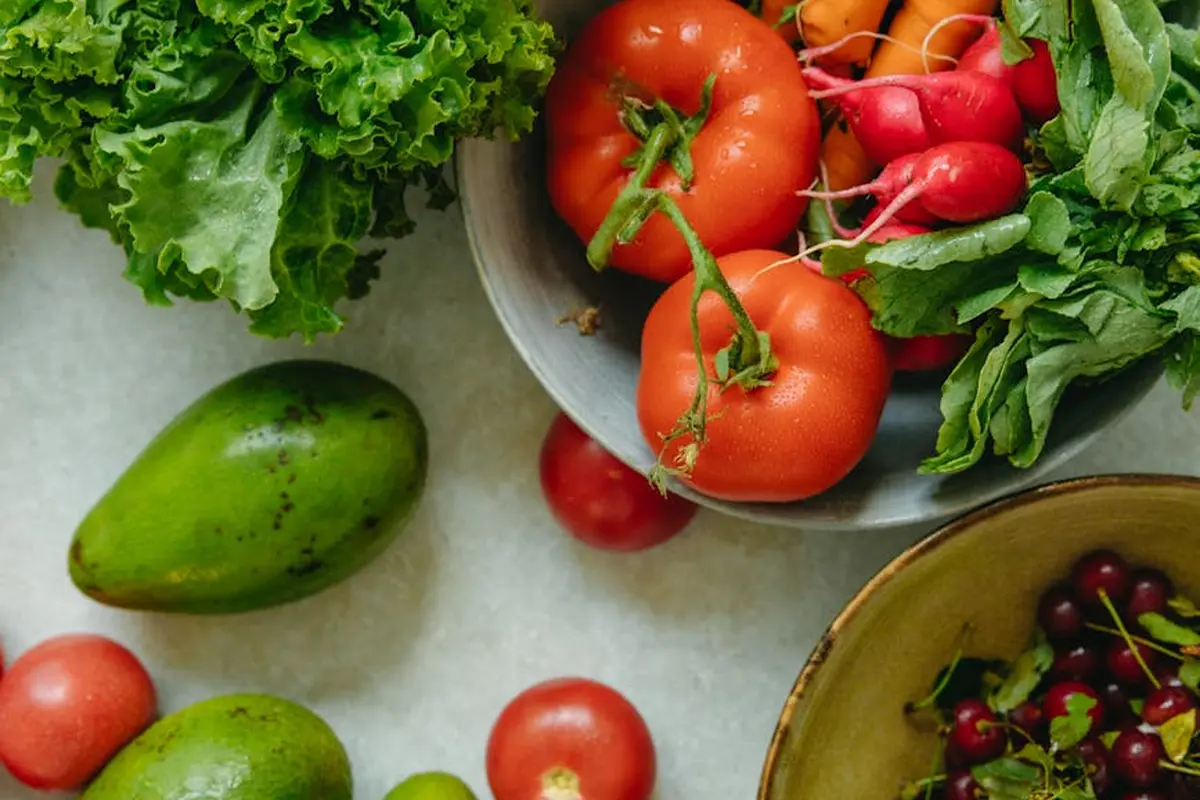
I’ve learned through my own dragons that variety isn’t just the spice of life; it’s the foundation of their health. Moving beyond lettuce opens up a world of flavorful, nutrient-dense greens that actively contribute to your dragon’s vitality. My dragons get visibly more excited for their salads when I mix in these superior options.
Top Calcium-Rich Greens to Try
Calcium is non-negotiable for preventing Metabolic Bone Disease, a heartbreaking and common condition. I always keep these staples in my dragon’s fridge rotation. So how much calcium do bearded dragons actually need? You can find detailed information about their calcium needs here, including considerations of excess. And what happens if you give too much calcium?
- Collard Greens: This is my absolute top pick. They are a fantastic, readily available source of calcium and hold up well in the salad bowl.
- Dandelion Greens: Don’t dismiss these as weeds! They are a powerhouse of calcium and vitamins. Just be 100% sure they are from an untreated, pesticide-free yard or the grocery store.
- Mustard Greens: These add a nice peppery kick that my dragons adore. They offer a great calcium-to-phosphorus ratio.
- Turnip Greens: Another excellent, calcium-rich leaf that provides a different texture and flavor to keep meals interesting.
- Escarole & Endive: These are milder options that are still packed with far more nutrition than any lettuce.
Nutrient-Packed Additions for Salads
Think of these as the “superfood” mix-ins. I use these to add color, different textures, and a broad spectrum of vitamins to their daily meals.
- Butternut Squash: Shredded or finely cubed, it’s a great source of Vitamin A and adds a sweet flavor my dragons go crazy for.
- Bell Peppers (all colors): They are crunchy, hydrating, and full of Vitamin C. I always remove the seeds first.
- Bok Choy: The green parts are a wonderful, crunchy addition. I use it sparingly as part of a varied mix.
- Arugula: Its peppery taste is a big hit with some of my dragons. It’s a great way to add another layer of flavor.
- Cactus Pad (Opuntia): This is a special treat. It’s slimy but incredibly nutritious. I buy it from the grocery store (labeled “nopales”) and remove the spines completely.
Recognizing and Avoiding Health Risks

Feeding the wrong greens, or even the right greens in an unbalanced way, can lead to serious health issues. Being a proactive pet owner means understanding these risks before they become emergencies. I’ve had a scare with early MBD in a rescue dragon, and it taught me to be vigilant.
The Dangers of Nutritional Deficiencies
This is the silent threat. A diet based on nutritionally weak greens like lettuce slowly starves your dragon of what it needs to survive. Knowing which fruits and vegetables are safe for bearded dragons matters. This is where an ultimate safe food list helps you feed a balanced, varied diet.
- Metabolic Bone Disease (MBD): Caused by a lack of calcium or improper calcium-to-phosphorus balance. Symptoms include soft, rubbery jawbones, tremors, difficulty walking, and swollen limbs. It is painful and often irreversible in advanced stages.
- Vitamin A Deficiency: Can lead to swollen eyes, respiratory infections, and trouble shedding. This is why I include orange veggies like squash and bell peppers.
- General Failure to Thrive: A dragon on a poor diet may become lethargic, lose weight, and have a weakened immune system, making them susceptible to parasites and other illnesses.
Digestive Issues from Improper Greens
Your dragon’s gut is a delicate system. Feeding foods with the wrong water or fiber content can throw it completely out of balance. In our daily hydration guide, you’ll learn how much water a bearded dragon should drink each day and the best ways to provide it. This helps keep gut health on track.
- Diarrhea and Dehydration: This is the most immediate risk with iceberg lettuce. The high water content flushes through their system, preventing nutrient absorption and paradoxically leading to dehydration from fluid loss.
- Loss of Appetite: Filling up on “empty” greens like lettuce means your dragon has less room for the nutritious food it actually needs to eat.
- Gut Impaction: While not directly caused by lettuce, a poor overall diet weakens the digestive system. This makes it harder for them to pass other ingested materials, like substrate or insect exoskeletons, leading to a dangerous blockage.
Frequently Asked Questions
What is a simple bearded dragon salad recipe?
A basic recipe starts with a base of nutrient-dense greens like collard or mustard greens, adds finely chopped vegetables such as bell pepper or butternut squash, and includes a small amount of fruit like a raspberry as an occasional topper for variety and extra vitamins.
Can I use salad dressing on my bearded dragon’s food?
No, you should never add any human salad dressings, oils, or seasonings to your bearded dragon’s salad, as these can contain harmful ingredients like salt, sugar, or preservatives that may cause digestive issues or toxicity. Following a complete guide on safe foods for bearded dragons helps ensure balanced nutrition. It covers appropriate leafy greens, vegetables, insects, and supplements while avoiding risky human ingredients.
What are good bearded dragon salad ideas for owners in the UK?
In the UK, focus on readily available greens like watercress, kale, and pak choi, which are safe and nutritious options; always mix these with other staples such as dandelion leaves or endive to create a balanced and appealing salad for your pet.
Final Thoughts
So, can bearded dragons eat lettuce? The simple answer is yes, but you really shouldn’t make a habit of it. Lettuce offers little more than crunchy water, filling up your dragon without giving them the vital nutrients they need to thrive. From my own experience, relying on it can lead to a picky eater who turns their nose up at more nutritious foods. In a bearded dragon’s complete feeding guide, vegetables are included as part of a balanced diet. A varied mix of greens and other vegetables, along with appropriate protein and calcium/vitamin supplements, helps keep them healthy.
Your dragon’s health is built on a foundation of proper nutrition. I always tell fellow owners to think of lettuce as an occasional treat and instead build your staple greens around powerhouses like collard, mustard, and dandelion greens. In our bearded dragon greens guide, we cover safe greens like collard and mustard and how to feed them. Learn which greens are safe and how often to offer them. Your bearded dragon will be brighter, more active, and live a much healthier life for it.
Further Reading & Sources
- Can Bearded Dragons Eat Lettuce? Romaine, Iceberg, or Butter? – Dragon’s Diet
- r/BeardedDragons on Reddit: Can my bearded dragon eat romaine lettuce?
- Can Bearded Dragons Eat Lettuce » Reptile Nutrition Profile
Bearded Dragon Lair is the ultimate resource for bearded dragon enthusiasts, offering expert advice and practical tips to ensure the health and happiness of your scaly companion. With years of experience in reptile care, we are dedicated to providing accurate, up-to-date information to support your bearded dragon journey.
Feeding Guidelines