Can Bearded Dragons Eat Cabbage? Your Guide to Types, Benefits, and Risks
Published on: January 4, 2026 | Last Updated: January 4, 2026
Written By: Beardie Joe
You’re holding a leaf of cabbage and wondering if it’s a safe, healthy choice for your scaly friend-it’s a common question I get from fellow owners.
As someone who has cared for multiple bearded dragons for years, I’ve tested various greens and I’m here to give you clear, experienced advice to keep your pet thriving.
We’ll break down which cabbage types are safe, the surprising nutritional perks, and the critical risks you must know to feed it responsibly.
The Quick Answer: Is Cabbage Safe for Your Beardie?
Yes, your bearded dragon can eat cabbage, but it comes with a major “but.” Think of it as an occasional guest at the dinner table, not a permanent resident. Cabbage is safe in small, infrequent amounts, but overfeeding it is where the problems start. I’ve made this mistake myself, offering it too often, and learned the hard way why variety is so critical. In a complete guide to safe foods for bearded dragons, cabbage is listed as an occasional item rather than a staple. Following such a guide helps ensure you feed a balanced, healthy diet for your dragon.
From my experience with my own dragons, here’s the simple breakdown:
- It’s not toxic. A small piece won’t harm your pet.
- It should be a rare treat. Aim for once a month or less as part of a rotating menu of greens.
- The primary risk is its calcium-to-phosphorus ratio. Cabbage contains compounds that can interfere with calcium absorption, which is vital for preventing Metabolic Bone Disease (MBD).
Exploring Cabbage Varieties: From Green to Savoy
Not all cabbages are created equal in the world of bearded dragon nutrition. The type you choose can make a small but meaningful difference. Always wash any cabbage thoroughly to remove pesticides before offering a tiny, shredded piece to your dragon, just like you would for other leafy greens.
Green and Red Cabbage
These are the most common cabbages you’ll find at the grocery store.
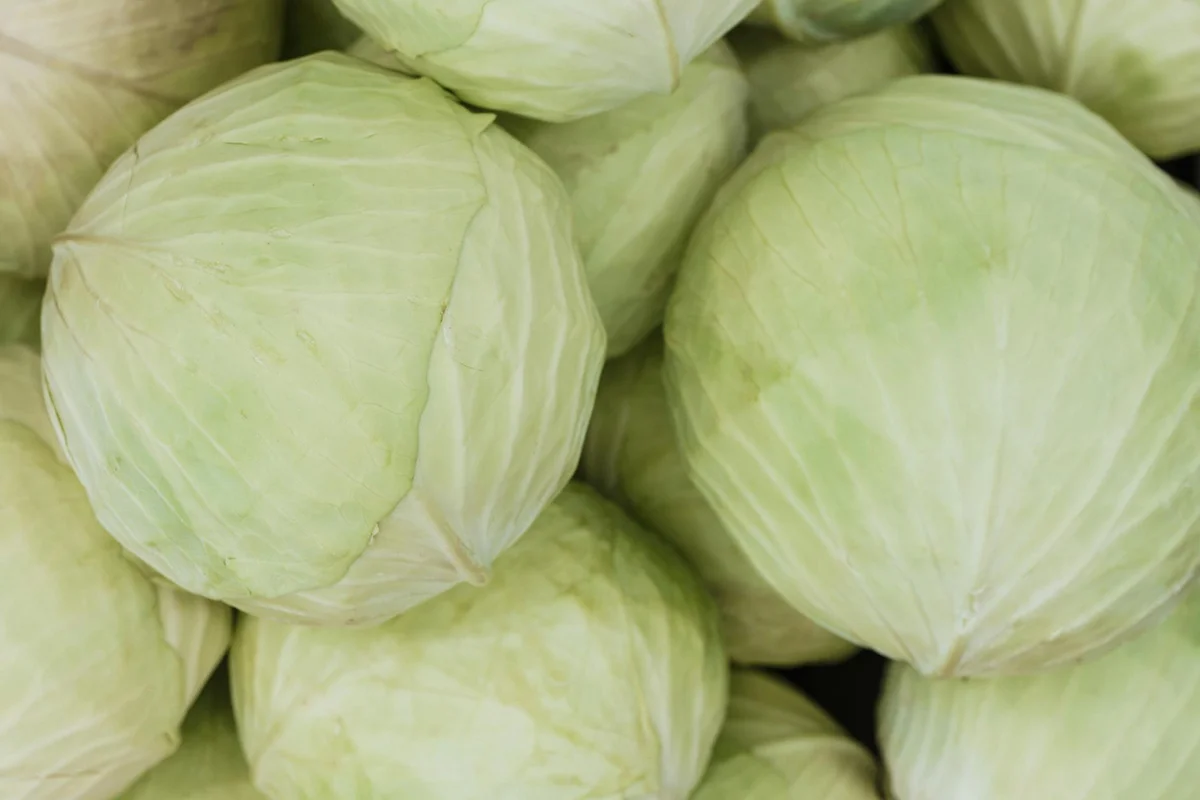
- Green Cabbage: This is the standard, pale green, tightly packed ball. It’s the most neutral option. It still has the concerning calcium-phosphorus issue, but it’s generally a safer bet than red cabbage if you must choose one.
- Red Cabbage: I sometimes see this recommended for its antioxidants, but I use extreme caution. The vibrant color is appealing, but it has a slightly worse calcium-phosphorus ratio than its green cousin. It also contains more goitrogens, substances that can impact thyroid function over time.
Savoy and Napa Cabbage
These varieties have a different texture and nutritional profile.
- Savoy Cabbage: You can recognize this by its dark green, crinkly, and looser leaves. It’s a bit more delicate. Savoy cabbage is often considered a slightly better occasional choice because it tends to have a bit more vitamin A and a marginally improved mineral balance.
- Napa Cabbage: Also known as Chinese cabbage, this is the long, oblong, light-green to white cabbage. It’s much lighter and crunchier. Napa cabbage is typically the best option of the bunch for a very rare treat, as it usually has the most favorable calcium-to-phosphorus ratio among common cabbages.
My personal rule is to stick with a tiny bit of savoy or napa if I ever offer cabbage, and I always pair it with a calcium-rich green like collard or dandelion to help balance the meal.
Weighing the Nutrition: Benefits and Risks of Cabbage
The Good: Vitamins and Hydration
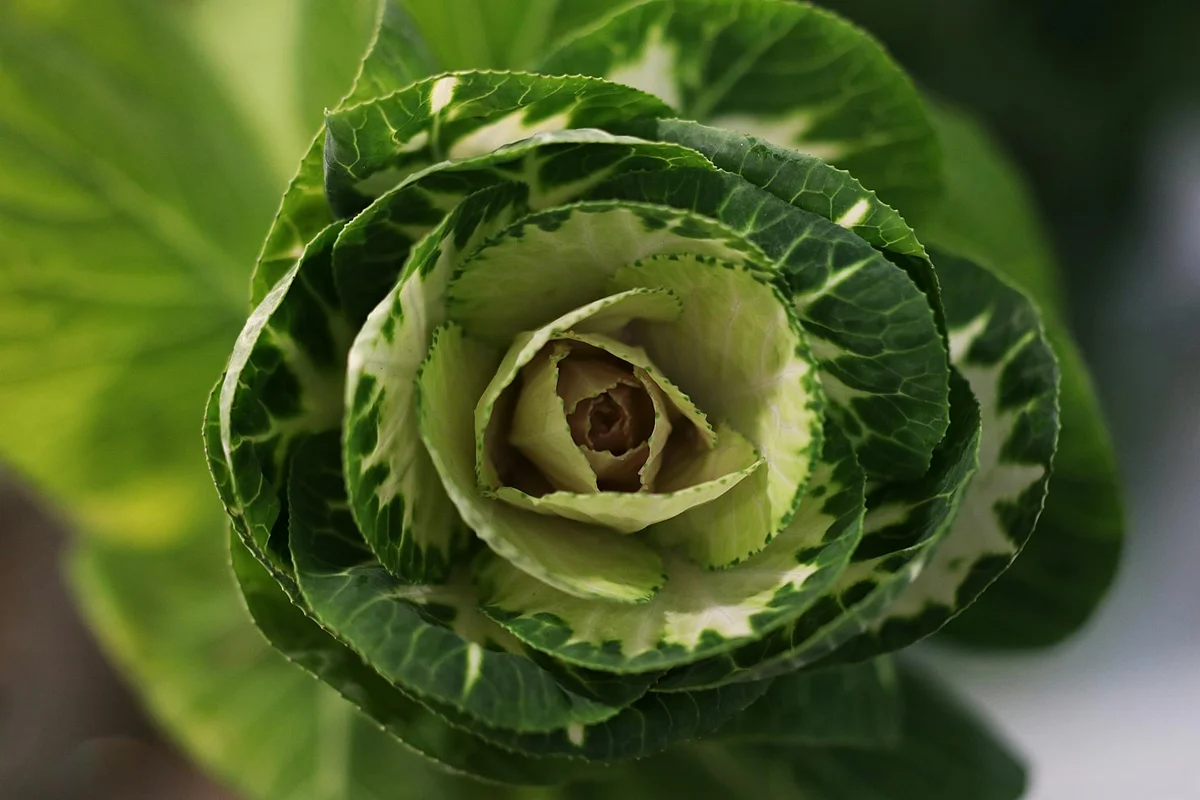
When I chop up a fresh leaf of green cabbage for my dragons, I see a fantastic source of hydration. The high water content is a great way to supplement their water intake, especially if your dragon is a picky drinker. Beyond that moisture, cabbage delivers a helpful punch of Vitamin K, which is vital for healthy blood clotting and bone metabolism.
It also contains a decent amount of Vitamin C, an antioxidant that supports their immune system. I’ve always viewed cabbage as a nice, crunchy vehicle for these nutrients. This crisp texture also provides a little dental exercise, helping to keep their jaws strong. It’s a low-calorie option that can add welcome variety to the salad bowl.
The Concern: Goitrogens and Your Dragon’s Thyroid
Now, we have to talk about the main caveat with cabbage: goitrogens. These are naturally occurring substances that can interfere with the thyroid gland’s function. In simple terms, goitrogens can make it harder for your dragon’s body to use iodine properly, which is essential for a healthy metabolism.
When fed in large, frequent amounts, these compounds can potentially lead to hypothyroidism. The signs can be subtle-lethargy, unexplained weight gain, or a general lack of energy. This is why moderation isn’t just a suggestion; it’s a critical part of responsible feeding. I always balance goitrogenic veggies like cabbage with other, safer greens to ensure my dragons’ thyroid health is never compromised.
Your Feeding Guide: Portion Size and Frequency
Step-by-Step Preparation
Getting cabbage ready for your dragon is straightforward, but doing it right matters. Here is my personal routine:
- Select a fresh, firm head of cabbage. Avoid any leaves that look wilted or have brown spots.
- Peel off one or two of the outer leaves to use. Rinse them thoroughly under cool, running water to remove any dirt or potential pesticide residue.
- I always pat the leaves completely dry with a paper towel. Excess water can make their salad soggy and unappealing.
- Chop the leaf into bite-sized pieces, appropriate for your dragon’s size. For an adult, pieces about half the size of the space between their eyes are perfect.
- Mix the chopped cabbage thoroughly with other staple greens like collard greens, dandelion greens, or butternut squash. This mixing step is key to creating a balanced and enticing meal.
Building a Safe Feeding Schedule
Because of the goitrogen content, cabbage should never become a daily staple. Think of it as a rotational item. In my home, we follow a simple rule of thumb.
- For adult bearded dragons, cabbage can be offered as part of a varied salad mix no more than once every week or two.
- Keep the portion small. A few thin slices or a couple of tablespoon-sized pieces mixed in with their other greens is plenty.
- For baby and juvenile dragons, whose bodies are developing rapidly, I am even more cautious. I recommend avoiding cabbage altogether for young dragons and focusing on more nutrient-dense, low-risk greens.
- Always observe your dragon after introducing any new food, including cabbage. If you notice any changes in their behavior or droppings, remove it from the menu.
Better Greens for a Balanced Reptile Diet
While cabbage can be an occasional visitor to the salad bowl, I rely on a roster of more dependable greens for my dragons’ daily meals. These staples provide superior nutrition without the goitrogen concerns of frequent cabbage feeding. I always aim for a colorful mix, as variety is the secret to a truly healthy dragon.
My Go-To Daily Staples
These are the greens that form the foundation of my dragons’ diets. They’re low in oxalates and goitrogens, making them safe to offer regularly. This ties into my complete safe/unsafe greens list for bearded dragons, outlining which greens to eat, avoid, or limit.
- Collard Greens: A superstar in my kitchen. They’re packed with calcium and hold up well in the enclosure.
- Mustard Greens: Another favorite. They offer a great calcium-to-phosphorus ratio and my dragons seem to love the slight peppery flavor.
- Dandelion Greens: Don’t weed these out! They are fantastic, just ensure they’re from an area free of pesticides and chemicals.
- Endive / Escarole: These are excellent, hydrating options that add nice crunch and variety.
Nutritious Occasional Rotations
I mix these in a few times a week to keep things interesting and boost vitamin intake. They are healthy but best used as part of a rotation.
- Bok Choy: A good option, but I use it sparingly as it contains mild goitrogens.
- Butternut Squash: Shredded finely, this is a great source of Vitamin A and adds a sweet touch they adore.
- Red & Green Leaf Lettuce: These are mostly for hydration and bulk. I use them as a base, not a primary nutrient source.
Creating a vibrant, rotating menu is the single best thing you can do for your bearded dragon’s long-term health. It prevents nutritional gaps and keeps mealtime exciting for them. If you’re wondering whether to feed your bearded dragon daily, a complete feeding guide can help you balance daily portions, greens, insects, and supplements. It explains what to offer on different days and how to adjust as your dragon grows.
Recognizing Trouble: Signs of a Bad Reaction
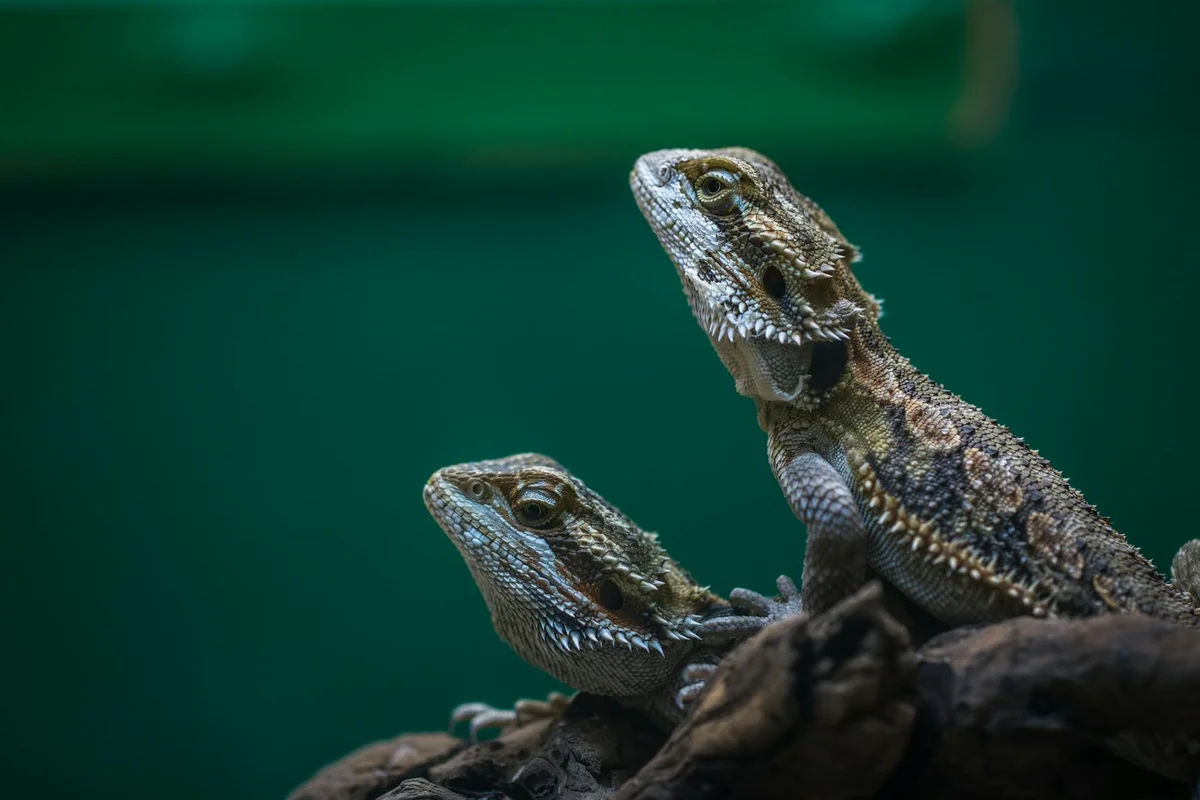
Even with the best intentions, sometimes a new food doesn’t sit right. Paying close attention after feeding cabbage is crucial. Your dragon can’t tell you it has a stomachache, so you must become a detective of its behavior and droppings. I’ve learned this from personal experience over the years. If you’re wondering why your bearded dragon won’t eat greens, there are practical fixes you can try. Start by offering greens in small, varied portions and ensure your enclosure has proper light and heat to support digestion.
Digestive Distress Signals
These are the most common signs that the cabbage (or any food) is causing gastrointestinal upset.
- Runny, Unusually Smelly, or Mucus-Laced Stool: This is a clear sign their system is irritated.
- Lethargy and Lack of Appetite: A dragon that is suddenly sluggish and refusing food may be feeling unwell.
- Visible Bloating or Discomfort: If their belly seems distended and they are glass surfing or digging excessively, it could signal gas or impaction.
What to Do Immediately
If you notice any of the above symptoms, here is my step-by-step response plan.
- Remove cabbage and all other greens immediately. Offer only water for the next 12-24 hours to let their system rest.
- Ensure their basking spot is at the perfect temperature. Proper heat between 95-110°F is essential for digestion. A warm belly can help them pass the discomfort.
- Offer a warm bath. Gentle soaking can encourage bowel movements and provide hydration.
- Reintroduce a simple, proven green. After the rest period, offer a small amount of a trusted staple like collard greens.
If symptoms persist for more than 48 hours, or if your dragon becomes severely lethargic, a vet visit is non-negotiable. Reptiles hide illness well, so prolonged signs always warrant professional care. Understanding healthy vs sick bearded dragon signs helps you spot trouble early—watch for changes in activity, appetite, shedding, and eye or skin condition. Early recognition can make a big difference in outcomes.
Frequently Asked Questions
Can bearded dragons eat sweetheart cabbage?
Yes, sweetheart cabbage is safe in tiny, occasional servings, but like other cabbages, it contains goitrogens and has a poor calcium-to-phosphorus ratio, so it should be a rare treat mixed with safer greens.
Is purple cabbage safe for bearded dragons?
Purple cabbage is essentially the same as red cabbage and should be used sparingly due to its high goitrogen levels and unfavorable mineral balance, which can impact thyroid function and calcium absorption over time.
Are cabbage greens safe for daily feeding?
No, cabbage greens of any type should not be fed daily; their goitrogen content and calcium-binding properties make them suitable only as an infrequent part of a varied diet to avoid health issues.
Final Thoughts
So, can your bearded dragon eat cabbage? The short answer is yes, but think of it as a guest star, not the main character of their diet. Offering cabbage once or twice a month provides variety without overloading them with goitrogens. I always stick to green or savoy cabbage for my own dragons, as these are the gentlest options. This is just one piece of a complete bearded dragon vegetable feeding guide. In the full guide, you’ll find which greens to offer, how often to feed them, and how to balance vegetables with protein.
Ultimately, a bearded dragon thrives on diversity. Rotating cabbage with other staple greens like collard and mustard greens is the secret to a happy, healthy pet. Bearded dragon care guides often list collard and mustard greens as safe, leafy options. This greens guide explains how to offer them properly. By feeding it thoughtfully, you can safely add this crunchy vegetable to your dragon’s menu.
Further Reading & Sources
- r/BeardedDragons on Reddit: Bearded Dragon is Crazy for Cabbage
- Can Bearded Dragons Eat Cabbage? It’s Goitrogenic, But Can Be Safe – Dragon’s Diet
- Can Bearded Dragons Eat Cabbage? Expert Answers on Red, Green, and More
Bearded Dragon Lair is the ultimate resource for bearded dragon enthusiasts, offering expert advice and practical tips to ensure the health and happiness of your scaly companion. With years of experience in reptile care, we are dedicated to providing accurate, up-to-date information to support your bearded dragon journey.
Feeding Guidelines