Can Bearded Dragons Eat Cauliflower? (Leaves, Greens & Raw)
Published on: January 8, 2026 | Last Updated: January 8, 2026
Written By: Beardie Joe
You’re probably looking at that crunchy cauliflower and wondering if it’s a good choice for your bearded dragon’s next meal.
As someone who’s cared for many bearded dragons over the years, I can help you navigate this common feeding question with confidence.
We’ll explore the safety of raw cauliflower, its nutritious greens, and how to serve it properly for your pet’s well-being.
Is Cauliflower Safe for Bearded Dragons?
Yes, bearded dragons can eat cauliflower, but it comes with a significant “but.” I think of it as an occasional guest at the dinner table, not a regular resident. The main concerns are two natural compounds: goitrogens and oxalates. This fits into the bearded dragons eat vegetables complete feeding guide, which covers safe vegetables, feeding frequency, and how to balance their diet. In that guide, cauliflower is listed as an occasional treat rather than a staple, with emphasis on leafy greens and variety.
Goitrogens can interfere with thyroid function by impacting iodine uptake. Over time, a diet too rich in goitrogenic foods can potentially lead to metabolic issues. Oxalates, or oxalic acid, bind to calcium and prevent your dragon from absorbing it properly. This is a major problem for reptiles that need ample calcium to prevent Metabolic Bone Disease (MBD), a serious and painful condition. Bearded dragons often eat spinach. However, its calcium oxalates can hinder calcium absorption, so spinach should be fed sparingly and not relied upon for calcium.
From my own experience, my beardie, Smaug, once snagged a small piece of raw cauliflower from my salad prep. While a single tiny piece won’t cause harm, it solidified my rule: cruciferous veggies are a rare, finely chopped treat mixed into his regular greens. I’ve never had an issue using this method, but I would never make it a staple.
- Benefits: Provides hydration, vitamin C, and some fiber.
- Key Risks: Contains goitrogens that can affect thyroid health and oxalates that block calcium absorption.
- Feeding Advice: Strictly an occasional treat, offered raw and in very small, manageable pieces.
Nutritional Value of Cauliflower for Bearded Dragons
The most critical number to look at for any bearded dragon food is the calcium-to-phosphorus ratio. We aim for a ratio of 2:1 or higher, meaning twice as much calcium as phosphorus. Cauliflower turns this ideal on its head. That raises the question: how much calcium do bearded dragons actually need, and can you give too much? Too much calcium can lead to health problems, so follow age- and product-specific guidelines.
Raw cauliflower has a Ca:P ratio of roughly 1:1.2. It has more phosphorus than calcium. This unfavorable ratio, combined with the oxalates, makes cauliflower a double-whammy for calcium availability. Your dragon’s body has to work against the food to get what it needs.
Here’s a quick look at what a small serving of raw cauliflower provides:
| Vitamin C | Boosts immune system function. |
| Vitamin K | Supports healthy blood clotting. |
| Fiber | Aids in healthy digestion. |
| Water Content | Helps with hydration, which is always a bonus. |
When you compare it to staple greens like collard or dandelion greens, which have excellent Ca:P ratios and are low in oxalates, cauliflower simply doesn’t compete. It’s a low-nutrient vegetable that takes up space which could be filled with more beneficial foods. Think of it as the “empty calories” of the bearded dragon world-it offers a little hydration and a few vitamins, but the metabolic cost is too high for regular consumption.
Can Bearded Dragons Eat Cauliflower Leaves and Greens?
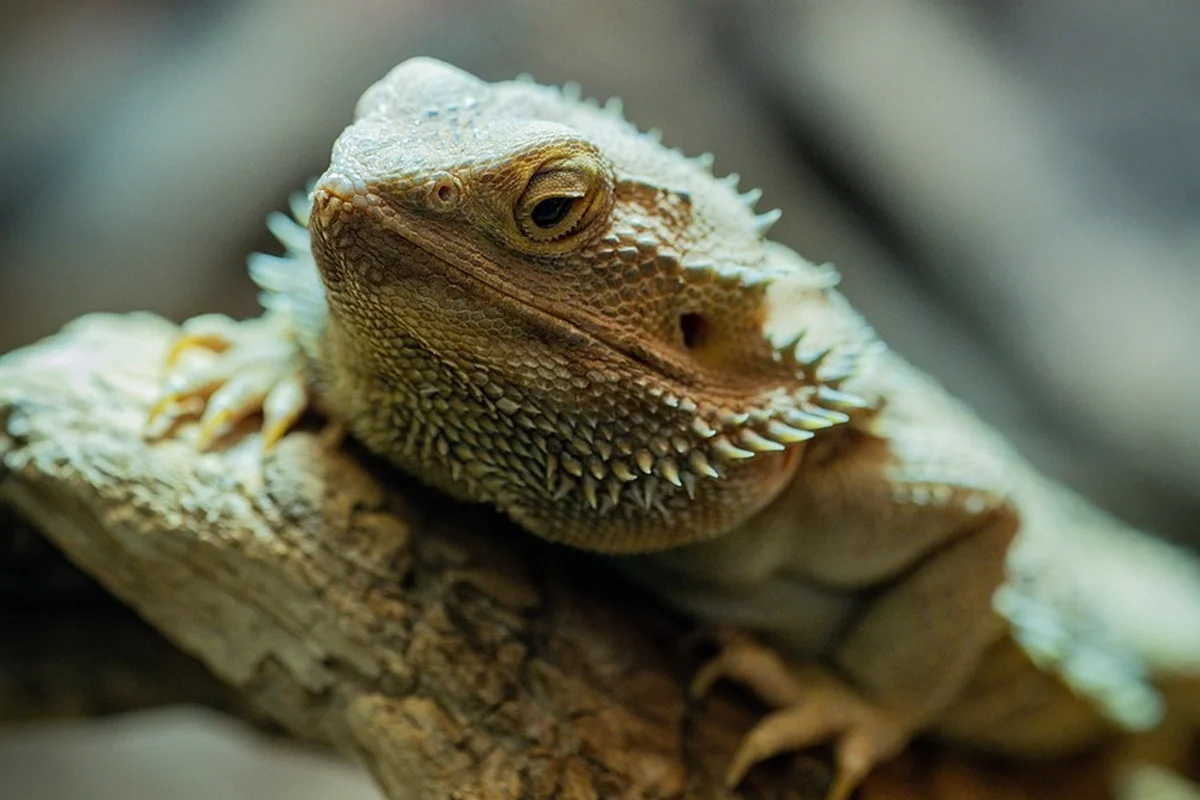
You might be eyeing the whole cauliflower head in your kitchen and wondering if those vibrant green leaves are fair game for your dragon. I’ve certainly been there, holding a bunch of leaves and debating the pros and cons.
From my experience, offering a variety of greens is key to keeping my dragons interested in their salads, and cauliflower leaves can be part of that rotation, along with spring mix.
- Cauliflower Leaves & Greens: These are generally safe for your bearded dragon to eat. They are not toxic. I often find the leaves to be a bit tougher and more fibrous than the floret, which can be a good thing for jaw exercise. However, they share the same nutritional concerns as the rest of the plant.
- Cauliflower Florets: The white, compact head we most commonly eat. This part is softer and contains a high concentration of the compounds we need to be cautious about.
The main things to watch for are the same across the entire plant: goitrogens and oxalates. Both the leaves and the florets contain these compounds, so neither is a “safer” option in that regard. I’ve fed the leaves to my adult dragons on rare occasions as a way to add a different texture to their meal, but I always ensure it’s a small part of a much larger, more varied green mix.
How to Prepare Cauliflower for Your Bearded Dragon
Proper preparation is your best friend when introducing any new food, and cauliflower is no exception. Taking a few extra minutes here can make all the difference for your pet’s health.
- Wash the cauliflower thoroughly under cool, running water.
- Chop the florets or leaves into bite-sized pieces, no larger than the space between your dragon’s eyes.
- Mix a small amount of the chopped cauliflower into a base of staple greens like collard or dandelion greens.
- Lightly dust the entire salad with a calcium supplement before serving.
- Remove any uneaten food from the enclosure within a few hours to prevent spoilage.
Washing and Cutting Cauliflower
I can’t stress this enough: washing is non-negotiable. Conventionally grown cauliflower can harbor pesticide residues that are harmful to your small reptile. I always give mine a good scrub, even if it’s labeled organic, just to be safe.
When it comes to cutting, think small and manageable. Chopping the cauliflower into tiny, confetti-like pieces ensures your dragon can easily chew and digest it without a risk of choking. I use a sharp knife to make clean cuts, avoiding any crumbly, mushy bits.
Raw vs. Cooked Cauliflower for Bearded Dragons
This is a common question, and I almost always recommend feeding it raw. Here’s a quick breakdown from what I’ve learned and practiced.
- Raw Cauliflower:
- Pros: Maintains all its natural water content and nutrient integrity. It provides a satisfying, crunchy texture that dragons often enjoy.
- Cons: Contains the full, natural levels of goitrogens.
- Cooked (Steamed) Cauliflower:
- Pros: Steaming can slightly reduce the levels of goitrogens, potentially making it a bit safer in that one specific aspect.
- Cons: The cooking process destroys heat-sensitive vitamins like Vitamin C and softens the vegetable, removing the beneficial crunch and much of the water content.
In my own routine, I stick with raw because the nutrient loss from cooking isn’t worth the minimal reduction in goitrogens for an already occasional food. Their digestive systems are designed to handle raw, fibrous plant matter.
Feeding Frequency: How Often Can Bearded Dragons Have Cauliflower?

This is where we separate a healthy treat from a potential problem. Moderation is the golden rule with cauliflower.
I view cauliflower as a “spice” for my dragons’ diet-something to add very occasionally for variety, not a primary ingredient. Feeding it too often can tip the calcium-to-phosphorus balance in the wrong direction and put a strain on their thyroid over time.
- For Adult Bearded Dragons: A few small pieces, no more than once or twice a month. I might offer it one time and then skip it for the next several weeks.
- For Juvenile Bearded Dragons: I am even more conservative. Their growing bodies need optimal calcium absorption, so I avoid feeding them cauliflower altogether or offer a single, tiny piece very rarely as a one-off experience.
The best practice is to always balance it out. When I do give cauliflower, I make sure their next several meals are packed with high-calcium staples like collard greens and dandelion greens to counteract the oxalates. This rotational system has kept my dragons healthy and their appetites strong.
Signs Your Bearded Dragon Isn’t Tolerating Cauliflower Well
Even a small amount of a new food can sometimes cause a reaction. Watch your dragon closely for any of these symptoms after they’ve eaten cauliflower.
- Lethargy or unusual lack of movement: If your normally active dragon is just sitting in one spot for hours, not basking properly, or seems weak.
- Visible bloating or a swollen abdomen: Their belly may look taut and much larger than usual, which is a clear sign of gas or digestive upset.
- Loss of appetite for their favorite foods: They might refuse their staple greens or live feeders, which is a big red flag.
- Changes in their poop: Look for unusually runny stools, a complete lack of poop (constipation), or strange colors.
- Gaping when not thermoregulating: Occasional gaping on the basking spot is normal, but constant gaping can signal stomach discomfort.
What to Do If You See These Signs
If you notice any of these issues, don’t panic. I’ve been through this with one of my own dragons, Boris, who had a sensitive stomach.
- Immediately stop feeding cauliflower and any other new foods. Go back to their trusted, simple diet of a safe staple green and their regular insects.
- Ensure they are well-hydrated. Offer a shallow, lukewarm bath to encourage drinking and help pass any blockages. A drop of water on their snout can also prompt them to lick and drink.
- Double-check their tank temperatures. Proper heat is crucial for digestion. Make sure their basking spot is at the correct, species-appropriate temperature to help their system process food.
- If symptoms persist for more than 24 hours or seem severe, contact your reptile veterinarian immediately. Bloating that doesn’t go down or total lethargy warrants a professional opinion. It’s always better to be safe.
Healthier Vegetable Alternatives for Bearded Dragons

Since cauliflower is more of a sometimes-food, let’s focus on the power players. A varied diet is your single best tool for preventing nutritional deficiencies and supporting their long-term health, including proper thyroid function.
Here are my go-to, highly recommended greens and vegetables that are far safer and more nutritious than cauliflower.
- Collard Greens: A superstar green. They are rich in calcium and have a great calcium-to-phosphorus ratio, which is vital for bone health.
- Dandelion Greens: Don’t pick these from a yard treated with chemicals! Store-bought are fantastic-packed with vitamins A and K and also high in calcium.
- Mustard Greens: Another excellent, calcium-rich choice that adds nice variety to the salad bowl.
- Endive / Escarole: These are fantastic, low-oxalate staples that are very hydrating and well-tolerated by most bearded dragons.
- Butternut Squash: Grated raw butternut squash is a great source of beta-carotene and adds a different texture that many dragons enjoy.
- Bell Peppers (red, yellow, orange): Full of Vitamin C and a crunchy, hydrating treat. I avoid green peppers as they can be harder to digest.
Rotating through these options ensures your dragon gets a broad spectrum of nutrients. This variety helps avoid the slow, cumulative damage that can be caused by consistently feeding foods high in goitrogens, like cauliflower and kale. Bearded dragons often do well on collard greens and mustard greens as part of a safe greens guide. Rotate these with other greens to keep meals balanced. I aim for a mix of three different greens each week for my crew.
Frequently Asked Questions
Can bearded dragons eat cauliflower?
Yes, bearded dragons can eat cauliflower, but only as an occasional treat due to its goitrogens and oxalates, which may affect thyroid function and calcium absorption if overfed. Similarly, cabbage is another cruciferous option you’ll find in bearded dragon cabbage guides, which cover types like green, red, savoy, and napa along with their benefits and risks. These guides note that while cabbage provides fiber and vitamins, its goitrogenic compounds and oxalates mean it should be fed in moderation to avoid thyroid or calcium absorption issues.
Can bearded dragons eat cauliflower leaves?
Yes, cauliflower leaves are safe for bearded dragons in small amounts, but they contain the same compounds as the florets and should be fed infrequently, similar to celery leaves, to avoid nutritional imbalances.
How often can bearded dragons have cauliflower?
Adult bearded dragons can have cauliflower once or twice a month in tiny pieces, while juveniles should avoid it or have it rarely to support their calcium needs for growth. For a complete Bearded dragon daily feeding guide covering babies, juveniles, and adults, see our “Should You Feed Your Bearded Dragon Every Day?” guide. It details how often to feed each age group and which foods best support calcium and growth.
Final Verdict on Cauliflower
So, can bearded dragons eat cauliflower? The short answer is yes, but only as a very occasional, raw treat. I view it as a “sometimes food” in my own dragon’s diet, offered maybe once a month in a small, chopped mix. While it’s not toxic, its goitrogens and imbalanced calcium-to-phosphorus ratio mean it should never become a regular part of their salad bowl—unlike some more reliably nutritious options like carrots or leafy greens.
Your dragon’s health thrives on variety and safe, nutrient-dense staples like collard greens and dandelion greens. Sticking to proven, leafy greens is the safest bet for a long, healthy, and happy life for your scaly friend. For a complete greens guide, here’s a safe vs unsafe list of greens bearded dragons can eat. Knowing which greens are safe and which to avoid helps you build a balanced, varied diet.
Further Reading & Sources
- Can Bearded Dragons Eat Cauliflower? – Dragon’s Diet
- Cauliflower leaves | Feeding
- Can Bearded Dragons Eat Cauliflower? – TopFlight Dubia
Bearded Dragon Lair is the ultimate resource for bearded dragon enthusiasts, offering expert advice and practical tips to ensure the health and happiness of your scaly companion. With years of experience in reptile care, we are dedicated to providing accurate, up-to-date information to support your bearded dragon journey.
Feeding Guidelines