Can Bearded Dragons Eat Spinach? The Calcium Oxalate Problem
Published on: December 22, 2025 | Last Updated: December 22, 2025
Written By: Beardie Joe
If you’re staring at a bag of spinach and wondering if it’s a safe snack for your scaly friend, you’ve come to the right place.
As a long-time beardie owner, I’ve navigated this exact confusion and I’m here to break down the science for you in a way that’s easy to understand.
We’ll uncover why spinach is problematic, explain the role of calcium oxalate, and give you a clear list of healthier greens to feed instead.
Is Spinach Safe for Bearded Dragons?
To put it plainly, feeding spinach to your bearded dragon is a practice I actively avoid. While it won’t cause an immediate emergency, it’s a food I place in the “do not recommend” category for regular feeding. To help you navigate the broader topic, this ties into our complete guide on safe foods for bearded dragons. Spinach is listed there as a food to avoid or limit in a regular diet.
The core issue is a natural compound inside the spinach leaves. Spinach contains high levels of calcium oxalates, which are the primary reason it’s a problematic food for beardies.
I learned this lesson early on with my first dragon, Smaug. I offered him a small, fresh spinach leaf, thinking I was giving him a healthy green. He ate it, but later I noticed his interest in his staple greens seemed lower. It was a subtle clue that made me dig deeper into reptile nutrition and uncover the oxalate problem. He was fine, but it taught me to be more vigilant.
The key risks of feeding spinach include:
- Calcium Binding: Oxalates bind to calcium within your dragon’s digestive system, preventing that crucial mineral from being absorbed into their bloodstream.
- Metabolic Bone Disease (MBD) Risk: When calcium is constantly bound and not absorbed, it can lead to a serious, debilitating condition called Metabolic Bone Disease, which weakens their bones and skeleton.
- Kidney Strain: Their little kidneys have to process and filter out the created calcium oxalate crystals, which can put undue stress on these organs over time.
- Nutritional Deficit: It creates a deceptive scenario where you think you’re feeding a nutritious food, but it’s actually robbing your pet of the very nutrient they need most from their salad.
What Are Calcium Oxalates and How Do They Work?
Let’s break down this tricky term. Calcium oxalate is a chemical compound that forms naturally in many plants, including spinach, as a defense mechanism.
Think of the calcium in your dragon’s food as a key that needs to travel through the gut wall to get into their body. Oxalates act like little magnets that grab onto the calcium “keys” inside the digestive tract. Once they latch on, they form a new, stable compound that the dragon’s body cannot break down or use.
Here’s a simple analogy I use to explain it to fellow owners. Imagine you’ve prepared a delicious, calcium-fortified smoothie for your beardie. Now, imagine someone sneaking in a handful of tiny, industrial-strength magnets. Those magnets would stick to all the metal bits (the calcium), clump together, and make the good stuff impossible to drink. The oxalates are those magnets, and your dragon’s gut is the smoothie.
This process happens during digestion. The bound calcium-oxalate complex doesn’t get absorbed; it simply passes through the system or, in some cases, can form into microscopic crystals. This directly sabotages your efforts to provide adequate calcium, which is arguably the most critical part of a bearded dragon’s diet.
How Spinach Disrupts Calcium Absorption
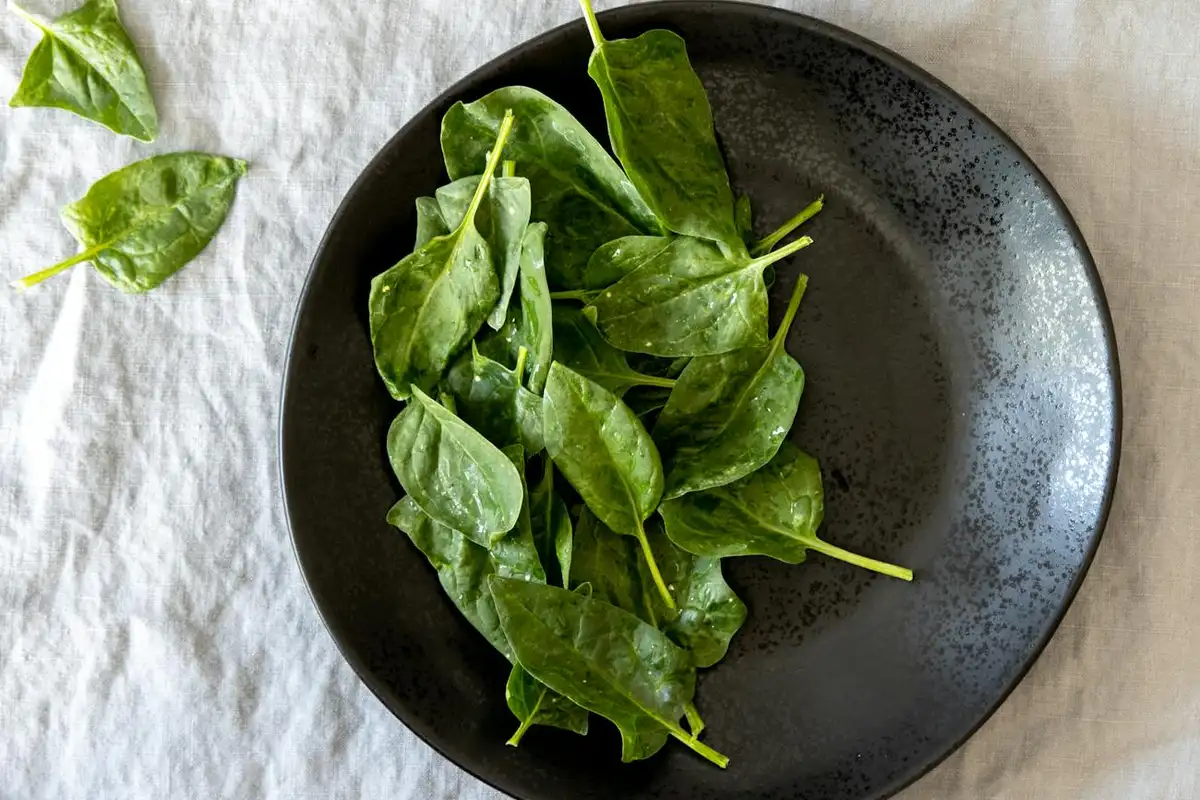
Let’s get into the nitty-gritty of why spinach is such a problematic food. I’ve seen the effects firsthand, and it all comes down to two main issues working together.
The Oxalate Binding Process
Spinach is packed with compounds called oxalates. In your dragon’s digestive system, these oxalates actively seek out calcium and bind to it. This binding process creates an insoluble salt that your bearded dragon’s body simply cannot absorb. The calcium from the spinach, and even calcium from other foods eaten at the same time, passes right through their system without providing any nutritional benefit. It’s like the calcium is locked in a box, and your dragon has lost the key. This is a common reason many owners ask, “why won’t my bearded dragon eat greens?” The fix is to offer greens with lower oxalate levels and a varied diet that supports calcium absorption, so your dragon will actually eat and benefit from greens.
The Calcium to Phosphorus Ratio
Bearded dragons need a diet where calcium is significantly higher than phosphorus, ideally around 2:1. Spinach turns this vital ratio on its head. Spinach has a terrible inverse calcium-to-phosphorus ratio, meaning it contains more phosphorus than calcium. High phosphorus levels further hinder calcium absorption. So, you have a double-whammy: oxalates locking the calcium away, and high phosphorus actively blocking its uptake. This is one of many reasons why spinach isn’t recommended for bearded dragons.
The Path to Metabolic Bone Disease
When this happens consistently, your dragon cannot get enough usable calcium from its diet. Its body is smart-it needs calcium to keep its heart beating and nerves functioning. To survive, its body starts leaching calcium directly from its own bones. This is the beginning of Metabolic Bone Disease (MBD), a painful and debilitating condition I’ve helped rehabilitate dragons from. Their bodies are literally cannibalizing their own skeleton for a mineral a food like spinach promised but couldn’t deliver.
Health Problems from Feeding Spinach to Bearded Dragons
Feeding spinach might seem harmless, but the consequences can be severe and heartbreaking. Here’s what to watch for.
Symptoms of Oxalate-Related Issues
High oxalate intake doesn’t just affect calcium. These sharp, crystalline compounds can cause their own set of problems.
- Renal Health Concerns: The kidneys work to filter oxalates, but high levels can lead to the formation of microscopic crystals. Over time, this can cause kidney strain and even the development of painful stones.
- Digestive Irritation: Oxalates can irritate the gut lining, potentially leading to a loss of appetite or unusual droppings.
Signs of Calcium Deficiency and MBD
This is where the real damage becomes visible. Catching it early is critical.
- Lethargy and Weakness: Your normally active dragon may become sluggish and unable to support its own weight.
- Swollen or Soft Jaw (Rubber Jaw): The jawbone is one of the first places to soften, giving the face a puffy appearance.
- Tremors and Twitching: You might see subtle muscle tremors, especially in the toes or legs.
- Bone Deformities: In advanced stages, the spine may curve, limbs can bow, and your dragon will struggle to walk. Seeing a dragon drag itself because its legs can’t support its body is a devastating sight.
The Long-Term Outlook
While a single small piece of spinach won’t cause immediate collapse, the effects are cumulative. Consistently feeding spinach, even in small amounts, is a silent gamble with your dragon’s long-term health. The damage from MBD is often permanent, and kidney issues can become a chronic, life-limiting problem. Choosing safer greens is one of the easiest and most impactful decisions you can make for your pet’s lifelong well-being.
Safe and Nutritious Greens for Bearded Dragons

After realizing spinach wasn’t the best choice for my own dragons, I made it a mission to find the most calcium-packed, safe greens out there. Your bearded dragon can still enjoy a vibrant, nutrient-rich diet without the risks spinach brings. I always keep a mix of these staples in my fridge for safe and nutritious options.
- Collard Greens: My personal go-to, these leaves are consistently high in calcium and low in oxalates.
- Mustard Greens: A fantastic, peppery alternative that my dragons seem to love.
- Dandelion Greens: Don’t dismiss these weeds! They are a powerhouse of calcium and other vitamins.
- Turnip Greens: Another excellent option that provides great nutritional value.
- Endive and Escarole: These add wonderful variety and are very safe for regular feeding.
Let’s look at how these greens stack up against spinach. The numbers really tell the story of why we avoid it. Spinach’s high oxalate content actively robs your dragon of the calcium it so desperately needs.
| Green | Calcium (mg per 100g) | Oxalate Level | Key Takeaway |
|---|---|---|---|
| Spinach | ~99 | Very High | Calcium is largely unusable due to oxalate binding. |
| Collard Greens | ~232 | Low | Most of this calcium is bioavailable for your dragon. |
| Dandelion Greens | ~187 | Low | Offers a great calcium-to-phosphorus ratio. |
Getting the most from these greens involves two simple practices I swear by. Gut loading your feeder insects with these same healthy greens before offering them amplifies the nutrition your dragon receives. I often feed my crickets a salad of collard and dandelion greens a day before they become dinner. For bearded dragons, collard greens and mustard greens are safe, nutritious options to include in a varied greens mix. Keep the greens varied and rotate them to ensure balanced nutrition.
Variety is not just the spice of life; it’s a cornerstone of reptile health. Rotating through three to five different safe greens each week prevents dietary boredom and covers a broader spectrum of vitamins and minerals. I create a weekly “menu” for my dragons to keep things interesting and balanced.
Calcium Supplementation and Diet Balance
Even with the best greens, supplementation is non-negotiable for preventing Metabolic Bone Disease. Choosing the right calcium powder is one of the most impactful decisions you’ll make for your dragon’s skeletal health. I always have two types on hand: one with vitamin D3 and one without. There’s a basic vitamins guide for bearded dragons that explains when calcium with D3 is needed and when a broader multivitamin is helpful. Following that guide helps ensure you’re covering essential nutrients beyond greens.
- Calcium with D3: Use this if your dragon’s UVB bulb is older than 6 months or if they don’t get consistent, direct exposure. The D3 helps their body absorb the calcium.
- Calcium without D3: This is for dragons with a brand new, high-quality UVB light that provides all the D3 they need for synthesis.
Your dragon’s age dictates how often they need that extra boost. Young, growing dragons need significantly more calcium than their adult counterparts to support their rapid development. Here is the schedule I’ve used successfully for years.
- Juveniles (0-12 months): Dust insects with a calcium powder (with or without D3 based on your lighting) at 5 feedings per week. Offer multivitamin powder 2 times per week.
- Adults (12+ months): Dust insects with calcium powder at 2-3 feedings per week. A multivitamin is needed only once a week.
Balance is the ultimate goal, where safe greens and supplements work together. A diet rich in low-oxalate greens reduces the amount of supplemental calcium your dragon requires to stay healthy. When I see my dragons chowing down on a bowl of collard greens, I know I’m building their health from the inside out.
I always monitor my dragons’ behavior and adjust as needed. If you are feeding a staple green like collards daily, you can feel confident that you are providing a solid foundation of dietary calcium. Many keepers also supplement with calcium powder a few times per week. This helps ensure you’re covering any small gaps. The supplements then act as the essential safety net to catch any potential gaps.
Frequently Asked Questions
Can bearded dragons eat spinach leaves?
No, bearded dragons should not eat spinach leaves because they are high in calcium oxalates, which bind to calcium and prevent its absorption, increasing the risk of health issues like metabolic bone disease. To follow bearded dragons’ complete feeding guide on vegetables, you’ll learn which greens are safe and how to balance calcium. Spinach is typically avoided in that guide due to its oxalate content.
Is baby spinach a safer option for bearded dragons?
No, baby spinach contains similar high levels of oxalates as regular spinach, so it is not safer and should be avoided in favor of low-oxalate greens like collard or dandelion greens.
How often can bearded dragons have spinach?
Spinach should not be part of their regular diet; if fed at all, it must be an extremely rare treat in minimal quantities, but opting for consistently safe greens is highly recommended to prevent calcium deficiency.
Final Verdict on Bearded Dragons and Spinach
So, can bearded dragons eat spinach? The short answer is yes, but it’s a complicated yes. Spinach is not a toxic, emergency food, but its high oxalate content makes it a poor staple green. It binds to calcium inside your dragon’s body, preventing them from using that vital mineral, which can lead to serious health problems over time. For a quick guide to what fruits and vegetables bearded dragons can safely eat, see our ultimate safe food list. It highlights which greens, fruits, and vegetables are safest for long-term health.
After years of caring for my own dragons, my advice is simple: treat spinach as a very occasional item. Focus on building a diet around truly safe, nutrient-rich staples like collard, mustard, and dandelion greens instead. This one simple choice helps ensure your scaly friend gets the calcium they need to stay strong and healthy for years to come.
Further Reading & Sources
- r/BeardedDragons on Reddit: Spinach and oxalic acid – what is the truth?
- Kale, Spinach, and the dreaded Oxalic acid | Bearded Dragon Forum
- Complete List of Safe Fruits & Vegetables for Bearded Dragons
Bearded Dragon Lair is the ultimate resource for bearded dragon enthusiasts, offering expert advice and practical tips to ensure the health and happiness of your scaly companion. With years of experience in reptile care, we are dedicated to providing accurate, up-to-date information to support your bearded dragon journey.
Feeding Guidelines