
How to Introduce Your Bearded Dragon to Dogs and Cats
Published on: December 31, 2025 | Last Updated: December 31, 2025
Written By: Beardie Joe
Bringing your bearded dragon face-to-face with your dog or cat is a big step that many reptile owners worry about.
As a keeper of multiple bearded dragons with formal reptile care training, I have guided many safe introductions and will share my firsthand approach.
You will learn the essential preparation, supervised meeting techniques, and ongoing management to protect all your pets’ well-being.
Understanding Your Pets’ Personalities and Behaviors
Before any face-to-face meeting, you need to understand the players in this unique social drama. Their instincts are hardwired and very different.
A bearded dragon’s primary instinct is to avoid becoming lunch. They are prey animals. A sudden movement from a larger creature triggers a flight-or-freeze response. My dragon, Spike, will often just flatten his body and stay perfectly still, hoping the potential threat will lose interest. Recognizing these stress signals is key to reducing their anxiety. Spotting signs early lets you adjust their care to help ease it. This isn’t always a sign of calm; it can be pure fear.
Dogs and cats, on the other hand, are predators. A dog’s playful bow or a cat’s intense stare can be incredibly stressful for a reptile. A dog might see a scurrying beardie as a fun squeaky toy, while a cat’s chase instinct can be activated by any small, moving creature.
You must become a detective of your pets’ individual temperaments. A lazy, senior cat who sleeps 20 hours a day is a much better candidate than a young, energetic kitten. Look for a dog that has a low prey drive and is generally calm and obedient, not one that chases every squirrel in the yard.
- Signs of a Calm Pet: Relaxed body posture, slow blinking (in cats), ignoring the other animal’s presence, responding well to “leave it” commands, gentle sniffing from a distance.
- Signs of a High-Strung Pet: Stiff posture, unbroken staring, whining or barking, raised hackles, chattering (in cats), lunging, or any attempt to paw at the enclosure.
Setting the Stage for a Successful Introduction
Rushing this process is the number one mistake I see. You must control the environment completely to set everyone up for success. Think of it like directing a very sensitive play.
First, preparation is everything. Your bearded dragon’s enclosure must be absolutely secure—a locking lid is non-negotiable. I always do a “paw test” on the screen lid to ensure it can’t be pushed open by a curious cat. Schedule a wellness check with your vet for all pets involved to rule out any underlying health issues that could cause stress or aggression. Bearded dragons benefit from regular vet checkups as part of a solid care guide, including routine wellness visits and an emergency plan. Know which signs require urgent care, such as sudden lethargy, poor appetite, or abnormal breathing.
Choose a neutral room where your cat or dog doesn’t usually eat, sleep, or play. This prevents them from feeling territorial. The environment should be quiet, with no loud TVs or sudden noises.
- Start with Scent: For several days, swap items between the pets. Place a bearded dragon blanket near your dog’s bed, and let your dragon sniff a toy your dog has played with.
- Initial Visual Introduction: Keep your bearded dragon safely in its terrarium. Allow your other pet to observe from a distance. Keep these sessions very short-just a few minutes.
- Control the Mammals: Your dog should be on a leash. Your cat can be in a carrier or held securely by another person. You must have full physical control over the predator in the room at all times.
- Watch Everyone’s Body Language: If any pet shows signs of stress (the list from above!), end the session immediately. A positive, brief experience is better than a long, negative one.
The goal of these first meetings is pure boredom. You want your dog or cat to see the bearded dragon and think, “Oh, that’s just the weird, scaly furniture,” not “SQUIRREL!” This slow, methodical approach builds a foundation of neutral association, not fear or excitement.
Step-by-Step Introduction to Dogs
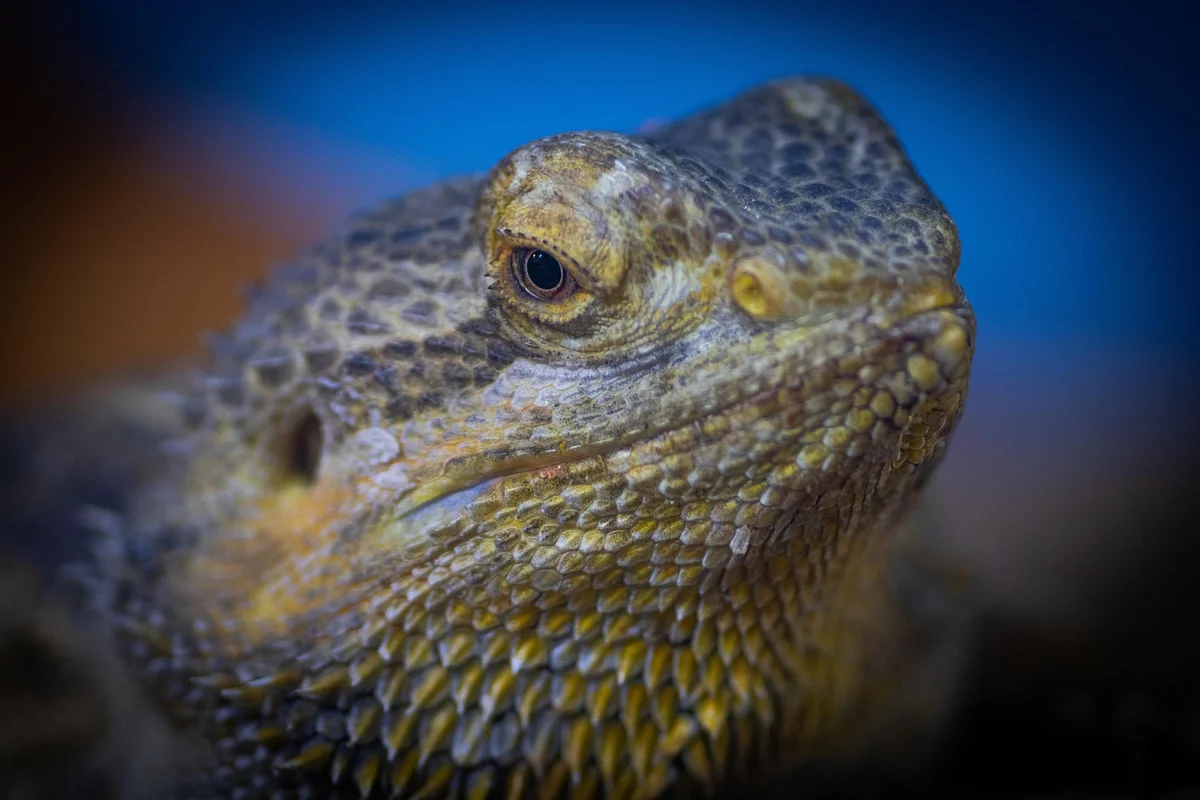
I remember the first time I introduced my bearded dragon, Spike, to my Labrador, Buddy. Taking it slow made all the difference in building a peaceful relationship between them. Start by keeping your dog on a leash and your beardie in its enclosure or a secure container. Use a baby gate or a crate as a physical barrier for the first few meetings. This lets them see and smell each other without direct contact. Many owners wonder whether bearded dragons get along with dogs or other pets. With careful, supervised introductions and safe retreats, they can coexist, though they won’t form the same bonds as with fellow beardies.
- Begin with short, supervised sessions where they are in the same room but at opposite ends. Gradually decrease the distance over days or weeks as both animals remain calm.
- For initial face-to-face moments, a door cracked open or a mesh barrier works wonders. I’ve used a dog crate with Buddy inside while Spike explored nearby-it kept everyone safe and stress-free.
- Reward your dog with high-value treats and gentle praise for calm, quiet behavior. If your dog looks away or sits calmly, immediately give a treat. This positive reinforcement teaches them that good things happen when they’re relaxed around the reptile.
Dog-Specific Safety Tips
Never, ever leave your bearded dragon and dog alone together, even for a minute. Supervision is non-negotiable to prevent accidents or stress. Train your dog with cues like “leave it” or “stay” using a calm, soothing voice. Practice these commands during introductions to create distance if needed. I always keep a firm grip on Buddy’s leash and watch for any signs of over-excitement. If you’re aiming to tame your bearded dragon and build bonding through handling, start with brief, calm sessions away from the dog. Gradually extend handling time as your dragon becomes comfortable, using a soft voice and gentle touches to reinforce trust.
- Always have a barrier or your hands ready to separate them instantly.
- Use distance cues to redirect your dog’s attention if they get too curious or fixated.
Step-by-Step Introduction to Cats
When I introduced Spike to my cat, Whiskers, scent exchange was our starting point. Swapping scents helps both pets get familiar without the pressure of a direct meeting. This gentle approach also helps get your bearded dragon to like and trust its cat companion. Over time, you’ll see a calmer dragon and a more confident cat as trust builds. Rub a soft cloth on your bearded dragon and place it near your cat’s resting area, and vice versa. After a few days, move to visual introductions through a glass door or a secure screen.
- Allow your cat to observe the bearded dragon from a safe distance while the reptile is in its enclosure. Keep sessions brief-just a few minutes at first.
- Ensure your beardie has a hide or covered spot to retreat to if it feels threatened. I always make sure Spike’s tank has plenty of hiding places so he can duck away if Whiskers gets too close.
- Hold your bearded dragon gently but securely during controlled interactions, keeping a close eye on your cat’s movements. Move slowly and speak softly to both animals to maintain a calm atmosphere.
Cat Behavior Insights
Cats show curiosity through slow blinks, upright ears, and a relaxed tail. Watch for stiff bodies or twitching tails-these can signal overstimulation or potential pouncing. If your cat stares intently or crouches, it’s time to end the session. I’ve learned that preventing sudden movements is key; a quick jerk can trigger a cat’s prey drive, so always move deliberately and smoothly around them.
- Interpret relaxed, curious behavior as a green light for continued, slow introductions.
- Avoid loud noises or fast actions that might startle either pet during their time together.
Monitoring Interactions and Ensuring Safety
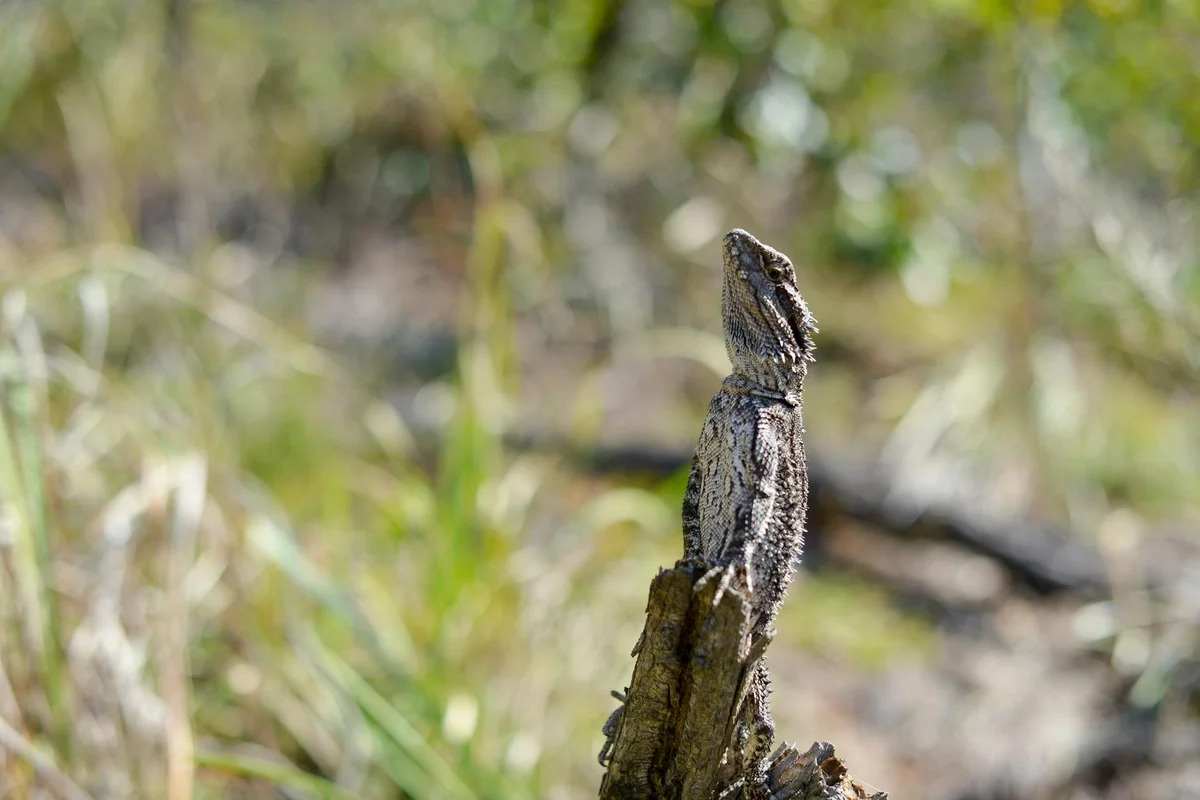
This stage is where your full attention is absolutely non-negotiable. I treat every single interaction like a supervised visit between toddlers-constant vigilance is the name of the game.
You must become a master at reading the room, interpreting the subtle (and not-so-subtle) signals from every animal present.
Key Body Language and Stress Signals
Watch all pets simultaneously. Here’s a quick-reference guide for what to look for.
| Bearded Dragon | Dog | Cat |
|---|---|---|
| Beard turning black (even slightly) | Stiff, frozen posture | Tail twitching or thumping |
| Gaping (open-mouthed hiss) | Low, warning growl | Flattened ears |
| Puffing up their body to look bigger | Intense, unblinking stare | Hissing or spitting |
| Attempting to flee or hide | Lip licking or yawning (when not tired) | Arched back or puffed fur |
The Golden Rule: No Unsupervised Meetings
I cannot stress this enough. Never, ever leave your bearded dragon alone with another pet, even for a moment to answer the door. If you need to be away for a weekend or longer, arrange a trusted caregiver or reputable reptile boarding. They can ensure your dragon stays safe and comfortable while you’re gone.
From my own experience, a split second is all it takes for a predator instinct to kick in, regardless of how “gentle” your dog or cat usually is. Their relationship is one of supervised acquaintance, not roommates who can be left to their own devices.
Your Emergency Separation Plan
Hope for the best, but always have a plan for the worst. Everyone in your home should know this drill.
- Stay calm. Your panic will escalate the animals’ stress.
- For the dog/cat: Have a high-value treat or favorite toy ready to toss away from the dragon to distract and redirect them.
- For the bearded dragon: Slowly place a hand in as a visual barrier, then gently scoop them up from the side (never from above).
- Immediately return all animals to their separate, secure spaces.
- End the session for the day. Do not attempt another introduction.
Having a clear, practiced plan ensures you can act quickly and effectively to prevent any harm.
Recognizing Stress Signals in Your Bearded Dragon
Your bearded dragon communicates volumes with its body. Bearded dragons hear and respond to sounds and vibrations, and understanding these cues is essential to their communication. By tuning into what they hear, you can read their needs more accurately. Learning this language is your most important job as their advocate.
Specific Signs of Stress
- Beard Blackening: This is their biggest warning sign. Even a slight darkening means “I am uncomfortable.” A fully black beard means “Back off now!”
- Puffing Up: They are trying to make themselves look larger and more intimidating to a perceived threat.
- Gaping (Mouth Open): This is a defensive hiss. It’s not a yawn; it’s a clear “stay away” signal.
- Hiding or Fleeing: If they are actively trying to get away or bury themselves, the interaction is far too stressful.
- Fast, Jerky Movements: Normal dragon movement is slow and deliberate. Sudden, panicked scurrying is a red flag.
How to Respond to Their Stress
When you see these signals, your response must be immediate and calm.
- Speak to them in a soft, low, and reassuring voice. “It’s okay, you’re safe.”
- Move slowly. Do not make any sudden gestures.
- Create a visual barrier between them and the other pet with your hand or a piece of cardboard.
- Gently pick them up and end the interaction. Return them to the quiet security of their enclosure.
The goal is to teach your dragon that you are their safe harbor, and you will listen when they say they’ve had enough.
Comparing Stress Cues Across Species
It’s helpful to see how different animals express similar feelings of anxiety.
- A bearded dragon’s black beard is equivalent to a dog’s low growl or a cat’s hiss-a final, clear warning.
- When a dragon puffs up, it’s the same intention as a cat arching its back or a dog raising its hackles-an attempt to appear bigger and scarier.
- Your dragon trying to flee is the same as a dog tucking its tail or a cat looking for an escape route. It’s a sign of pure fear.
Seeing these parallels helps you understand that all your pets are communicating their discomfort; you just have to learn their individual dialects.
Essential Tools for Safe Multi-Pet Coexistence
Getting your home ready for multiple pets starts with the right gear. I’ve learned through trial and error that investing in quality tools can prevent stressful situations before they even begin. My own bearded dragon, Ember, shares our space with a playful dog, and these items have been lifesavers.
- Barriers, crates, and secure enclosures form the foundation of safety. Use baby gates or custom reptile tank covers to create visual and physical boundaries. I always check that my dragon’s enclosure has a locking lid-curious cats can be surprisingly persistent climbers.
- Treats are powerful tools for positive reinforcement during calm interactions. Reward your dog or cat with high-value snacks when they ignore the bearded dragon’s enclosure. For your dragon, a small piece of favorite veggie can reinforce that new sights aren’t scary.
- Long-term enclosure separation requires routine checks and upgrades. Inspect tanks and barriers weekly for wear or loose fittings. I set a monthly reminder to reassess the setup as pets grow or habits change, ensuring everyone’s space stays secure and stress-free.
When Introductions Don’t Go as Planned
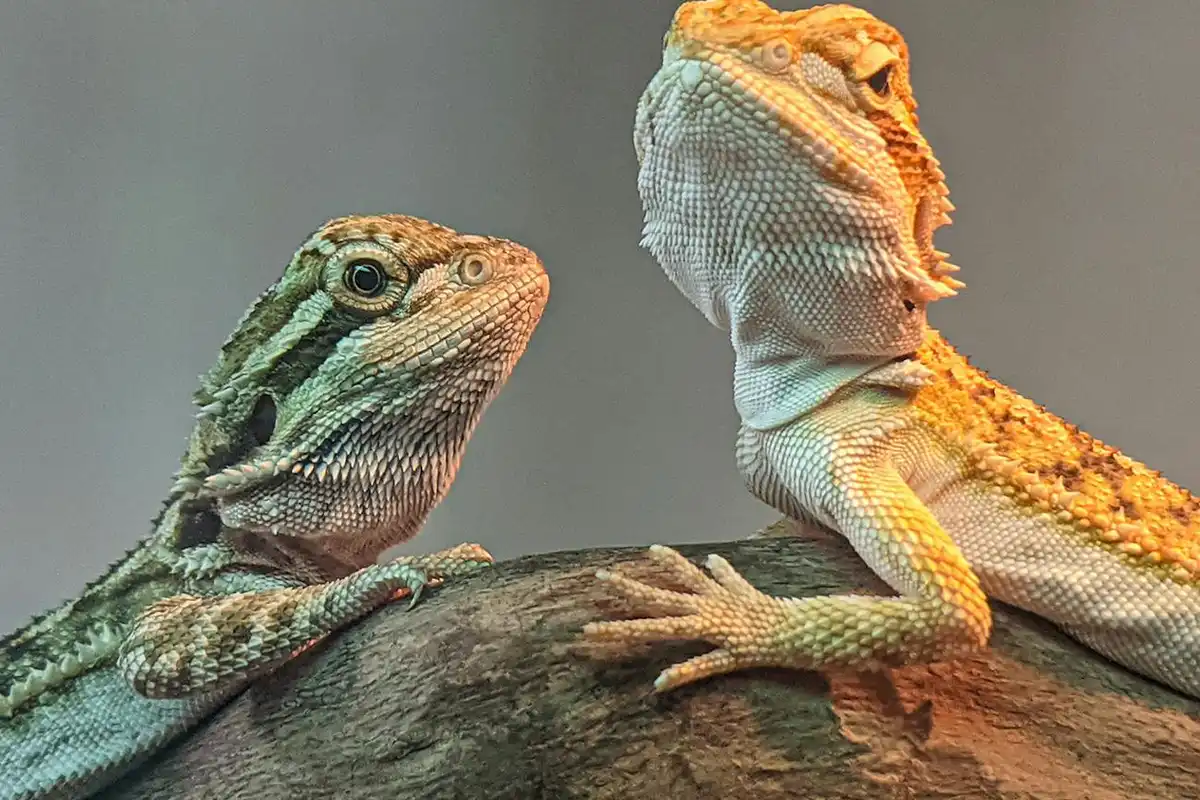
Even with careful preparation, animals can react unpredictably. If you notice raised hackles, hissing, or frantic pacing, act fast to keep all pets safe. I’ve had to intervene when my cat’s curiosity turned into a focused stare that made my dragon freeze.
- De-escalate by calmly separating pets without yelling. Use a barrier or leash to guide the other pet away, and cover the bearded dragon’s enclosure to reduce visual stress. Never grab animals abruptly-this can increase fear or aggression.
- Seek help from a vet or behaviorist if stress signs persist. Look for prolonged loss of appetite in your dragon or obsessive stalking from your other pet. I consulted a reptile-savvy vet when one of my dragons stopped basking after a failed intro-it made all the difference.
- Accept that some pets may never safely share space. Prioritize welfare over forcing a relationship. In my home, one dog simply couldn’t relax around reptiles, so we opted for permanent separation to ensure everyone’s well-being.
Frequently Asked Questions
Can bearded dragons be introduced to other bearded dragons?
Bearded dragons are solitary and territorial, so introducing them to each other is generally not recommended, as it can lead to stress, aggression, or injury. It’s safest to house them separately to ensure their well-being, especially when considering whether multiple bearded dragons can live together.
What is a bearded dragon and what are its general characteristics?
Bearded dragons are medium-sized, docile lizards native to Australia, known for their spiky “beard” that puffs out when threatened. They are diurnal, enjoy basking, and have a calm demeanor, making them popular pets for reptile enthusiasts. Exploring their Australian origins helps explain how their distinctive beard and desert-adapted traits evolved in arid habitats. Researchers study their distribution and genetics to uncover the evolutionary story of bearded dragons on the continent.
What should a first-time bearded dragon owner know before introducing their pet to other animals?
First-time owners should always prioritize slow, supervised introductions and learn to read stress signals like a black beard or puffing up in their dragon. Never leave pets unsupervised together, and focus on creating positive, controlled experiences to build trust over time.
Final Thoughts
Introducing your bearded dragon to other pets is a slow, patient process that hinges on constant supervision and respect for their comfort. From my own experience, successful introductions always put the bearded dragon’s safety and stress levels first, never rushing the animals. For practical steps, our bearded dragons cats safely coexist complete guide walks you through safe introductions, monitoring, and practical coexistence strategies. It helps ensure both pets stay calm and safe.
Remember, a calm, controlled environment and positive, short sessions build the best foundation for peaceful coexistence. Your vigilance and willingness to stop at any sign of distress are what truly protect all your pets’ well-being.
Further Reading & Sources
- Cats and Bearded Dragons: Do They Get Along? – Dragon’s Diet
- r/BeardedDragons on Reddit: Can i have a bearded dragon and a dog?
- Can a Dog and a Bearded Dragon Be Friends? | PetMojo
Bearded Dragon Lair is the ultimate resource for bearded dragon enthusiasts, offering expert advice and practical tips to ensure the health and happiness of your scaly companion. With years of experience in reptile care, we are dedicated to providing accurate, up-to-date information to support your bearded dragon journey.
Socialization Techniques