Common Bearded Dragon Mistakes New Owners Make
Published on: January 1, 2026 | Last Updated: January 1, 2026
Written By: Beardie Joe
Bringing home your first bearded dragon is thrilling, but it’s easy to make a few missteps that can impact their health and happiness.
I’ve raised these amazing reptiles for years, and I’m here to help you sidestep the common pitfalls I learned about the hard way.
We’ll cover the top mistakes in habitat setup, diet, and handling to ensure your scaly friend thrives from day one.
Setting Up an Inadequate Enclosure
Choosing the Wrong Tank Size
Many new owners pick a tank that’s just too small, thinking it will be easier to manage. I started with a 20-gallon for my first bearded dragon, and he spent most of his time trying to climb the walls. An adult bearded dragon needs at least a 40-gallon tank, but I always recommend going bigger—75 gallons or more gives them room to explore and exercise. Using a bearded dragon tank size guide from baby to adult helps you plan the right enclosure as they grow. Starting with the right dimensions saves you hassle down the line and supports healthier development. Cramped spaces lead to stress, poor appetite, and even aggression. Think of it like living in a tiny studio apartment with no windows; it feels suffocating. Upgrade early to prevent these issues.
Creating a Poor Temperature Gradient
Bearded dragons rely on a warm basking area and a cooler retreat to regulate their body temperature. If your tank feels the same everywhere, your dragon can’t thermoregulate properly. Your basking spot should hit 95-110°F, while the cool side stays around 75-85°F so your pet can move between zones as needed. I use a digital thermometer on each end to keep track. Here’s a simple setup I follow: Beyond basking spots, a full temperature guide also covers nighttime temps and the rest of the tank, including lighting and humidity. Regular checks help ensure a stable gradient day and night.
- Place a heat lamp over one side for basking.
- Leave the opposite side without direct heat.
- Check temperatures daily with reliable tools.
Without this gradient, digestion slows, and your dragon might become lethargic. I’ve seen dragons perk up instantly after I fixed their temperature zones.
Selecting a Dangerous Substrate
That colorful sand or loose bedding might look natural, but it can be a hidden danger. Loose substrates like calci-sand or walnut shells are risky because bearded dragons might ingest them while hunting, leading to impaction-a serious blockage. Stick to solid, easy-to-clean options like reptile carpet, ceramic tile, or even paper towels to keep your dragon safe from internal harm. I switched to tile after one of my dragons had a close call with sand; now cleanup is a breeze, and I never worry about accidental eating. Avoid these common dangers:
- Sand, gravel, or wood chips-they’re not worth the risk.
- Any loose material that could be swallowed.
Your dragon’s health is more important than a pretty setup.
Failing with Lighting and UVB
Using the Wrong Type of UVB Bulb
Not all UVB bulbs are created equal, and picking the wrong one can leave your dragon without the essential rays they need for calcium absorption. Compact or coil bulbs often don’t cover enough area, creating weak spots in UVB exposure. Always opt for a linear fluorescent UVB bulb that spans about two-thirds of the tank length to ensure even, effective coverage for bone health. I made the mistake with a cheap coil bulb once, and my dragon showed early signs of metabolic bone disease-soft jaws and shaky movements. Switching to a T5 HO bulb made all the difference. Look for bulbs labeled for desert reptiles to match their natural habitat needs. They are crucial for maintaining proper UVB levels and heat cycles in the habitat.
Forgetting to Replace UVB Bulbs
UVB bulbs lose their potency over time, even if they still emit light. If you wait until it burns out, your dragon has been without proper UVB for months. Mark your calendar to replace UVB bulbs every 6 to 12 months, depending on the type, because the invisible UV rays fade long before the bulb dies. I set phone reminders so I never forget. Without timely replacements, dragons can develop weak bones, lethargy, and trouble shedding. Here’s how I keep track:
- Note the installation date on the bulb or in a journal.
- Use a UVB meter if possible for accuracy.
- Observe your dragon for signs like decreased activity.
Regular changes are a small step that prevents big health problems.
Providing an Unbalanced Diet
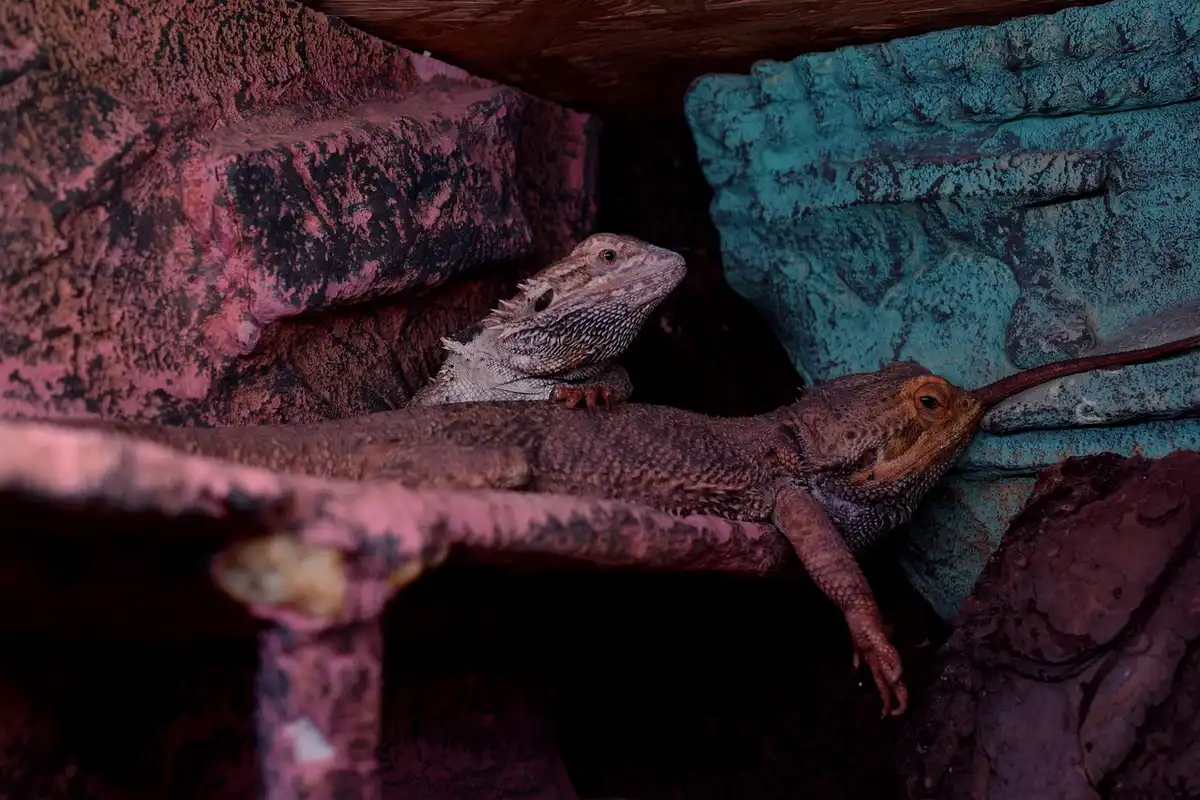
Getting the diet right is one of the biggest challenges for new owners, and I’ve certainly had my share of learning experiences. An unbalanced diet is a fast track to serious health issues like Metabolic Bone Disease and obesity. Let’s break down the most common dietary pitfalls.
Overfeeding or Underfeeding Insects
It’s so easy to get this wrong. You see those eager little eyes and it’s tempting to just keep dropping crickets in. I learned the hard way that this leads to a fat, unhealthy dragon.
- Juveniles need more protein for growth. Offer appropriately-sized insects 2-3 times daily for about 10-15 minutes per session.
- Adults are prone to obesity. They only need insect meals every other day or so.
- A good rule of thumb is to never offer an insect larger than the space between your dragon’s eyes.
- Variety is crucial! Don’t just rely on crickets. Include dubia roaches, black soldier fly larvae, and occasional treats like hornworms.
Neglecting Greens and Vegetables
So many owners think bearded dragons only eat bugs. This is a huge mistake that shortens their lifespan. A fresh salad should be available to your dragon every single morning, no exceptions. Even if they ignore it at first, persistence is key. Bearded dragons do eat mealworm beetles, but these carry safety risks like impaction and digestive upset. Safer alternatives and a varied, properly prepared insect menu can help protect their health.
- Staple Greens: Collard greens, dandelion greens, mustard greens, and endive.
- Great Veggie Toppers: Shredded squash, bell peppers, and snap peas.
- Avoid These: Iceberg lettuce (no nutritional value) and spinach (binds calcium).
Skipping Essential Supplementation
Even the most perfect diet from your kitchen isn’t complete. Without proper dusting, your dragon will develop severe deficiencies. Their bodies need more calcium and vitamins than fresh food alone can provide.
- Calcium with D3: Lightly dust insects at almost every feeding for juveniles. For adults, dust insects 3-4 times a week.
- Multivitamin: Dust insects with a good reptile multivitamin 1-2 times a week.
- Remember: Gut-load your feeder insects with nutritious veggies 24 hours before feeding them to your dragon. This makes the bugs more nutritious!
Overlooking Hydration and Humidity
This is a sneaky area where problems can creep up. In their native Australian deserts, they get moisture in ways we don’t always think to replicate.
Not Providing Enough Hydration
You might rarely see your beardie drink from a water bowl, leading you to believe they don’t need water. This is a dangerous assumption. Dehydration is a common cause of impaction and kidney stress.
- Offer a shallow water dish with fresh water daily, even if they don’t drink from it. It helps with ambient humidity.
- Many dragons prefer to drink from moving water. I’ve had great success by gently misting their snout with water or letting a drop roll down my finger.
- Another fantastic method is to offer water-rich foods like hornworms or a spray-down of their daily greens.
- A weekly warm bath (shoulder-deep water) can encourage them to drink and helps with hydration and shedding.
Ignoring Humidity Levels
Getting the humidity wrong can cause a cascade of health problems, from respiratory infections to difficult sheds. You must have a digital hygrometer in the tank to monitor this accurately. Those cheap analog dials are often wrong.
- The ideal range is between 30% and 40%.
- If humidity is too high, increase ventilation and make sure the water bowl isn’t directly under the heat lamp.
- If humidity is too low, especially during shed, you can add a humid hide (a small box with damp sphagnum moss) or do extra misting.
- I always check the hygrometer during weather changes, as room humidity can drastically affect the tank.
Mishandling and Lack of Enrichment
Rushing the Handling Process
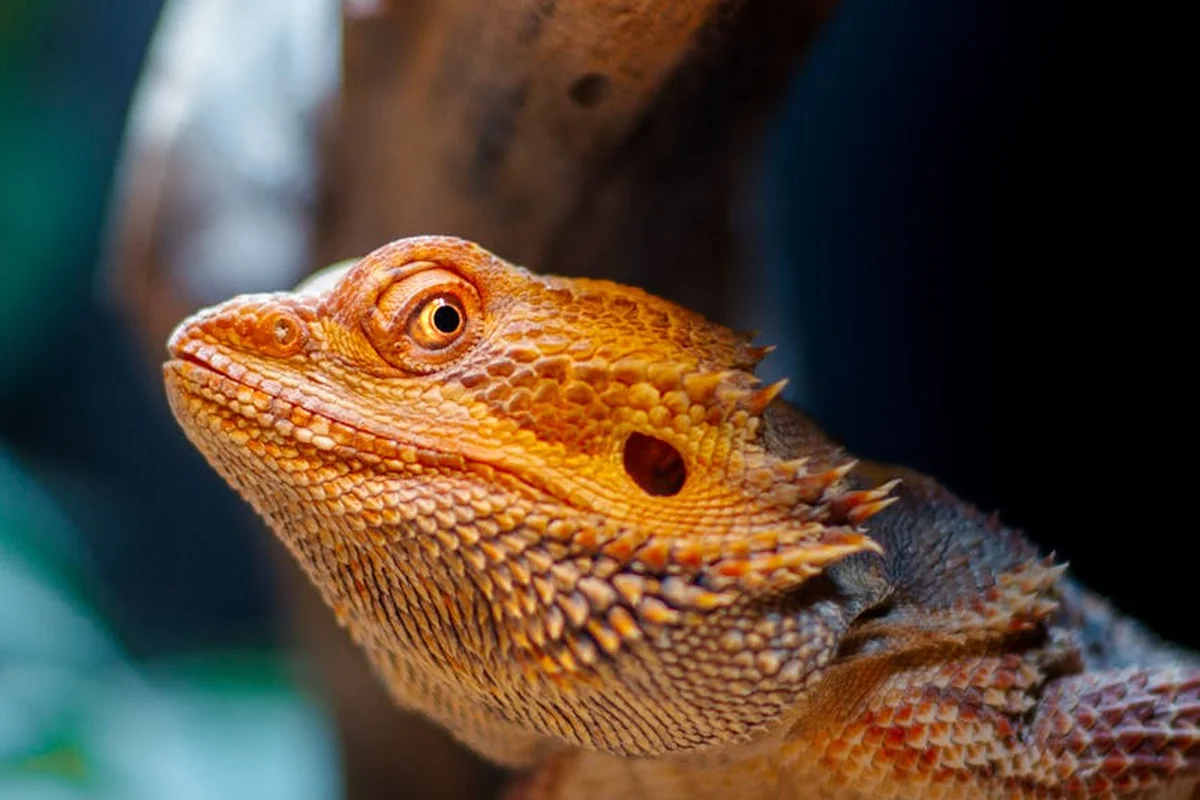
I see this all the time—a new owner is so excited to bond that they scoop up their dragon on day one. This is a fast track to a stressed-out pet. Your bearded dragon needs time to view you as part of its environment, not a predator. I learned this the hard way with my first beardie, who would pancake and puff up every time I approached. Even when they’re scared or acting aggressive, you can learn to properly pick up a bearded dragon with a slow, calm approach and steady support. Start by letting them view you as a non-threatening presence, then gently cup and lift with both hands.
Follow these steps for a trusting relationship:
- Start by just sitting near the enclosure, letting them observe you.
- Place your hand inside calmly, not making sudden moves to grab them.
- Offer a tasty treat from your open palm to build positive associations.
- Begin with very short handling sessions, just a few minutes at a time.
Forcing interaction breaks trust. Let your dragon set the pace, and you’ll be rewarded with a calm, curious companion.
Forgetting Mental Stimulation
A bored bearded dragon is an unhappy one. Many owners focus solely on physical health, forgetting that these are intelligent creatures. Mental enrichment is not a luxury; it’s a core part of their welfare. Bearded dragons can show signs of depression or boredom, such as lethargy, reduced appetite, or disinterest in their surroundings. Recognizing these signs early helps you adjust enrichment and care. I rotate my dragons’ toys and rearrange their furniture every few weeks to keep things fresh.
Try these simple enrichment ideas:
- Create a dig box filled with sterilized play sand or soil.
- Use a laser pointer (never directly on them!) to make them chase a dot on the floor.
- Hide their favorite greens around the enclosure to encourage foraging.
- Introduce new, safe items to investigate, like a clean rock or a novel branch.
You’ll notice a real difference in their activity levels. A stimulated dragon is more active, has a better appetite, and displays fewer stress behaviors.
Neglecting Health and Veterinary Care
Missing Early Warning Health Signs
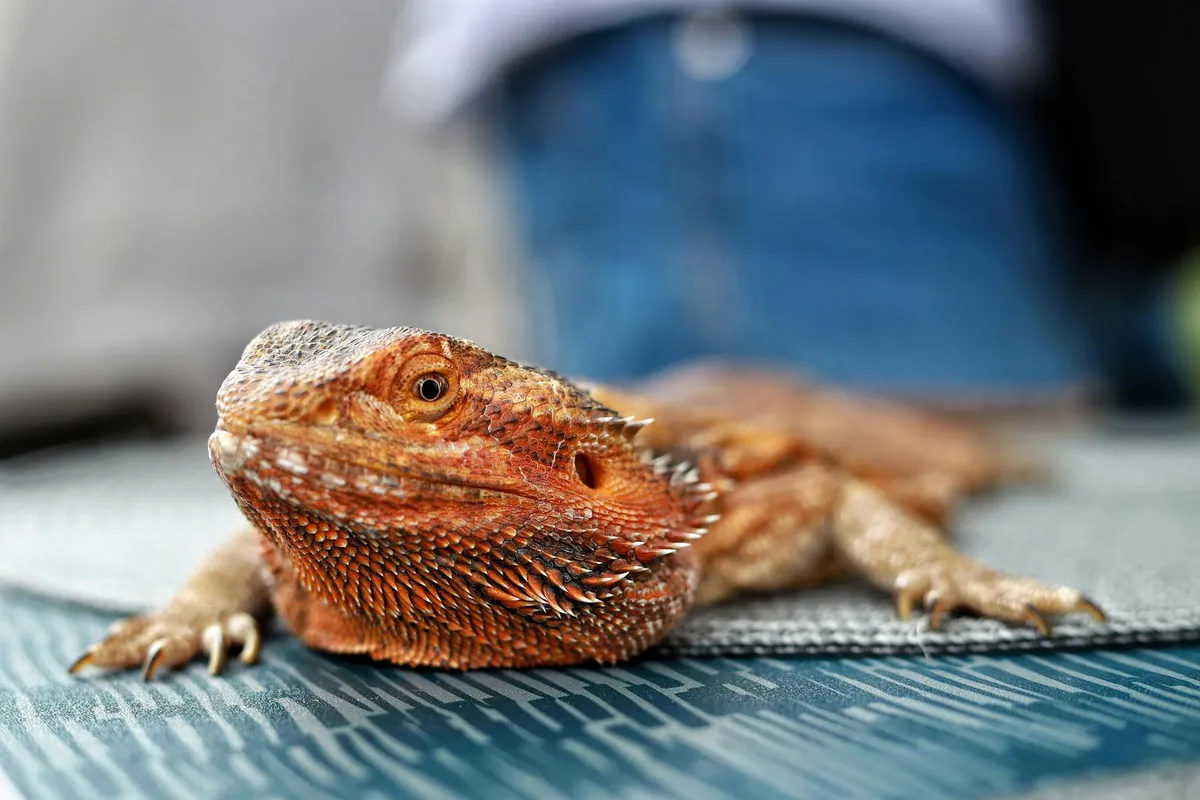
Bearded dragons are masters at hiding illness, a survival instinct from the wild. By the time they look really sick, they’ve been unwell for a while. Learning to spot the subtle signs is your most powerful tool as an owner. For a complete guide on telling if your bearded dragon is healthy, see our complete health check guide. It highlights essential signs to monitor and when to seek a vet. I make it a habit to do a quick health check during daily feedings.
Watch for these often-missed red flags:
- Consistently sleeping during the day or being less active.
- A slight decrease in appetite that lasts more than two days.
- Subtle weight loss, which you can monitor with a small kitchen scale.
- Sunken eyes or a slightly duller skin color than usual.
Acting fast can make all the difference. Proactive observation is far better than a desperate emergency visit later.
Not Having a Reptile Veterinarian
This is arguably the biggest mistake I see. A cat or dog vet is not equipped to handle reptile-specific issues. You must find a qualified reptile vet *before* you have an emergency. I found my vet by asking for recommendations in a local reptile group, and I had her check out my new dragon within the first month.
Here is why this is non-negotiable:
- Reptiles have unique anatomy and metabolisms that require specialized knowledge.
- Many medications and dosages are specific to reptiles.
- An established vet has your pet’s baseline health on record, which is critical for diagnosing problems.
- They can perform annual fecal exams to check for hidden parasites, a very common issue.
Do your research now. Having a reptile-savvy vet on speed dial is one of the most responsible things you can do for your pet.
Frequently Asked Questions
Why does my bearded dragon keep missing when it strikes at food?
This often happens due to vision issues, which can stem from inadequate UVB lighting affecting their depth perception, or it could indicate impaction or other health problems. Ensure your UVB bulb is functioning properly and consult a reptile veterinarian if the behavior continues.
Can care mistakes be corrected after my bearded dragon shows symptoms?
Yes, many issues are reversible with prompt action, such as improving diet, upgrading habitat conditions, and seeking veterinary care for specific ailments. Early intervention increases the chances of full recovery and prevents long-term damage.
Is it safe to use heat rocks for my bearded dragon?
No, heat rocks pose a burn risk because bearded dragons have poor heat sensitivity on their undersides and may not move away in time. Stick to overhead heating sources like basking lamps to provide safe and effective warmth. For a full heating equipment safety guide, see our guide covering heat rocks, mats, and safer alternatives. It also explains how to use thermostats and choose heat sources to prevent burns.
Final Thoughts
Owning a bearded dragon is a fantastic journey, but it’s easy to stumble on the basics like lighting, diet, and habitat setup. Remember, getting these core elements right from the start prevents so many common health issues down the road. I’ve learned through my own dragons that a little extra research and attention to detail makes all the difference for their happiness. For new keepers, the bearded dragon complete beginners guide is a perfect starting point. It walks you through setup, lighting, diet, and daily care in clear, beginner-friendly steps.
Don’t be discouraged by mistakes; every owner makes them. The most important thing you can do is commit to being a proactive and observant caregiver for your scaly friend. Your effort is what transforms a simple pet into a thriving, beloved member of your family.
Further Reading & Sources
- 5 Common Mistakes that Bearded Dragon Owners Make! – Zen Habitats
- Bearded Dragon Care Sheet | PetMD
- First time Bearded owner, making all the noob mistakes and i | Health
Bearded Dragon Lair is the ultimate resource for bearded dragon enthusiasts, offering expert advice and practical tips to ensure the health and happiness of your scaly companion. With years of experience in reptile care, we are dedicated to providing accurate, up-to-date information to support your bearded dragon journey.
Heating and Lighting