
How to Properly Pick Up a Bearded Dragon (Even Scared or Aggressive Ones)
Published on: March 25, 2026 | Last Updated: March 25, 2026
Written By: Beardie Joe
Reaching for your bearded dragon only to see them puff up, hiss, or scramble away is a heart-sinking moment many owners face.
I’ve cared for my own group of beardies for years, and I’m here to share the calm, confident techniques that keep both you and your pet secure.
This guide will show you how to read their stress signals, approach them safely, and lift them without causing fear.
Why Proper Handling Builds a Better Bond
I’ve found that the way you pick up your dragon sets the tone for your entire relationship. When you handle them with patience and respect, you’re not just moving them; you’re having a conversation. You’re telling them they are safe with you. Proper handling is the foundation of a trusting bond, transforming you from a giant predator into a safe, warm perch.
Think of it like this: every positive interaction is a deposit in your “trust bank.” A gentle pickup is a big deposit. A calm handling session is another. Over time, your dragon’s account is full of positive associations with you. My oldest dragon, Smaug, used to puff up when I approached. Now, he sees my hand and practically climbs onto it himself. That level of trust doesn’t happen overnight; it’s built one correct, gentle lift at a time.
Understanding Your Bearded Dragon’s Body Language
Your bearded dragon is talking to you all the time with its body. Bearded dragons also hear and respond to sounds. Understanding how they hear helps you interpret their cues. Learning this language is the single most important skill for safe handling. It prevents stress for them and potential bites for you. Paying close attention to their signals is the key to knowing when it’s a good time to interact and when to give them space.
Signs of a Calm and Content Dragon
These are the green lights that tell you your dragon is feeling relaxed and may be open to handling.
- A relaxed, flat body posture. They aren’t puffing up or trying to look thin.
- Slow, deliberate blinks. This is like a cat’s slow blink; it’s a sign of trust.
- Curious head tilts as they watch you move around the room.
- They remain basking calmly under their heat lamp without tensing up as you approach.
- One of my favorite signs is when they close their eyes while you gently stroke their head. This is a huge sign of trust, showing they feel completely safe in your presence.
Recognizing Stress and Aggression Cues
Seeing these signs means you should pause and reassess. Forcing an interaction now will damage your bond.
- Bearding: Their beard (the skin under their chin) puffs out and turns black. This is a classic “back off” signal.
- Gaping mouth with a puffed beard. This is a more intense warning.
- Hissing. A clear auditory signal that they feel threatened.
- Flattening their body laterally to appear larger and more intimidating.
- A rapid, twitchy tail. Sometimes it’s just a little flick, other times it’s a full, angry whip.
- Attempting to flee or hide when your hand enters the enclosure. If your dragon is showing multiple stress signs, the kindest thing you can do is leave them alone and try again later. Pushing them only teaches them that your presence is scary.
Mastering the Basic Pickup Technique
Approaching with a Calm Demeanor
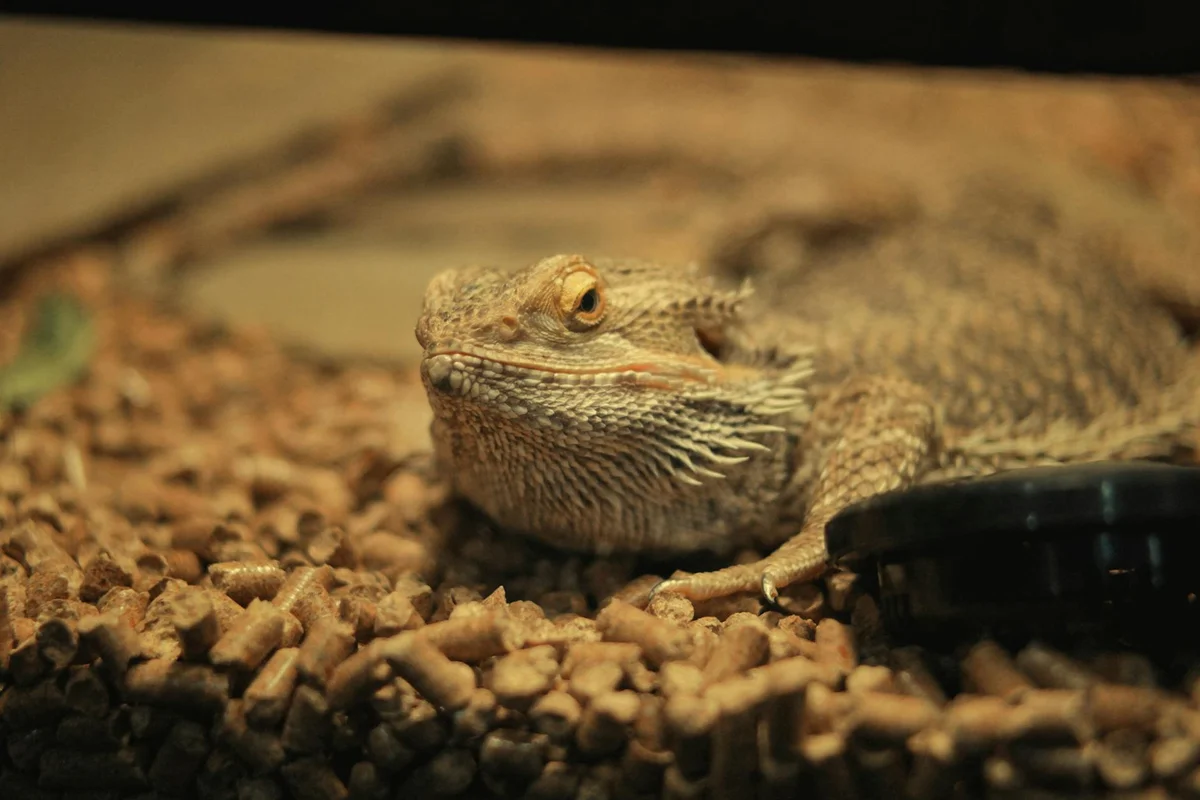
Your energy is the very first thing your bearded dragon senses. I’ve learned that if I’m feeling rushed or stressed, my dragon, Spike, picks up on it immediately and gets skittish. Move slowly and deliberately, avoiding any sudden, jerky motions that can be perceived as a threat from above, like a bird of prey. Watch for stressed spot signs—like a darkened beard, tucked tail, or sudden withdrawal—as cues to slow down further and reduce anxiety. Recognizing these cues and adjusting your handling and environment can help keep your dragon calm.
Always approach from the side and front, where your beardie can see you coming. Never swoop in from directly above. I always make a habit of talking to them in a soft, low voice as I get closer. This calm, predictable approach tells your dragon you are not a predator and builds essential trust over time.
Executing the Two-Handed Support Method
This is the gold standard for safe handling. It makes your dragon feel fully supported and secure, preventing panic and potential falls.
- Gently slide one hand, palm up, under your dragon’s chest and front legs.
- As you lift, immediately use your other hand to support their hindquarters and back legs.
- Keep their body level and close to your body or a soft surface, like your lap.
Let them rest comfortably on both of your open palms. Proper two-handed support prevents them from frantically paddling their legs in the air, which is a sure sign they feel unstable and scared. Avoid grabbing or clutching them; your hands should be a platform, not a cage.
Here is a quick checklist of what to do and what to avoid:
| Do | Don’t |
|---|---|
| Support the chest and hindquarters equally. | Pick them up by the tail or a single limb. |
| Lift them horizontally and smoothly. | Let their tail or body dangle unsupported. |
| Keep their body parallel to the ground. | Hold them vertically or on their back. |
Handling Scared or Aggressive Bearded Dragons
Slow Desensitization for Nervous Dragons
If your dragon scurries away or flattens itself out when you come near, they need a gentler introduction to handling. This process cannot be rushed. Start by simply sitting by their enclosure daily, letting them observe you without any pressure to interact. For more on getting started, see the bearded dragon complete beginners guide, which covers handling basics and everyday care. It also outlines enclosure setup, feeding schedules, and safety tips.
After a few days, progress to placing your hand inside the tank, resting it calmly and motionless on the substrate for 5-10 minutes at a time. The goal is to make your presence so boring and non-threatening that their curiosity eventually overcomes their fear. I did this with a rescue dragon for weeks before she finally walked onto my hand on her own-it was a incredible moment of earned trust.
Safe Restraint Methods for Aggressive Behavior
A bearded dragon showing aggression—puffing its beard, gaping its mouth, or even hissing—is genuinely scared and trying to look big and dangerous. Your goal is to handle them safely without rewarding the aggressive display or getting bitten.
- For a dragon that is puffing and hissing, use a small, lightweight towel or cloth. Drape it gently over their head and upper body. This often calms them by blocking their vision and making them feel hidden.
- Once they are slightly subdued, you can then use the standard two-handed method to pick them up, towel and all.
- If you must handle a dragon that is prone to biting, gently scoop them from underneath while ensuring their head is pointed away from your body.
Never yell or punish your dragon for aggressive posturing; it will only destroy their trust and reinforce their fear. These methods are about managing the situation safely for both of you, not about winning a fight. With consistent, positive interactions, this behavior usually fades.
Responding to Bites and Sudden Movements
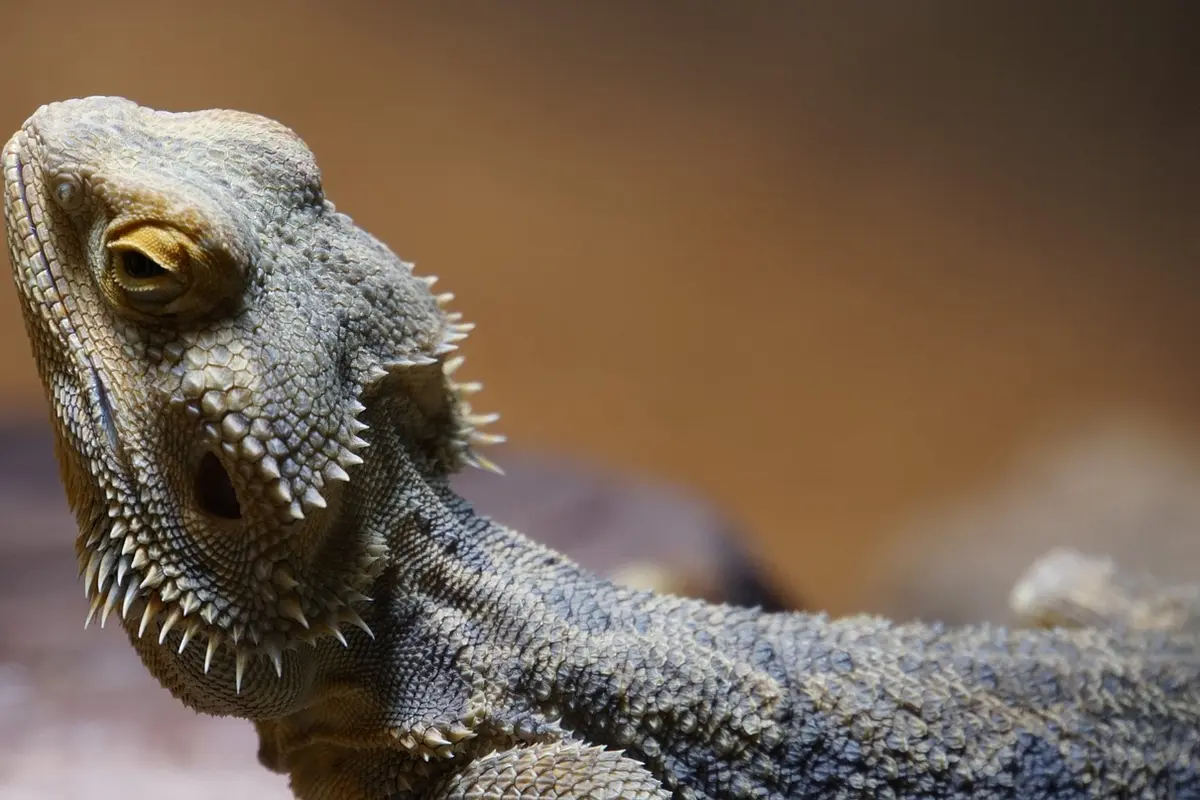
Even the calmest bearded dragon can have a bad day and react defensively. I’ve been nipped more than a few times, and my first reaction was always to flinch. Do bearded dragons bite? They do, usually when they feel threatened or stressed, or when they’re defending themselves. Understanding why they bite can help you take steps to prevent it. Your number one job in this situation is to fight that instinct and stay perfectly still. A sudden jerk or pull away can hurt your dragon’s mouth or make them feel even more threatened.
If you do get bitten, don’t yell or put them down immediately. A bite from an adult dragon can be a sharp pinch, while a baby’s is more of a surprising pressure. Stay calm, speak to them softly, and wait. They will almost always let go on their own after a second when they realize you aren’t food or a threat.
For dragons that are consistently jumpy or aggressive, I use a small, thin towel as a handling aid. Gently drape the towel over their head and back before you attempt to pick them up; this can help them feel hidden and secure. It’s a simple trick that has worked wonders for me with rescue dragons that needed extra patience.
Training Tips for Long-Term Trust Building
Building a strong bond with your bearded dragon doesn’t happen overnight. It’s a slow, rewarding process built on positive experiences. Think of it as a friendship you’re nurturing day by day. To get your bearded dragon to like you and build trust, start with gentle handling and calm, predictable routines. Let them approach you on their terms, and reward trust with patient, positive interactions.
Using Treats and Positive Reinforcement
Food is a universal language of trust for these animals. I always keep a small dish of their favorite soft treats nearby during handling sessions.
- Offer a small piece of raspberry, blueberry, or a hornworm right from your open palm. This encourages them to voluntarily approach your hand.
- The goal is to associate your hand with good things, not just being grabbed.
- Reward calm behavior, not fearful or aggressive actions. If they sit calmly on your hand for a minute, that’s a treat-worthy moment!
- Never use treats to lure them into a situation they are clearly terrified of, as this can break trust.
Creating a Consistent Handling Routine
Reptiles thrive on predictability. A sporadic handling schedule can keep your dragon in a constant state of unease.
I handle my dragons for short periods at roughly the same time each day, usually in the late morning or early afternoon when they are most alert and warm. Consistency tells your dragon that handling is a normal, non-threatening part of their day.
- Start with just 5-10 minutes of handling per session.
- Always approach from the side and below, never from above like a predator.
- Keep the sessions in a quiet, safe space away from loud TVs or other pets.
- End each session on a positive note, perhaps with a gentle chin stroke before returning them home.
Over time, you’ll notice them becoming more relaxed, perhaps even looking toward you when you approach the enclosure. That moment of recognition is the ultimate sign that your patience and consistent care are paying off.
Essential Safety Measures for Every Handling Session

Before your fingers even get close to your dragon, there are a few non-negotiable steps you must take. Proper preparation isn’t just about your safety; it’s the foundation of trust with your pet. I’ve learned this through years of caring for my own skittish dragons, and it makes all the difference.
Wash Your Hands, Every Single Time
This simple act is your first and most important habit.
- Wash your hands thoroughly before you handle them. This removes any lingering food smells or lotions that might confuse or startle them.
- Wash your hands after you handle them. This protects you from any bacteria, like Salmonella, that reptiles can naturally carry.
I keep a bottle of hand sanitizer right by my dragon’s enclosure for a quick clean before impromptu snuggles. It’s a small step that prevents big problems.
Prepare the “Handling Zone”
Your dragon’s world is their enclosure. When you take them out, their entire universe changes in an instant. You need to make that new space safe.
- Always handle them close to the ground or over a soft, flat surface like a bed or a couch.
- Remove any hazards they could fall onto, like sharp-edged coffee tables or hard floors.
- Ensure other pets, especially cats and dogs, are in another room. The stress of a predator staring at them can be overwhelming.
Creating a secure environment tells your bearded dragon they don’t need to be on high alert. It lets them relax into the experience. Following a safe bearded dragon care guide, choosing appropriate plants, wood, and substrates helps create a calm, natural habitat. These choices support their well-being and simplify enclosure maintenance.
Learn to Read Their “Mood Ring” Body Language
Your dragon is communicating with you constantly through their posture and color. Ignoring these signals is like trying to have a conversation with someone while wearing noise-canceling headphones.
Signs Your Dragon is Stressed or Scared:
- Black Beard: This is their biggest, most obvious warning sign. A darkening beard means “I am upset or frightened.”
- Gaping Mouth: An open mouth, especially when not basking, is a defensive posture. It’s a clear “back off” signal.
- Hissing: They don’t do this often, but when they do, you must listen. It’s a vocal expression of fear or anger.
- Puffing Up: They try to make themselves look bigger to appear more threatening.
If you see any of these signs, the best thing you can do is stop and give them space. Forcing an interaction when they are clearly saying “no” will destroy any trust you’ve built. I’ve had to walk away from handling sessions with my dragon, Pascal, many times, and respecting his “no” has made him more willing to say “yes” later.
Signs Your Dragon is Calm and Content:
- Their beard is their normal, light color.
- They are not trying to scramble away from your hand.
- Their body is relaxed, not tense and rigid.
- They might even close their eyes slowly, a sign of trust.
These are the green lights that tell you it’s a good time for gentle handling. Paying attention turns you from a scary giant into a trusted friend.
Frequently Asked Questions
How long should a handling session last when first starting out?
Begin with brief sessions of 5-10 minutes to prevent overwhelming your bearded dragon, and slowly extend the time as they show more comfort and curiosity. Also, make sure they get enough exercise during their active periods.
Is it safe to handle my bearded dragon while it is shedding?
It’s best to avoid handling during shedding, as their skin is sensitive and they may be more irritable; wait until the shed is complete to reduce stress.
What should I do if my bearded dragon never seems to enjoy being handled?
Focus on trust-building activities like hand-feeding and calm presence near their enclosure, and consider consulting a reptile veterinarian to rule out underlying health issues affecting their behavior.
Final Thoughts
Picking up your bearded dragon, especially a nervous one, boils down to patience and gentle confidence. Moving slowly, supporting their entire body, and letting them set the pace are the non-negotiable foundations of trust. This approach is also how you tame a bearded dragon through handling and bonding. With consistent, gentle handling as part of a daily routine, you’ll build a calmer, more confident companion. It’s not a race, and from my own experience, forcing an interaction always sets you back further than just waiting a day.
Remember that every successful, calm handling session strengthens your bond. Your consistent, calm energy is the most powerful tool you have to help a scared or grumpy dragon feel secure. Stick with these gentle methods, and you’ll build a wonderful, trusting relationship with your scaled friend.
Further Reading & Sources
- How to Handle a Bearded Dragon: Do’s and Don’ts | PetSmart
- r/BeardedDragons on Reddit: Can I handle my bearded dragon?
- How to handle a Bearded dragon safely and stress-free
Bearded Dragon Lair is the ultimate resource for bearded dragon enthusiasts, offering expert advice and practical tips to ensure the health and happiness of your scaly companion. With years of experience in reptile care, we are dedicated to providing accurate, up-to-date information to support your bearded dragon journey.
Handling Best Practices