Can Bearded Dragons Eat Turnip Greens?
Published on: January 20, 2026 | Last Updated: January 20, 2026
Written By: Beardie Joe
If you’re holding a bunch of turnip greens and wondering if they’re a safe choice for your scaly friend, you’re asking the right question.
As a long-time bearded dragon owner, I’ve spent years testing different greens in my own pets’ diets, and I’m here to give you the straight facts.
In this guide, we’ll cover the exact nutrition, potential risks, and my simple step-by-step method for preparing and serving this leafy green safely.
What Are Turnip Greens and Are They Safe?
Turnip greens are simply the leafy tops of the turnip plant, and yes, they are absolutely safe for your bearded dragon to eat. I regularly pick up a bunch at my local grocer for my own dragons. They are a robust, dark leafy green, often with a slightly peppery taste that many beardies seem to enjoy. You can confidently add turnip greens to the regular rotation of staple greens in your dragon’s diet. In line with most bearded dragon leaves-eat guides, turnip greens are a safe leafy option. Remember that some greens can be toxic or high in oxalates, so always check a reputable list of safe vs toxic varieties before feeding. Just be sure to wash them thoroughly, as you would with any fresh produce, to remove any potential pesticides or dirt.
Nutritional Breakdown: The Good and The Caution
Turnip greens are a nutritional powerhouse, which is why I get so excited about feeding them. They are packed with vitamins A, C, and K, all of which support your dragon’s immune system, vision, and healthy blood clotting. They also provide a good amount of fiber to keep their digestive system running smoothly. This fantastic vitamin profile makes them a highly beneficial choice for promoting overall health. The key, as with any food, is understanding the full picture to feed them correctly.
Understanding the Calcium to Phosphorus Ratio
This is the most critical number to know for any bearded dragon food. Beardies need a lot more calcium than phosphorus in their system to prevent Metabolic Bone Disease (MBD), a serious and common illness. We look for a ratio of 2:1 (calcium to phosphorus) or higher. But how much calcium is enough—and how much is too much? Excess calcium can cause health problems if not balanced with proper UVB exposure and overall diet.
The excellent news is that turnip greens have a fantastic calcium to phosphorus ratio of about 20:1. This is one of the best ratios you can find in a leafy green. Their outstanding calcium content is the primary reason I consider them a top-tier salad ingredient. It means every bite is actively helping to build strong bones.
The Role of Oxalates and Goitrogens
Now for the “caution” part of our breakdown. Turnip greens contain two natural compounds you should be aware of: oxalates and goitrogens.
- Oxalates (Oxalic Acid): These compounds can bind to calcium inside your dragon’s body and prevent its absorption. While turnip greens have a lower oxalate level than “problem” greens like spinach, the amount is not zero. This is precisely why variety is so crucial-you prevent any one type of oxalate from becoming a problem.
- Goitrogens: These substances can interfere with thyroid function by inhibiting iodine uptake. In very large, consistent quantities, this could lead to issues. However, the goitrogen levels in turnip greens are considered moderate. When fed as part of a varied diet, the risk from goitrogens is very low for a healthy dragon.
Don’t let these words scare you away. I feed turnip greens to my crew weekly. The key takeaway is that the benefits of turnip greens far outweigh the risks when they are fed responsibly and as part of a mixed diet. They are a safe and healthy green that deserves a spot in your dragon’s salad bowl.
How to Prepare Turnip Greens for Your Dragon
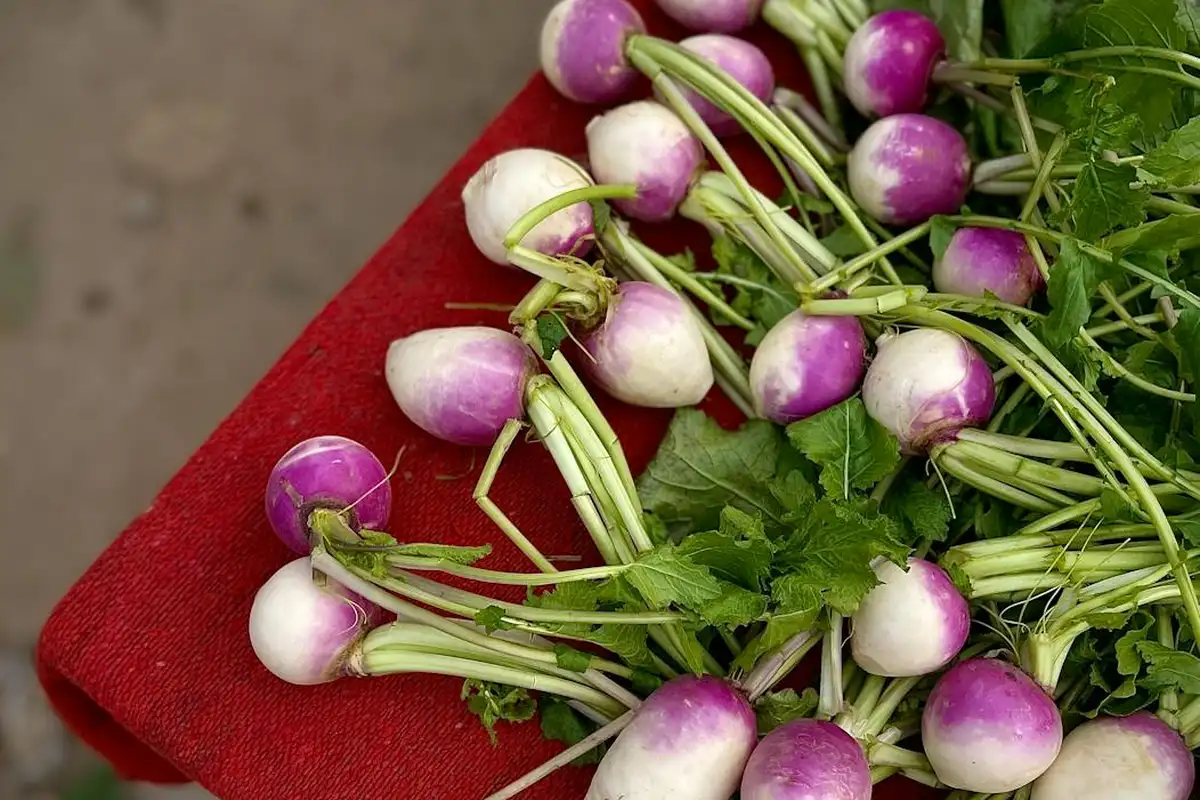
Getting turnip greens ready for your dragon is simple, but doing it right makes all the difference. I follow the same routine with all my dragons’ greens, and it’s become second nature. Bearded dragons also enjoy dandelion greens, flowers, and stems as part of a balanced diet. I’ll explain which parts are safe and how to prepare them for your dragon.
First, give the greens a good rinse under cool, running water. You want to wash away any dirt, tiny bugs, or potential pesticide residue. I always take an extra minute to gently rub the surface of each leaf with my fingers to ensure it’s truly clean.
Next, pat the leaves completely dry with a clean paper towel or a salad spinner. A little leftover moisture is okay, but a soggy salad can make the rest of the food in the dish wilt quickly.
Finally, chop the greens into bite-sized pieces. The right size depends on your dragon’s age and size.
- For baby bearded dragons, I chop the leaves into pieces no bigger than the space between their eyes. This prevents choking.
- For juveniles and adults, you can offer slightly larger, shredded pieces. They are great at tearing their food.
Properly preparing the greens not only makes them safer to eat but also much more appealing to your pet. I’ve found my dragons are much more interested in a nicely chopped mix than a whole, intimidating leaf. In a lettuce guide, romaine or green leaf lettuce are safe options when offered in moderation and should be rotated with other greens. Avoid iceberg lettuce as a staple due to low nutrients.
Serving Size and Feeding Frequency
Turnip greens are a fantastic staple green, but they shouldn’t be the *only* green your dragon eats. Variety is the cornerstone of a healthy diet.
For adult bearded dragons, turnip greens can make up a large portion of their daily salad. I typically use it as the base for my dragons’ meals. A good rule of thumb is that greens should constitute about 80-90% of an adult dragon’s overall diet. You can offer this salad daily. Spring mix can be a convenient base to build the perfect dragon salad. Bearded dragons eat spring mix as part of a balanced diet, so rotate it with turnip greens for variety.
For baby and juvenile dragons, the diet is flipped. They need more protein for growth. For a complete feeding guide by age, see how much a baby should eat and how portions adjust as they mature. Keeping track of portions helps prevent under- or overfeeding.
- Babies (0-4 months): Offer a small amount of finely chopped turnip greens daily alongside their primary diet of live insects.
- Juveniles (4-12 months): Increase the salad portion. Offer a mix of greens daily, with insects still being a major component.
Always remove any uneaten fresh food from the enclosure after a few hours to keep things clean and prevent spoilage.
Creating a Balanced Greens Mix
Think of your dragon’s salad bowl like a nutrient-packed salad bar. You want a mix of flavors, textures, and, most importantly, nutritional benefits.
I like to use turnip greens as my reliable base. Then, I rotate in other safe greens and veggies for variety. Here is a simple formula I use for my own dragons:
- Base (50-60%): Turnip greens, collard greens, or dandelion greens.
- Mix-Ins (30-40%): Butternut squash, bell peppers (any color), or cilantro.
- Toppers (10% or less): A few bits of fruit like blueberries or raspberries as a rare treat.
Rotating your greens is critical. By mixing different veggies, you ensure your dragon gets a broad spectrum of vitamins and minerals and doesn’t get bored with its food. I notice my dragons get more excited about mealtime when their salad looks a little different each day. This practice is especially important when feeding vegetables to bearded dragons.
Be mindful of vegetables high in oxalates (like spinach) or goitrogens (like kale in very large, constant amounts). It’s best to use these sparingly. Turnip greens are a safer, more consistent choice for the daily rotation.
| Greens Type | Role in the Mix | Feeding Frequency |
|---|---|---|
| Turnip Greens | Staple Base | Daily |
| Collard Greens | Staple Base | Daily |
| Butternut Squash | Nutrient Mix-In | 3-4 times a week |
| Bell Peppers | Hydration & Vitamin Mix-In | 2-3 times a week |
Top Staple Greens for a Healthy Bearded Dragon Diet
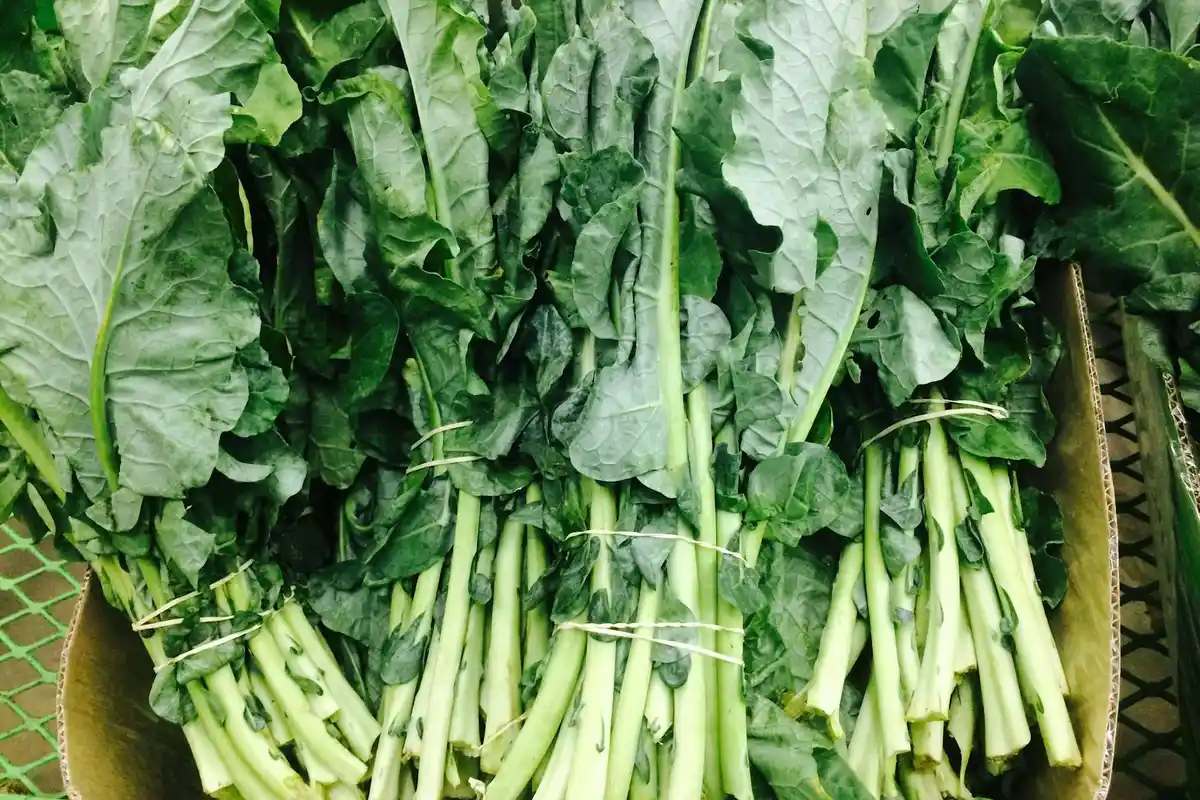
Turnip greens are fantastic, but variety is the true spice of a healthy dragon’s life. I rotate through these staples daily to keep my crew interested and optimally nourished.
Think of these as the reliable foundations of your salad bowl.
My Go-To Daily Staples
- Collard Greens: A powerhouse of calcium and vitamin A, these are a constant in my fridge. My dragons consistently devour the broad, dark leaves.
- Mustard Greens: These offer a great nutrient profile and a slightly peppery kick that seems to really entice my pickier eaters.
- Dandelion Greens: Don’t dismiss these weeds! They are calcium-rich and packed with vitamins. I only use ones from my chemical-free yard or the grocery store.
- Escarole & Endive: These are milder greens that provide great hydration and are low in oxalates, which is a big win for calcium absorption.
- Turnip Greens: Of course, they belong on this list! Their high calcium-to-phosphorus ratio makes them a top-tier choice for daily feeding.
Excellent Occasional Mix-Ins
- Butternut Squash: Shredded finely, this is a favorite. It’s rich in vitamin A and adds a lovely orange color to the salad.
- Bell Peppers: All colors are safe and provide a hydrating, crunchy treat full of vitamin C.
- Bok Choy: I use this sparingly as part of a mix. It’s nutritious but should not be a primary green due to goitrogens.
Common Questions and Mistakes to Avoid
I’ve made a few blunders over the years and learned from them. Let’s get you ahead of the curve so your dragon thrives.
Are Turnip Greens Better Than Kale?
This is a classic debate. While kale isn’t the “poison” some forums claim, turnip greens are nutritionally superior for daily use. Turnip greens have a much better calcium-to-phosphorus ratio, which is critical for preventing metabolic bone disease. I use kale only as a rare treat in a very mixed salad.
The Biggest Mistake: Not Washing Greens
I cannot stress this enough. Pesticides and other contaminants on produce can make your dragon very sick. I wash every single leaf, even the “pre-washed” bagged kinds, under cool running water. It’s a simple step that protects their delicate systems.
Avoiding the “One Green” Trap
Feeding only one type of green, even a good one like collards, leads to nutritional gaps and eventual boredom. Your dragon might just stop eating altogether if they get tired of the same old meal. I aim for a mix of at least two to three different greens at every feeding.
Ignoring the Stalk-to-Leaf Ratio
Turnip greens often come with thick, fibrous stalks. Young, tender stalks are usually fine, but the older, woodier ones are difficult to digest. I always chop the leaves and tender parts, discarding any tough, stringy stems. This makes it easier for them to eat and reduces any risk of impaction.
Frequently Asked Questions
What does a bearded dragon greens chart typically include?
A bearded dragon greens chart categorizes safe greens by their role in the diet, such as staples or occasional mix-ins, and highlights key details like calcium-to-phosphorus ratios to help you make informed feeding choices for optimal health. Refer to this list of safe and unsafe greens to ensure you are feeding your bearded dragon the right ones.
What greens are safe and commonly available for bearded dragons in the UK?
In the UK, staples like watercress and rocket are widely available and safe for daily use, while kale can be offered sparingly due to goitrogens; always source from reputable suppliers and wash thoroughly to remove contaminants.
Are there any Australian-specific greens that are good for bearded dragons?
In Australia, greens such as endive and bok choy are nutritious options, but avoid high-oxalate varieties like spinach; focus on locally available, pesticide-free greens to create a varied and balanced diet for your dragon.
Final Thoughts
So, can bearded dragons eat turnip greens? Absolutely yes – they are a fantastic, nutrient-packed green to include in your dragon’s lunch rotation. I regularly use them in my own beardies’ salads, and they are a reliable staple that offers great hydration and vital vitamins without being overly high in problematic goitrogens. In a broader guide on greens, collard greens and mustard greens are also safe options to rotate with turnip greens. They provide similar nutrition and help keep meals varied for your bearded dragon.
The key to a truly healthy dragon is always variety. Rotate turnip greens with other trusted staples like collard and dandelion greens to create a well-rounded diet. Offer them in appropriate, bite-sized portions a few times a week, and you’ll be providing a delicious and nutritious meal your scaly friend will love.
Further Reading & Sources
- Can Bearded Dragons Eat Turnips? Vet-Approved Diet, Nutrition, & FAQ | Hepper Pet Resources
- Is it okay to feed turnip greens that are not cut up? | Feeding
- What are the best greens for a bearded dragon? – Quora
Bearded Dragon Lair is the ultimate resource for bearded dragon enthusiasts, offering expert advice and practical tips to ensure the health and happiness of your scaly companion. With years of experience in reptile care, we are dedicated to providing accurate, up-to-date information to support your bearded dragon journey.
Feeding Guidelines