Can Bearded Dragons Eat Mealworm Beetles? Safety, Risks, and Alternatives
Published on: February 4, 2026 | Last Updated: February 4, 2026
Written By: Beardie Joe
If you’ve ever spotted a darkling beetle in your dragon’s enclosure and wondered if it’s an okay snack, you’re not alone in that thought.
As a long-time owner of several bearded dragons, I’ve personally faced this exact scenario and will help you make the safest choice for your pet.
We’ll cover the immediate safety concerns, detail the potential health risks, and explore better, more nutritious food options for your scaly friend.
What Are Mealworm Beetles?
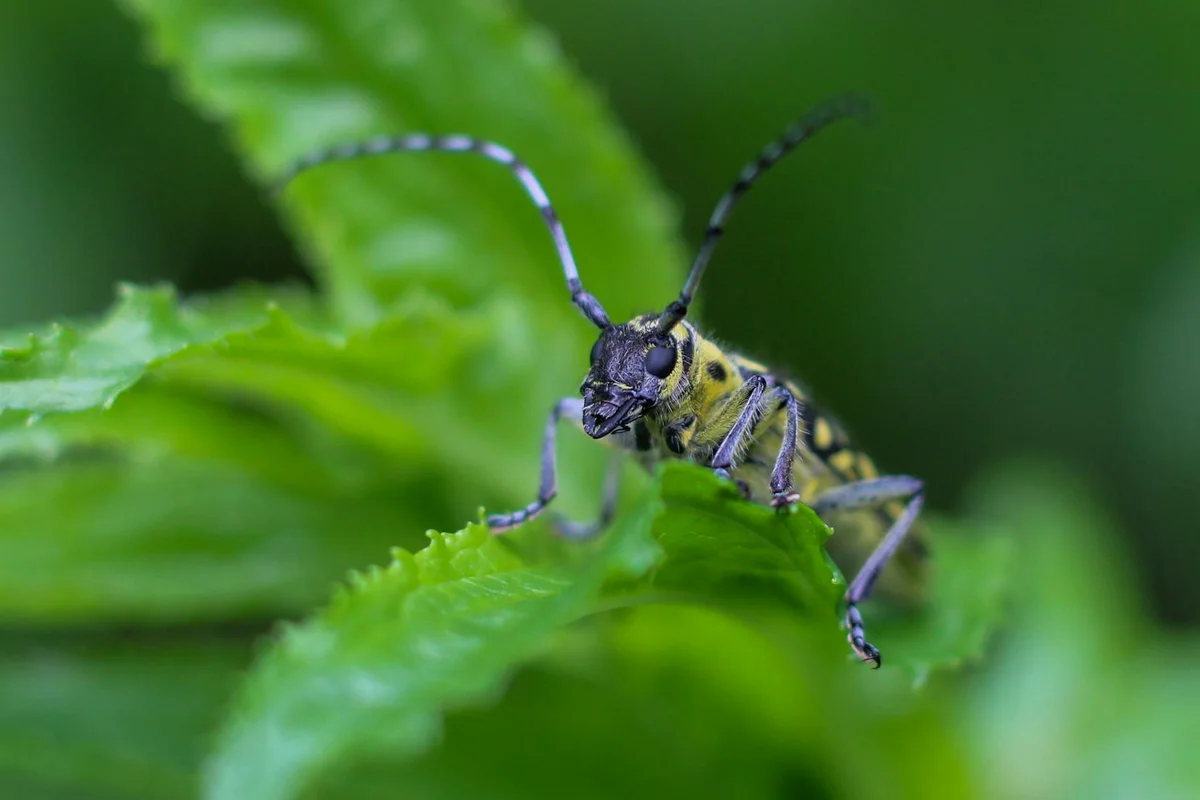
Mealworm beetles are the dark brown or black adult form of the common mealworm. Their scientific name is Tenebrio molitor, and they complete a fascinating four-stage life cycle. They start as an egg, hatch into the creamy-yellow larvae we know as mealworms, pupate into a non-feeding, inactive stage, and finally emerge as these winged beetles.
As a bearded dragon owner with my own feeder colony, I see this happen all the time. You’ll likely encounter these beetles if you keep a mealworm farm, as they are a natural and inevitable part of the breeding process. Bearded dragons will eat many kinds of bugs, but not all are safe to feed; some insects can be toxic or hard to digest. It’s important to know which insects are safe for bearded dragons and which to avoid. Physically, they are about half an inch to an inch long and have a notably hard, rigid exoskeleton that is difficult to crush.
Safety of Feeding Mealworm Beetles to Bearded Dragons
So, can your bearded dragon eat them? Based on reptile care guidelines and my own experience, I do not recommend feeding mealworm beetles to bearded dragons. While not acutely toxic, the risks significantly outweigh any potential nutritional benefit. For those exploring the topic, this guide covers whether bearded dragons can eat live mealworms, dried mealworms, or giant mealworms, and how to feed them safely. It also discusses safer protein alternatives.
I’ve tried offering one to a healthy adult dragon out of curiosity. He chomped it down but then seemed to work his jaws extra hard. Watching him struggle with the sheer hardness of the beetle confirmed my concerns-it’s just not a comfortable or safe meal for them, especially when compared to safe and appropriate insects for bearded dragons.
Digestive and Physical Risks
The primary dangers of mealworm beetles are physical. Their tough bodies pose several serious threats to your dragon’s health.
- Impaction Risk: The high chitin content in their hard shell is very difficult to digest. This can lead to a dangerous gut blockage, or impaction, especially in younger or smaller dragons.
- Choking Hazard: The size and rigidity of the beetle can be a choking risk. A dragon might try to swallow it whole and find it gets lodged.
- High Fat Content: Compared to other feeder insects, these beetles are relatively high in fat. Regular consumption could contribute to unhealthy weight gain and liver issues.
These risks are not the same for every dragon; a large, healthy adult may pass one without issue, but a juvenile’s digestive system simply isn’t equipped for the challenge. It’s a gamble with their welfare that I advise against taking.
Disease and Contamination Risks
Beyond the physical dangers, there is the invisible threat of pathogens. The environment a beetle comes from matters immensely for your pet’s safety.
- Parasites and Bacteria: Beetles from an unclean colony or, worse, caught in the wild, can carry internal parasites or harmful bacteria like Salmonella.
- Pesticide Exposure: Wild-caught insects are often exposed to pesticides, herbicides, or other lawn chemicals that are toxic to reptiles.
I am a strong advocate for using only clean, captive-bred feeder insects. Feeding wild-caught bugs is an unnecessary risk that compromises your animal’s welfare for the sake of a free snack. Always source your feeders from a reputable supplier to ensure your dragon’s food is as safe as possible, especially when choosing insects like grasshoppers for bearded dragons.
Nutritional Profile of Mealworm Beetles
Knowing what’s inside a feeder insect helps you make the best choices for your scaly friend. I’ve spent years raising various feeders, and the transformation from larva to beetle brings a significant nutritional shift.
Mealworm beetles are surprisingly high in protein but come with a major trade-off: a very tough exoskeleton made of chitin. This chitin is difficult for a bearded dragon to digest and offers little nutritional value. Let’s see how they stack up against other common feeders. If you’re exploring worm-based options for a safe, nutritious bearded dragon diet, this bearded dragons eat worms guide explains which worms are best and how to feed them safely.
| Feeder Insect | Protein | Fat | Chitin (Fiber) |
|---|---|---|---|
| Mealworm Beetle | High | Moderate | Very High |
| Cricket | High | Moderate | Moderate |
| Dubia Roach | Very High | Low | Low |
Impact on Bearded Dragon Health
That tough shell on the beetle isn’t just hard to chew; it’s hard on their digestive system. A diet too high in chitin can lead to impaction, a serious bowel blockage.
The high protein is great for growing juveniles, but the fat content means beetles should be a rare treat for adults to prevent unhealthy weight gain. I learned this the hard way with one of my first dragons who started getting a little too plump on a worm-heavy diet.
Perhaps the biggest concern is the calcium-to-phosphorus ratio. Beetles, like their larval form, have more phosphorus than calcium. This imbalance can prevent your dragon from absorbing calcium properly, leading to metabolic bone disease (MBD), a devastating and painful condition. This is why proper supplementation is non-negotiable.
How to Safely Offer Mealworm Beetles (If Appropriate)
If you decide to offer a beetle, perhaps one that naturally morphed in your feeder colony, you must follow a careful process. I only do this occasionally with my healthy adult dragons.
Treat mealworm beetles as a rare, supplemental snack, not a staple food item. Think of them as the bearded dragon equivalent of a handful of potato chips—fine once in a blue moon, but not for everyday meals. Learn how often to feed mealworms to your bearded dragon.
- Select the Right Size: The beetle should never be wider than the space between your bearded dragon’s eyes. This is my golden rule for all feeders to prevent choking.
- Gut Load for 24-48 Hours: Before the beetle ever meets your dragon, it needs to be fed highly nutritious foods. This process, called gut loading, passes nutrients on to your pet.
- Dust Lightly with Supplement: Just before feeding, place the beetle in a small container with a pinch of calcium powder (with D3 if you use it) and gently shake to coat it.
- Feed in a Controlled Environment: Offer the beetle in a feeding dish or an area where you can watch to ensure it is eaten safely.
- Limit the Quantity: For an adult dragon, one or two prepared beetles once a month is plenty. I would not recommend them for juveniles at all.
Gut Loading and Dusting Techniques
Gut loading is your secret weapon for turning a mediocre feeder into a nutritious one. You are what you eat, and that applies directly to the insects your dragon consumes.
I always gut load my feeder insects with high-calcium, high-moisture vegetables to boost their nutritional value and hydration. My go-to foods for gut loading beetles and other feeders are fresh sweet potato, carrots, dandelion greens, and butternut squash. Avoid low-nutrient options like iceberg lettuce.
Commercial gut load products are also a fantastic, consistent option. Dusting is the final, critical step that ensures your dragon gets the calcium it needs to combat the beetle’s high phosphorus levels. A light coating is all you need-you shouldn’t see a thick, white ghost of a bug. Just a subtle dusting does the trick.
Better Insect Alternatives for a Balanced Diet
Since mealworm beetles are a risky choice, you have many fantastic, safer options. If you’re exploring worm diets for bearded dragons, earthworms and hornworms are common options to consider. I’ve raised my dragons on a variety of these, and their health and energy levels speak for themselves.
- Dubia Roaches: These are my absolute top pick. They are soft-bodied, packed with protein, and have a fantastic protein-to-fat ratio. My dragons go crazy for them, and they are very easy to gut-load with healthy veggies.
- Crickets: A classic staple for a reason. They provide good nutrition and encourage your dragon’s natural hunting instincts. Just be sure to source them from a reputable supplier to avoid parasites.
- Hornworms: These are fantastic for hydration! They are very soft, low in fat, and their bright blue color seems to really attract my bearded dragons. They are a great occasional treat, especially for a dragon that needs more fluids.
- Black Soldier Fly Larvae (Calciworms®/Phoenix Worms): These little worms are nutritional powerhouses. They have an almost perfect calcium-to-phosphorus ratio, which is brilliant for bone health. Their low chitin content makes them very easy to digest.
The main reason these insects are preferable is their digestibility. They have significantly lower chitin levels than mealworm beetles, which means a much lower risk of impaction. Their superior protein-to-fat ratios also support healthy growth and weight management, unlike the empty, hard shell of a beetle.
Incorporating Variety into Meals
Feeding the same insect every day is like you eating only chicken for every meal—you’d get bored and miss out on other nutrients. I rotate my dragons’ protein sources on a weekly schedule. Following a complete feeding schedule shows how often a bearded dragon should be fed. It varies by age, but a common approach is daily insects for juveniles and greens plus occasional insects for adults.
- Week 1: Dubia Roaches as the primary staple.
- Week 3: Return to Dubia Roaches, with Hornworms as a hydrating mid-week treat.
Week 2: A mix of Black Soldier Fly Larvae and Crickets.
This rotation prevents nutritional deficiencies and keeps mealtime exciting. It encourages their natural foraging behavior and ensures they get a wide spectrum of vitamins and minerals.
Feeding Guidelines for Optimal Bearded Dragon Health
How you feed is just as important as what you feed. Following a few simple rules will keep your scaly friend in peak condition for years.
- Moderation is Key: Even with safe insects, overfeeding leads to obesity. A good rule is to offer only as many insects as your dragon can eat in a 10-15 minute period.
- Monitor for Reactions: Always watch your dragon after introducing any new food. Look for signs of lethargy, bloating, or changes in their stool. If something seems off, remove that item from their diet.
- Adjust for Age: Juvenile bearded dragons need much more protein for growth. They should be fed insects 2-3 times daily. Adults, however, need a diet that is about 80% vegetables and only 20% insects, fed just once a day or every other day.
Insects are only one part of the puzzle. A shallow dish of fresh, clean water should always be available in their enclosure. Alongside their live prey, a daily salad of leafy greens like collard greens, dandelion greens, and butternut squash is non-negotiable for complete nutrition. This combination mimics the varied diet they would find in the wild.
Frequently Asked Questions
Where can I purchase safe feeder bugs for my bearded dragon?
You can buy safe, captive-bred feeder bugs from reputable online retailers, specialized pet stores, or local breeders to ensure they are free from parasites and pesticides.
Are there subscription services for bearded dragon bug feeders?
Yes, subscription services deliver fresh, gut-loaded insects regularly, providing convenience and helping maintain a varied, nutritious diet for your bearded dragon. Guides on how many bugs bearded dragons should eat daily across all life stages help you plan portions as your dragon grows. Using a subscription can help you follow that guidance by ensuring a steady supply of appropriately sized, gut-loaded insects.
What is a comprehensive list of safe bugs for bearded dragons to eat?
Safe options include dubia roaches, crickets, hornworms, and black soldier fly larvae; always research each bug’s nutritional profile and avoid wild-caught insects to minimize health risks.
Final Verdict
So, can bearded dragons eat mealworm beetles? The simple answer is no. These hard-shelled beetles pose a genuine choking hazard and are difficult for your dragon to digest. From my own experience, it’s just not worth the risk when there are so many better, safer options available, like darkling beetles.
Always prioritize your pet’s well-being by sticking to proven feeder insects and a variety of fresh greens. Your scaly friend will thrive on a balanced diet that doesn’t include these crunchy, problematic beetles.
Further Reading & Sources
- Can Bearded Dragons Eat Mealworms
- Can Bearded Dragons Eat Mealworm Beetles? Expert Answers & Advice
- Mealworms for Bearded Dragons | Bearded Dragon Forum
Bearded Dragon Lair is the ultimate resource for bearded dragon enthusiasts, offering expert advice and practical tips to ensure the health and happiness of your scaly companion. With years of experience in reptile care, we are dedicated to providing accurate, up-to-date information to support your bearded dragon journey.
Feeding Guidelines