Can Bearded Dragons Eat Mealworms? (Live, Dried & Giant Mealworm Guide)
Published on: January 1, 2026 | Last Updated: January 1, 2026
Written By: Beardie Joe
You’re staring at those wiggling mealworms, wondering if they’re a safe treat or a hidden danger for your scaly friend.
I’ve fed my own bearded dragons mealworms for years, and I’m here to share my real-life experience to keep your pet healthy and happy.
We’ll break down the safety of live, dried, and giant mealworms, plus give you simple, actionable feeding tips.
Understanding Mealworms in a Bearded Dragon Diet
Are Mealworms Safe for Bearded Dragons?
This is one of the most common questions I get from new owners, and the answer isn’t a simple yes or no. Mealworms can be safe for adult bearded dragons when fed correctly, but they pose risks if used carelessly. I’ve seen many beardies enjoy them without issue, but I’ve also helped owners whose dragons had impaction from overfeeding. Learning how often to feed mealworms, hornworms, and superworms can help prevent these issues.
The main concern is the chitin, the hard outer shell of the worm. Younger dragons, especially juveniles and babies, have more delicate digestive systems that can struggle to break it down. For them, mealworms are a much riskier choice. For a healthy adult dragon, their stronger gut can typically handle the chitin in moderation.
Nutritional Value of Mealworms
Let’s break down what’s inside a typical mealworm. It’s helpful to think of them as a sometimes-food, not a staple, because of their nutritional profile.
- Protein: They are a good source of protein, which is vital for muscle development and overall health.
- Fat: This is the big one. Mealworms are relatively high in fat. Too many can lead to an overweight dragon and fatty liver disease.
- Calcium to Phosphorus Ratio: This is critical for reptile keepers. Ideally, you want a ratio where calcium is higher than phosphorus. Mealworms have this backwards-they have more phosphorus than calcium.
- Fiber: The chitin provides some fiber, which can be beneficial in very small amounts but problematic in large ones.
Because of the poor calcium-to-phosphorus ratio, you must dust mealworms with a calcium supplement before offering them. This simple step helps prevent Metabolic Bone Disease (MBD), a serious and painful condition I’ve sadly had to help other owners navigate.
Types of Mealworms for Bearded Dragons
Live Mealworms
This is the form I use most often in my own routine. Live prey stimulates your dragon’s natural hunting instincts, providing both nutrition and mental enrichment.
- Hydration: Live worms have a higher moisture content than dried ones, offering a bit of hydration.
- Gut-Loading: You can feed the mealworms nutritious foods (like carrots or commercial gut-load diet) 24-48 hours before feeding them to your dragon. This boosts their nutritional value significantly.
- Safety: Always feed live mealworms in a smooth, escape-proof bowl to prevent them from burrowing into your dragon’s substrate.
The movement of live mealworms triggers a feeding response that keeps your bearded dragon active and engaged. It’s wonderful to watch their focus and precision during a hunt.
Dried Mealworms
You’ll see these in many pet stores, and they are convenient, but I rarely use them. They are essentially a last-resort option.
- Low Moisture: They offer almost no hydration, which isn’t ideal for a desert species that already gets most of its water from food.
- Harder to Digest: The drying process makes the already-tough chitin even harder, increasing the risk of impaction.
- Nutritional Loss: Some nutrients degrade during the drying process, making them less beneficial than their live counterparts.
If you must use dried mealworms, rehydrate them in a bit of water first and only offer one or two as a rare treat. I keep a tub on hand only for emergency situations when I can’t get to the pet store.
Giant Mealworms and Superworms
This is where you need to be very careful. Giant mealworms and superworms (often confused but technically different) are much larger and have a significantly harder exoskeleton.
- Size Hazard: Their large size makes them a choking hazard and a serious impaction risk, especially for smaller dragons.
- Even Higher Fat: They are often fattier than standard mealworms, which is why many reptiles find them irresistible.
- Strong Jaws: Superworms, in particular, have strong mandibles that can bite your dragon. I always crush the heads of superworms with feeding tweezers before offering them to my adults.
I only consider offering a giant mealworm or superworm to a very large, healthy adult bearded dragon, and even then, it’s a rare monthly treat at most. If you’re considering adding superworms, our bearded dragons’ superworms guide explains when and how much to feed, and how to assess safety. For most beardies, there are safer and more nutritious feeder insects like dubia roaches or black soldier fly larvae.
Feeding Guidelines: Portion Size and Frequency
For Baby and Juvenile Bearded Dragons
Growing babies are little eating machines, and their bodies need a ton of protein to support their rapid growth. I remember watching my youngest dragon, Pippin, put away an astonishing number of bugs. For these youngsters, insects should make up about 80% of their diet. You can offer them a small portion of appropriately-sized mealworms, about 5-10 worms, once or twice a week as part of a varied insect menu. Never make mealworms the main course; think of them more as a weekly side dish.
For Adult Bearded Dragons
As your dragon matures, their dietary needs flip completely. An adult’s diet should be about 80% fresh vegetables and only 20% insects. Their metabolism slows way down, and they are far more prone to weight gain. For a healthy adult, I limit mealworms to a special treat of just a few worms, no more than once every couple of weeks. Overfeeding these to an adult is one of the fastest ways to an overweight, unhealthy lizard. I use them mostly as a handy lure to encourage my older dragons to eat their greens!
Determining the Right Mealworm Amount
Figuring out the perfect number can feel tricky, but I use a simple, reliable rule. The golden rule is to never offer a mealworm that is wider than the space between your bearded dragon’s eyes. This prevents a dangerous choking hazard or a potential gut impaction. For the total amount, a good portion size is whatever they can consume in a 10 to 15-minute feeding window. Age matters: hatchlings and juveniles should get fewer mealworms, while adults can take on more. If you’re following a ‘how many mealworms should you feed your bearded dragon’ guide by age, tailor the daily portion to your dragon’s life stage. Any uneaten live insects should be removed from the habitat to avoid them bothering your pet.
Preparing Mealworms for Optimal Nutrition
Gut Loading Techniques
A mealworm is only as nutritious as what you feed it. Feeding your dragon a mealworm that’s been eating nothing but cardboard or bran is like serving them an empty calorie snack. Gut loading is the process of feeding your feeder insects a highly nutritious diet 24-48 hours before they become food themselves. This passes those nutrients directly to your dragon. I keep my mealworms in a container with a mix of:
- High-quality gut loading commercial diets
- Fresh slices of sweet potato and carrots
- Leafy greens like dandelion greens or collard greens
- Oats or bran for fiber
Dusting with Calcium and Vitamins
Even a gut-loaded mealworm often lacks specific, critical nutrients. This is where dusting comes in. Lightly coating the mealworms in a fine powder supplement is non-negotiable for preventing serious deficiencies like Metabolic Bone Disease. I keep two shaker bottles on hand: one with a pure calcium powder (with no phosphorus) and one with a multivitamin. My personal schedule, which has kept my dragons thriving for years, looks like this:
- For babies and juveniles: Dust with calcium at one feeding daily, and with a multivitamin at one feeding 2-3 times a week.
- For adults: Dust with calcium at 2-3 insect feedings per week, and with a multivitamin at one feeding per week.
Simply place a few worms in a plastic bag or a small cup with a pinch of supplement, give it a gentle shake, and offer them immediately. You want them to look like they’ve been lightly kissed by the powder, not buried in a snowstorm of it.
Potential Risks and How to Mitigate Them
Impaction and Choking Hazards
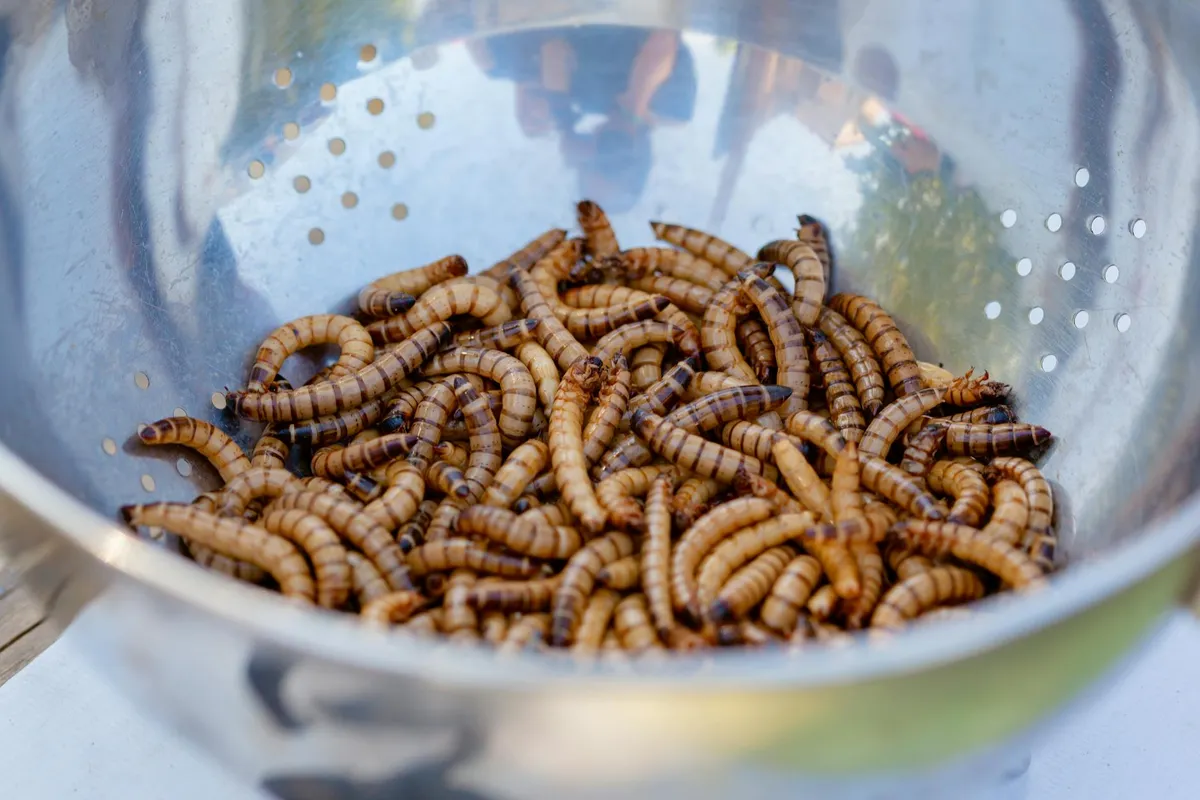
Mealworms have a tough, chitinous exoskeleton that is difficult for bearded dragons to digest. This hard shell is the primary reason mealworms pose a significant risk of impaction, a serious bowel blockage. Younger dragons are especially vulnerable because of their smaller digestive tracts. Giant mealworms are an even bigger risk due to their size.
I learned this the hard way with my first beardie, Ziggy. After a few mealworms, he became lethargic and stopped passing waste. It was a scary vet visit that taught me a lasting lesson. Here’s how you can keep your dragon safe: That’s why a quick guide on toxic foods to avoid for bearded dragons is essential. It helps you skip dangerous items and choose safe, healthy options for your dragon.
- Always choose smaller mealworms over larger ones.
- Never offer mealworms to a baby or juvenile bearded dragon.
- Crush the heads of giant mealworms before feeding to temporarily immobilize them and make them slightly easier to digest.
- Ensure your dragon’s enclosure temperatures are perfect. Proper heat is critical for digestion.
- Watch for signs of impaction: lethargy, lack of appetite, and a hardened, swollen abdomen.
Parasites and Contamination
Any live insect can carry parasites or be exposed to pesticides. The key to safety lies entirely in your source and how you keep the feeders before feeding time. I only buy from reputable suppliers who breed insects specifically for reptile consumption.
You should never, ever collect insects from your backyard to feed your pet. They could have been exposed to lawn chemicals or carry internal parasites that will make your dragon very sick.
- Purchase feeders from a trusted pet store or online reptile supplier.
- Quarantine new feeder insects for a short period before offering them.
- Gut-load your mealworms with nutritious veggies 24-48 hours before feeding. This passes nutrients to your dragon and ensures the worms themselves are healthy.
- Always provide fresh, clean water. Hydration helps their system process food and flush out impurities.
Alternatives for a Balanced Bearded Dragon Diet
Other Safe Feeder Insects
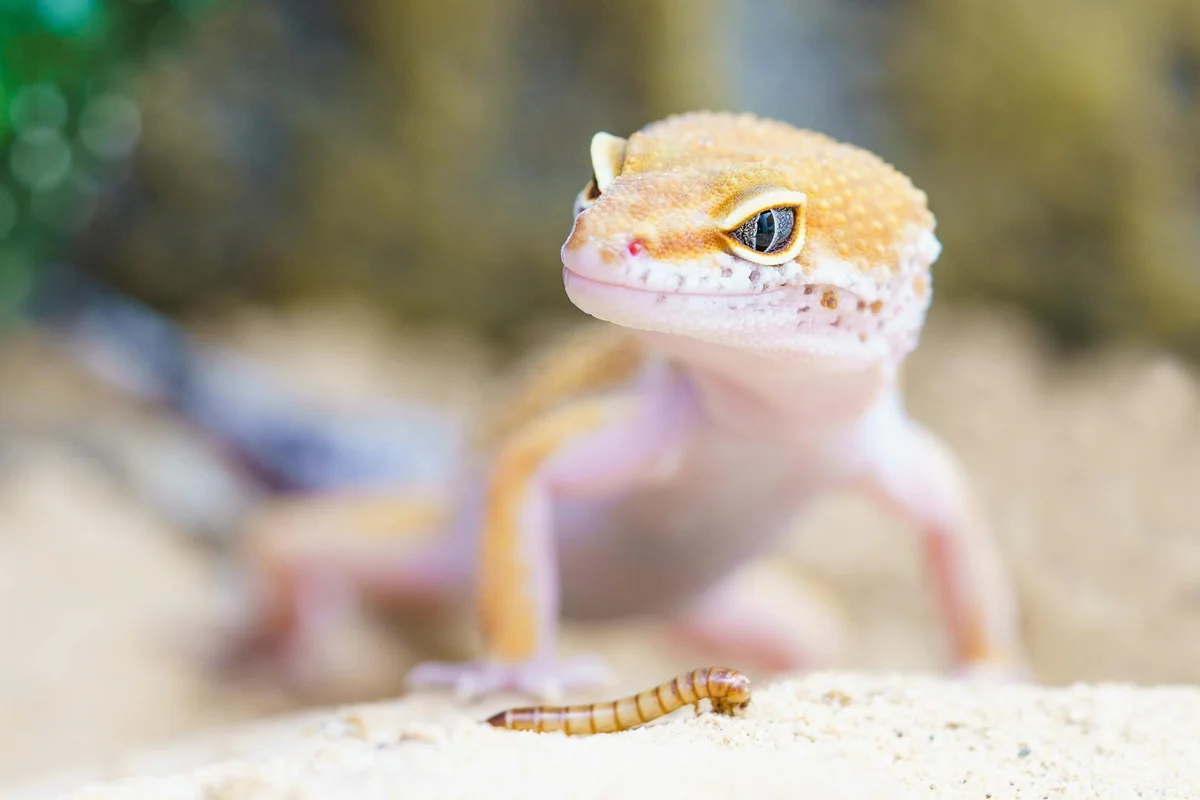
Variety is the absolute cornerstone of a healthy bearded dragon diet. Relying on just one type of insect is like you eating only chicken for every meal—you’d miss out on other vital nutrients. Rotating feeders keeps your dragon interested and nutritionally balanced. These ideas are part of a complete feeding guide for bearded dragons, including how to feed pets and how their diet compares to wild dragons. For the full, practical guide, explore the complete feeding guide.
Here are my go-to staple feeders that are much safer than mealworms for regular use:
- Dubia Roaches: My personal favorite. They are meatier, have a softer exoskeleton, and are packed with protein.
- Black Soldier Fly Larvae (Calciworms®/Phoenix Worms): These are a nutritional powerhouse. They are naturally high in calcium, which is fantastic for bone health.
- Crickets: A classic choice, but they are stinky and can be noisy. They are good for encouraging movement and hunting behavior.
- Silkworms: Excellent for hydration and protein, though they can be more delicate and expensive.
When Mealworms Are a Good Choice
Despite the risks, mealworms aren’t entirely evil. For a healthy, adult bearded dragon, mealworms can be an occasional, fatty treat. Think of them like a piece of birthday cake—not for everyday, but fine for a special occasion, similar to wax worms.
I might offer a couple of mealworms to my adult dragons once every couple of weeks as a dietary surprise. They go crazy for the wiggling movement! They can also be useful for underweight dragons who need to pack on a few grams, given their high fat content. Many bearded dragon guides emphasize that worm type and age should guide how many worms you offer. For example, younger dragons typically need smaller prey and fewer worms, while adults can tolerate a larger, occasional portion.
- Only for adult bearded dragons with no history of digestive issues.
- Limit to 2-5 worms, no more than once or twice a month.
- Always supervise feeding to ensure your dragon chews thoroughly.
- Dried mealworms are a last-resort option. They offer little hydration and are even harder to digest, but can be used very sparingly if live feeders are unavailable.
Frequently Asked Questions
Can bearded dragons eat mealworm beetles?
No, mealworm beetles are not recommended for bearded dragons as their hard exoskeleton poses a high impaction risk and they offer little nutritional value. Stick to the larval stage or other safer feeder insects like dubia roaches. For a quick reference, an insects bearded dragons eat guide can help you choose safe, non-toxic bugs and avoid toxic ones. Always verify suggestions with a reliable guide before feeding.
How many mealworms can I feed my bearded dragon per day?
Mealworms should not be fed daily due to their high fat and chitin content; for adults, limit to a few worms once every couple of weeks, and for juveniles, offer 5-10 worms only once a week as part of a varied diet.
Are mealworms or superworms better for bearded dragons?
Neither is ideal as a staple, but mealworms are slightly safer for occasional treats in adult dragons due to their softer exoskeleton compared to superworms, which have a higher impaction risk and stronger jaws.
Final Thoughts
So, can bearded dragons eat mealworms? The short answer is yes, but with significant caution. I always treat mealworms as an occasional snack, never a staple food, because their high-fat, high-chitin makeup poses real health risks for our scaled friends. Stick to live mealworms in very limited quantities for adult dragons only, and always skip them for juveniles. For a broader bearded dragons eat worms guide, you’ll find safe, nutritious worm options and feeding frequencies. It helps you balance worms with other foods to keep your dragon healthy.
Ultimately, a bearded dragon’s health thrives on variety. Your dragon will be far healthier and happier with a primary diet of gut-loaded crickets, dubia roaches, and fresh, leafy greens. This is part of a complete guide to safe foods for bearded dragons. It covers what to feed, how often, and what to avoid. Save the mealworms for a rare treat, and you’ll be supporting a long, vibrant life for your pet.
Further Reading & Sources
- r/BeardedDragons on Reddit: A question about mealworms!
- Can Bearded Dragons Eat Mealworms
- Mealworms for Bearded Dragons | Bearded Dragon Forum
Bearded Dragon Lair is the ultimate resource for bearded dragon enthusiasts, offering expert advice and practical tips to ensure the health and happiness of your scaly companion. With years of experience in reptile care, we are dedicated to providing accurate, up-to-date information to support your bearded dragon journey.
Feeding Guidelines