
Bearded Dragon Tank Cleaning Guide: Schedule, Methods & Safe Solutions
Published on: February 5, 2026 | Last Updated: February 5, 2026
Written By: Beardie Joe
Keeping your bearded dragon’s home clean can feel like a constant chore, but a pristine habitat is the foundation of their health and happiness.
As a long-time beardie owner, I’ve perfected a cleaning routine that’s effective and manageable, and I’m here to share everything I’ve learned.
In this guide, we’ll cover a simple cleaning schedule, walk through a step-by-step deep clean, and review the safest cleaning products to use around your pet.
Why Tank Cleaning is Vital for Your Bearded Dragon’s Health
I’ve learned from my own dragons that a clean tank isn’t just about aesthetics; it’s the foundation of their health. A dirty enclosure is a breeding ground for problems you often can’t see until it’s too late. Think of their tank as their entire world-everything they eat, drink, and breathe happens in that one space.
Common Health Issues from Poor Reptile Hygiene
When waste and old food are left to decompose, they create a dangerous environment. Here are the most common problems I’ve seen and helped other owners navigate:
- Parasitic Infections: Fecal matter harbors parasites like coccidia and pinworms. Your dragon can constantly re-infect itself, leading to weight loss, lethargy, and runny stools.
- Respiratory Infections: Ammonia from urine builds up in a dirty tank. This irritates their sensitive respiratory tracts, causing wheezing, mucus around the nostrils, and labored breathing.
- Skin and Scale Infections: Bacteria and fungus thrive in damp, soiled substrate. This can lead to scale rot, which looks like dark, crusty patches on their belly and feet.
- Impaction: If you use a loose substrate like sand, a dirty tank increases the risk of your dragon accidentally eating contaminated material, leading to a dangerous gut blockage.
Behavioral Benefits of a Clean Terrarium
The benefits go beyond physical health. A clean habitat directly impacts their mood and activity levels.
- Reduced Stress: Reptiles are creatures of habit and a filthy, smelly environment is a major stressor. A clean tank makes them feel secure.
- Increased Appetite: I’ve consistently noticed my dragons eat more eagerly in a freshly cleaned home. They’re not turned off by the smell of their own waste.
- More Natural Behaviors: You’ll see more glass surfing, digging, and basking. A clean space encourages them to explore and use their entire environment as nature intended.
A clean tank is one of the simplest and most effective ways to ensure your bearded dragon feels safe and exhibits its full, wonderful personality. A thorough tank setup guide covers essential equipment, decor, and safety tips to help you create a thriving habitat.
Essential Supplies for Bearded Dragon Tank Cleaning
Having the right tools on hand makes the cleaning process faster, easier, and safer for your pet. I keep all of this in one dedicated bucket so I’m never searching for supplies.
Safe Cleaning Solutions and Reptile-Safe Disinfectants
You must avoid standard household cleaners like bleach, pine-sol, or ammonia-based products. Their fumes are toxic and residues can be lethal. Here are the safe options I trust with my own dragons:
- Vinegar & Water Solution: My go-to for routine cleaning. It’s a great de-greaser and odor neutralizer. Mix a 1:1 ratio of white vinegar and water in a spray bottle.
- Chlorhexidine or F10SC Veterinary Disinfectant: These are the gold standards for reptile keepers. They are effective, fast-acting, and safe when diluted properly. I use these for a deep clean or if a dragon has been sick.
- Steam Cleaners: For a chemical-free option, a handheld steam cleaner uses high-temperature steam to kill bacteria and loosen dried-on messes.
Always, always rinse the tank thoroughly with clean water after using any cleaning solution and let it dry completely before returning your dragon. Be mindful of night temperatures—don’t let the tank get too cold. If needed, use a thermostat-controlled heat source to maintain a safe night temperature.
Cleaning Equipment and Tools for Enclosure Maintenance
The right tools prevent cross-contamination and make scrubbing less of a chore.
- Dedicated Scrub Brushes & Sponges: Use one set for the dragon tank and a different set for your own dishes. I prefer brushes with sturdy bristles for scraping off dried poop.
- Spray Bottles: Have one for your cleaning solution and a separate one for plain rinse water.
- Poop Scoop & Tongs: For quick spot cleaning, a simple plastic scoop or even a set of dedicated kitchen tongs works perfectly for solid waste removal.
- Microfiber Cloths & Paper Towels: These are perfect for wiping down surfaces and drying the enclosure without leaving lint behind.
- Rubber Gloves: Protect your hands from bacteria and cleaning solutions.
Building Your Bearded Dragon Cleaning Kit
Assemble everything in one portable caddy or bucket. This is exactly what my kit contains:
- A large plastic bucket or tote.
- Spray bottle with pre-mixed vinegar solution.
- Spray bottle with chlorhexidine or F10SC (clearly labeled).
- Two scrub brushes (one stiff, one soft).
- A stack of clean microfiber cloths.
- A roll of paper towels.
- A pair of rubber gloves.
- A small poop scoop or dedicated tongs.
- A dedicated trash bag for soiled bedding and waste.
Keeping a complete kit ready to go eliminates excuses and makes it easy to stick to your cleaning schedule, which is a win for you and your dragon.
Step-by-Step Bearded Dragon Tank Cleaning Methods

Daily Cleaning Routine: Spot Cleaning and Wipe-Downs
Think of your dragon’s tank like your kitchen counter. You wouldn’t let yesterday’s crumbs sit there, and you shouldn’t leave waste in the enclosure. This daily ritual takes me just five minutes, but it makes a huge difference for my dragons’ health.
A quick daily clean prevents harmful bacteria from building up and keeps your pet’s home smelling fresh. I keep a dedicated “cleaning caddy” with my supplies right next to the tanks for easy access.
- Remove Solid Waste: Use a plastic bag over your hand or a dedicated poop scoop to pick up any droppings and uneaten food. I do this first thing in the morning.
- Spot Clean the Surface: If waste has soiled the substrate in one area, scoop out that section. For solid substrates like tile, I wipe the spot with a damp paper towel.
- Wipe Down Surfaces: Use a reptile-safe disinfectant or a vinegar-water solution to quickly wipe the walls, especially if they have nose art or food splatters.
- Freshen Water Bowl: Dump out the old water, give the bowl a quick scrub with a dedicated brush, and refill it with fresh, dechlorinated water.
Weekly Deep Clean: Substrate and Hideouts Cleaning
This is where we get into the nitty-gritty. Every weekend, I block out about thirty minutes to do a more thorough job. It’s the perfect time to check on all your equipment and give your dragon’s favorite spots some attention.
A weekly deep clean tackles the grime you can’t see and ensures your dragon’s environment stays enriching and safe. I usually do this while my beardie is out for some supervised exploration time, following the care routine recommended for bearded dragons.
- Remove Your Dragon: Place your bearded dragon in a secure, temporary holding bin or a safe, enclosed playpen.
- Take Out All Decor: Remove hides, branches, rocks, and food/water dishes.
- Disinfect Decorations: Scrub all items with a reptile-safe disinfectant, rinse them thoroughly with hot water, and let them air dry completely.
- Replace or Clean Substrate: If you use a loose substrate like sand, completely replace it. For solid substrates like tile or shelf liner, take them out and wash them in a sink with soap and water.
- Wipe the Empty Tank: With everything out, wipe down the entire interior-glass, floors, and corners-with your safe cleaning solution.
Monthly Sterilization and Comprehensive Enclosure Maintenance
Once a month, I go all out. This is the reset button for the entire habitat. It feels great to know you’re providing a completely sanitized space for your scaly friend.
A full monthly breakdown and sterilization is your best defense against parasites and persistent bacteria. I’ve found that doing this on the first of the month makes it easy to remember.
- Complete Enclosure Breakdown: Empty everything from the tank, including all substrate and decor.
- Deep Clean All Components: Soak dishes and washable decor in a 10% bleach solution for 10-15 minutes. Rinse everything multiple times until you can no longer smell bleach.
- Sterilize the Enclosure Itself: Wipe the entire empty tank with the same diluted bleach solution, paying close attention to corners and ventilation screens. Let it sit for 10 minutes before thoroughly rinsing and air-drying.
- Check Equipment: This is the time to test your heating and lighting equipment. Is the basking bulb still providing the right temperature? Is your UVB bulb still within its usable lifespan?
Cleaning Your Bearded Dragon: Baths and Pore Care
Your dragon itself sometimes needs a little help staying clean, especially after a messy meal or during shedding. I’ve found that most of my beardies actually enjoy a warm bath once they get used to it. You can check out this guide to bathing and drying bearded dragons for more detailed instructions.
Regular baths help with hydration, ease shedding, and keep your dragon’s skin and pores healthy. Always supervise your dragon in water and keep the bath shallow. This is part of a complete guide on bathing bearded dragons, covering safety, shedding, and whether to use tap water.
- Prepare a Lukewarm Bath: Fill a small tub or your clean sink with shallow, lukewarm water-no deeper than your dragon’s elbows. Test it with your wrist; it should feel warm, not hot.
- Gently Place Your Dragon: Let them sit in the water for 10-15 minutes. You can use a soft-bristled toothbrush to gently brush their back and legs to help loosen shed.
- Check Femoral Pores: On the underside of their thighs, they have femoral pores. If these look clogged (like dark, waxy plugs), the warm bath can help soften them. Do not forcefully squeeze them.
- Dry Thoroughly: Use a soft, clean towel to pat your dragon completely dry before returning them to their warm tank. A damp dragon can get chilled quickly.
Creating a Bearded Dragon Cleaning Schedule
Determining the Right Cleaning Frequency for Your Setup
Not every tank needs the exact same schedule. I adjust the frequency based on a few key factors I’ve observed with my own pets. A one-size-fits-all approach doesn’t always work in reptile care.
The size of your tank, the age of your dragon, and your substrate choice are the biggest factors in how often you need to clean. A larger tank with tile will naturally stay cleaner longer than a small tank with sand.
- Tank Size: A larger enclosure (75-gallon or more for an adult) has more space to disperse waste, potentially stretching time between deep cleans. Smaller tanks get dirty much faster.
- Dragon’s Age: Juveniles eat more and poop more frequently than adults. You’ll likely need to spot-clean a juvenile’s tank more often.
- Substrate Type: Loose substrates like sand or soil mixes need more frequent full changes. Solid substrates like tile or non-adhesive shelf liner are easier to maintain with wipe-downs.
- Number of Inhabitants: If you have more than one dragon in an enclosure (which I generally don’t recommend), your cleaning frequency will need to double.
Routine Upkeep Checklist for Consistent Care
I keep a simple checklist on my phone’s notes app to make sure I don’t miss anything. It removes the guesswork and ensures my dragons get consistent care, even on a busy week.
A visual checklist helps build a routine and guarantees you never overlook a critical cleaning task. Feel free to copy this one and adjust it for your own needs.
Daily Tasks
- Remove feces and uneaten food
- Spot clean soiled substrate
- Wipe down glass if dirty
- Refresh water dish
Weekly Tasks
- Remove and wash all decor
- Replace or thoroughly clean substrate
- Wipe down entire tank interior
- Scrub and disinfect food/water bowls
Monthly Tasks
- Full enclosure sterilization
- Check and calibrate thermometers/thermostats
- Note UVB bulb replacement date
- Inspect tank for cracks or damage
Seasonal Deep Clean and Preventive Maintenance Tips
Every few months, I like to go a step beyond the monthly clean. This is less about waste and more about the long-term health of the habitat and its equipment. It’s a great habit I picked up from other seasoned keepers.
A seasonal deep clean focuses on the aspects of habitat maintenance that are easy to forget but vital for preventing problems down the road. I align mine with the start of each new season.
- Inspect and Clean Electrical Cords: Unplug and wipe down all cords for heaters and lights. Check for any fraying or damage that could be a fire hazard.
- Deep Clean the Exterior: Wipe down the outside of the tank, the stand, and the area around the enclosure. Dust and debris can accumulate and affect air quality.
- Re-evaluate Your Setup: Is the decor still working? Are there new hiding spots you could add? Use this time to slightly rearrange the tank to provide mental stimulation for your dragon.
- Check Your Supplies: Restock your cleaning caddy. Make sure you haven’t run out of substrate, disinfectant, or backup bulbs.
Handling Common Tank Cleaning Challenges
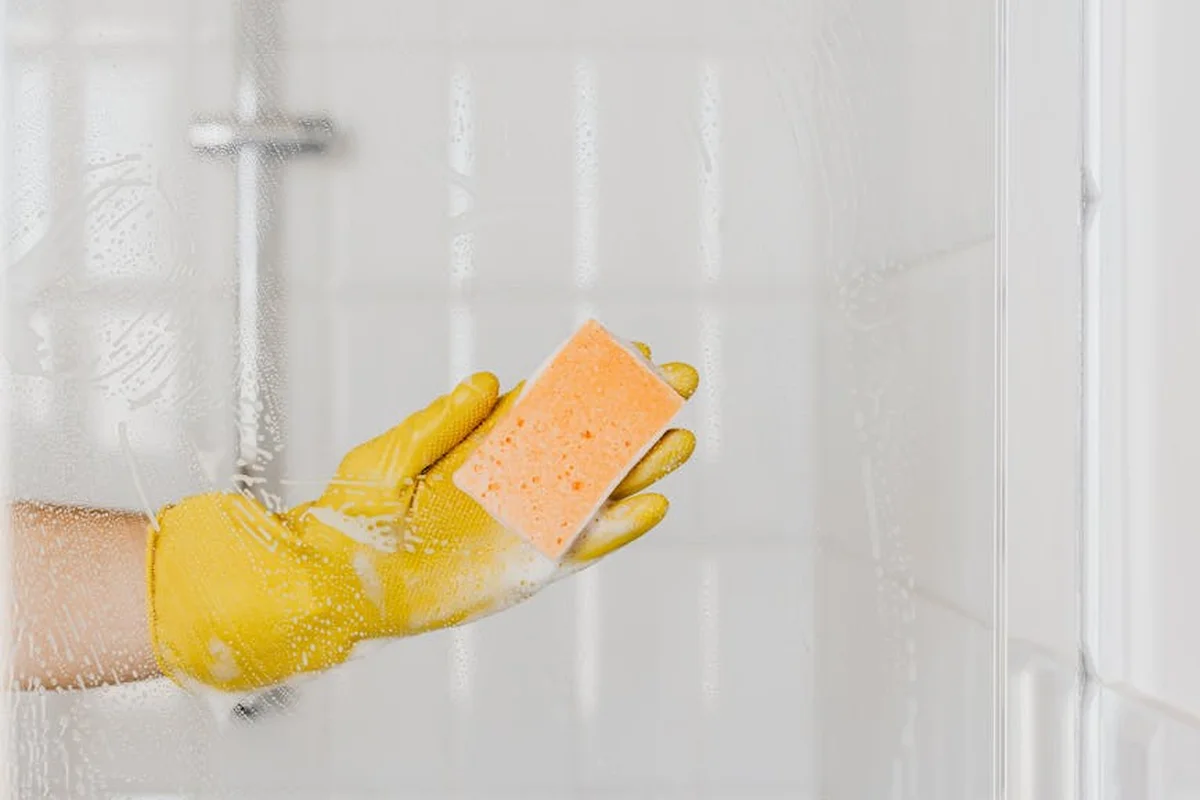
Even with the best routine, you’ll run into a few messy problems. I’ve dealt with them all in my years of keeping dragons. The key is to tackle these issues head-on with smart, safe strategies that keep your pet’s home pristine.
Waste Management and Odor Control Strategies
A smelly tank is a sign that something is off. A healthy bearded dragon’s waste shouldn’t create a powerful, lingering odor. If it does, it’s time to investigate. Bearded dragons themselves don’t typically smell, but a dirty enclosure can quickly develop odors. To manage odor, clean the tank regularly, remove waste promptly, and maintain proper substrate and ventilation.
- Spot-Clean Immediately: I make it a habit to remove poop as soon as I see it. Letting it sit allows bacteria to multiply and odors to seep into surfaces.
- Use an Enzyme Cleaner: For stubborn smells, especially on porous decor, I use a reptile-safe enzyme cleaner. It breaks down the waste proteins that cause odors, rather than just masking them.
- Baking Soda is Your Friend: During a deep clean, I sometimes sprinkle a thin layer of baking soda on the bottom of the empty tank before adding fresh substrate. It’s a natural odor absorber.
- Check Your Substrate: Loose substrates like sand can trap moisture and waste underneath the surface. If odor is a constant battle, consider switching to a solid substrate like tile or a reptile carpet for easier cleaning.
- Assess Your Dragon’s Diet: Sometimes, the source of the smell is internal. Overly sugary fruits or certain veggies can cause particularly smelly poop. I adjusted my dragon’s diet once and saw a huge improvement.
Algae Removal and Glass Cleaning Techniques
That green film on the glass is a common eyesore. Algae thrives on light and moisture, two things your dragon’s tank has in abundance.
Prevention is the best cure for algae growth. Keeping the tank out of direct sunlight and promptly wiping up spilled water goes a long way.
- Create a Safe Cleaning Solution: I mix a 50/50 solution of white vinegar and water in a spray bottle. It’s non-toxic and cuts through algae film effectively.
- Remove Your Dragon: Always take your bearded dragon out and place them in a secure, temporary holding area.
- Scrub and Wipe: Spray the solution on the glass and use a clean razor blade (for glass tanks) or a non-scratch scrub pad to scrape the algae away. Wipe everything down with a damp cloth to remove any vinegar residue.
- Avoid Harsh Chemicals: I never use glass cleaners like Windex or other ammonia-based products. The fumes are dangerous and the residue can make your dragon very sick if they lick the glass.
Ventilation and Humidity Management for a Healthy Habitat
Proper airflow is one of the most overlooked aspects of tank maintenance. Stagnant, humid air is a breeding ground for respiratory infections and mold.
- Understand Your Lid: A screen top is essential for good cross-ventilation. It allows heat to rise out and fresh air to circulate. Solid lids trap everything inside.
- Water Bowl Placement: I always place my dragon’s water dish on the cool side of the tank. Placing it under the basking lamp dramatically increases evaporation and spikes humidity levels.
- Dry Out Spills Quickly: If your dragon splashes in their water, soak up the excess moisture with a paper towel right away. Wet substrate is a major contributor to high humidity.
- Invest in a Hygrometer: You can’t manage what you don’t measure. A good digital hygrometer tells you the exact humidity level. Your target is between 30% and 40% for a healthy bearded dragon.
- Improve Airflow: If you’re consistently fighting high humidity, try using a small, low-speed fan in the room to improve overall air circulation around the tank. Just don’t point it directly at the enclosure.
Frequently Asked Questions
How do you clean a bearded dragon?
Gently bathe your dragon in a shallow tub of lukewarm water for 10-15 minutes to help with hydration and shedding. Use a soft-bristled toothbrush to lightly scrub their back and legs if needed, and always dry them thoroughly with a soft towel afterward. Limit baths to about 10-15 minutes to avoid stressing them. After the bath, let your bearded dragon bask in a warm, safe area to dry off and regulate body temperature.
What cleaning wipes are safe for bearded dragons?
It is safest to avoid commercial wipes, as they often contain soaps or chemicals that can irritate your dragon’s skin. Instead, use a damp paper towel or a cloth moistened with plain water or a diluted vinegar solution for quick clean-ups. For more on soap-safe care for bearded dragons and other common product questions answered, see our quick guide.
How do you clean a bearded dragon’s pores?
Femoral pores on the underside of the thighs can be cleaned by giving your dragon a warm bath to soften any waxy buildup. After the bath, you can gently wipe the area with a soft cloth, but never forcefully squeeze or pick at the pores. This topic is part of a broader bearded dragons’ pores guide. The full guide also covers what to do about clogged femoral pores and pore care around the nose.
Final Thoughts
Keeping your bearded dragon’s home clean isn’t just about aesthetics; it’s a direct line to their health and happiness. A consistent routine of spot-cleaning, deep-cleaning, and using safe, simple solutions is the most powerful preventative care you can provide. I’ve found that sticking to this schedule becomes second nature and saves you from bigger problems down the road, especially when you know how to properly clean your bearded dragon.
Trust your senses-if something smells off or looks dirty, it’s time for action. Your vigilance and care create a thriving environment where your scaly friend can live a long, vibrant life, free from the stress of a dirty home. You’ve got this!
Further Reading & Sources
- r/BeardedDragons on Reddit: What do you guys use to clean your tanks and how often do you clean them?
- How to Clean Your Bearded Dragon’s Tank
- What can I use to safely clean a used tank for my bearded …
Bearded Dragon Lair is the ultimate resource for bearded dragon enthusiasts, offering expert advice and practical tips to ensure the health and happiness of your scaly companion. With years of experience in reptile care, we are dedicated to providing accurate, up-to-date information to support your bearded dragon journey.
Essential Gear