
How Do You Hydrate a Bearded Dragon? (And What to Do If It’s Dehydrated)
Published on: February 19, 2026 | Last Updated: February 19, 2026
Written By: Beardie Joe
Watching your bearded dragon ignore its water bowl is a worry I know well from my own years of caring for these amazing pets.
Drawing from my hands-on experience with multiple bearded dragons, I’ll walk you through simple, effective ways to ensure your scaly friend stays happily hydrated.
You’ll learn the best methods for daily hydration, how to spot the subtle signs of dehydration, and the crucial steps to take if your dragon needs help.
Understanding Bearded Dragon Hydration Needs
Proper hydration for a bearded dragon isn’t just about drinking water; it’s about maintaining the delicate fluid balance that keeps their organs functioning and their bodies active. A well-hydrated dragon has supple skin, bright eyes, and the energy to explore its world. I’ve seen the difference it makes in my own pets—they are more alert and simply seem more comfortable in their own skin. Many keepers wonder about water bowls, tap water safety, and whether skin can absorb moisture. In reality, hydration mainly comes from drinking clean, dechlorinated water and moisture-rich foods, while skin absorption is minimal.
In my enclosures, I always provide a shallow water bowl. The dish needs to be large enough for the dragon to climb into if it chooses, but far too shallow for there to be any risk of drowning. Stainless steel or ceramic bowls are my top choices because they are easy to clean and don’t tip over easily. You must change this water daily, as dragons often track substrate and feces through it, turning a fresh bowl into a bacterial soup in no time.
Their natural Australian desert habitat plays a huge role in their behavior. In the wild, standing water is rare, so they are evolutionarily programmed to get most of their moisture from their food and from occasional rain or dew. This is why many bearded dragons will ignore a water bowl completely-it’s simply not an instinct they strongly possess. Understanding this quirk is the first step to ensuring they get the water they need in a way they understand. If you’re looking for practical steps, I outline 10 proven methods to get my bearded dragon to drink water. These tips translate the desert-adapted instinct into reliable hydration routines.
Recognizing Dehydration Signs in Bearded Dragons
Catching dehydration early is critical. I always tell new owners to make a quick visual check part of their daily routine. The most common signs are easy to spot once you know what to look for.
- Sunken Eyes: Their eyes should look bright and full, not recessed into their sockets.
- Skin Wrinkling: Look for loose, puckered skin along their sides and back, especially when they move.
- Lethargy: A dehydrated dragon often lacks the energy to move much or bask properly.
- Loss of Appetite: They may completely lose interest in their favorite bugs or greens.
- Dry Mouth: The gums and tissues inside the mouth will appear sticky or stringy instead of moist.
- Dark Urate: The white part of their poop (the urate) should be soft and white. If it’s hard, chalky, or yellow-orange, it’s a major red flag.
You can perform a simple skin turgor test for a more direct check. Gently pinch the skin on their side or back; in a hydrated dragon, the skin should snap back into place immediately. If the skin tent stays pinched for a second or two, your dragon is likely dehydrated. Think of it like testing the freshness of a grape versus a raisin.
Don’t wait for all the symptoms to appear at once. Even one or two of these subtle signs, like a single dark urate or a slight loss of appetite, warrants immediate attention to their hydration. From my experience, acting fast on these early warnings makes the road to recovery much smoother for your scaly friend.
Daily Hydration Methods for Healthy Dragons
Offering Fresh Water and Misting
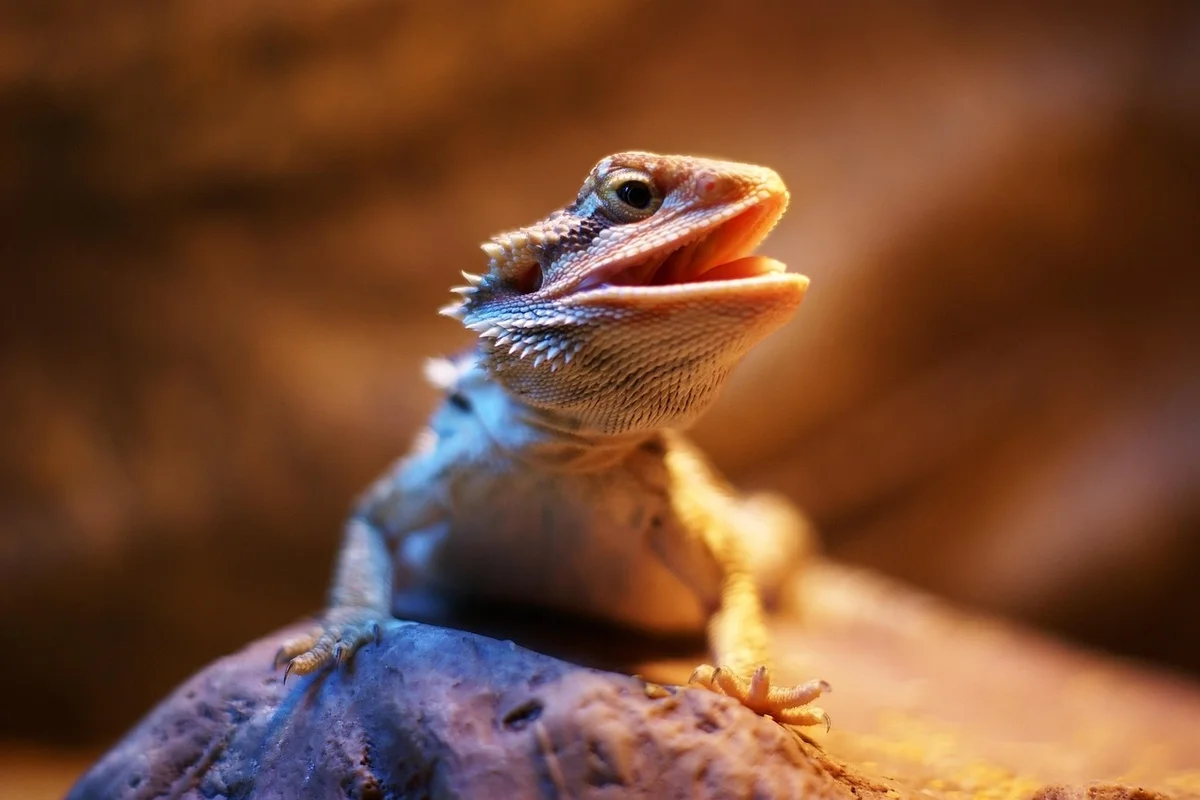
You should always provide a shallow, sturdy water bowl that your dragon can easily climb in and out of. I use a ceramic dish in my own enclosures because it’s too heavy to tip over. Change the water daily to keep it fresh and free from debris or accidental poop. Many dragons won’t drink from a still bowl, so that’s where misting comes in.
Lightly mist your dragon’s snout and the enclosure walls with a clean spray bottle. Use lukewarm water, never cold. They will often lick the water droplets right off their nose. This mimics morning dew and can encourage natural drinking behavior. Aim for a habitat humidity between 30% and 40%; you can track this with a simple hygrometer from any pet store.
Soaking and Bathing Techniques
A warm bath is a fantastic way to hydrate your dragon and help with shedding. I do this for my adults about once a week. Fill a tub or sink with just enough shallow, lukewarm water to reach their shoulders. The water should feel warm to your wrist, not hot, to prevent scalding their sensitive skin. Never leave your dragon unattended during a bath. This is part of a complete guide on when and how to bathe your bearded dragon. It also covers safety, shedding cues, and using tap water correctly.
Let them soak for 10 to 15 minutes. You’ll often see them drinking the bathwater! For a quick pointer on frequency, our complete soaking guide explains how often you should bathe your bearded dragon. A 15-minute soak once or twice a week is a great routine for most adult bearded dragons. Always dry them off with a soft towel afterwards to get them warm and cozy.
Incorporating Hydrating Foods
Diet is a powerful hydration tool. I make a point to feed high-moisture greens every single day. Your dragon’s salad is a prime opportunity to sneak in extra water. Always rinse the greens before serving to add that extra layer of moisture.
Here are some of my top picks for hydrating foods:
- Bell peppers (all colors)
- Cucumber (peeled and chopped)
- Zucchini and summer squash
- Watercress and escarole
You can create a simple hydration schedule by offering a fresh, wet salad daily. Gut-loading your feeder insects with these nutritious, watery veggies also passes that hydration on to your dragon. It’s a win-win.
Emergency Rehydration for Dehydrated Dragons
If you suspect your dragon is dehydrated, you need to act calmly but purposefully. The first step is often offering water orally using a plastic syringe or eyedropper. Place a small drop of water on the tip of their snout, just between the nostrils. Let them lick it off at their own pace; never force water into their mouth, as this can cause aspiration. If you’re unsure, look for the 7 critical signs of dehydration in bearded dragons to guide your next steps. Recognizing these signs early can help you act quickly and seek appropriate care.
For serious cases, a reptile-specific electrolyte solution can be a lifesaver. You should use an electrolyte solution if your dragon is lethargic, has sunken eyes, or has lost skin elasticity. You can find these at exotic pet stores or make a safe homemade version with a vet’s guidance.
Rehydration must be a gradual process. Close monitoring of their behavior and droppings over the next 24-48 hours is critical to ensure they are recovering. Offer small amounts of fluid every hour or so, and if there is no improvement, contact your reptile veterinarian immediately. I’ve had to do this once, and that careful, patient approach made all the difference.
Preventing Dehydration with Proper Care
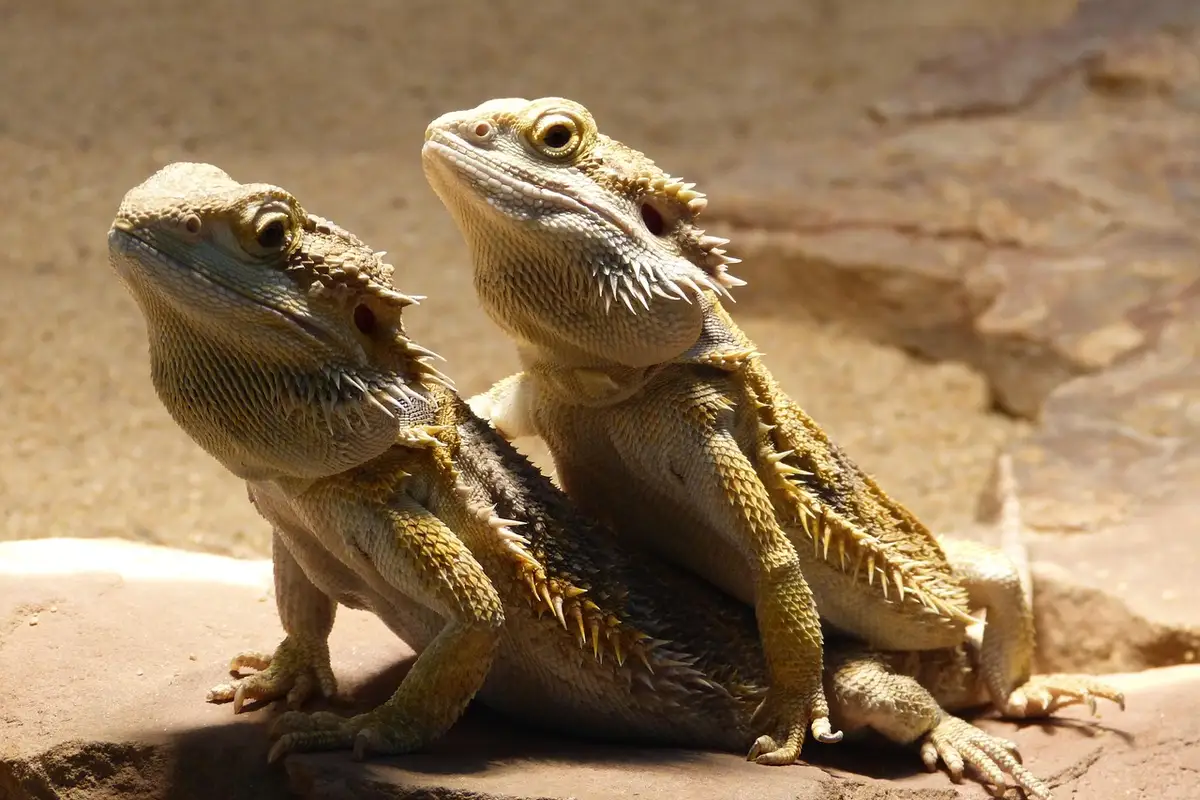
An ounce of prevention is truly worth a pound of cure with bearded dragons. The best hydration strategy is a consistent, proactive one that makes dehydration unlikely to ever occur. I’ve found that building good habits from the start saves a lot of worry down the line. If you’re looking for concrete numbers, the much water should bearded dragon drink daily guide outlines daily intake ranges and how to adjust for age and environment. A shallow dish of fresh water daily helps you stay on track.
Monitor and Maintain Their World
Your dragon’s habitat is their entire universe, so getting it right is everything. You become their weather controller.
- Check their water bowl daily for cleanliness and to see if the water level has dropped.
- Watch for regular, well-formed bowel movements; this is a key sign of good hydration.
- Keep a digital hygrometer in the tank to monitor humidity levels, which should ideally sit between 30% and 40%.
- Ensure their basking spot is at the correct temperature (around 95-110°F for adults) so they can properly digest and utilize the water they take in.
Offer a Hydrating Diet
What they eat provides a huge portion of their water intake. I always think of their salads as a water delivery system.
- Offer fresh, leafy greens like collard greens, mustard greens, and dandelion greens daily. These have high water content.
- Incorporate hydrating vegetables like bell peppers, zucchini, and squash into their salads.
- Gut-load your feeder insects with nutritious, water-rich foods like carrots and sweet potato 24-48 hours before feeding them to your dragon.
Create a Low-Stress Environment
Stress is a silent dehydrator. A scared or anxious dragon may not feel safe enough to come out and drink. Reducing stress is a non-negotiable part of preventative care. Make sure they have plenty of hiding spots and that their enclosure is in a calm part of your home.
Consider a Humidifier or Soaks
If you live in a very dry climate, the ambient air in your home might be too dry. I run a small, cool-mist humidifier in the room where my dragons live during arid winters. This isn’t about making the tank wet, but about improving the overall air quality in the room. Regular, lukewarm baths also provide hydration through the vent and help with shedding.
When to Seek Veterinary Advice
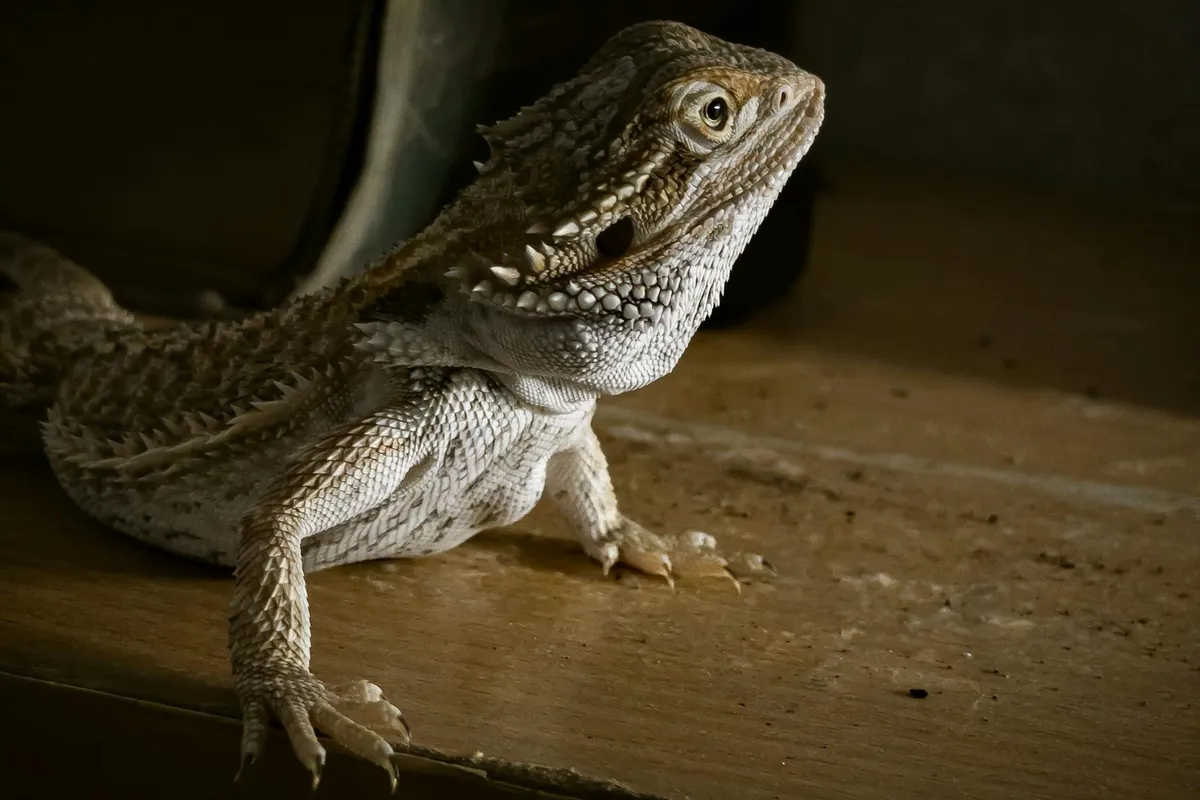
While we can handle mild dehydration at home, some situations require an expert’s touch. Trust your gut-if something feels seriously wrong, it probably is. I never hesitate to call my reptile vet with questions; it’s always better to be safe.
Signs That Need Immediate Attention
You should contact an exotic vet right away if you notice any of the following symptoms alongside signs of dehydration:
- Severe lethargy; your dragon is unresponsive or too weak to lift its body.
- Sunken eyes that appear dull and dry.
- Wrinkled skin that stays tented for more than a second when gently pinched.
- A lack of urate (the white part of their poop) for more than a few days.
- Loss of appetite for several consecutive days.
What to Expect at the Vet
Your vet will perform a thorough physical exam. They will likely administer fluids, which is the fastest and most effective way to rehydrate a critically dehydrated animal. This can be done in a few ways:
- Subcutaneous Fluids: Fluids are injected under the skin to be absorbed slowly.
- Intravenous or Intraosseous Fluids: For severe cases, fluids are given directly into a vein or bone for immediate effect.
The vet may also run blood tests to check organ function and provide specific nutritional support.
The Risks of Ignoring Severe Dehydration
Letting severe dehydration go untreated is dangerous. Chronic dehydration puts immense strain on the kidneys, potentially leading to permanent damage or kidney failure. It also slows the entire digestive system to a halt, making a painful and dangerous impaction much more likely. Getting professional help quickly can literally be a life-saving decision for your pet.
Frequently Asked Questions
What is a bearded dragon water fountain?
A bearded dragon water fountain is a circulating device that provides moving water, which can attract some dragons to drink due to the motion mimicking natural sources. However, many bearded dragons may ignore it, so it’s often supplemented with other hydration methods like misting or baths. Within a hydration guide, misting and a shallow water bowl are commonly recommended. A light spray around the enclosure can also help encourage drinking.
What is the ideal bearded dragon water dish size?
The ideal water dish size for a bearded dragon should be shallow and wide, allowing them to climb in and out safely without drowning risk, typically about 1-2 inches deep and large enough to fit their body comfortably. Avoid deep bowls to prevent accidents and ensure easy access for drinking or soaking. Bearded dragons can’t swim, so it’s crucial to keep their water dish shallow and supervised.
What is the recommended bearded dragon water temperature?
The water temperature for a bearded dragon’s drinking source should be lukewarm or room temperature, around 75-85°F, to avoid causing stress or digestive issues. Always test it with your wrist to ensure it feels warm but not hot, as extreme temperatures can deter drinking. At night, the tank can drop in temperature, so avoid letting it get too cold. Keeping a stable nighttime warmth helps prevent the water from becoming too cold and discouraging drinking.
Keeping Your Bearded Dragon Hydrated
Keeping your scaly friend happily hydrated boils down to offering fresh water daily, providing regular baths, and feeding water-rich veggies. Consistency with these simple methods is the real secret to preventing dehydration before it starts. A little daily attention goes a very long way in mimicking the hydration opportunities they’d find in the wild.
If you ever suspect your dragon is dehydrated, don’t panic. Start with a warm, shallow bath and offer their favorite juicy foods, but be ready to contact your reptile vet if they don’t perk up. From my own experience, recognizing the early signs-like sunken eyes or loose skin-and acting quickly makes all the difference for their wellbeing.
Further Reading & Sources
- Is Your Bearded Dragon Dehydrated? Here’s How to Tell & What to Do Abo
- Bearded Dragon Hydration: What You Need to Know – Zen Habitats
- How to Keep Your Bearded Dragon Hydrated – ABDRAGONS
Bearded Dragon Lair is the ultimate resource for bearded dragon enthusiasts, offering expert advice and practical tips to ensure the health and happiness of your scaly companion. With years of experience in reptile care, we are dedicated to providing accurate, up-to-date information to support your bearded dragon journey.
Hydration Needs