Are Bearded Dragons Good Pets? A Complete Guide for Beginners
Published on: February 16, 2026 | Last Updated: February 16, 2026
Written By: Beardie Joe
Are bearded dragons good pets? It’s a smart question to ask before welcoming any animal into your life.
I’ve personally cared for multiple bearded dragons and have formal reptile care qualifications, so I can give you the real scoop from my own home.
This guide will walk you through their unique personality, daily care routine, and the honest pros and cons for first-time owners.
Bearded Dragon 101: A Quick Introduction
In the wild, you’d find these incredible lizards sunning themselves on rocks and branches across the dry, arid woodlands and deserts of Australia. The species most commonly kept as a pet is the Central Bearded Dragon, or Pogona vitticeps.
They are perfectly adapted to a life in the sun, which is a big clue to their care needs in your home.
- Average Lifespan: With proper care, a bearded dragon can be your scaly companion for 7 to 12 years. I’ve had dragons live well into their teens, so be ready for a long-term friend.
- Adult Size: They are a solid, medium-sized lizard. A healthy adult will typically reach 16 to 24 inches from nose to tail tip.
- General Temperament: This is their superstar quality. Bearded dragons are famously docile and tolerant of handling. They are curious and often seem to enjoy watching the activity in your home.
Their calm demeanor is a huge reason they are often the number one recommended reptile for beginners. They are a fantastic gateway into the world of herpetology because they are so willing to interact with their people.
Weighing the Decision: Pros and Cons of a Pet Bearded Dragon
Bringing any animal into your home is a big decision. Let’s break down the realities of life with a ‘beardy’ so you can make the best choice.
The Wonderful Advantages
- Docile Nature: They rarely bite and are incredibly patient. I’ve handled countless dragons, from babies to seniors, and their gentle tolerance always amazes me.
- Interactive Personality: This isn’t a pet that just sits in a tank. They learn to recognize their owners, will sometimes seek out attention, and their head-bobbing and arm-waving behaviors are endlessly entertaining.
- Relatively Simple Diet: They are omnivores, which means their menu is varied. A mix of live insects like dubia roaches and nutritious greens like collard greens forms a balanced diet that is straightforward to manage.
The Honest Challenges
- Specific Lighting Needs: This is non-negotiable. They require a special UVB light to process calcium, just like they would get from the sun in the wild. Without it, they develop serious, painful metabolic bone disease.
- Enclosure Space Requirements: A baby can start in a smaller tank, but an adult needs a 120-gallon enclosure as a minimum. These are active animals that need space to climb, explore, and thermoregulate.
- Potential Health Issues: Like all pets, they can get sick. Impaction from loose substrate, respiratory infections from incorrect humidity, and parasites are common issues that require a specialized, and sometimes costly, reptile veterinarian.
Caring for a bearded dragon is less demanding than a high-energy dog but far more involved than a hamster or fish. You are creating a tiny, self-contained ecosystem that you are fully responsible for. The commitment is significant, but for the right person, the rewards are immense. To help you stay on top of every requirement, many owners rely on a Thrive Complete Care Checklist for bearded dragons. This structured approach covers lighting, heating, diet, and enclosure maintenance.
Core Bearded Dragon Care Requirements
Creating the Ideal Bearded Dragon Enclosure
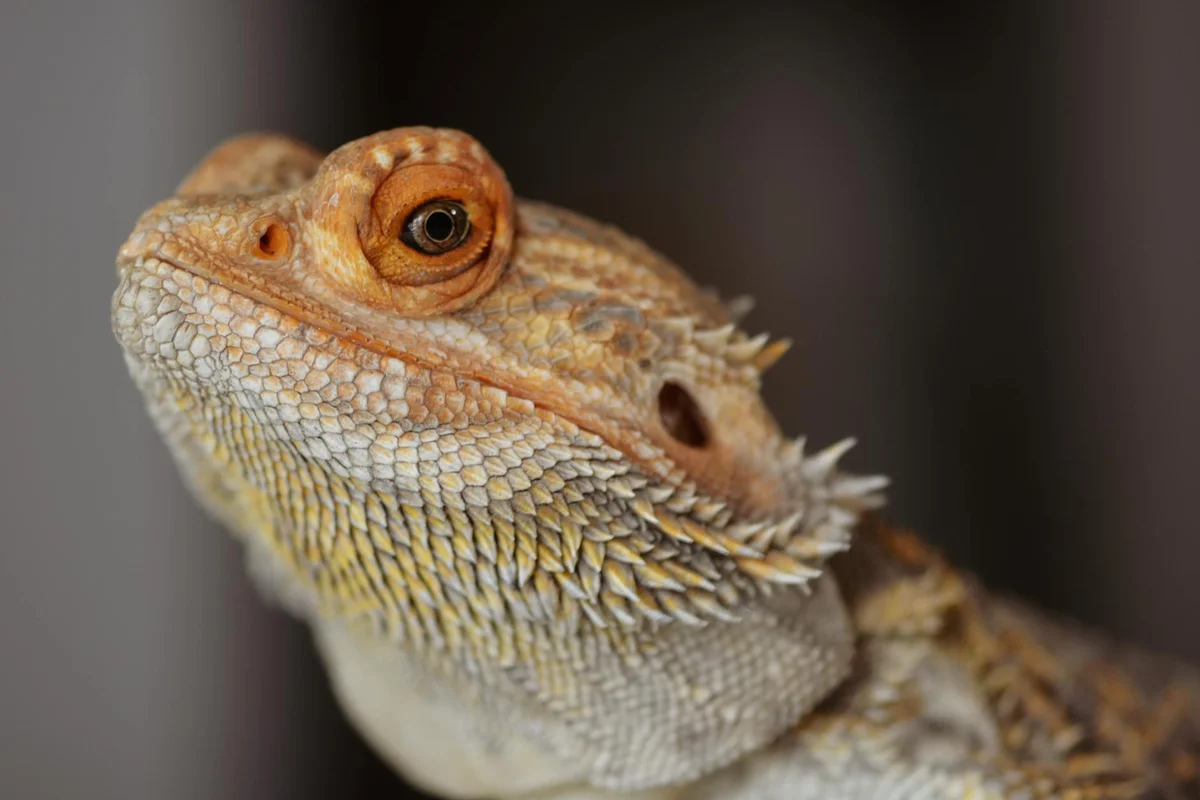
Think of your dragon’s enclosure as their entire world. Getting this right is the single biggest step toward a healthy, happy pet.
For a single adult bearded dragon, the absolute minimum enclosure size is a 120-gallon tank, typically measuring 4ft x 2ft x 2ft. Bigger is always better, and I’ve seen my own dragons become much more active and curious after upgrading to larger enclosures. They use every bit of that space to explore, bask, and dig.
Choosing a substrate, or floor lining, is a big decision. Here are your best options:
- Tile: My personal favorite. It’s easy to clean, files down nails naturally, and is completely safe if your dragon tries to lick it.
- Reptile Carpet: Good for beginners, but you need at least two pieces to swap out for frequent washing.
- Non-adhesive Shelf Liner: Another cheap, easy-to-clean option that works well.
- Digging Box: For enrichment, I provide a small box filled with organic topsoil and play sand for my females to dig in.
Avoid loose substrates like pure sand or walnut shell for babies, as they can cause dangerous impactions if eaten by mistake.
Decor isn’t just for looks. It’s for your dragon’s mental and physical health. You need:
- A sturdy basking platform (like a flat rock or driftwood) directly under the heat lamp.
- Hides on both the warm and cool sides so they can feel secure anywhere.
- Branches or rocks for climbing, which is a natural behavior.
The temperature gradient is non-negotiable. Your dragon needs a hot side and a cool side to regulate its body temperature, just like it would in the wild. You achieve this by placing a dedicated basking lamp at one end of the tank. This creates a basking spot of 95-110°F, a warm side around 90°F, and a cool side around 75-80°F. For a complete bearded dragon temperature guide, also maintain a safe nighttime range—about 65-75°F after lights out. Also ensure the tank provides UVB, appropriate humidity, and enough space to support the gradient and overall tank requirements.
Humidity should be kept low, between 30-40%. I use a simple digital hygrometer to keep an eye on levels. High humidity can lead to respiratory infections. Proper ventilation from a screen top helps keep the air fresh and dry.
Mastering Bearded Dragon Lighting and Heat
Lighting is where many new owners get tripped up, but it’s simple once you know the rules. Your dragon needs two main types of light every single day.
UVB lighting is not optional; it’s as vital as food and water. Bearded dragons cannot process calcium without it, leading to a debilitating and fatal disease called Metabolic Bone Disease (MBD). You need a long, tube-style UVB bulb that spans about half to two-thirds the tank’s length. Compact, coil-style bulbs do not provide adequate coverage, especially for ensuring proper daily light cycles and heat lamps.
The basking lamp provides the heat they need to digest their food and stay active. It should be a bright white light placed at one end to create that all-important temperature gradient. At night, all lights should go off. If your home drops below 65°F, use a ceramic heat emitter, which produces heat without any light, so your dragon can sleep peacefully. It’s essential to understand the temperature requirements for nighttime care to ensure your pet’s well-being.
UVB bulbs lose their strength long before they burn out. You must replace linear UVB tubes every 6-12 months, depending on the brand. I set a calendar reminder on my phone so I never forget. Basking bulbs get replaced as they burn out.
Feeding and Hydration: A Bearded Dragon Diet Plan
Their diet shifts dramatically as they grow, which often surprises new owners.
Baby and juvenile dragons are insect-eating machines, needing a diet of about 80% live insects and 20% greens. Their rapid growth demands the protein. Adults are the opposite, thriving on a diet of 80% fresh greens and 20% insects.
Here’s a quick breakdown of what to feed:
- Staple Greens: Collard greens, dandelion greens, mustard greens, and endive.
- Staple Insects: Dubia roaches, black soldier fly larvae, and crickets.
- Treat Insects: Waxworms and hornworms (feed these sparingly!).
- Avoid These: Iceberg lettuce (no nutrients) and spinach (binds calcium).
Never feed your dragon insects you caught outside, as they can carry pesticides or parasites.
Gut loading is a fancy term for a simple idea: you feed your feeder insects highly nutritious foods 24-48 hours before offering them to your dragon. This passes that nutrition on. I gut load with leftover dragon greens and high-quality commercial diets.
Supplementation is key. You need to dust insects with a calcium powder (with D3) about 4-5 times a week and a multivitamin powder 1-2 times a week. This simple dusting routine is your best defense against nutritional deficiencies.
Sample Feeding Schedules:
- Juvenile (Under 12 months): Offer as many appropriately-sized insects as they can eat in 10-15 minutes, 2-3 times daily. Fresh greens should always be available.
- Adult (Over 18 months): Offer a large salad daily. Insects can be offered every other day or so.
Bearded dragons often don’t recognize standing water. I provide hydration by lightly misting their greens with water and offering them a warm bath 2-3 times a week. Many of my dragons will drink while soaking, and it also helps with hydration and shedding. See my complete soaking guide for how often to bathe a bearded dragon. It covers frequency, temperature, and safety.
Daily Life with Your Bearded Dragon
Handling and Taming Your New Pet
Building a bond with your bearded dragon is one of the most rewarding parts of ownership. I still remember the first time my dragon, Smaug, willingly climbed onto my hand—it felt like a real breakthrough. The key to a trusting relationship is moving at your dragon’s pace, not your own. With patience and gentle, consistent handling, you can get your bearded dragon to like you and build lasting trust. Remember, trust grows at your dragon’s pace.
Here is a step-by-step guide to safe handling and taming:
- Start by just sitting near the enclosure during the day so they get used to your presence.
- Place your hand inside the tank, palm up and motionless, for a few minutes each day. Let them come to you.
- Once they are curious, try gently stroking their back or chin.
- When they seem relaxed with petting, slowly scoop them up from below, supporting their entire body and legs.
- Keep initial handling sessions short-just 5 to 10 minutes-and always close to a soft surface in case they jump.
Understanding their body language is crucial. Learning to read your dragon’s mood is your first line of defense against unnecessary stress.
- Signs of a Stressed Dragon: A black, darkened beard (especially in females), an open-mouthed hiss, a puffed-up body, frantic glass-surfing, or trying to run away.
- Signs of a Comfortable Dragon: A light-colored beard and body, relaxed posture, closed mouth, and curious behavior like calmly watching you or slowly approaching your hand.
Beyond handling, enrichment is vital for a happy, smart lizard. A bored dragon is an unhappy dragon, so mixing up their routine is a form of necessary care.
- Create a “salad trail” by hiding pieces of dandelion greens or blueberries around their enclosure for them to find.
- Introduce new, reptile-safe items to explore, like a clean rock with a different texture or a crumpled paper bag.
- Take them for supervised exploration in a secure, pet-proofed room (always watch them closely!).
- I sometimes let Smaug “hunt” for a couple of crickets in a large, empty plastic tub-it stimulates his natural instincts.
Recognizing Health Signs and Common Bearded Dragon Issues
Your dragon can’t tell you when they feel sick, so you become their health detective. Consistent daily observation is the single best tool you have for catching health issues early.
Look for these positive health signs every day:
- Bright, clear, and alert eyes.
- Consistent appetite for both insects and greens.
- Regular, well-formed bowel movements.
- Active and curious behavior during the day.
- Strong, even grip when climbing.
- Smooth, intact skin and a well-filled-out body.
Unfortunately, some health problems are common in captive bearded dragons. Metabolic Bone Disease (MBD) is a preventable tragedy caused by insufficient UVB light or calcium. Signs include a soft or rubbery jaw, tremors, swollen limbs, and difficulty walking. It’s heartbreaking to see and requires immediate veterinary care.
Impaction, a serious bowel blockage, is another frequent issue. Impaction often happens from eating substrate like loose sand or prey that is too large. Signs include a loss of appetite, a bloated abdomen, and lethargy. You can help prevent it by providing proper basking temperatures for digestion and avoiding risky substrates.
Finally, many owners are surprised by brumation. Brumation is a natural period of dormancy, similar to hibernation, that adult bearded dragons may go through. For several weeks or even months, your dragon might sleep a lot, eat very little, and hide away. This is normal. Just ensure they are healthy going into it, provide fresh water, and let them rest. I always do a quick weight check on my dragons every couple of weeks during brumation to ensure they aren’t losing too much condition.
Getting Started: Costs and Finding Your Bearded Dragon
Initial Setup and Ongoing Expenses
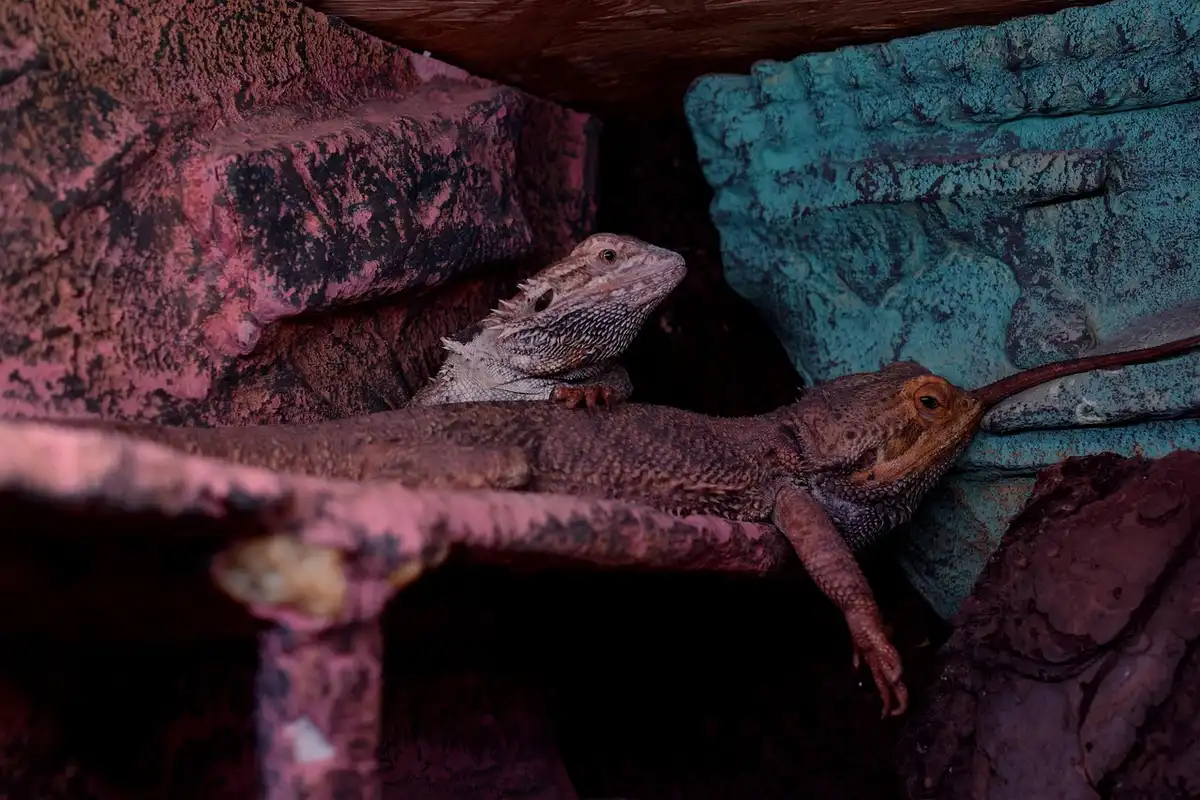
Let’s talk numbers. Getting a bearded dragon is an investment, and I want you to be fully prepared. The startup cost is the biggest chunk, but planning for the yearly expenses keeps your scaly friend thriving for years. That means we’ll break down the initial purchase price and setup essentials, then map out the ongoing costs like food, heat, and vet care. This bearded dragon cost analysis helps you budget from day one and plan for years of care.
The initial setup is where most of your budget goes, but getting it right the first time saves money and stress later. Here is a breakdown of what you’ll need to buy before bringing your dragon home:
- Enclosure (Tank): A 120-gallon tank is the modern standard. I learned the hard way that starting with a small tank is a false economy. You’ll just have to upgrade later. Expect to pay between $250 and $500 for a good quality front-opening enclosure.
- Lighting & Heating: This is non-negotiable for their health. You need a high-output UVB fluorescent tube (not a coil bulb!) and a basking bulb. The fixtures and bulbs together typically cost $100 to $200 initially.
- Accessories & Décor: This includes a sturdy basking platform, a food dish, a water bowl (though some dragons prefer to drink from droplets), a digital thermometer/hygrometer, and safe hides. Budget around $50 to $100 for these essentials.
So, your total initial setup will likely range from $400 to $800. I know it seems like a lot, but a proper habitat is the foundation of a long, healthy life.
Your annual costs are what keep the wheels turning day-to-day. These are the recurring expenses you need to plan for:
- Food: This varies with age. Juveniles eat a lot of live insects! Expect to spend $20-$40 per month on a mix of crickets, dubia roaches, and fresh greens. Adults eat more greens, so the cost may drop slightly.
- Substrate: If you use a loose substrate like a soil/sand mix, you’ll need to replace it periodically. For simpler options like tile or reptile carpet, it’s a one-time cost. Budget about $50 annually for substrate or cleaning supplies.
- Vet Care: A yearly check-up is a must. This can cost $60 to $100. Always have a fund for potential health issues, as exotic vet visits for problems like parasites or impaction can cost $200 or more.
- Bulb Replacement: Your crucial UVB bulb loses its potency long before it burns out. You must replace it every 6 to 12 months, which is about $40-$50 each time.
Setting aside a small “dragon emergency fund” is one of the smartest things I ever did as a pet owner. Unexpected illnesses or injuries happen, and having that financial cushion means you can always provide the care they need without panic.
Choosing a Healthy Bearded Dragon
Finding your new companion is the exciting part! Where you get your dragon and how you choose them sets the stage for your entire journey together.
You generally have two main options: reputable breeders and reptile rescues. I’ve gotten dragons from both and each has its merits. Breeders often have detailed history and genetics. Rescues give a wonderful animal a second chance at a great life. Pet stores are my last resort, as the dragons often come from large-scale mills and can have hidden health issues.
When you meet a potential dragon, your eyes are your best tool. Don’t get swept away by cuteness alone. Do a quick visual and behavioral check. A healthy bearded dragon will show most of these signs:
- Clear, bright, and alert eyes with no crustiness or swelling.
- An alert and curious demeanor. They should hold their head up and look around.
- A well-rounded, plump tail and body. The hip bones and ribs should not be visible.
- Clean vent area with no stuck substrate or mess.
- All limbs are used evenly with no sign of lameness or favoring one leg.
- A mouth that closes cleanly with no visible discharge or rot.
Never be shy about asking the seller questions. A good breeder or rescue will be happy to answer them. It shows you’re a serious and caring future owner. Here are the key questions I always ask:
- How old is this dragon?
- What have you been feeding them, and how often?
- Can you tell me about the parents or their genetic history?
- Have they had any health issues or been treated for parasites?
- What is your exact setup for heating and UVB?
Trust your gut during this process. If a seller seems evasive, or the animals look lethargic or kept in dirty enclosures, walk away. Your perfect, healthy dragon is out there waiting for a responsible home like yours.
Bearded Dragons vs. Other Beginner Reptiles
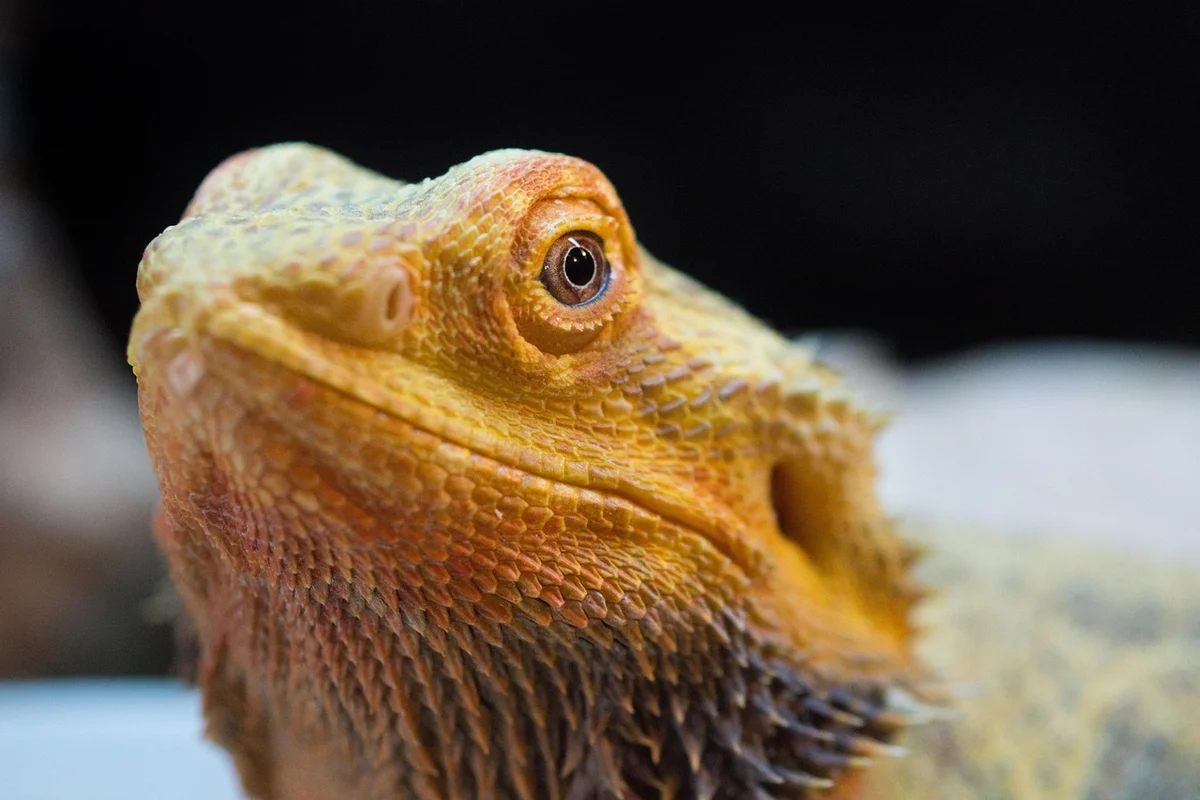
Choosing your first reptile companion is a big decision. I’ve cared for many over the years, and I can tell you that while they all have their charms, their care requirements are wildly different. Let’s put the bearded dragon side-by-side with two other fantastic beginner options: the leopard gecko and the blue-tongue skink.
Quick Comparison at a Glance
| Pet | Adult Enclosure Size | Primary Diet | Handling & Temperament |
|---|---|---|---|
| Bearded Dragon | 120-gallon (4’x2’x2′) | Omnivore (50/50 insects & veggies) | Very social, loves to be out |
| Leopard Gecko | 20-40 gallon (long) | Insectivore (live insects only) | Docile, best in short sessions |
| Blue-Tongue Skink | 4’x2’x2′ or larger | Omnivore (mostly veggies & protein) | Curious but can be shy, heavy-bodied |
A Closer Look at Diet Differences
This is where your weekly pet care routine really takes shape. What you’ll be feeding is a major factor.
- Bearded Dragons: They need a balanced mix. You’ll be shopping for live insects like crickets and dubia roaches and preparing a fresh salad of greens and veggies daily. This variety is fun but requires more prep work and a wider grocery list.
- Leopard Geckos: These guys are insectivores. Their diet is simpler-just live insects. You don’t have to worry about wilting greens, but you must be comfortable maintaining a colony of feeder insects or making frequent pet store runs.
- Blue-Tongue Skinks: Their diet is closer to a bearded dragon’s but often leans more heavily on vegetables, high-quality wet dog food, and snails. This can be easier for some owners, as it relies less on live feeder insects.
Enclosure and Space Needs
Think about the real estate you’re willing to dedicate in your home.
- Bearded Dragons: They are active, semi-arboreal lizards. The 120-gallon tank is not a suggestion; it’s a necessity for their wellbeing. This is the largest enclosure on our list.
- Leopard Geckos: These are terrestrial and don’t need much height. A 20-gallon long tank is the absolute minimum, making them a great choice for smaller apartments or rooms.
- Blue-Tongue Skinks: They need floor space similar to a bearded dragon, but they are heavier and stronger. You need a very secure enclosure, as they are surprisingly powerful and can nose their way out of weak lids.
Handling and Social Interaction
This is the fun part! How much do you want to interact with your pet?
- Bearded Dragons: In my experience, beardies are in a league of their own here. They are often described as “puppy-dog tame.” They genuinely seem to enjoy human interaction and will happily sit on your shoulder for hours.
- Leopard Geckos: They are docile and can be handled, but they are more fragile and nocturnal. Handling is best done in short, calm sessions. They’re wonderful to watch but aren’t typically “cuddle” pets.
- Blue-Tongue Skinks: They are curious and can become very tame with regular, gentle handling. However, they are heavy-bodied and can be a bit squirmy. They’re more of a “watch them explore” pet than a “lap lizard.”
Which Reptile is the Best Fit for Your Lifestyle?
Let’s match the pet to the person.
- Choose a Bearded Dragon if: You have the space for a large tank, enjoy the ritual of preparing fresh food, and want a highly interactive pet that acts like a member of the family.
- Choose a Leopard Gecko if: You have limited space, are on a tighter budget for the initial setup, and don’t mind handling live insects. They are perfect for someone who wants a low-profile, fascinating pet to observe.
- Choose a Blue-Tongue Skink if: You have the floor space and want an omnivore with a simpler insect requirement. They are a great “in-between” option-more interactive than a gecko but less demanding of attention than a beardie.
From my own reptile-keeping journey, I can say there’s no single “best” pet. The best pet is the one whose needs you can meet joyfully and consistently for its entire life. Be honest with yourself about the time, space, and budget you have, and you’ll find a perfect scaled friend.
Frequently Asked Questions
Where can I find a reliable bearded dragon care guide or care sheet?
The most trustworthy care guides come from reputable breeders, veterinary websites specializing in exotic pets, and established herpetological societies. Avoid general pet sites and always cross-reference any single source of information.
How often should I replace my bearded dragon’s UVB light?
Linear UVB bulbs must be replaced every 6 to 12 months, even if they still emit light, as their UV output diminishes over time. Mark your calendar, as this is a non-negotiable part of preventing Metabolic Bone Disease.
Is loose substrate like sand ever safe for a bearded dragon?
While generally not recommended for beginners or juveniles, a deep layer of a mixed organic topsoil and playsand substrate can be safe for healthy adults in a properly managed enclosure. This setup allows for natural digging behaviors but requires excellent husbandry to prevent impaction risks.
Final Thoughts
So, are bearded dragons good pets? In my home, surrounded by their curious faces, the answer is a resounding yes. They offer a unique blend of reptilian calm and surprising personality that can truly win your heart. They are generally hardy, interactive, and can be a fantastic introduction to reptile care. Could a bearded dragon be the right pet for you? Here’s a candid look at the pros and cons.
Just remember, a good pet is a well-cared-for pet. Their long-term health and happiness depend entirely on your commitment to providing proper habitat, nutrition, and gentle handling. For beginners, a take care bearded dragon complete beginners guide can walk you through habitat setup, feeding plans, lighting, and handling to start off right. If you’re ready for that rewarding responsibility, a bearded dragon can be a wonderful, scale-covered companion for years to come.
Further Reading & Sources
- How to Take Care of a Bearded Dragon for Beginners – PetHelpful
- Bearded Dragon Care Guide for Beginners: Habitat, Feeding and Behavior – Los Angeles Times
- Bearded Dragon Care Guide for Beginners: Housing, Diet, and Health …
Bearded Dragon Lair is the ultimate resource for bearded dragon enthusiasts, offering expert advice and practical tips to ensure the health and happiness of your scaly companion. With years of experience in reptile care, we are dedicated to providing accurate, up-to-date information to support your bearded dragon journey.
Tank Size and Type