Is a Bearded Dragon the Right Pet for You? A Candid Look at Pros and Cons
Published on: February 16, 2026 | Last Updated: February 16, 2026
Written By: Beardie Joe
Thinking about bringing a bearded dragon into your life is an exciting first step, but it’s a decision that deserves some honest reflection.
As a dedicated owner of multiple bearded dragons with hands-on reptile care experience, I’m here to help you see the full picture, from the joyful moments to the daily realities.
We’ll walk through the key benefits and challenges, including their friendly nature, specific habitat needs, and the long-term commitment involved.
The Biggest Pros of Owning a Bearded Dragon
After years of sharing my home with these incredible reptiles, their benefits are crystal clear to me. They offer a unique pet-keeping experience that’s hard to beat.
A Personality You Can Actually Connect With
Unlike many reptiles, bearded dragons have a ton of character. They aren’t just decorative pets you watch from a distance. Their generally docile temperament makes them fantastic for gentle handling once they’re comfortable with you. I’ve spent countless afternoons with one of my dragons simply lounging on my shoulder while I read. Do bearded dragons like to be petted? Many enjoy gentle strokes on the head and cheeks, and some also prefer a light touch along the shoulders or back when they’re comfortable. For more information on their preferences, check out this article on bearded dragon petting preferences.
Surprisingly Low-Key Daily Maintenance
The day-to-day care is far simpler than for a dog or cat. You won’t need to rush home for a walk or deal with middle-of-the-night demands.
- Minimal Noise: The loudest sound you’ll hear is the occasional scratch against the glass or the quiet crunch of a veggie piece.
- No Housetraining: They naturally designate a “bathroom” spot in their enclosure, which makes spot-cleaning a breeze.
- Independent Nature: They are perfectly content on their own during a standard workday, making them ideal for busy adults.
Fascinating and Endearing Behaviors
You’ll quickly learn to read their unique body language, which is a huge part of the fun.
- Arm Waving: A slow, one-arm wave is a submissive gesture, like a polite little greeting.
- Head Bobbing: A fast, up-and-down bob is often a sign of dominance or excitement.
- Pancaking: They flatten their bodies out completely to absorb more heat or appear larger.
Witnessing these behaviors creates a real sense of bonding; you start to understand their moods and needs. It feels less like keeping a pet and more like co-existing with a fascinating little dinosaur.
The Honest Cons of Bearded Dragon Ownership
I love my dragons, but I’m not blind to the challenges. Being realistic from the start is the key to being a good reptile owner and advocating for their welfare.
The Significant Upfront Investment
This is the biggest hurdle for most potential owners. The dragon itself is often the cheapest part.
- Enclosure: A proper 120-gallon tank or PVC enclosure is not a small purchase.
- Lighting & Heating: You need a high-quality UVB tube light, a basking bulb, and potentially a ceramic heat emitter. These are non-negotiable for their health.
- Thermostats & Timers: All heat sources MUST be on a thermostat to prevent burns and ensure a consistent temperature gradient.
Properly setting up a bearded dragon habitat can easily cost several hundred dollars before you even bring the animal home. I learned this the hard way with my first setup, which I had to upgrade almost immediately. If you’re a complete beginner, this is exactly the kind of topic the complete beginners setup guide covers—what you actually need to get started.
The Rigorous Environmental Needs
You are creating and maintaining a tiny, artificial desert ecosystem. This requires daily attention.
- UVB Lighting is Crucial: Without the correct type of UVB light, placed at the proper distance, they cannot metabolize calcium. This leads to Metabolic Bone Disease (MBD), a painful and crippling condition I’ve sadly seen in rescues.
- Precise Temperature Gradients: You need a hot basking spot (around 100-110°F), a warm side, and a cool side. This requires constant monitoring with digital thermometers.
- Diet Complexity: Their diet changes dramatically with age. Babies need a majority of live insects, while adults eat mostly fresh salads. You need a reliable source for both gut-loaded insects and a variety of greens.
Potential Health Issues and Vet Care
Reptiles are masters at hiding illness, so you have to be a vigilant observer.
- Finding a Vet: Not all veterinarians treat reptiles. You need to find an experienced exotics vet, and their services are often more expensive than for a cat or dog.
- Common Problems: Impaction from loose substrate or too-large insects, tail or limb injuries from falls or fights with cage mates, and parasitic infections are all real possibilities.
- The Reality of Lifespan: A well-cared-for beardie can live 10-12 years. You are making a long-term commitment to an animal with very specific needs.
Owning a bearded dragon means accepting the responsibility of being both a zookeeper and a detective for their well-being. It’s a rewarding job, but it is absolutely a job.
Essential Bearded Dragon Care Requirements
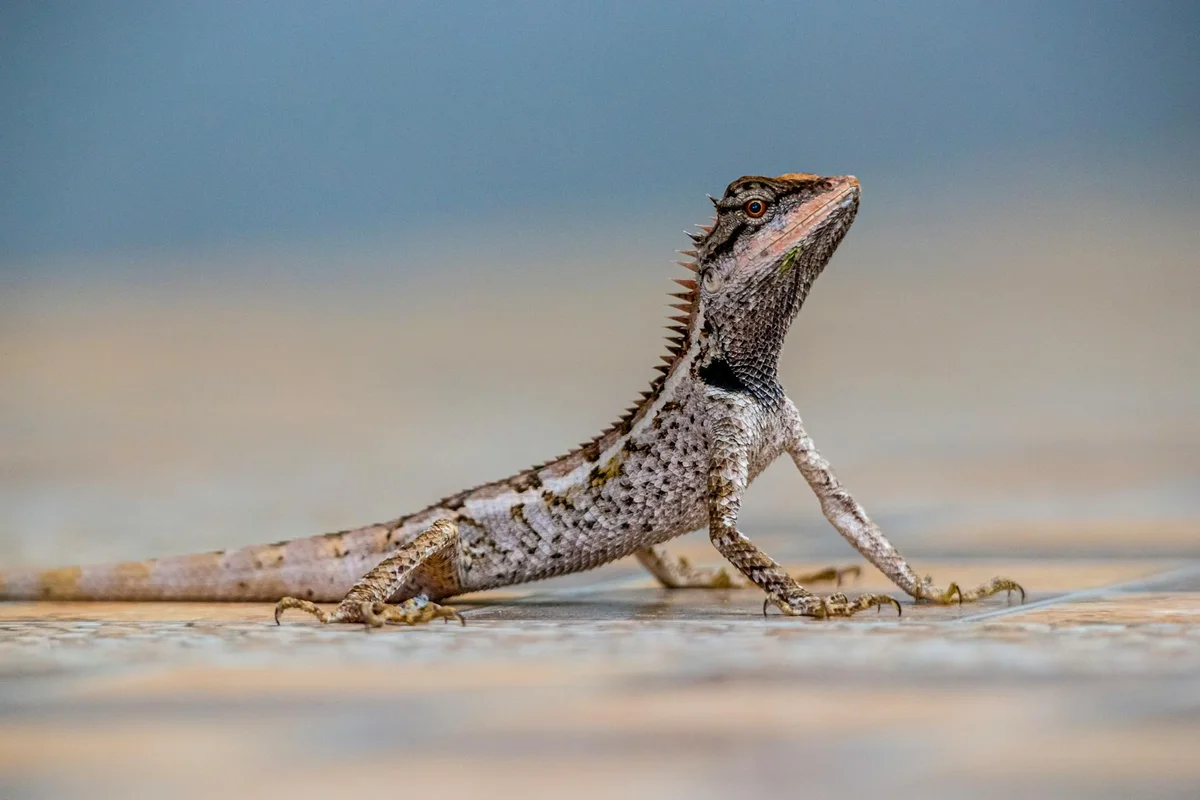
Before you bring home that adorable little dragon, you need to know what you’re signing up for. I learned this the hard way with my first beardie, Spike. Their care isn’t overly complex, but it is specific and non-negotiable for their health. Getting their habitat, diet, and environment right from day one is the single most important thing you can do for your new pet. To keep this on track, I started using a Thrive Complete Care Checklist to make sure every detail is covered. It walks you through habitat, diet, lighting, and daily care in simple, checkable steps.
Setting Up the Perfect Enclosure
Think of the enclosure as your dragon’s entire world. It needs to mimic the warm, bright Australian outback they naturally come from. A flimsy, small tank just won’t cut it for a creature that can live over a decade.
- Terrarium Size: For an adult bearded dragon, you need a 120-gallon tank, minimum. I use a 4x2x2 foot enclosure for each of my adults. Babies can start in a 40-gallon, but they grow fast!
- Substrate Options: This is a big one for safety. Loose substrates like sand can cause impaction if ingested. I always recommend and use a solid substrate like slate tile, reptile carpet, or paper towel for juveniles. It’s safer, cleaner, and much easier to maintain.
- Temperature Zones: Your dragon needs choices. One end of the tank must have a basking spot of 95-110°F, while the cool end should be around 80-85°F. At night, the entire tank can safely drop to the high 60s.
Here is your essential habitat checklist. Don’t skip any of these:
- A high-quality Basking Lamp to create that essential hot spot for digestion.
- A long, tube-style UVB Light that spans half the tank. This is non-negotiable for their calcium metabolism and overall health.
- At least two Hides-one on the warm end and one on the cool end so they can feel secure anywhere.
- A Digital Thermometer and Hygrometer to accurately monitor temperature and humidity, which should stay between 30-40%.
- Sturdy branches and rocks for climbing and basking.
Feeding and Nutrition Basics
Feeding a bearded dragon is not like feeding a dog or cat. Their dietary needs change dramatically as they grow, and getting the balance wrong is a fast track to health problems. A complete feeding guide for bearded dragons kept as pets explains exactly what to feed at each life stage. It also contrasts pet diets with what bearded dragons might eat in the wild.
A balanced diet for a bearded dragon is a mix of live insects and fresh vegetables, dusted with the right supplements. I spend more on my dragons’ fresh greens than on my own some weeks! For a complete feeding guide on bearded dragons eating vegetables, see our guide. It covers which greens to offer, how much, and how to prep them.
- Protein (Live Insects): Babies and juveniles are mostly carnivorous. Offer them appropriately-sized insects like dubia roaches, crickets, and black soldier fly larvae 2-3 times a day. Adults only need insects once a day or every other day.
- Vegetables & Greens: A fresh salad should be available daily. Staples include collard greens, mustard greens, dandelion greens, and butternut squash. Avoid iceberg lettuce-it’s just water with no nutritional value.
- The Ratio Shift: A baby’s diet is 80% insects and 20% veggies. For an adult, this flips to 80% veggies and 20% insects.
Supplements are what tie the whole diet together. Without them, even the best food isn’t enough.
- Calcium Powder: Dust their insects with a plain calcium powder (without Vitamin D3) at almost every feeding for juveniles, and 4-5 times a week for adults.
- Calcium with D3: Use this version once or twice a week if your UVB light is a T5 high-output type placed over a mesh screen.
- Multivitamin: A good reptile multivitamin should be used once or twice a week to round out their nutrition.
Costs and Long-Term Commitment
When I adopted my first bearded dragon, I quickly learned that the joy of ownership comes with real financial and time responsibilities. Understanding the full scope of costs upfront can prevent surprises and ensure you provide a thriving home for your scaly friend. The bearded dragon cost of ownership includes setup and ongoing care. I’ll walk you through budgeting tips based on my own experiences with multiple dragons.
Initial Setup Expenses
Your start-up investment covers everything to create a safe, stimulating environment. I’ve found that skimping here often leads to health issues down the road.
- Enclosure: A 40-75 gallon tank typically costs $150-$300. I always recommend going bigger-my dragons use every inch!
- Lighting and Heating: UVB bulbs, basking lamps, and fixtures run $80-$150. These are non-negotiable for their metabolism and bone health.
- Substrate and Decor: Safe flooring, hides, and climbing branches add another $50-$100. I prefer tile for easy cleaning and durability.
- Miscellaneous: Thermometers, timers, and food dishes round out the initial $300-$600 total.
Ongoing Monthly and Annual Costs
Regular expenses keep your dragon healthy and happy. I budget carefully to avoid cutting corners on their care.
- Food: Live insects (like dubia roaches) and fresh greens cost $20-$50 monthly. Juveniles eat more protein, so costs shift as they age.
- Vet Care: Annual check-ups with an exotic vet are $50-$100, while emergencies can hit $200+. I set aside a small fund for surprises.
- Supply Replacements: UVB bulbs must be changed every 6 months ($30-$50), and substrate refreshes add up. I replace decor yearly for enrichment.
Lifespan and Your Time Investment
Bearded dragons live 8-12 years on average, with some reaching 15 years in optimal care. That decade-plus commitment means daily interaction, feeding, and habitat maintenance become part of your routine. Bearded dragons kept in captivity can often exceed wild lifespans when given optimal care. Understanding how captive conditions—like UVB lighting, nutrition, and enclosure design—affect aging helps you maximize their lifespan. In my home, dragon care is as regular as mealtime—miss a day, and you’ll see the impact on their behavior and health.
- Daily Tasks: Spot cleaning, fresh food/water, and handling for socialization. I spend 30-60 minutes daily across my dragons.
- Weekly Deep Cleans: Full enclosure sanitization prevents bacteria buildup. It’s a chore, but the fresh, earthy smell after is worth it.
- Consistency is Key: These reptiles thrive on routine. I’ve seen dragons develop stress signs when schedules shift, so plan for long-term stability.
Cost Comparison to Other Common Pets
How does dragon ownership measure up? While initial costs are similar to a cat or dog, the ongoing needs differ significantly.
- Vs. Cats/Dogs: Mammals often have higher food and grooming bills, but dragons require specialized lighting and heating that mammal owners skip.
- Vs. Small Mammals: Hamsters or guinea pigs are cheaper initially but have shorter lifespans (2-5 years), reducing long-term responsibility.
- Vs. Fish: Aquariums need frequent water changes and filter replacements, while dragons demand more daily hands-on care and vet specificity.
Ultimately, a bearded dragon’s costs reflect their unique needs—investing properly ensures they live a full, vibrant life by your side. Recognizing bearded dragon care requirements and ongoing maintenance costs helps you budget for a healthy, thriving companion.
Is a Bearded Dragon a Good Fit for Your Lifestyle?
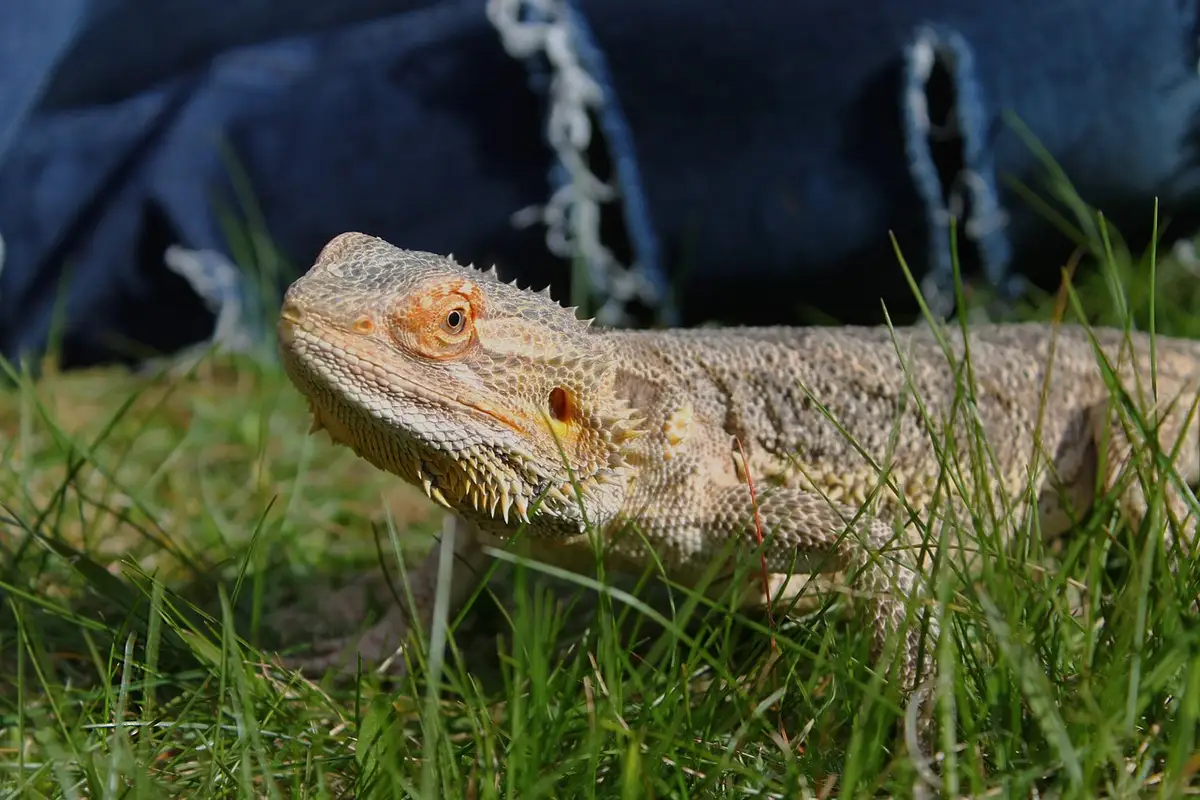
Before you fall in love with those soulful eyes and that scaly smile, you need to do a honest check-in with your daily life. These reptiles are a long-term commitment, often living 10 to 15 years, so their needs have to mesh perfectly with your own. I’ve found they fit beautifully into some homes and are a terrible mismatch for others.
For Families and First-Time Owners
Bearded dragons can be a fantastic first reptile for a responsible family. They are generally docile and can teach kids wonderful lessons about gentle handling and consistent care. The key to success with kids is always, always supervision. A child’s quick, unpredictable movements can startle a beardie, and a dropped dragon is a seriously injured dragon.
From my own experience, watching a child learn to read a bearded dragon’s body language-like a dark beard meaning “I’m stressed”-is an incredible educational moment. Just remember, the adult is ultimately responsible for the animal’s welfare, habitat maintenance, and feeding schedule. The child can be a wonderful helper, but the buck stops with you.
Considering Your Daily Routine
Your average day needs to have some flexibility for your scaly friend. They aren’t like a cat you can just leave with an automatic feeder for a weekend. A bearded dragon’s care is a daily ritual that can take 15-30 minutes for feeding and spot-cleaning, plus a deeper weekly habitat scrub. To keep nutrition on track, many owners follow a complete feeding schedule—detailing what to feed and how often at each life stage. This helps prevent under- or overfeeding and keeps growth steady.
Here’s a quick breakdown of a typical day in my house:
- Morning: Turn on the lights (they need 12-14 hours of heat and UVB). Offer fresh salad greens.
- Late Morning/Afternoon: Feed live insects. This isn’t a quick dump; it’s active feeding and monitoring.
- Evening: Do a quick spot-clean of any messes and turn off the lights for the night.
You also need to budget time for handling and socialization. They thrive on routine and consistent, calm interaction, which builds a stronger bond between you. If your life is constantly on-the-go with late nights and unpredictable schedules, the consistency a beardie needs will be hard to provide.
Other Crucial Lifestyle Factors
- Handling Frequency: They are not a “look, don’t touch” pet. Most enjoy daily handling once they’re comfortable. If you want a pet to observe from afar, this isn’t it.
- Noise Tolerance: Great for apartments! The noisiest thing is the hum of their lights. They don’t bark or meow.
- Other Pets: This is a big one. Cats and dogs are natural predators. The stress of a predator constantly staring at them can be immense and dangerous for the dragon. Their enclosure must be in a secure, low-traffic area for other pets.
Self-Reflection Checklist: Are You Ready?
Be brutally honest with yourself. Answer these questions before you make a decision.
- Can you commit to a pet for the next 10+ years?
- Are you comfortable handling and feeding live insects like crickets and dubia roaches?
- Do you have a stable, quiet space for a 4x2x2 foot enclosure?
- Is your budget ready for the initial setup cost ($300-$600+) and ongoing expenses for food and electricity?
- Can you dedicate time every single day for feeding, cleaning, and social interaction?
- Do you have an exotic veterinarian nearby, and are you prepared for potential vet bills?
- If you have other pets, can you ensure the dragon’s complete safety from them?
If you answered “yes” to all of these, you might just be the perfect bearded dragon owner. It’s a rewarding journey, but it starts with clear-eyed self-assessment.
Frequently Asked Questions
Can a bearded dragon have a prosthetic leg?
Yes, bearded dragons can be fitted with prosthetic legs, typically custom-made by an exotic veterinarian to aid in mobility after amputation or injury.
Can a bearded dragon have a prosthetic tail?
While less common, prosthetic tails are possible and can help with balance, but they are usually for cosmetic purposes as bearded dragons do not regenerate their tails.
What prosthetics are available for a bearded dragon?
Available prosthetics include custom-fitted legs or tails made from lightweight materials like silicone, often designed and applied by specialized reptile veterinarians.
The Final Word: Is a Bearded Dragon Your Perfect Pet?
So, is a bearded dragon the right pet for you? If you’re looking for a quiet, gentle presence and are fascinated by the intricate care of a miniature dinosaur, the answer could be a resounding yes. The bond you form with a bearded dragon is quiet and earned, built on consistent, gentle care. From my own experience, watching them deliberately climb onto your hand is a uniquely rewarding feeling.
But be honest with yourself about the commitment. This isn’t a low-maintenance pet; it’s a long-term project that requires dedicated space, time, and a budget for specialized equipment and food. Your choice ultimately comes down to whether you’re ready to embrace the beautiful, scaly responsibility of creating a tiny, thriving desert world in your home.
Further Reading & Sources
- r/reptiles on Reddit: Pros and cons for owning a bearded dragon?
- Pros and cons of owning a bearded dragon | Bearded Dragon Forum
- Are Bearded Dragons Good Pets? Vet Reviewed Pros & Cons | Hepper Pet Resources
Bearded Dragon Lair is the ultimate resource for bearded dragon enthusiasts, offering expert advice and practical tips to ensure the health and happiness of your scaly companion. With years of experience in reptile care, we are dedicated to providing accurate, up-to-date information to support your bearded dragon journey.
Temperament Insights